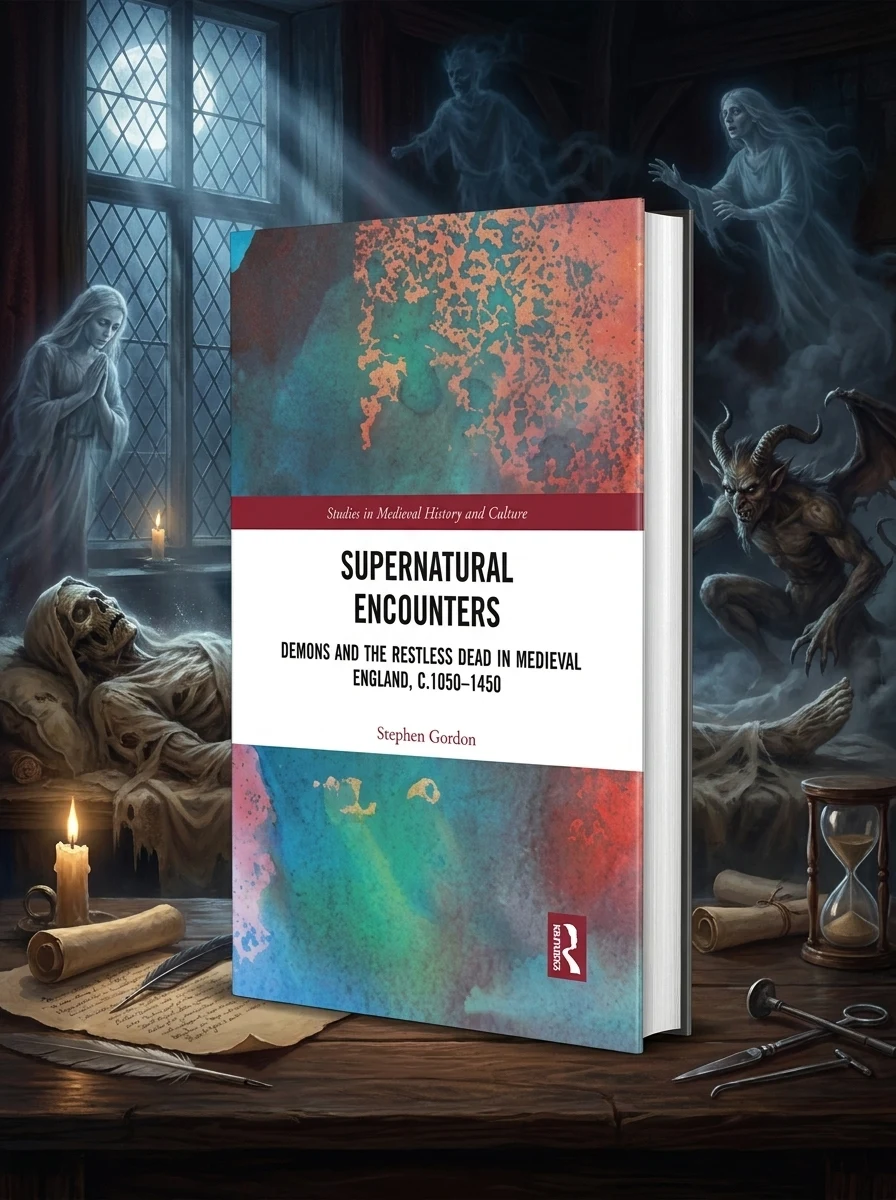
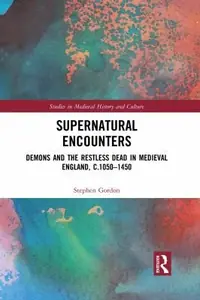
Supernatural Encounters: Demons and the Restless Dead in Medieval England, C.1050-1450 Gordon, Stephen
Gordon, StephenStock reported in the catalog; fulfillment is confirmed with your request.
Medieval England: where demons crushed sleepers and the dead haunted the living.
Stephen Gordon's compelling study delves into the profound impact of supernatural beliefs on medieval English society between 1050 and 1450. Examining encounters with infernal spirits and the unquiet dead, this volume reveals how these phenomena were not merely feared but served as crucial lenses through which medieval individuals grappled with concepts of mortality, illness, and the afterlife. Gordon meticulously analyzes how various chroniclers, poets, and even medical practitioners adapted these spectral narratives to reflect and critique their contemporary world, offering fresh perspectives on a deeply spiritual era.
This work situates itself within the rich tapestry of medieval English historiography and esoteric studies, exploring the intersection of supernatural belief, medical practice, and literary expression during the late Middle Ages.


📝 Description: Supernatural Encounters: Demons and the Restless Dead in Medieval England, C.1050-1450 Gordon, Stephen
💎 Expert review
📖 Why choose it
Why this book is worth reading
Scholars of medieval history, students of esoteric traditions, and readers fascinated by the psychological landscape of the past will find this volume indispensable. Stephen Gordon offers a profound exploration of how ordinary people in England between 1050 and 1450 navigated a world where the boundary between the physical and spiritual was porous. By examining chroniclers, poets, and medical practitioners, the book reveals how demonic encounters and restless spirits were not just objects of fear but vital tools for understanding mortality and illness. It provides fresh perspectives on a deeply spiritual era, allowing modern readers to empathize with the medieval mindset without romanticizing their anxieties.
⭐ Reader reviews
Reader rating
Stephen Gordon delivers a meticulous analysis that bridges the gap between historical record and esoteric experience. The text is rigorous, drawing heavily from primary sources to show how spectral narratives critiqued contemporary society. However, this academic density may alienate casual readers seeking simple ghost stories or entertainment. It is not suitable for those expecting light folklore or supernatural thrillers; rather, it demands patience and an interest in serious historical inquiry into the medieval psyche.
❓ Frequently asked questions
📖 Who should read this
If you're fascinated by the dark corners of history, the interplay of belief and culture, or how fear shaped the medieval mind, this book is for you. It offers a scholarly yet accessible journey into England's spectral past, perfect for exploring demonology, the afterlife, and cultural responses to the unknown.
🎯 Key themes and symbolism
Medieval Supernatural Worldview
This book illuminates how the belief in malevolent demons and returning spirits was an undeniable cornerstone of the medieval psyche. It explores the pervasive fear and confusion these encounters evoked, demonstrating their central role in shaping daily life and understanding the cosmic order within the medieval context.
Diverse Interpretations of Encounters
Gordon meticulously unpacks how medieval writers—from historians to satirists—employed supernatural narratives in multifaceted ways. These encounters became powerful cultural "texts" used to articulate varying attitudes toward death, disease, and the spiritual realm, reflecting societal anxieties, moral lessons, and theological debates of the time.
Literary and Social Commentary
The study highlights how influential figures like Chaucer and William of Newburgh strategically deployed tales of walking corpses and nightmares. These supernatural accounts weren't just folklore; they served as potent tools for social critique, moral instruction, and exploring complex theological questions within their specific historical and literary contexts.
💬 Quotes from the book
“The medieval chronicler often presented supernatural encounters not as mere folklore, but as genuine historical events, meticulously recorded to convey moral truths or societal warnings.”
“Whether a spectral visitor from purgatory seeking intercession or a malevolent incubus tormenting a sleeping soul, these entities were integral to the medieval understanding of sin, salvation, and the precarious balance between the sacred and the profane.”
📜 Historical context
📚 Glossary
- Hagiographers
- Suffrage
- Monograph
📔 Questions to reflect on
- How might our modern understanding of psychology or science influence our interpretation of medieval supernatural encounters, and what are the limitations of such a lens?
- Consider a contemporary belief or fear that is widespread. How might future historians analyze its role in our society, similar to how Gordon examines medieval fears of demons?
- If you encountered a "restless dead" or demonic entity today, how do you think your immediate community or cultural institutions would react compared to medieval responses?
📖 From the series “Studies in Medieval History and Culture”
All books in the series →
✍️ More books by this author Gordon, Stephen
All books by this author →🏛 Books from this publisher Routledge
All books from this publisher →
 89
89

You might also like
See more →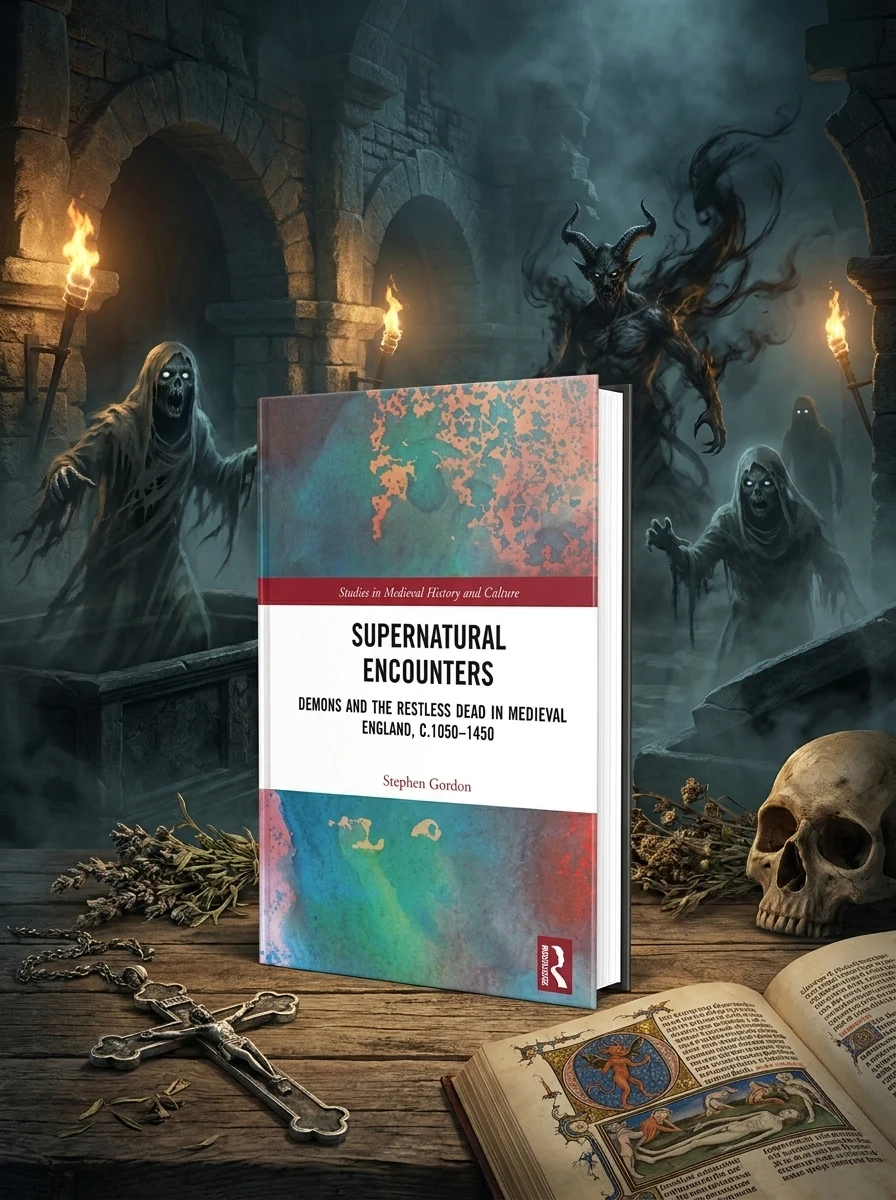
 91
91
 91
91