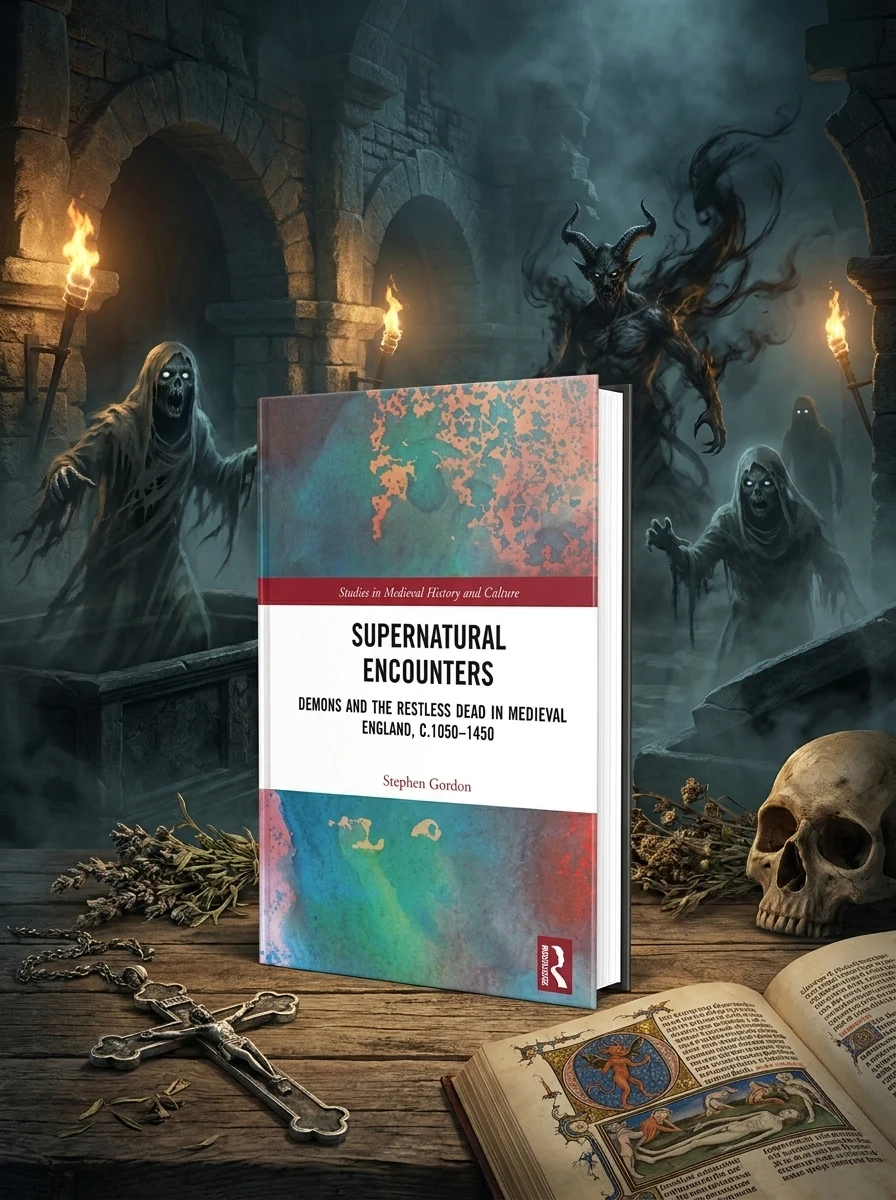
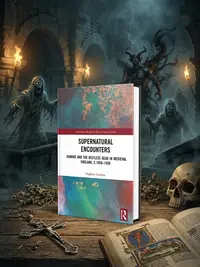
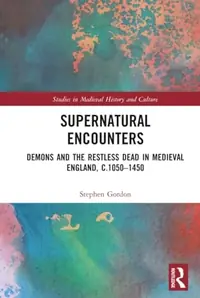
Supernatural Encounters: Demons and the Restless Dead in Medieval England, C.1050-1450 Gordon, Stephen
Gordon, Stephen 86
86
 Editorial score
How we rate
Editorial score
How we rate
Stock reported in the catalog; fulfillment is confirmed with your request.
Medieval England's shadows teemed with demons and the restless dead, shaping an entire era's fears.
Stephen Gordon's illuminating study plunges into the medieval English psyche, from 1050 to 1450, revealing how encounters with the supernatural were not just terrifying, but deeply embedded in society. From plague-spreading corpses to purgatorial spirits and shape-shifting demons, these entities profoundly influenced worldviews. Gordon meticulously examines how various medieval writers—chroniclers, poets, and even physicians—appropriated these beliefs to explore attitudes towards death, illness, and the afterlife, offering a nuanced perspective on a world alive with the uncanny.
This scholarly work anchors itself in the rich tradition of medieval historiography and religious studies, exploring the pervasive influence of supernatural beliefs on English society between 1050 and 1450.


📝 Description: Supernatural Encounters: Demons and the Restless Dead in Medieval England, C.1050-1450 Gordon, Stephen
💎 Expert review
📖 Why choose it
Why this book is worth reading
Academic historians, medievalists, and enthusiasts of esoteric history will find this volume an indispensable resource. Gordon offers a nuanced perspective on how the uncanny shaped daily life, moving beyond simple horror to reveal deep societal anxieties about death, illness, and the afterlife. By examining chroniclers, poets, and physicians, the book illuminates how these supernatural encounters were not mere terrors but fundamental components of the medieval worldview. It is ideal for those seeking to understand the psychological landscape of a time when demons and restless dead were tangible forces influencing culture and belief systems.
⭐ Reader reviews
Reader rating
Gordon provides an illuminating study that meticulously dissects the medieval English psyche, revealing how encounters with the supernatural deeply embedded themselves in society. While the analysis of writers like chroniclers and physicians is rigorous and insightful, this text demands serious scholarly engagement rather than casual reading. It does not suit readers seeking lighthearted folklore or sensationalist ghost stories; instead, it appeals to those interested in the intellectual and social frameworks of the era. The focus on how beliefs influenced worldviews regarding death and illness makes it a vital, albeit dense, contribution to understanding the uncanny realities of medieval life.
❓ Frequently asked questions
📖 Who should read this
If you're fascinated by the medieval mind, the historical roots of folklore, or the cultural impact of fear, this book offers a compelling journey. It’s perfect for readers eager to understand how supernatural beliefs shaped an entire era.
🎯 Key themes and symbolism
The Pervasive Supernatural
This book masterfully illustrates how supernatural entities weren't peripheral to medieval life but central to its understanding of existence. It explores the profound anxieties stoked by beliefs in demons, restless spirits, and nightmares, demonstrating their inescapable presence in daily thought and fear.
Narrative & Cultural Function
Gordon analyzes how figures like William of Newburgh and Chaucer didn't just report supernatural occurrences, but actively used them. He shows how chroniclers, hagiographers, and satirists employed tales of the uncanny as powerful cultural "texts" to comment on societal norms, morality, and the human condition.
Ambiguous Demonic Intent
The volume delves into the complex and often conflicting interpretations of supernatural motives. It differentiates between malevolent demons, purgatorial spirits seeking solace, and other entities, exploring how medieval thinkers grappled with understanding their agency and intentions within diverse social and literary frameworks.
💬 Quotes from the book
“The conceptualization of the restless dead as either diabolical agents or souls in purgatorial need reveals a profound societal negotiation of death's meaning and the boundaries of divine judgment.”
“From William of Newburgh's careful chronicling to Chaucer's satiric portrayals, the supernatural encounter served as a versatile narrative device, capable of both instilling dread and critiquing human folly.”
📜 Historical context
📚 Glossary
- Revenant
- Suffrage
- Hagiographer
📔 Questions to reflect on
- How do our modern anxieties about the unknown manifest in contemporary folklore or media, compared to medieval fears of the supernatural?
- Consider a specific medieval supernatural belief discussed in the book. How might its cultural function have differed depending on whether it appeared in a sermon, a chronicle, or a poem?
- Reflect on the role of "agency" in these medieval narratives. How did attributing specific intentions (demonic malice vs. purgatorial pleading) to supernatural entities shape people's responses?
📖 From the series “Studies in Medieval History and Culture”
All books in the series →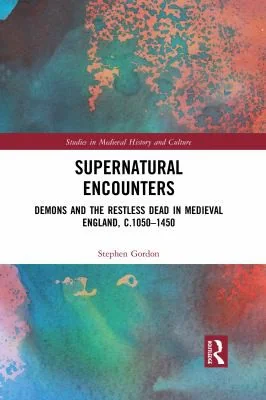
✍️ More books by this author Gordon, Stephen
All books by this author →🏛 Books from this publisher Routledge
All books from this publisher →
 89
89

You might also like
See more →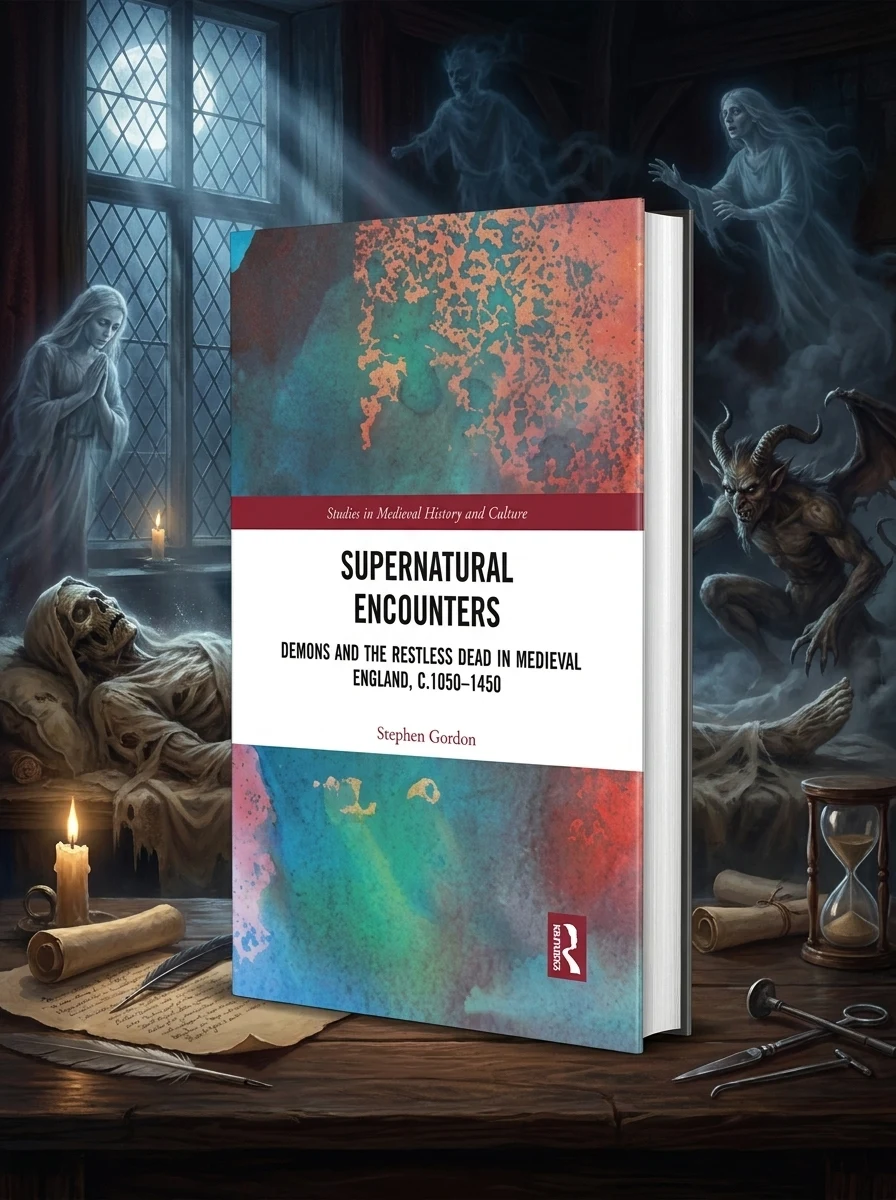
 91
91
 91
91
 90
90
 90
90