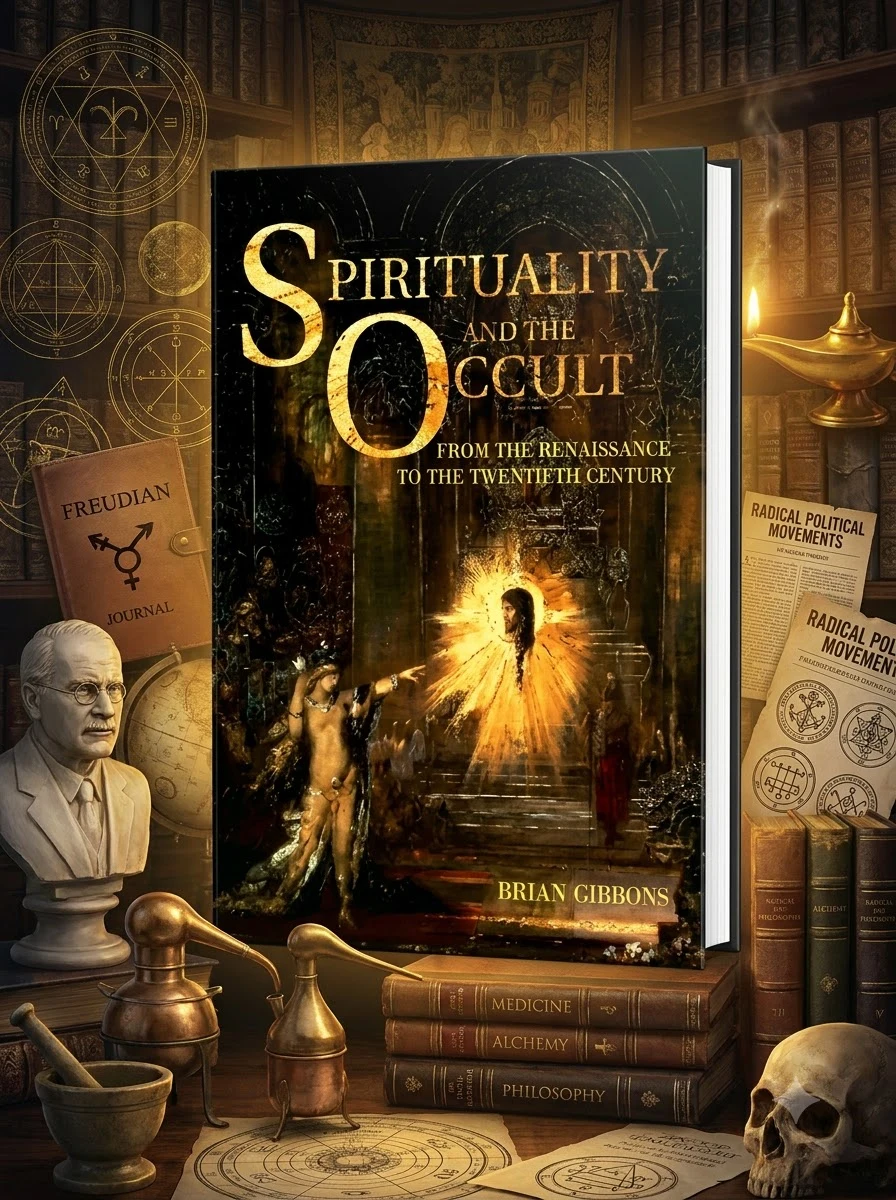
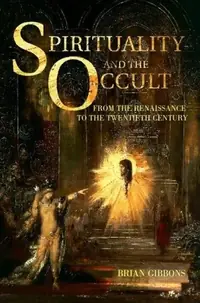
Spirituality and the Occult
Stock reported in the catalog; fulfillment is confirmed with your request.
Uncover the hidden esoteric currents that quietly shaped Western science, medicine, and radical thought.
Brian Gibbons dismantles the myth that occult traditions are mere fringe curiosities, revealing them as foundational pillars of Western intellectual history. By tracing the enduring influence of mystical movements across medicine, science, and psychology, the text demonstrates how modern thought emerged from these shadowed roots. This work offers a compelling re-evaluation of cultural history, proving that esotericism is not an aberration but a vital, pervasive force in philosophy and radical politics.
This text situates itself within the revisionist study of Western intellectual history, challenging the traditional separation between mainstream science and esoteric traditions. It belongs to the scholarly discourse that re-evaluates the foundational role of mysticism in the development of modern philosophy and radical politics.


📝 Description: Spirituality and the Occult
💎 Expert review
📖 Why choose it
Why this book is worth reading
Readers fascinated by the hidden architectures of Western thought will find this volume indispensable. It is particularly suited for scholars and curious minds who suspect that standard historical narratives omit crucial esoteric currents. By dismantling the myth that occult traditions are mere fringe curiosities, Gibbons reveals them as foundational pillars of Western intellectual history. This work offers a compelling re-evaluation of cultural history, proving that esotericism is not an aberration but a vital, pervasive force in philosophy and radical politics. It appeals to those ready to trace the enduring influence of mystical movements across medicine, science, and psychology, understanding how modern thought emerged from these shadowed roots.
⭐ Reader reviews
Reader rating
Not my usual area but wanted to branch out. The ideas are old but land with surprising force today. Would buy from this store again.
My third book from this store and this one might be the best. It reads better in small doses — a chapter at a time with notes. Deserves a place on any esoteric bookshelf.
As someone who reads a lot in this field, I can be picky. There's real depth here that reveals itself on a second reading. If you're drawn to this subject, don't hesitate.
Added this to my reference shelf. I found myself reading passages aloud just to sit with them. I'd have loved an index, but that's on the original text. Still worth having on the shelf.
First purchase from this shop. The text itself is dense but rewarding — you get out what you put in. My only quibble is the cover feels thinner than expected. Happy enough with the purchase.
Perfect companion for my morning study sessions. Solid binding, decent paper — holds up to heavy use. The typesetting is comfortable for study, with good margins for notes. Great value for what you get.
Gibbons delivers a robust dismantling of the notion that occult traditions are insignificant fringe curiosities, instead positioning them as essential components of Western intellectual heritage. The text successfully traces how mystical movements influenced medicine, science, and psychology, demonstrating that modern thought arose from these obscure origins. However, this scholarly re-evaluation may not suit readers seeking practical magical instruction or those who prefer strictly secular, conventional historical accounts devoid of esoteric interpretation. It is a dense academic argument rather than an accessible guide for casual hobbyists. Those expecting straightforward biographical anecdotes or simple occult practices will likely find the philosophical depth and political analysis too abstract or overly theoretical for their tastes.
❓ Frequently asked questions
📖 Who should read this
Readers tired of standard secular histories who crave a deeper understanding of how mystical undercurrents shaped modern medicine, psychology, and political radicalism.
🎯 Key themes and symbolism
Esoteric Influence
Intellectual History
Hidden Lineages
💬 Quotes from the book
“The esoteric tradition is unfairly neglected in Western culture.”
“Much of what we take to be 'modern' derives at least in part from this tradition.”
📜 Historical context
📚 Glossary
- Esoteric Tradition
- Western Esotericism
- Esoteric Mystical Movements
📔 Questions to reflect on
- Where do you see the 'hidden' spiritual influences in your own field of study or daily life?
- How does recognizing the esoteric roots of science change your view of modern rationality?
- Which marginalized intellectual tradition do you believe has been most unfairly neglected by mainstream history?
🏛 Books from this publisher Routledge
All books from this publisher →


 89
89

You might also like
See more →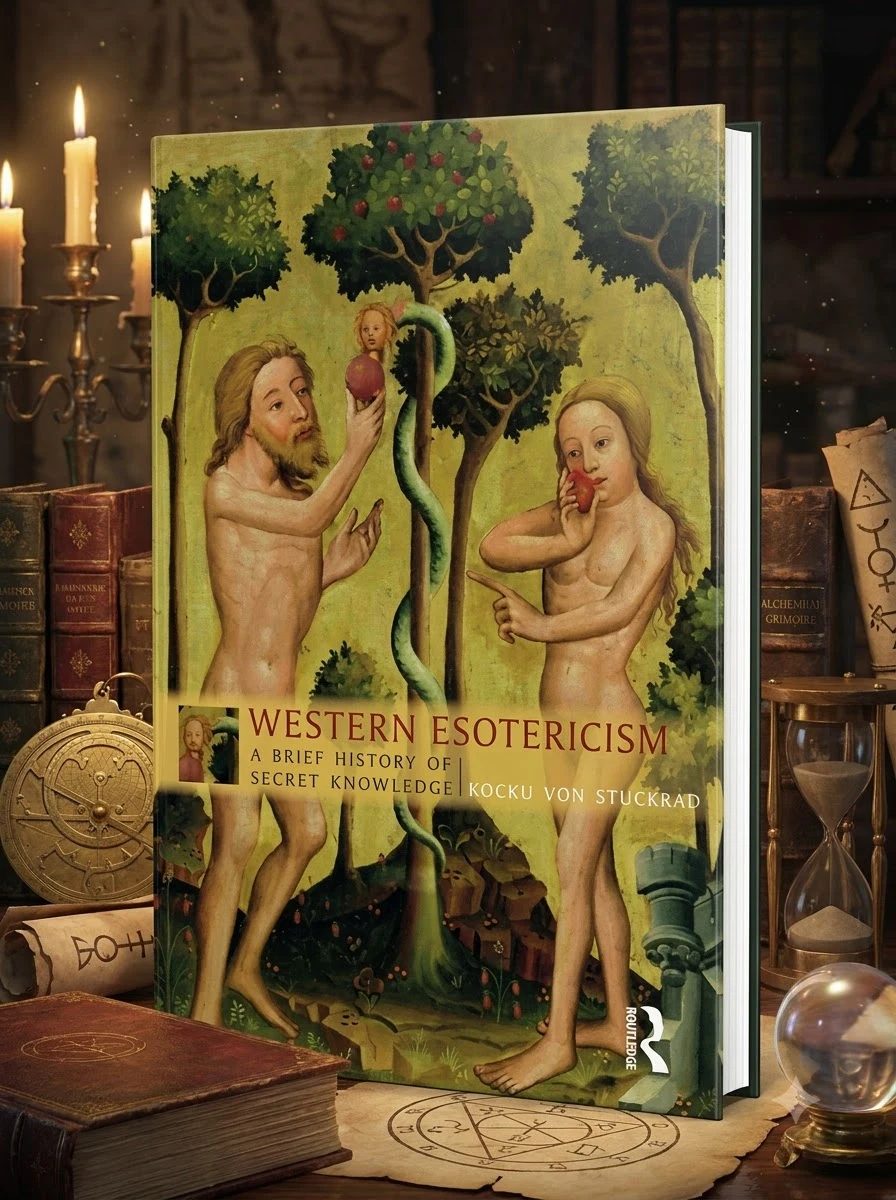
 91
91
 91
91