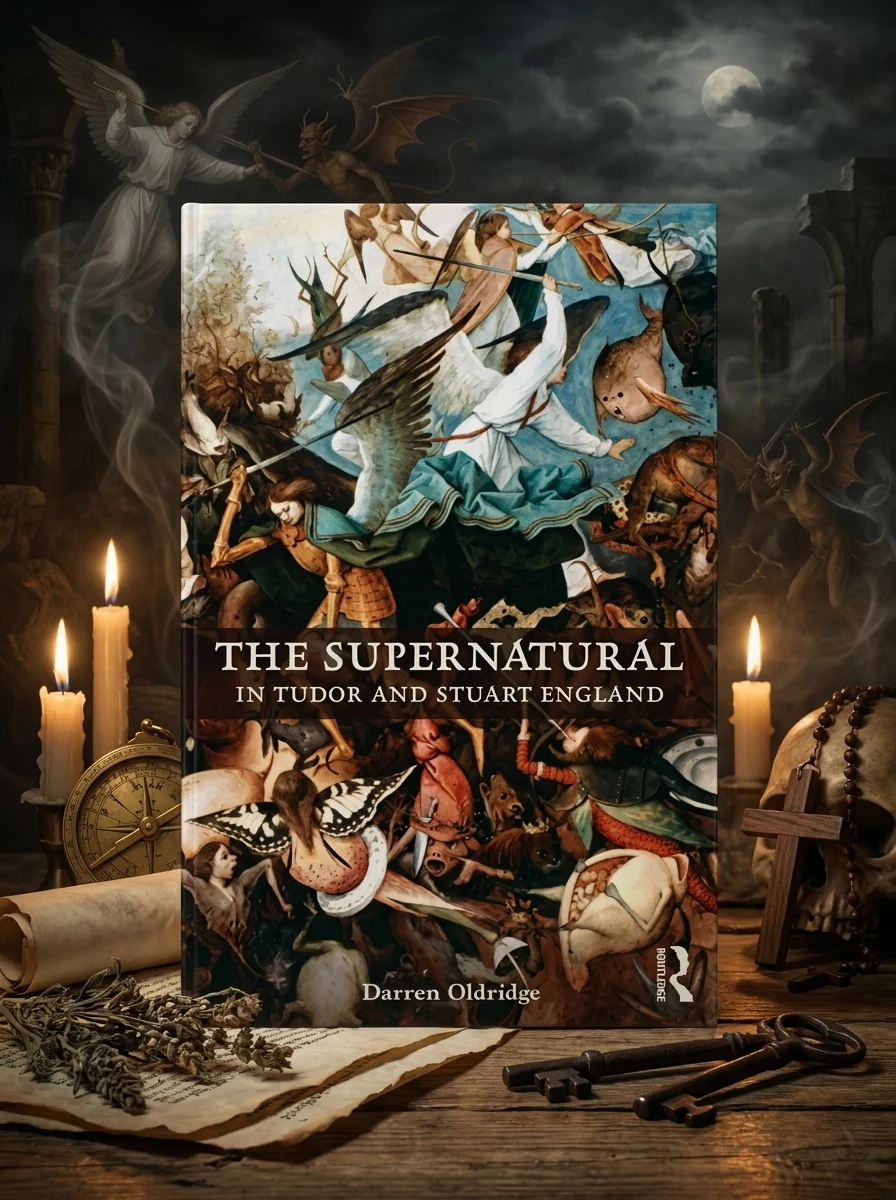
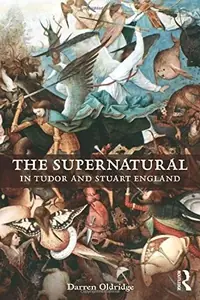
The Supernatural in Tudor and Stuart England
Oldridge, DarrenStock reported in the catalog; fulfillment is confirmed with your request.
Unearth the hidden forces that shaped Tudor and Stuart England's very soul.
Darren Oldridge's insightful work delves into the intricate relationship between the natural world and the unseen realms as understood by people in early modern England. This book meticulously explores how the English Reformation profoundly influenced perceptions of spirits, magical influences, and divine interventions. It uncovers the conceptual frameworks that underpinned encounters with the supernatural, revealing how these occult beliefs permeated nearly every facet of daily existence. From divine signs to demonic possession, and human attempts at magic, Oldridge illuminates a world where the spiritual was undeniably tangible.
This work sits firmly within the historiography of early modern English esotericism, examining the intersection of religious reformation and supernatural belief. It contributes to the broader understanding of how occult practices were woven into the daily spiritual fabric of Tudor and Stuart society.


📝 Description: The Supernatural in Tudor and Stuart England
💎 Expert review
📖 Why choose it
Why this book is worth reading
This book is an essential read for scholars and enthusiasts of early modern history who wish to understand the tangible spiritual landscape of pre-modern England. Darren Oldridge provides a meticulous exploration of how the English Reformation reshaped perceptions of spirits, demons, and divine signs. Readers interested in the conceptual frameworks behind occult beliefs will find this deeply insightful. It reveals how supernatural encounters were not fringe anomalies but central to daily existence. If you seek to comprehend the unseen forces that influenced Tudor and Stuart souls, this text offers a rigorous and illuminating perspective on the era's complex spiritual realities.
⭐ Reader reviews
Reader rating
Oldridge delivers a scholarly deep-dive into the intricate relationship between nature and the unseen in early modern England. The text is dense with analysis of how religious shifts altered views on magic and possession. While intellectually robust, it may not suit casual readers seeking narrative flair or simple historical anecdotes. Those looking for a light, accessible overview of witchcraft trials might find the conceptual focus too abstract. It demands patience from those unfamiliar with academic historiography on esotericism. However, for dedicated students of the period, it offers unparalleled clarity on how spiritual and occult beliefs permeated every facet of life during this transformative era.
❓ Frequently asked questions
📖 Who should read this
If you're captivated by the intersection of historical belief systems, religion, and everyday life in early modern England, this book offers a compelling journey. Scholars of witchcraft, folklore, and the history of science will find it an indispensable guide to understanding the enduring human fascination with the unseen.
🎯 Key themes and symbolism
Blurred Cosmic Boundaries
Oldridge explores how people in Tudor and Stuart England perceived the delicate line between the mundane and the miraculous. This section examines the prevalent worldview where natural events were often interpreted through a spiritual lens, showcasing a society deeply attuned to 'signs and wonders' and the constant interplay of visible and invisible forces.
Reformation's Spiritual Impact
The book meticulously details how the profound religious shifts of the English Reformation reshaped supernatural beliefs. It reveals how changing theological doctrines influenced the understanding of angels, demons, ghosts, and witchcraft, offering a nuanced perspective on how this period redefined spiritual authority and the nature of unseen entities.
Interacting with the Unseen
This theme investigates the diverse range of spiritual beings—from benevolent angels to mischievous goblins and malevolent demons—that populated the early modern English imagination. Oldridge also examines the various methods people employed to comprehend, harness, or cope with these powers, including practices of magic, divination, and the burgeoning fields of early science.
💬 Quotes from the book
“The subtle veil separating divine providence from demonic influence was often thinner than modern minds might imagine, shaping daily fears and fervent hopes alike.”
“From the king's court to the village hearth, spectral presences and providential signs were not mere superstition but integral to a lived theology and cosmology.”
📜 Historical context
📚 Glossary
- Tudor Era
- Stuart England
- English Reformation
📔 Questions to reflect on
- How did the English Reformation's shift in religious authority impact the perception and fear of witchcraft or demonic possession?
- If you lived in Tudor or Stuart England, how might a constant belief in divine signs or spiritual interventions influence your daily decisions and moral compass?
- Consider the 'boundaries' between natural and supernatural in early modern England. How do these compare to contemporary distinctions, if any, in our own society?
✍️ More books by this author Oldridge, Darren
All books by this author →
🏛 Books from this publisher Routledge
All books from this publisher →
 89
89

You might also like
See more →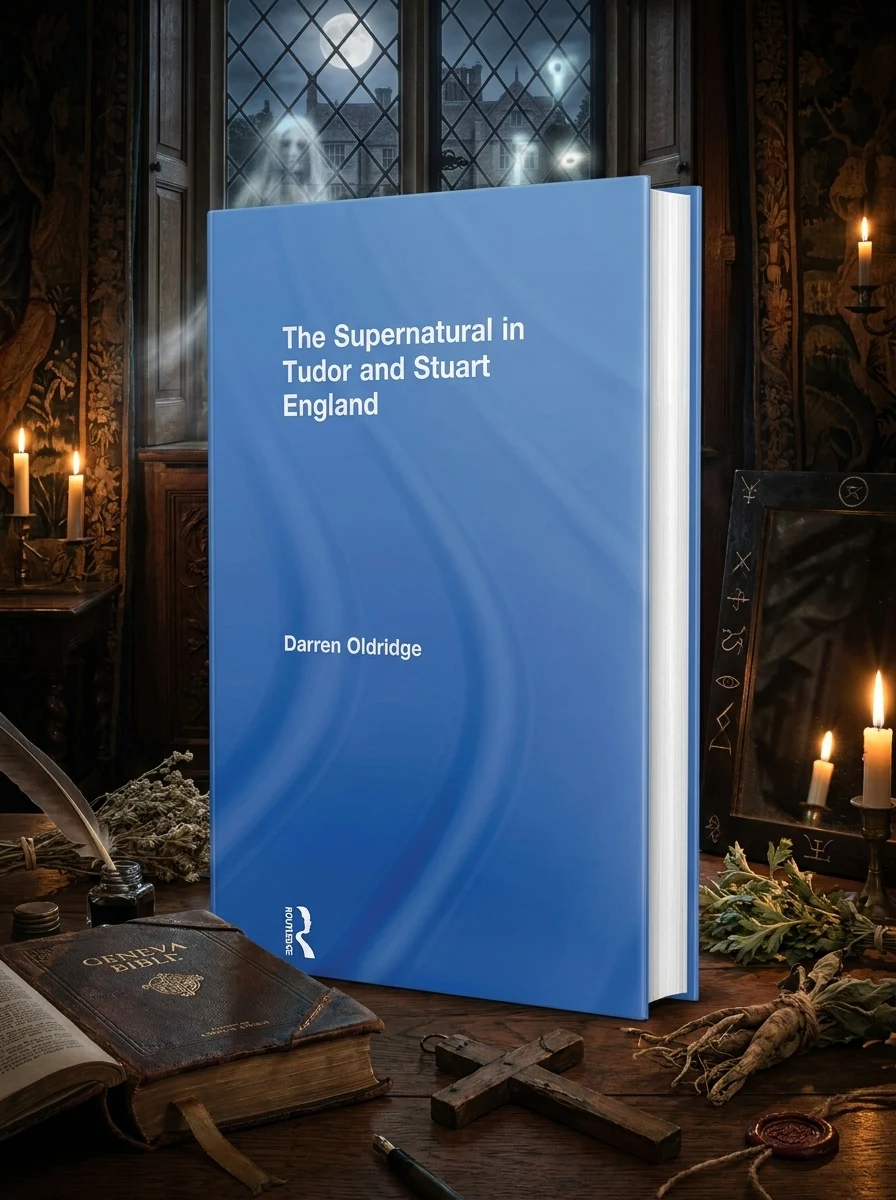 85
85
 91
91
 91
91