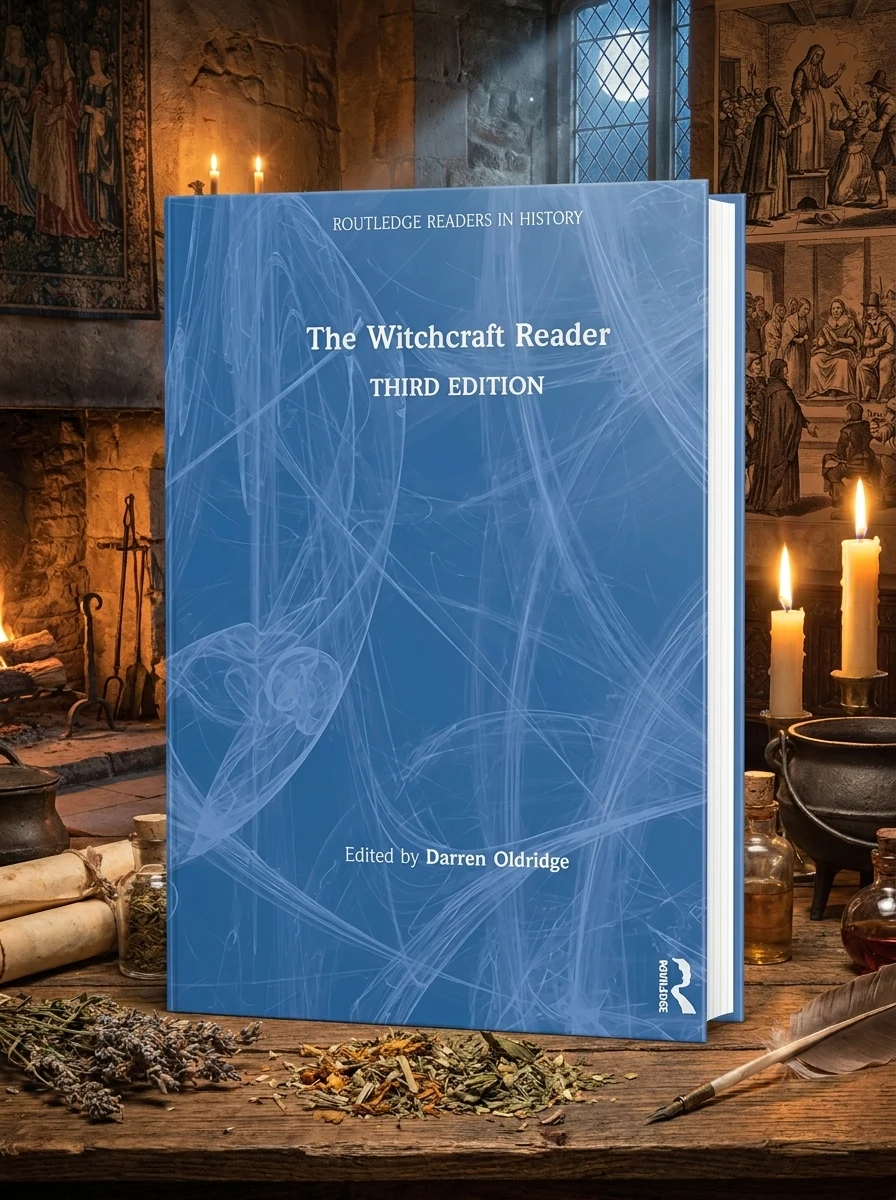
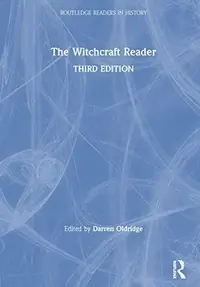
The Witchcraft Reader Oldridge, Darren
Oldridge, DarrenStock reported in the catalog; fulfillment is confirmed with your request.
A curated anthology tracing the dark arc of European witchcraft from medieval panic to modern myth.
Darren Oldridge’s meticulously revised third edition serves as a definitive compass through the labyrinthine history of witch trials. This volume transcends mere chronology by assembling pivotal scholarly and primary texts that dissect the psychological and theological machinery of persecution. It examines the construction of the 'witch cult' myth, the intersection of gender and power, and the gradual erosion of demonic belief. Crucially, it bridges the historical gap to contemporary revivals, showing how these ancient fears continue to shape Western cultural narratives today.
This volume anchors itself within the scholarly discourse of European occult history, serving as a critical bridge between medieval theological anxieties and modern esoteric revivals. It functions as a definitive academic resource for understanding the evolution of witchcraft narratives from persecution to contemporary cultural myth.


📝 Description: The Witchcraft Reader Oldridge, Darren
💎 Expert review
📖 Why choose it
Why this book is worth reading
Scholars, history enthusiasts, and those curious about the roots of modern witchcraft will find immense value in this meticulously revised anthology. Darren Oldridge offers a definitive compass through the complex labyrinth of witch trial history, moving beyond simple chronology to dissect the psychological and theological machinery behind the persecution. By assembling pivotal primary texts and scholarly analyses, the book illuminates the construction of the 'witch cult' myth and the intricate intersection of gender with power dynamics. It is essential for readers seeking to understand how ancient fears have eroded over time yet continue to shape Western cultural narratives today. This work bridges the historical gap effectively, providing a profound insight into the enduring legacy of these events on contemporary occult practices and societal myths.
⭐ Reader reviews
Reader rating
A friend in my study group recommended this one. Plenty of passages worth underlining; my copy is already full of margin notes. Not a light read, but far more accessible than I feared. Would buy from this store again.
Grabbed this during a weekend order. Plenty of passages worth underlining; my copy is already full of margin notes. Recommended if you're ready to do the work.
This has been on my wishlist for months. Some chapters demand a slow, careful read, and that's exactly the point. Every rereading turns up something I missed. My only regret is not ordering it sooner.
Exactly what I was looking for. The ideas are old but land with surprising force today. Not a light read, but far more accessible than I feared. Definitely recommend.
Came across this title in a footnote and had to track it down. The typesetting is comfortable for study, with good margins for notes. Solid binding, decent paper — holds up to heavy use. My only regret is not ordering it sooner.
Took a chance on this and glad I did. I appreciated how the argument builds steadily from first principles.
Oldridge’s third edition stands as a robust academic tool, meticulously curating texts that dissect the theological underpinnings of witchcraft persecution. It is an indispensable resource for those interested in the scholarly deconstruction of the 'witch cult' myth and the historical shifts in demonic belief. However, readers seeking quick, sensationalized tales of magic or practical spellcasting guides will find this volume dry and overly dense. It demands patience and a willingness to engage with rigorous historical analysis rather than esoteric instruction. Those looking for light entertainment or immediate occult practice advice should look elsewhere; this is a serious examination of history, not a manual for modern covens.
❓ Frequently asked questions
📖 Who should read this
Readers fascinated by the intersection of theology, law, and social anxiety in early modern Europe, as well as those interested in how historical trauma informs modern pop culture and feminist critiques of persecution.
🎯 Key themes and symbolism
Inquisitorial Psychology
Gender and Power
Cultural Revivals
💬 Quotes from the book
“The witch was less a historical reality than a cultural projection of collective fears.”
“Silence was not the absence of voice, but the sound of terror enforced by the state.”
📜 Historical context
📚 Glossary
- Learned vs. Popular Culture
- Confession Making
- Demonic Pact
📔 Questions to reflect on
- How does the book's depiction of 'imaginary cults' reflect modern anxieties about hidden groups within society?
- In what ways does the gendering of suspects reveal the patriarchal structures of the time?
- How do the 'revivals' of witchcraft in contemporary media serve as a form of reclaiming power for marginalized groups?
✍️ More books by this author Oldridge, Darren
All books by this author →

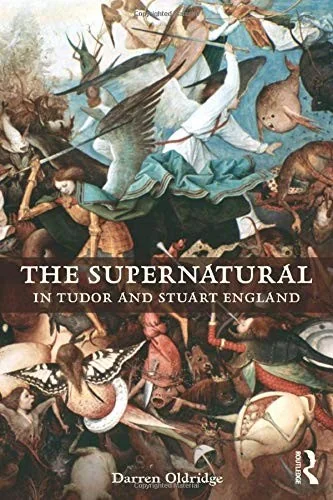
🏛 Books from this publisher Routledge
All books from this publisher →



 89
89

You might also like
See more →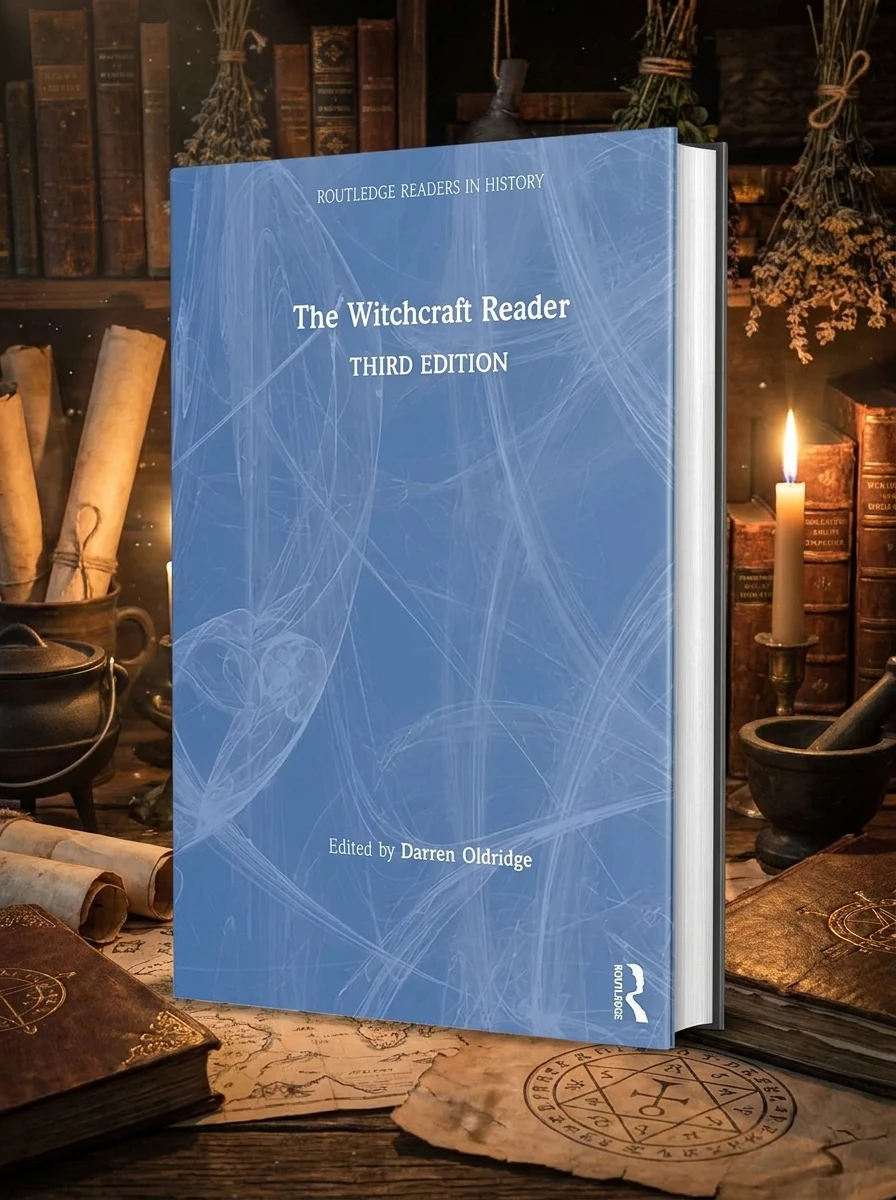 82
82

 91
91
 90
90
 90
90
 90
90