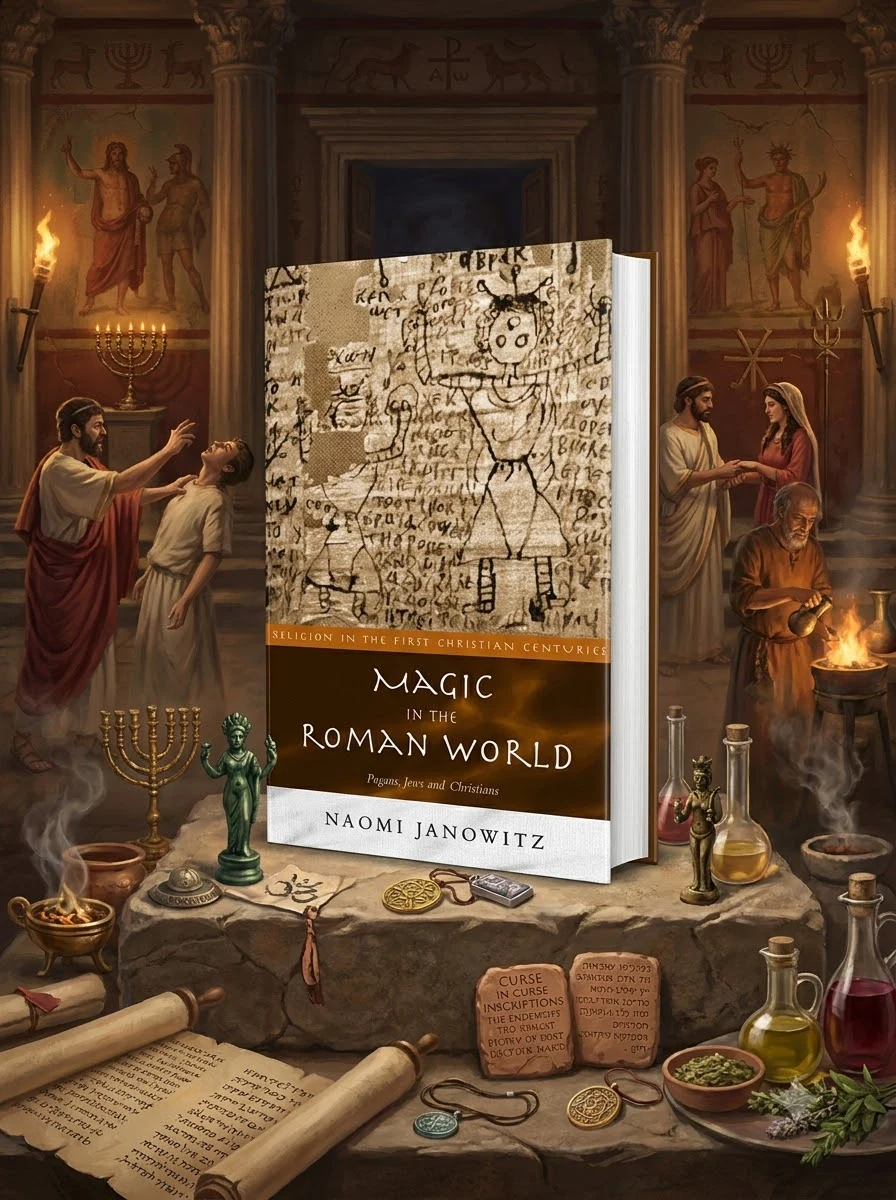
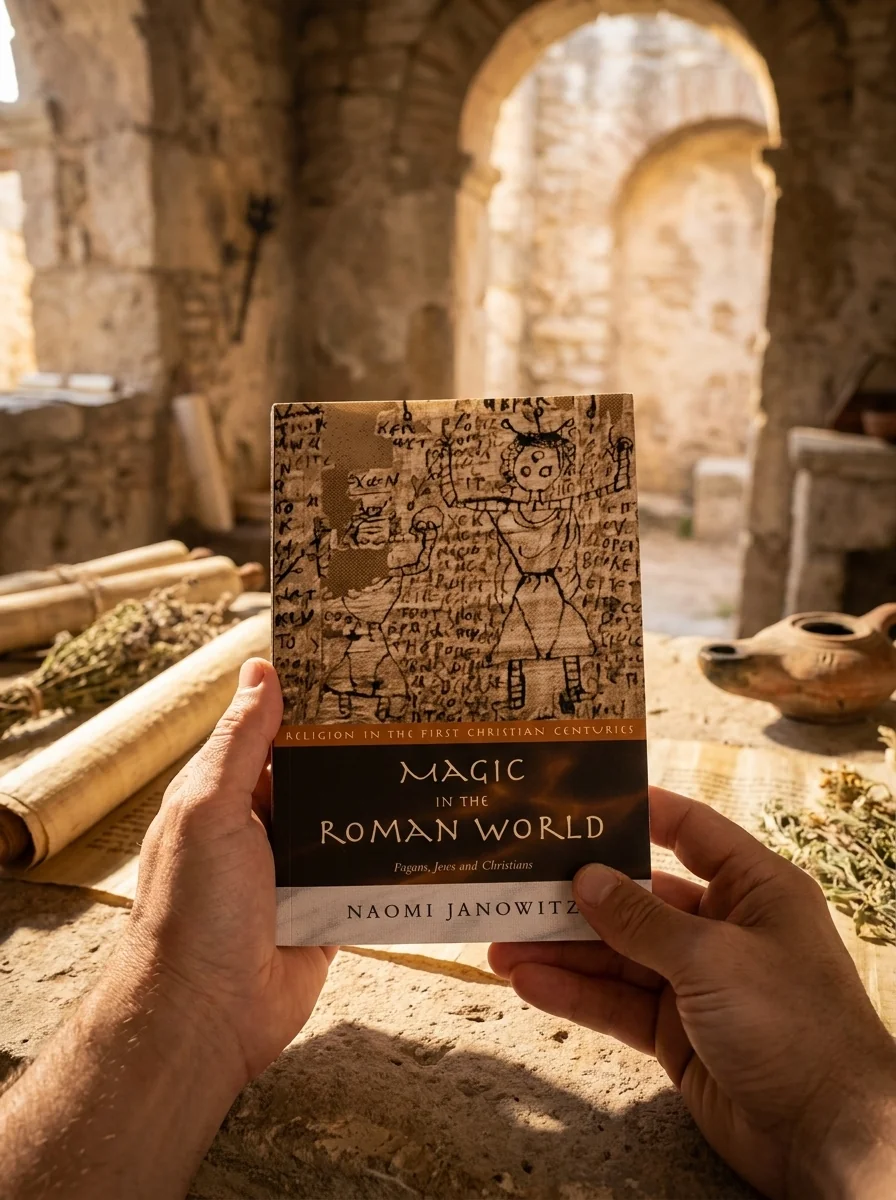
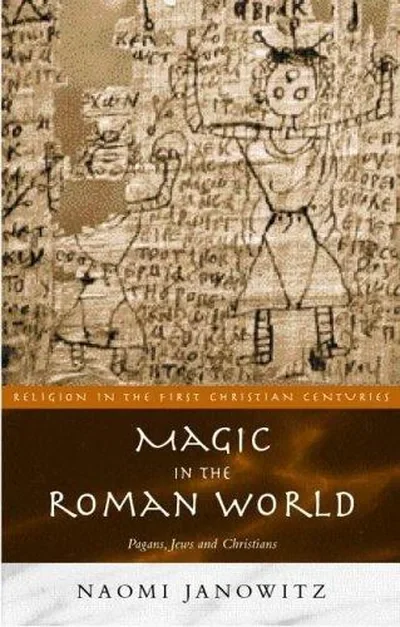
Magic in the Roman World: Pagans, Jews and Christians
✍️ Janowitz, NaomiNaomi Janowitz dismantles the rigid boundaries between magic and religion in late antiquity. Through vivid case studies of exorcisms, love spells, and alchemical transformations, she reveals that 'magic' was often a polemical label used by competitors to discredit rivals. This text argues that such practices were not fringe aberrations but integral components of spiritual life. By examining rituals from multiple faiths, Janowitz restores agency to practitioners, showing that what was condemned as sorcery was frequently indistinguishable from orthodox piety to those who performed it.


📝 Description: Magic in the Roman World: Pagans, Jews and Christians
💎 Expert review
📖 Why choose it
Why this book is worth reading
Readers fascinated by the messy, lived reality of ancient spirituality will find this text deeply rewarding. It is ideal for those tired of rigid theological boundaries who want to understand how ordinary people navigated their spiritual lives across religious divides. By showing that exorcisms and love spells were integral to piety rather than fringe aberrations, Janowitz restores agency to historical practitioners. If you are interested in how power dynamics shaped labels like 'sorcery' versus 'orthodoxy,' this book offers a compelling, evidence-based perspective. It appeals to scholars and curious laypeople alike who seek to dismantle the polemic labels used by competing groups to discredit one another. Ultimately, it provides a nuanced view of late antique devotion that feels surprisingly relevant to modern discussions about religious identity and practice.
⭐ Reader reviews
Reader rating
As someone who reads a lot in this field, I can be picky. There's real depth here that reveals itself on a second reading. Would buy from this store again.
My third book from this store and this one might be the best. Solid binding, decent paper — holds up to heavy use. The print is clean and easy on the eyes for long sessions. A keeper.
I've read excerpts online before, but having the full text is different. Not a light read, but far more accessible than I feared. If you're drawn to this subject, don't hesitate.
Janowitz delivers a rigorous academic dismantling of the magic-religion binary in late antiquity. Her analysis of exorcisms and alchemical transformations is thorough and well-supported by case studies. However, readers seeking practical ritual instructions or accessible, non-academic prose will likely find this text dry and dense. It is not suitable for those who prefer clear-cut distinctions between orthodox faith and heretical practice, as the book deliberately blurs these lines to reveal their constructed nature. While intellectually stimulating for specialists in religious history, casual readers looking for a straightforward narrative of magical practices may struggle with the scholarly tone and theoretical framework employed throughout.
❓ Frequently asked questions
📖 Who should read this
Scholars of late antiquity and practitioners of contemporary magic seeking to understand the historical roots of ritual power. If you wish to see how ancient believers blurred the lines between holy prayer and magical coercion, this study offers essential context for your own spiritual or academic inquiries.
🎯 Key themes and symbolism
Religious Syncretism
Polemical Labeling
Ritual Agency
📜 Historical context
📚 Glossary
- Polemics
- Late Antiquity
- Ritual Agency
📔 Questions to reflect on
- When have you labeled another group's practices as 'strange' or 'wrong' while viewing your own as normal?
- How does the context of competition change the way we interpret a ritual's purpose?
- In what ways do modern spiritual communities still use labels to define orthodoxy versus heresy?
📖 Read on the blog
✍️ More books by this author Janowitz, Naomi
All books by this author →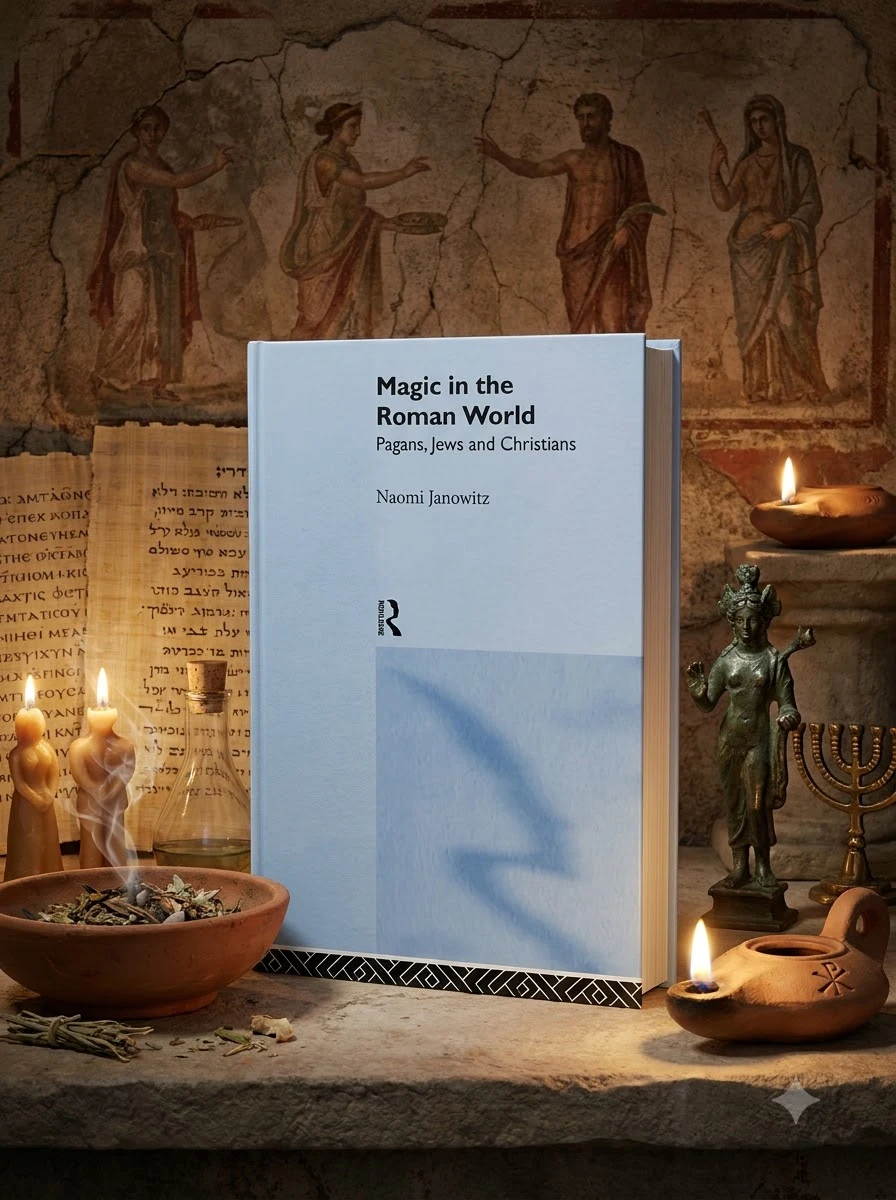


🏛 Books from this publisher Routledge
All books from this publisher →




You might also like
See more →






Have a question about this item?
Ask about the edition, condition, delivery or anything else — we reply by email or phone, usually within a day.
