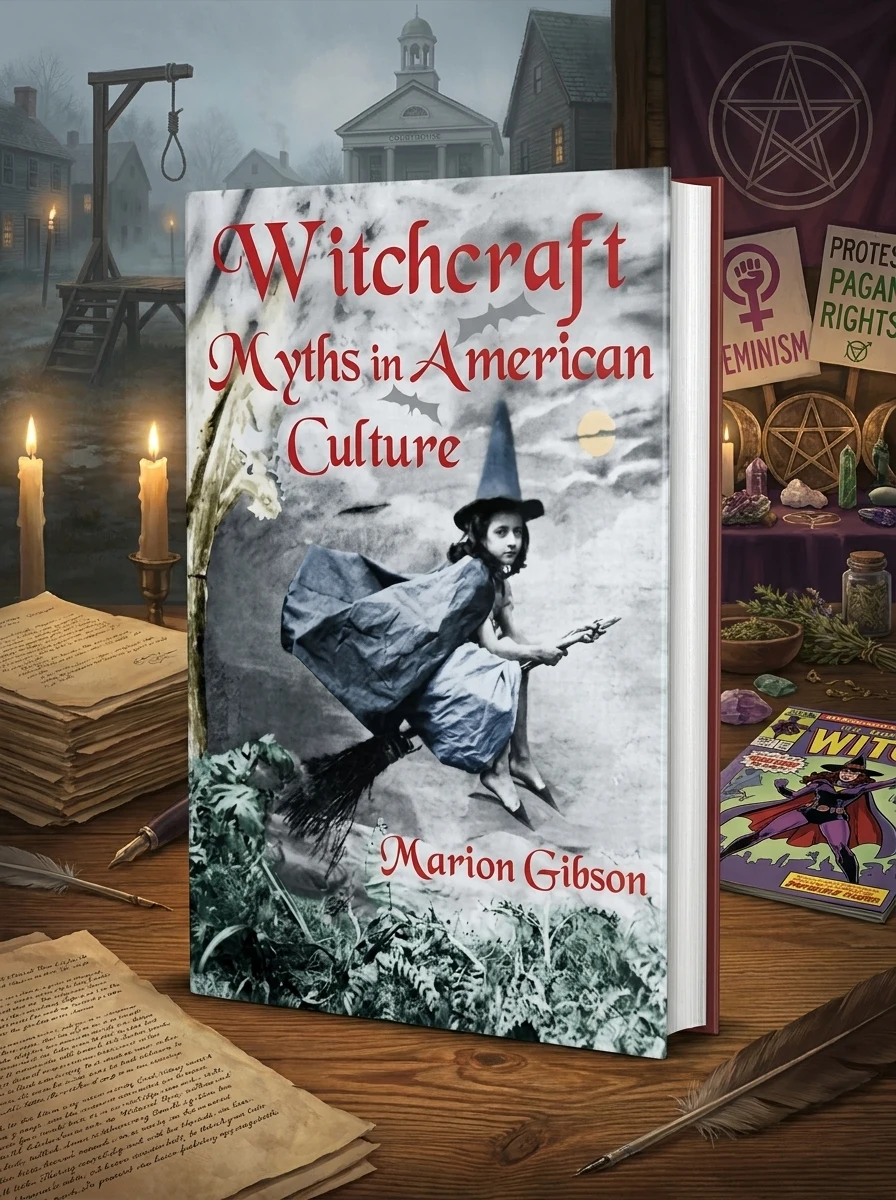
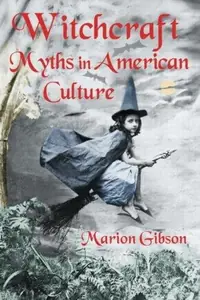
Witchcraft Myths in American Culture
Gibson, MarionStock reported in the catalog; fulfillment is confirmed with your request.
Uncover the enduring myths of American witchcraft, from colonial fear to modern empowerment.
Delve into the captivating evolution of American witchcraft, tracing its shifting image from chilling colonial accusations to vibrant contemporary forms as feminist symbols and pop culture icons. This insightful volume meticulously re-examines 17th-century trial records, revealing their often-unreliable foundations. It then powerfully illustrates how these narratives transmuted into pervasive myths shaping American society, literature, and visual media, referencing figures from Increase Mather to Buffy the Vampire Slayer.
This volume sits at the intersection of historical analysis and cultural studies, examining how witchcraft narratives have evolved within the American socio-political landscape. It bridges the gap between archival history and modern pop culture interpretation.


📝 Description: Witchcraft Myths in American Culture
💎 Expert review
📖 Why choose it
Why this book is worth reading
Readers fascinated by the intersection of history, gender studies, and media representation will find this book deeply rewarding. It offers a compelling lens through which to view the transformation of witchcraft from a tool of colonial oppression to a symbol of modern feminist empowerment. By unpacking unreliable trial records and tracing their influence on literature and visual media, it provides essential context for understanding contemporary perceptions of magic. Those interested in how societal fears shape cultural icons, from historical figures like Increase Mather to modern pop culture staples, will gain a richer appreciation for the enduring power of these myths. It is an insightful journey for anyone seeking to understand the roots of current witchcraft trends.
⭐ Reader reviews
Reader rating
Gibson provides a rigorous examination of American witchcraft myths, effectively linking colonial fears to modern interpretations. However, readers seeking practical magical instruction or personal spiritual guidance will find this text lacking, as it focuses strictly on cultural and historical analysis rather than practice. Scholars of media studies and history will appreciate the detailed tracing of narrative transmutation, though those preferring narrative-driven biographies may find the academic tone dry. It is not a light read for casual enthusiasts but serves as a vital resource for understanding the sociological impact of witchcraft imagery in American society.
❓ Frequently asked questions
📖 Who should read this
If you're fascinated by the intersection of history, cultural memory, and enduring archetypes, this book is for you. Whether a student of American history, a modern pagan practitioner, or simply curious about the witch's evolving role in society, prepare for a truly thought-provoking journey.
🎯 Key themes and symbolism
Reinterpreting Colonial Witchcraft Trials
This book challenges conventional understandings of 17th-century American witch trials. By scrutinizing primary documents from 1640-1700, it uncovers inconsistencies and biases, urging readers to question the historical narratives we've long accepted. It’s a vital re-evaluation of foundational events, revealing the fragility of perceived historical truth.
Cultural Evolution of Witch Myths
Explore how initial historical accounts of witchcraft blossomed into enduring cultural myths. This work delves into the transmission of these narratives through literature, film, and art, showing how they've been continuously reshaped to reflect changing societal anxieties and aspirations, from Poe's tales to modern feminist interpretations.
The Modern Witch Archetype
Witness the dramatic transformation of the witch figure in American consciousness. From the feared, persecuted colonial individual, the witch evolves into a powerful, multifaceted archetype. This includes portrayals as pagan spiritual leaders, empowering feminist figures, and even beloved pop culture heroines, reflecting profound societal shifts in power and identity.
💬 Quotes from the book
“The true power of the colonial witch trials lies not in their factual accuracy, but in their enduring capacity to shape a national narrative of fear and otherness.”
“From the spectral Puritan accuser to the empowered Wiccan protagonist, the American witch serves as a fluid mirror reflecting our deepest cultural anxieties and aspirations.”
📜 Historical context
📚 Glossary
- Collective Memory
- Archetype
- Colonial Period
📔 Questions to reflect on
- How might our understanding of other historical 'villains' or 'heroes' change if we re-examined their primary source accounts with the same skepticism applied to witch trials?
- Consider a modern pop culture figure or movement that uses the witch archetype. What societal values or fears does this representation embody or challenge?
- In what ways do you see historical memory being actively shaped or reshaped in contemporary discourse, and what role does collective myth-making play?
✍️ More books by this author Gibson, Marion
All books by this author →
 89
89
 89
89

🏛 Books from this publisher Routledge
All books from this publisher →


 89
89

You might also like
See more →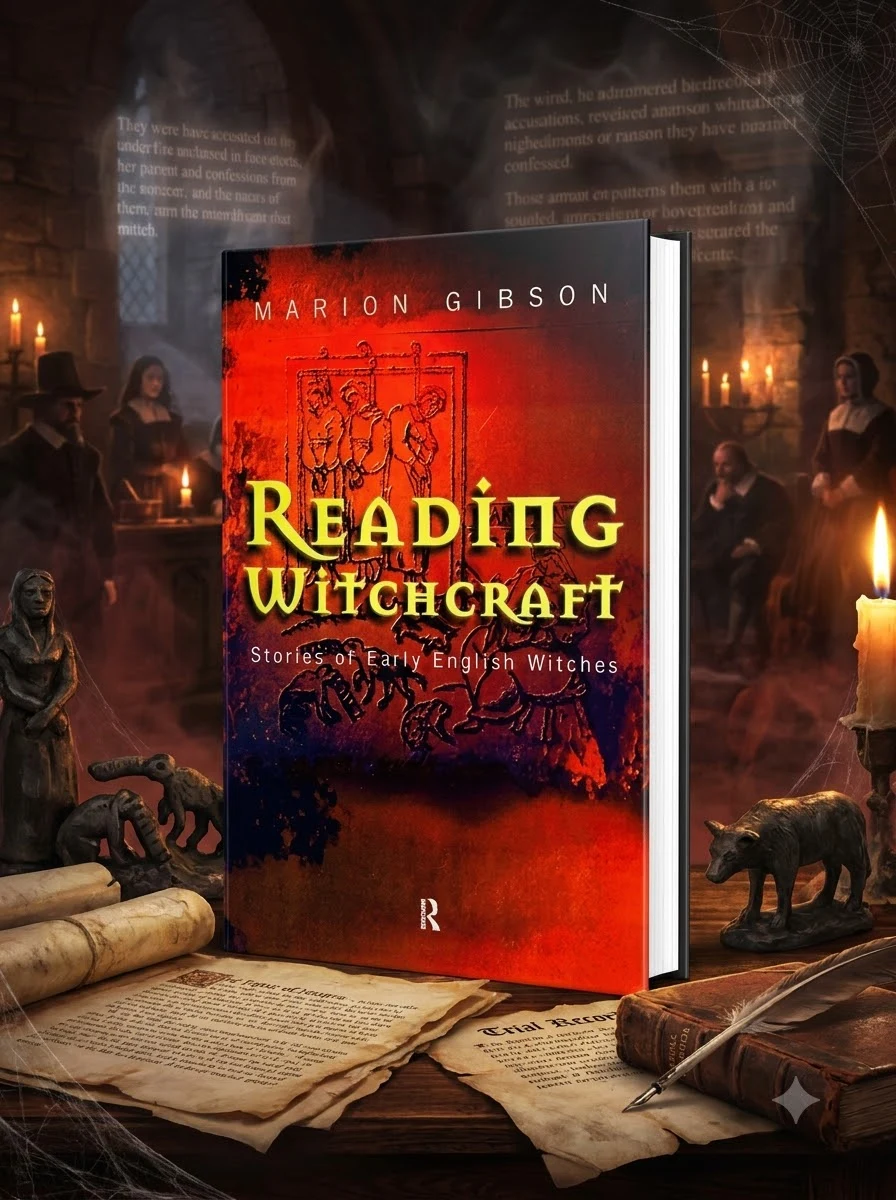
 89
89
 88
88
 84
84
 81
81