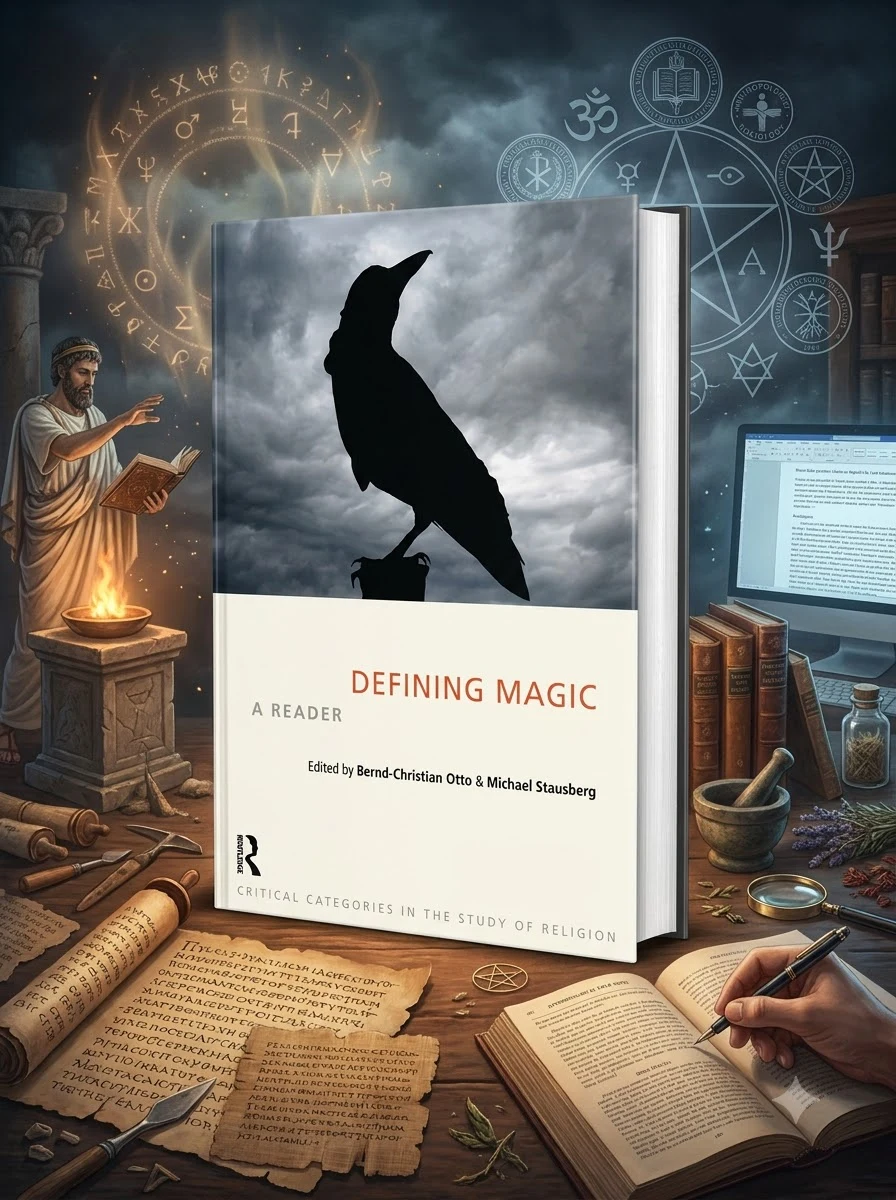
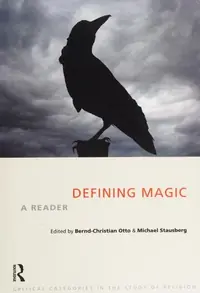
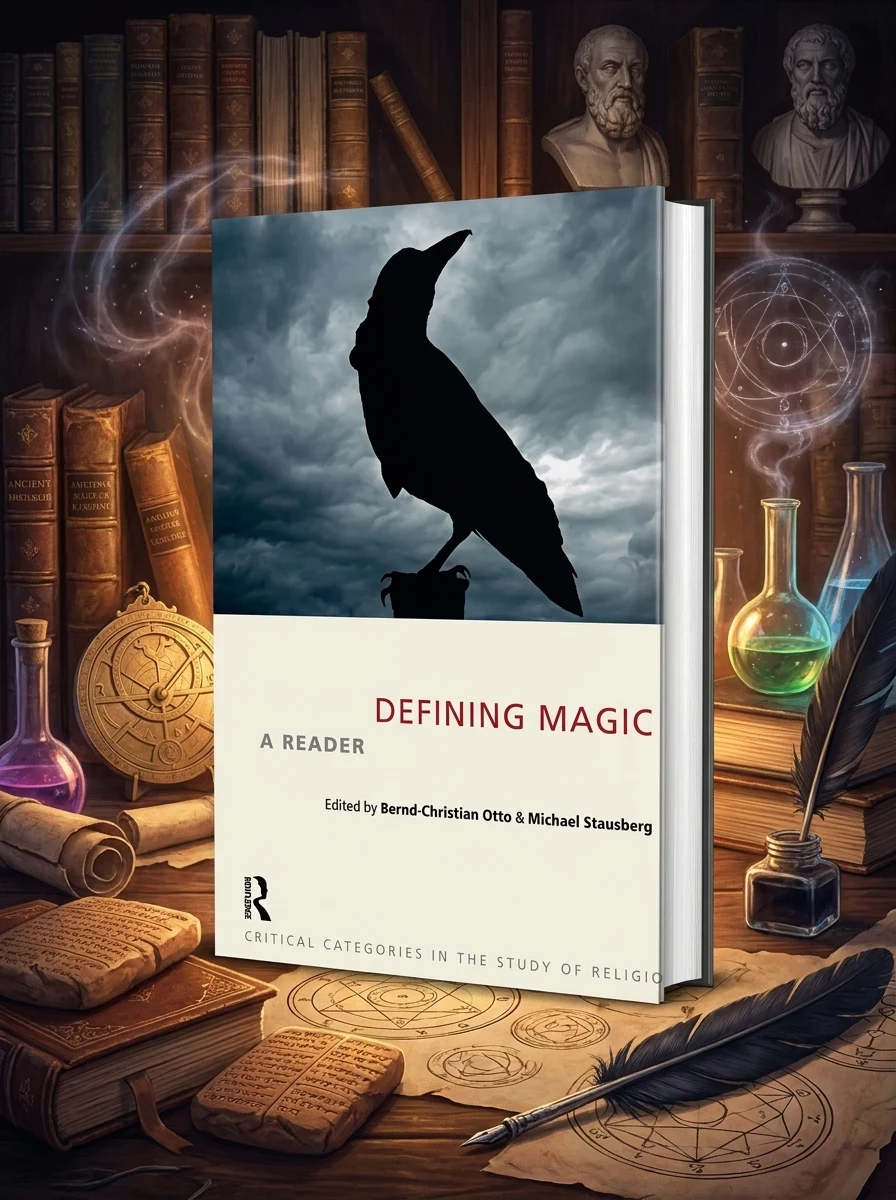
Defining Magic: A Reader Otto, Bernd-Christian
Stock reported in the catalog; fulfillment is confirmed with your request.
Unravel the enigma: how have thinkers throughout history attempted to define magic?
This essential anthology, compiled by Bernd-Christian Otto and Michael Stausberg, explores the enduring challenge of conceptualizing magic across millennia. It gathers pivotal philosophical, theological, and anthropological writings, presenting a chronological journey from ancient thought to contemporary academic inquiry. Each carefully chosen piece grapples with magic's essence, its practical applications, and its societal role. Designed for serious students and curious scholars alike, the collection offers insightful introductions to every text, illuminating the diverse intellectual landscapes that have shaped our understanding of this potent concept.
This anthology sits at the intersection of academic religious studies and esoteric history, bridging ancient philosophical inquiries with contemporary anthropological frameworks. It serves as a critical scholarly resource for understanding the intellectual evolution of magic as a conceptual category.


📝 Description: Defining Magic: A Reader Otto, Bernd-Christian
💎 Expert review
📖 Why choose it
Why this book is worth reading
Serious students and curious scholars will find immense value in this essential anthology, which tackles the enduring difficulty of defining magic across millennia. Compiled by Bernd-Christian Otto and Michael Stausberg, the collection offers a chronological journey through pivotal philosophical, theological, and anthropological writings. Each text is accompanied by insightful introductions that illuminate diverse intellectual landscapes. This book is ideal for those seeking to understand how thinkers have grappled with magic's essence, its practical applications, and its societal role over time. It provides a rigorous foundation for anyone interested in the academic lineage of esoteric thought.
⭐ Reader reviews
Reader rating
This volume is a formidable academic tool rather than a casual guide to occult practice. It rigorously examines the conceptualization of magic through historical and anthropological lenses, making it indispensable for scholars but potentially dry for practitioners seeking ritual instruction. Readers looking for practical spellwork or mystical experiences will likely find the dense theoretical analysis and chronological structure unengaging. It is strictly for those willing to engage with complex intellectual debates about the definition and societal role of magic. However, for those committed to understanding the scholarly discourse surrounding esotericism, it offers unparalleled depth and clarity regarding the evolution of these critical concepts.
❓ Frequently asked questions
📖 Who should read this
If you're a student of comparative religion, anthropology, or the history of ideas, eager to understand how "magic" has been conceptualized through time, this compendium is indispensable. It's also perfect for serious practitioners or enthusiasts seeking a deeper, academic grasp of the foundational theories surrounding magical practice.
🎯 Key themes and symbolism
Historical Evolution of Magic
The book meticulously traces how perceptions and definitions of magic have transformed from classical antiquity through the medieval period, the Enlightenment, and into modern scholarship. It highlights shifts in understanding, from divine intervention to superstitious practice, and finally to a subject of academic study across various disciplines.
Disciplinary Approaches to Magic
This collection showcases how diverse fields—including philosophy, theology, religious studies, anthropology, and sociology—have grappled with magic. It presents a rich tapestry of perspectives, illustrating the varied methodologies and theoretical frameworks employed to categorize, analyze, and interpret magical phenomena within different intellectual traditions.
The Problem of Definition
At its core, the volume confronts the inherent difficulty in establishing a universal, consistent definition for "magic." It reveals how different thinkers, often influenced by their cultural and intellectual contexts, have sought to delineate magic from religion, science, or mere illusion, exposing the contested and fluid nature of the term itself.
💬 Quotes from the book
“The persistent elusiveness of a singular, universal definition for magic speaks volumes about its protean nature and its resistance to easy categorization across cultures and epochs.”
“From Plato's philosophical inquiries to Durkheim's sociological analyses, each era has wrestled with delineating magic from its perceived counterparts, be it religion, science, or superstition.”
📜 Historical context
📚 Glossary
- Animism
- Sympathetic Magic
- Emic vs. Etic
📔 Questions to reflect on
- How does your personal understanding of "magic" align with or diverge from the academic perspectives presented in this anthology?
- Choose two authors from different historical periods in the book. How do their definitions of magic reflect the dominant intellectual currents of their respective eras?
- In what ways do modern scientific or rationalist frameworks still struggle with phenomena often categorized as "magic," and what does this reveal about our contemporary worldview?
🏛 Books from this publisher Routledge
All books from this publisher →
 89
89
You might also like
See more → 91
91
 91
91
 88
88