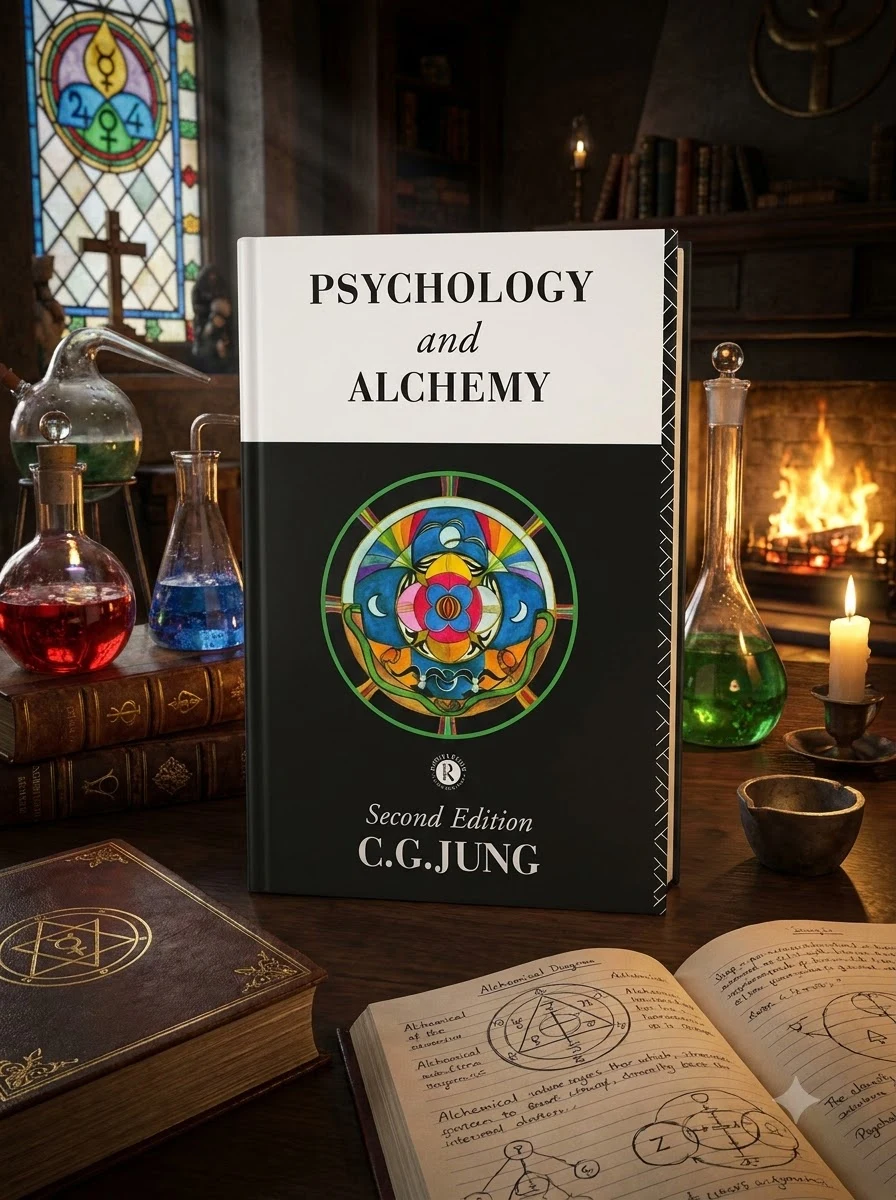
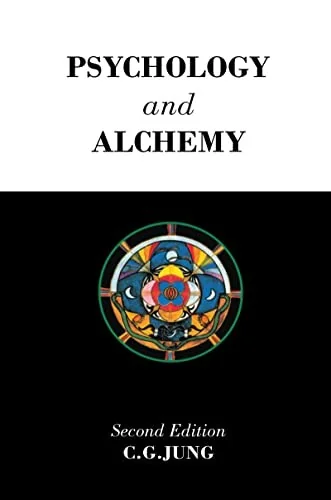
Psychology and Alchemy Jung, C G
Jung, C GStock reported in the catalog; fulfillment is confirmed with your request.
Jung unlocks the alchemical soul, revealing how ancient transmutation mirrors the psyche's journey to wholeness.
This seminal volume bridges the gap between medieval mysticism and modern depth psychology. Jung meticulously maps the parallels between the alchemist’s laboratory and the therapist’s couch, arguing that the quest for the Philosopher’s Stone is actually an externalized projection of internal psychic integration. By dissecting the dual nature of alchemy—its material experiments and spiritual symbolism—he demonstrates how these archaic images serve as vital maps for individuation. The text offers a profound look at how the transcendent psyche utilizes ancient symbols to guide the individual toward psychological completeness and self-realization.
This work stands as a pivotal bridge between medieval mysticism and modern depth psychology, reinterpreting ancient alchemical symbolism through the lens of contemporary psychoanalysis.


📝 Description: Psychology and Alchemy Jung, C G
💎 Expert review
📖 Why choose it
Why this book is worth reading
Readers seeking to understand the profound connection between ancient spiritual practices and modern psychological health will find this text invaluable. It is particularly suited for those interested in how internal psychic integration mirrors external historical quests. By viewing the Philosopher’s Stone not as a physical object but as a symbol of wholeness, Jung provides a unique framework for self-realization. This book empowers individuals to see their own struggles and growth through the lens of timeless archetypes, offering a roadmap for navigating the complexities of the human psyche with clarity and depth.
⭐ Reader reviews
Reader rating
As someone who reads a lot in this field, I can be picky. I found myself reading passages aloud just to sit with them. The language takes some getting used to, but it becomes part of the charm. A few pages arrived with light corner wear, though nothing serious. Still worth having on the shelf.
This has been on my wishlist for months. The print is clean and easy on the eyes for long sessions. It pairs well with more modern commentaries on the same tradition. Still worth having on the shelf.
Arrived faster than expected and well packaged. The text itself is dense but rewarding — you get out what you put in. Plenty of passages worth underlining; my copy is already full of margin notes.
First purchase from this shop. The language takes some getting used to, but it becomes part of the charm. The print is clean and easy on the eyes for long sessions.
This seminal volume offers a meticulous mapping of parallels between the alchemist’s laboratory and the therapist’s couch, arguing that ancient transmutation is an externalized projection of internal psychic integration. While intellectually rich, it may not suit readers seeking straightforward practical advice or those uncomfortable with dense theoretical frameworks. It demands patience from those who prefer empirical data over symbolic interpretation. However, for those willing to engage with its profound insights into the transcendent psyche, it remains an essential text for understanding how archaic images guide the individual toward psychological completeness and self-realization.
❓ Frequently asked questions
📖 Who should read this
Readers interested in Jungian analysis, the history of esoteric traditions, and those seeking to understand the symbolic language of their own dreams and subconscious patterns.
🎯 Key themes and symbolism
Individuation
Collective Unconscious
Psychic Transmutation
💬 Quotes from the book
“The alchemist was not merely a chemist; he was a priest of the inner fire, seeking to transform the lead of the soul into the gold of the spirit.”
“In the beginning was not the Word, but the Image, dark and potent, emerging from the depths of the collective unconscious.”
📜 Historical context
📚 Glossary
- Individuation
- Collective Unconscious
- Transcendent Function
📔 Questions to reflect on
- What recurring symbols in your dreams or fantasies resemble alchemical processes like purification or separation?
- How do you currently interpret the tension between your conscious desires and your unconscious impulses?
- In what ways do you see the 'shadow' aspect of your personality resisting transformation?
✍️ More books by this author Jung, C G
All books by this author →
 79
79
 88
88
 82
82
🏛 Books from this publisher Routledge
All books from this publisher →
 89
89
You might also like
See more →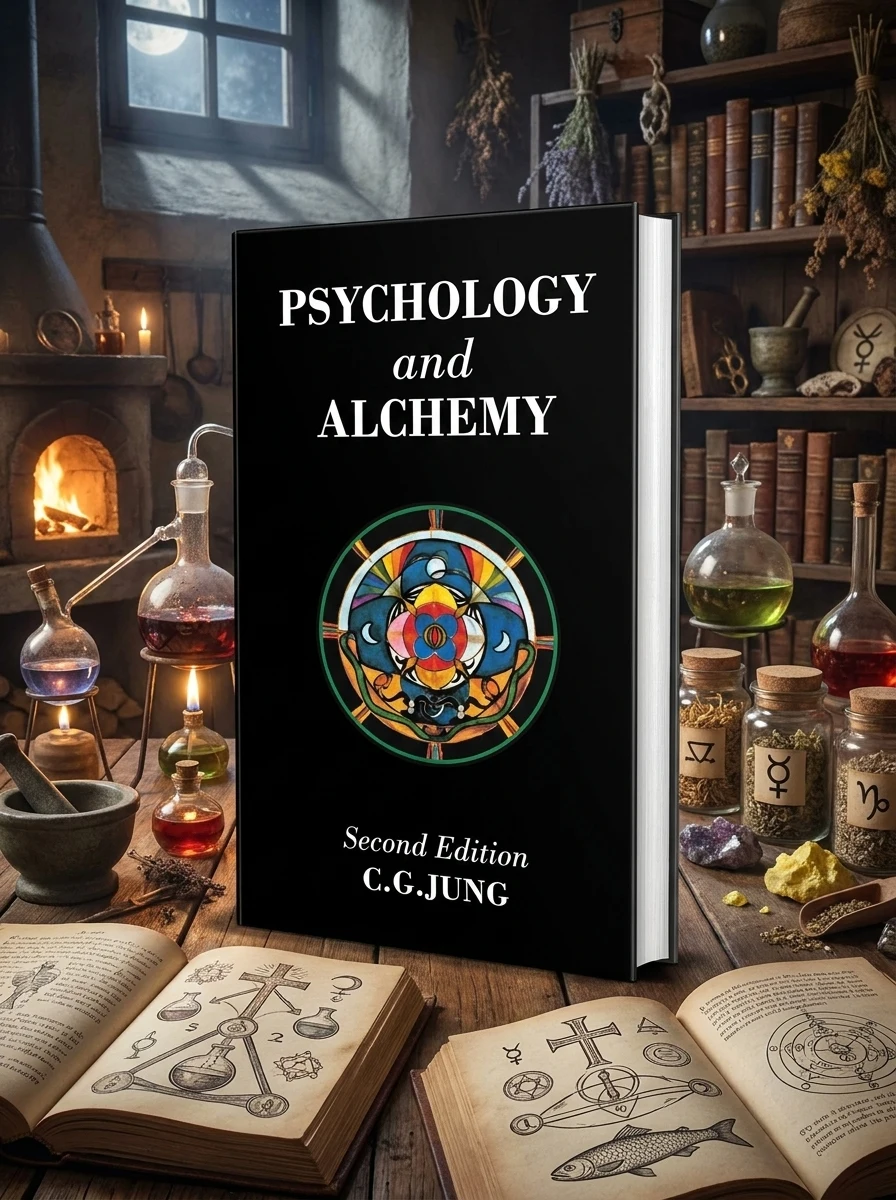 83
83
 79
79
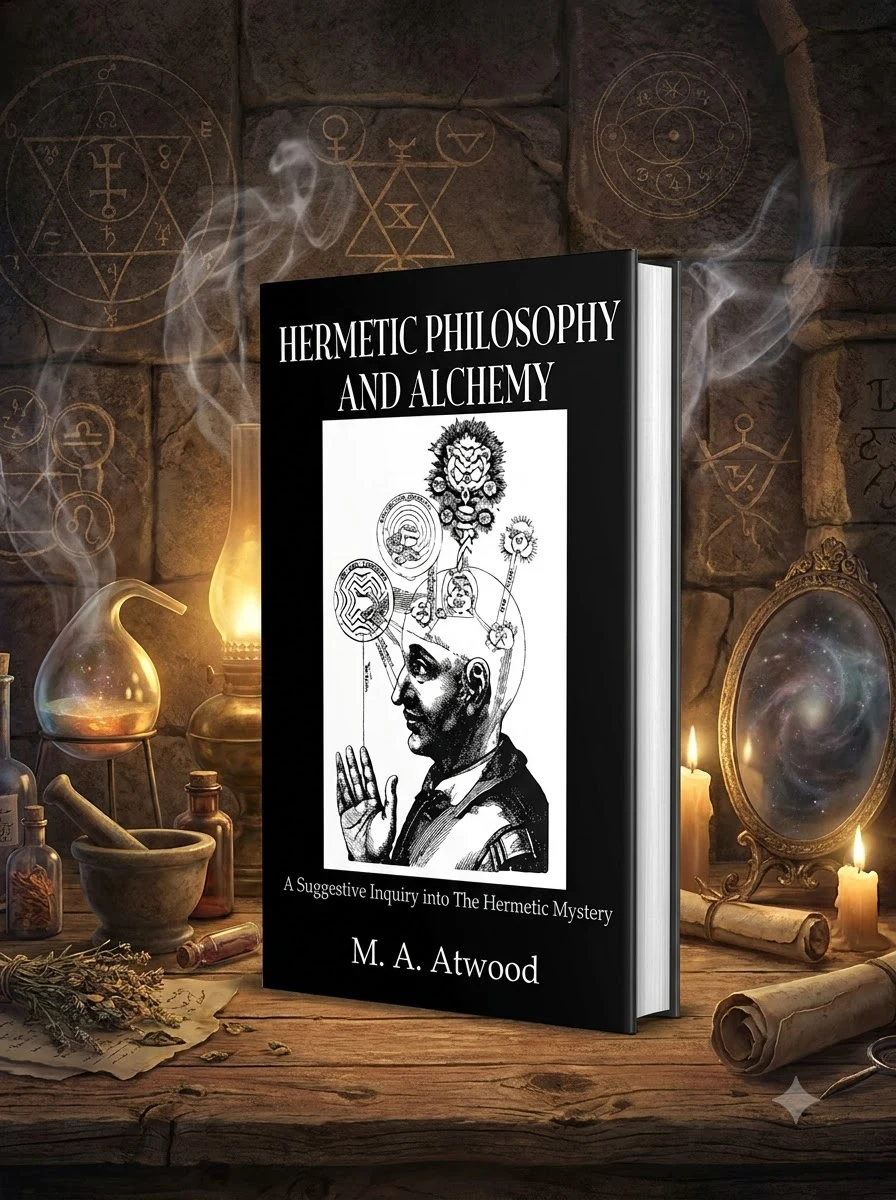
 91
91
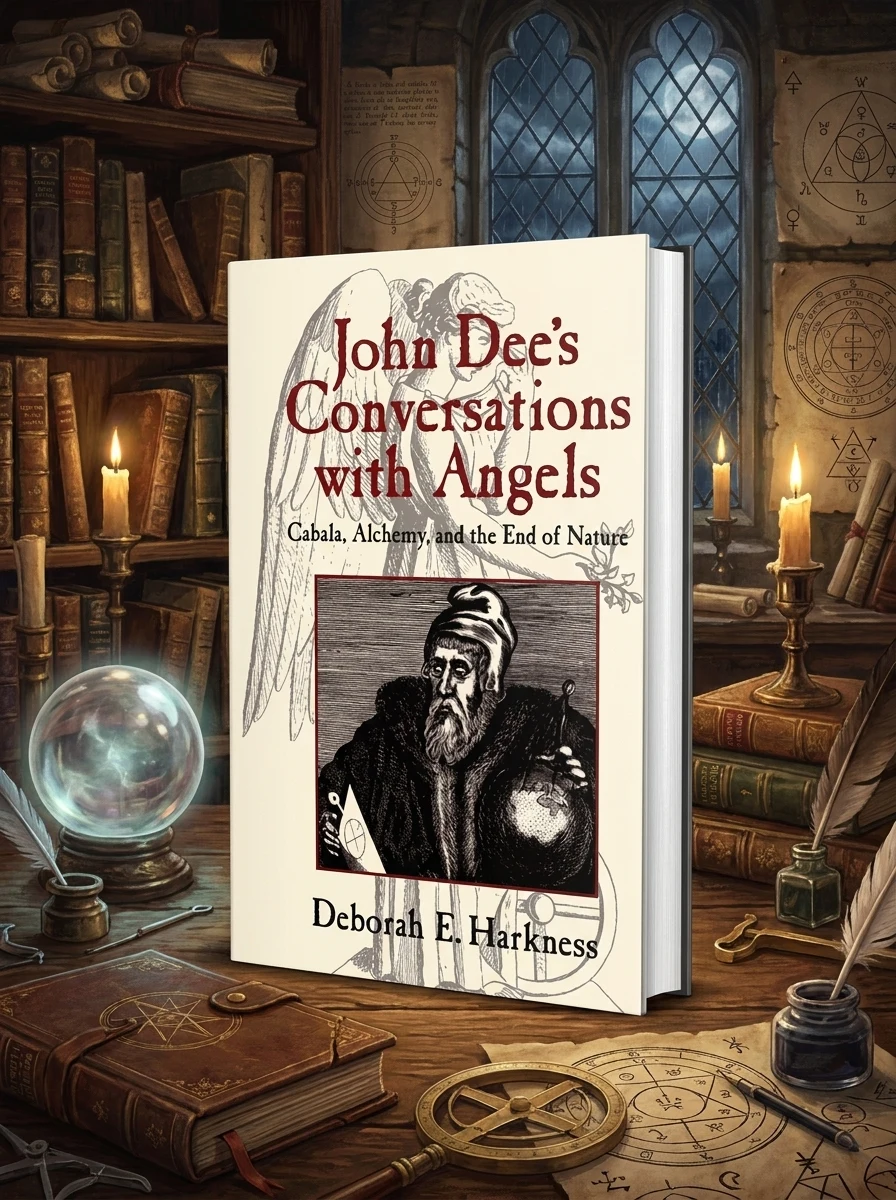
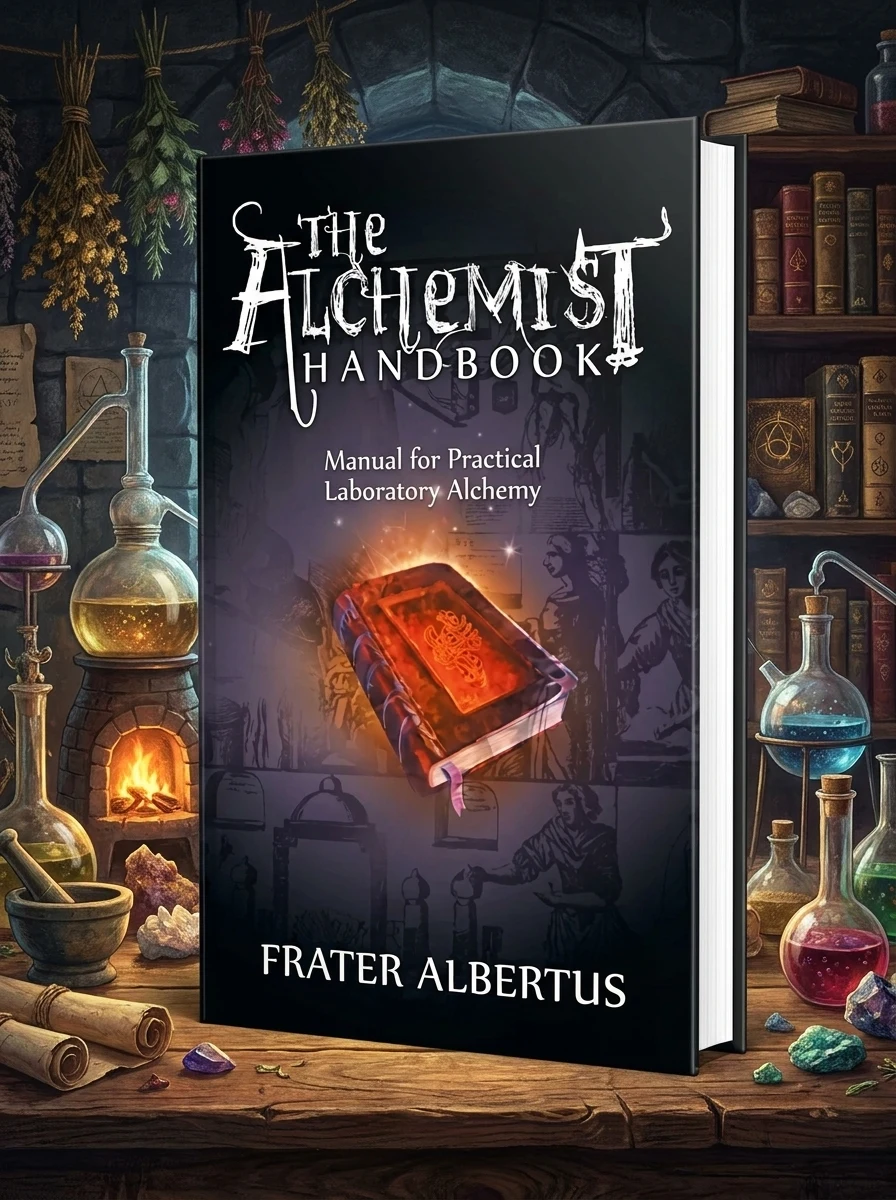
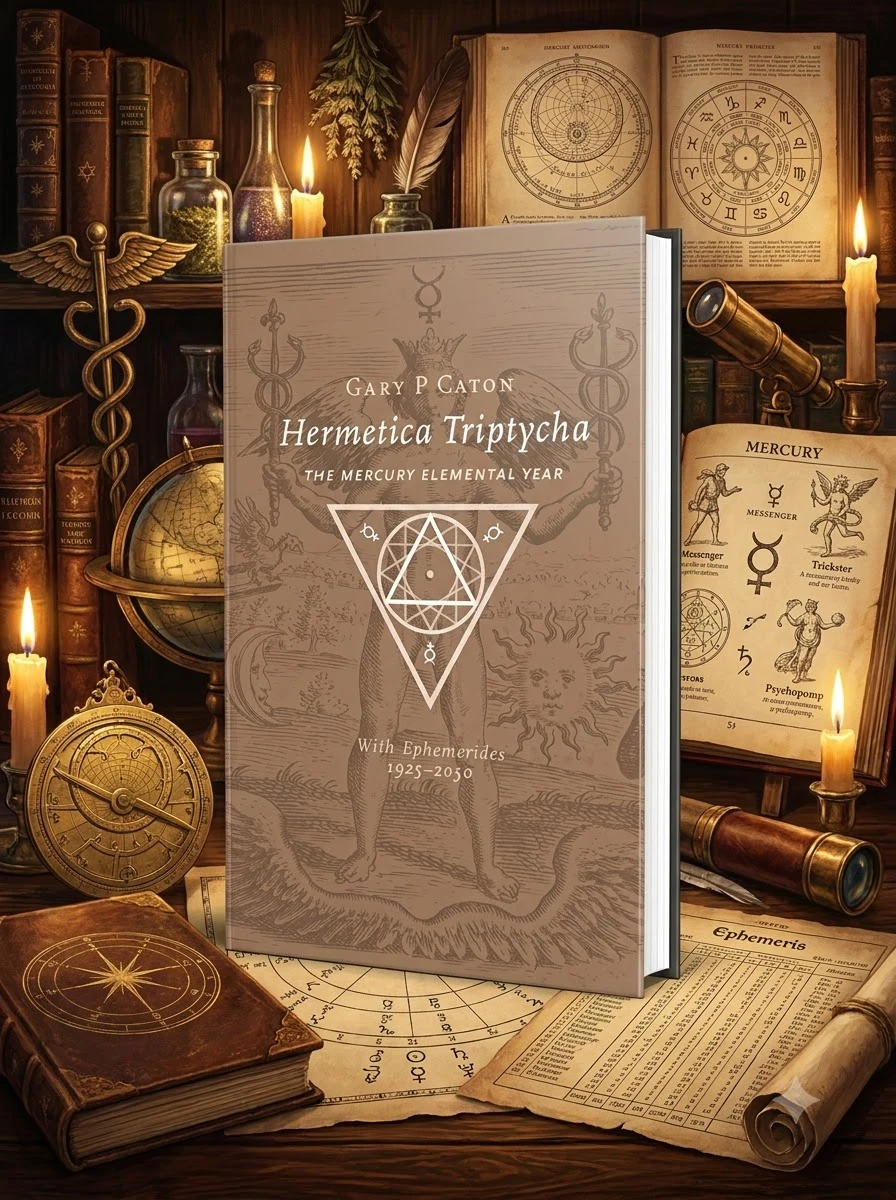
![How to Manifest: Bring Your Goals Into Alignment with the Alchemy of the Universe [A Manifestation Book]](/img/how-to-manifest-bring-your-goals-into-alignment-with-the-alchemy-of-the-universe-a-manifestation-book-scene.webp)
