Alchemy occupies a strange and vital place in Western esotericism. It is neither pure chemistry nor pure mysticism, but rather a discipline that treats the transformation of base metals into gold as a metaphor for—and sometimes a literal expression of—the transformation of human consciousness. For centuries, alchemists worked in hidden laboratories, encoded their knowledge in cryptic symbols, and passed their wisdom through oral tradition and carefully guarded manuscripts. Today, readers return to alchemy for many reasons: some seek to understand the hidden history of science, others are drawn to its spiritual dimensions, and still others wish to engage with its practical methods.
The problem is knowing where to begin. Alchemy texts range from dense theoretical treatises to hands-on manuals, from historical scholarship to esoteric philosophy. The books below represent different entry points and depths of study. Some are best read first to build context; others demand serious commitment and prior knowledge. This guide will help you choose the right starting point and understand how these works relate to one another.
Understanding Alchemy's Origins and Spiritual Roots
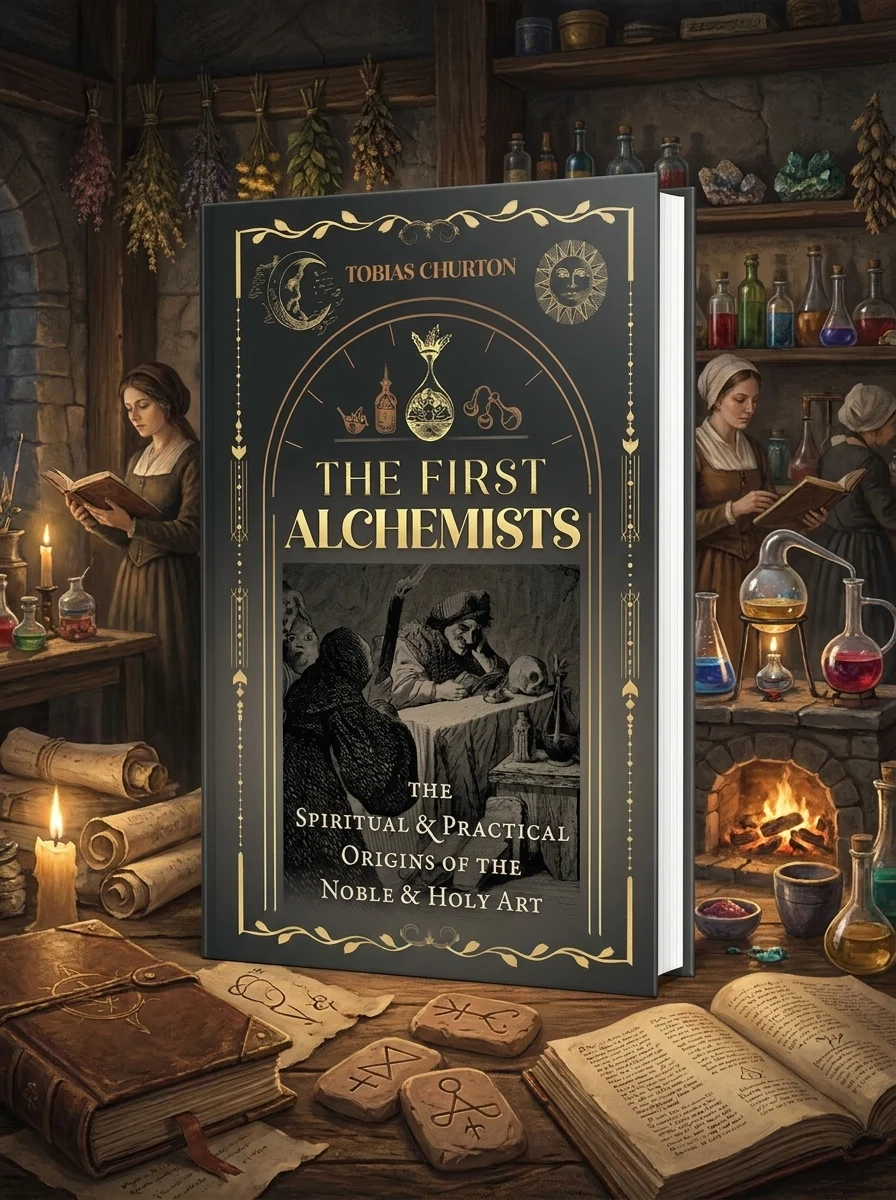
1. The First Alchemists: The Spiritual and Practical Origins of the Noble and Holy Art — Tobias Churton
If you want to know where alchemy actually came from—not the popular myths, but the real historical and spiritual lineage—Churton's work is the place to start. The First Alchemists traces the craft back to its roots in ancient Egypt, Hellenistic philosophy, and early Islamic scholarship, then follows it into medieval Europe. Churton is a serious historian, not a romantic, and he pays particular attention to the role of women in early alchemical traditions—a dimension almost entirely absent from popular accounts. This book sits under $25 and serves as essential context before diving into either the theory or the practice. It answers the fundamental question: why did intelligent people spend lifetimes trying to transmute lead into gold?
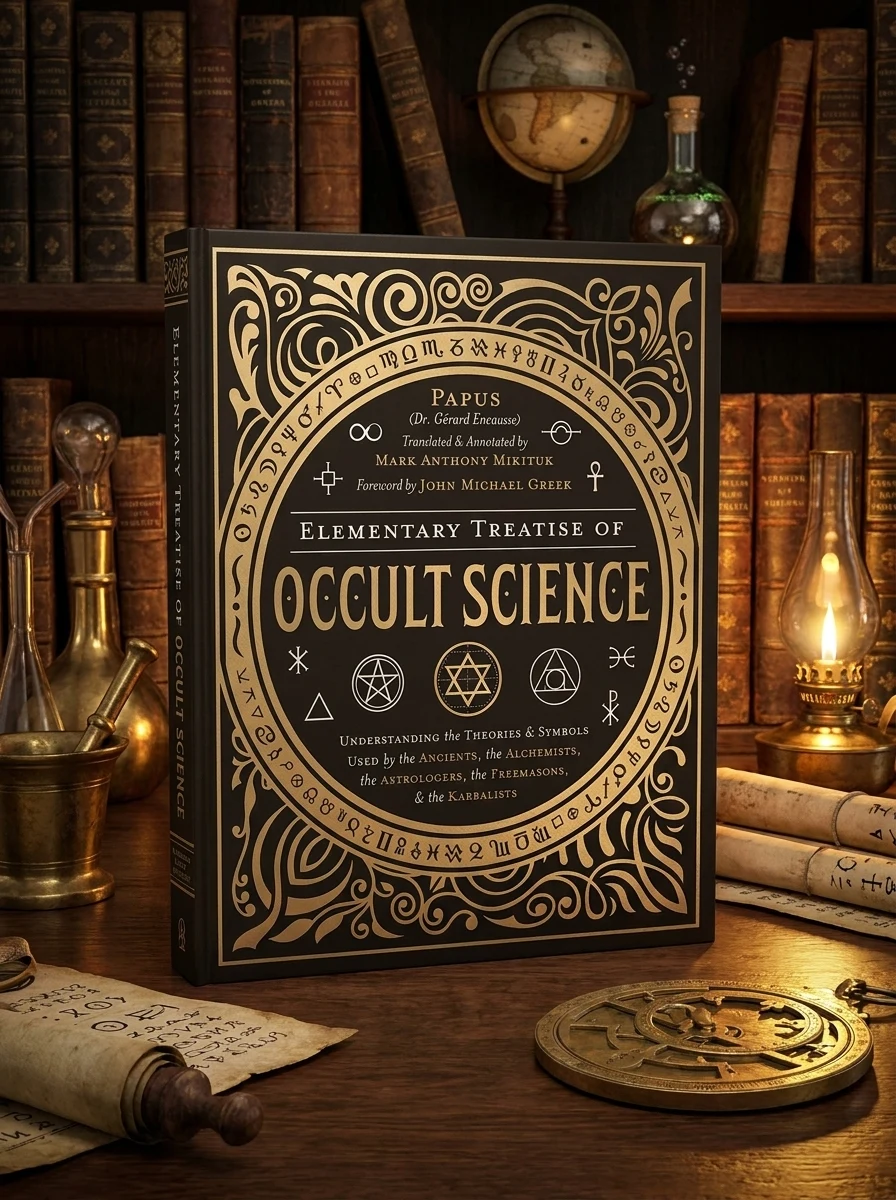
2. Elementary Treatise of Occult Science: Understanding the Theories and Symbols Used by the Ancients, the Alchemists, the Astrologers, the Freemasons & — Papus (translated by Mark Anthony Mikituk and John Michael Greer)
Papus (Gérard Encausse) was a French occultist of the late 19th century who synthesized centuries of esoteric teaching into a coherent system. Elementary Treatise of Occult Science is not elementary in the modern sense—it is foundational and rigorous. The book explains the symbolic language that alchemists, astrologers, and Freemasons all shared: the four elements, the seven planetary metals, the hermetic principles. If you want to read an alchemical text and actually understand what the symbols mean, you need this book first. It is priced in the $50 range but is worth the investment for anyone serious about occult sciences. Without this symbolic vocabulary, even the clearest alchemical writing remains opaque.
Alchemy in Historical and Intellectual Context
3. The Dark Side of the Enlightenment: Wizards, Alchemists, and Spiritual Seekers in the Age of Reason — John V. Fleming
This book answers a paradox: how did alchemy and magic survive and even flourish during the Enlightenment, the age supposedly devoted to reason and science? Fleming's Dark Side of the Enlightenment reveals that many of the era's greatest minds—scientists, philosophers, aristocrats—were active practitioners and patrons of alchemy. The book is accessible, well-researched, and under $25. It is ideal if you want to understand alchemy not as a relic of the past but as a living intellectual tradition that shaped modernity in ways we rarely acknowledge. This perspective fundamentally changes how you read both historical and contemporary esoteric texts.
4. The Golden Builders: Alchemists, Rosicrucians, First Freemasons (Revised) — Tobias Churton
Churton returns here to explore the connections between alchemy, Rosicrucianism, and early Freemasonry. The Golden Builders shows how alchemical philosophy became embedded in the ritual and symbolism of secret societies. This is essential reading if you want to understand why alchemical imagery appears in Masonic lodges and why so many esoteric organizations claim descent from alchemical lineages. At under $20, it is an affordable companion to his first book and deepens the picture considerably. The two Churton volumes together provide a comprehensive historical arc from alchemy's origins through its institutionalization in Western esoteric movements.
Practical Alchemy and Laboratory Work
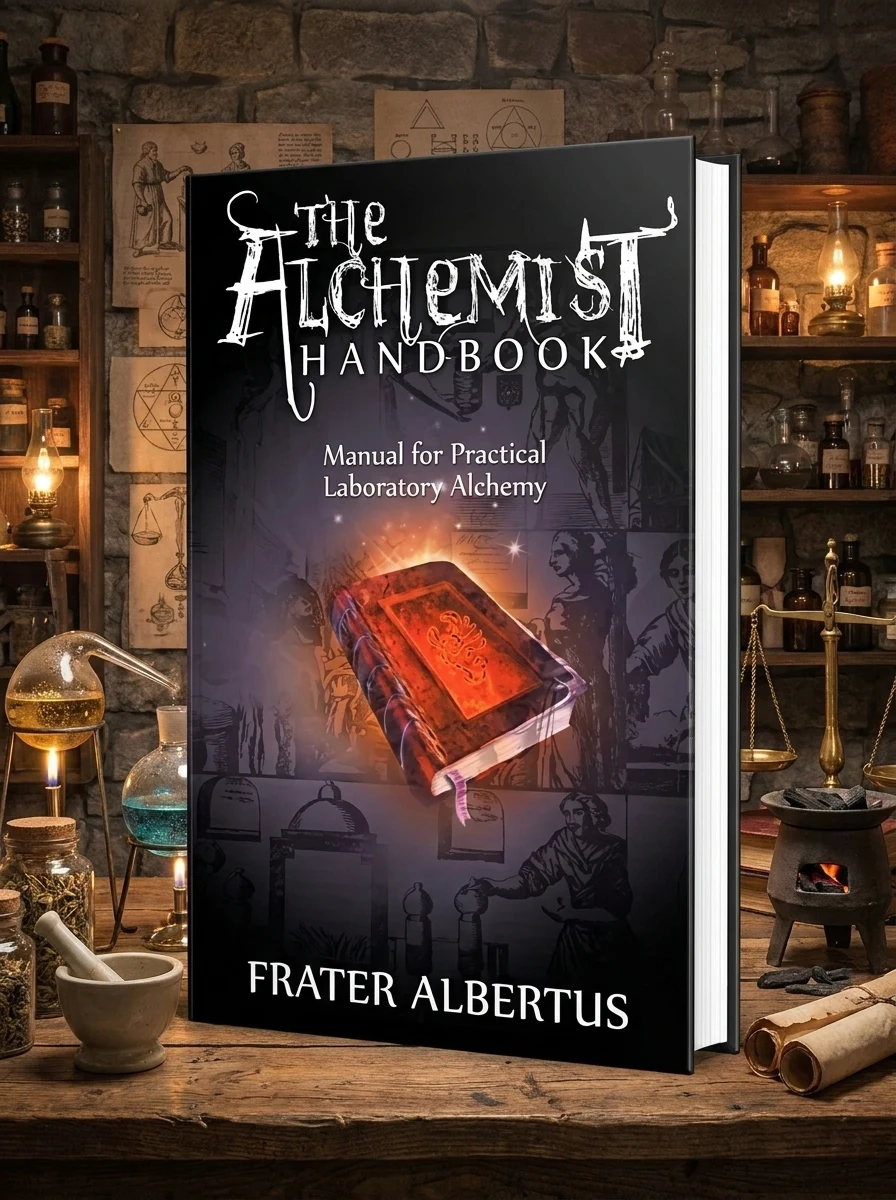
5. The Alchemists Handbook: Manual for Practical Laboratory Alchemy — Frater Albertus
This is the book for those ready to move from theory to practice. The Alchemists Handbook by Frater Albertus is a genuine manual—it describes actual laboratory procedures, the preparation of materials, the distillation of essences, and the creation of alchemical medicines. It is not a beginner's book. The author assumes you have already studied the theory, understand the symbolism, and are prepared for years of dedicated work. The handbook is available in a more affordable edition under $15, though both versions contain the same essential material. If you reach this point in your study, you are committing to alchemy as a lifelong practice, not a casual interest. Albertus does not romanticize the work; he describes it as it is—demanding, precise, and transformative.
6. The Alchemists Handbook: Manual for Practical Laboratory Alchemy (Extended Edition) — Frater Albertus
For those seeking additional depth and comprehensive coverage, the extended edition of The Alchemists Handbook offers expanded material for the dedicated student. This version is suited for practitioners who have already begun their work and seek more detailed guidance on advanced procedures and theoretical foundations. The manual emphasizes that sincere commitment to arduous, lifelong study is required. This edition serves as a reference text for ongoing practice rather than an introductory volume.
Complementary Esoteric Foundations
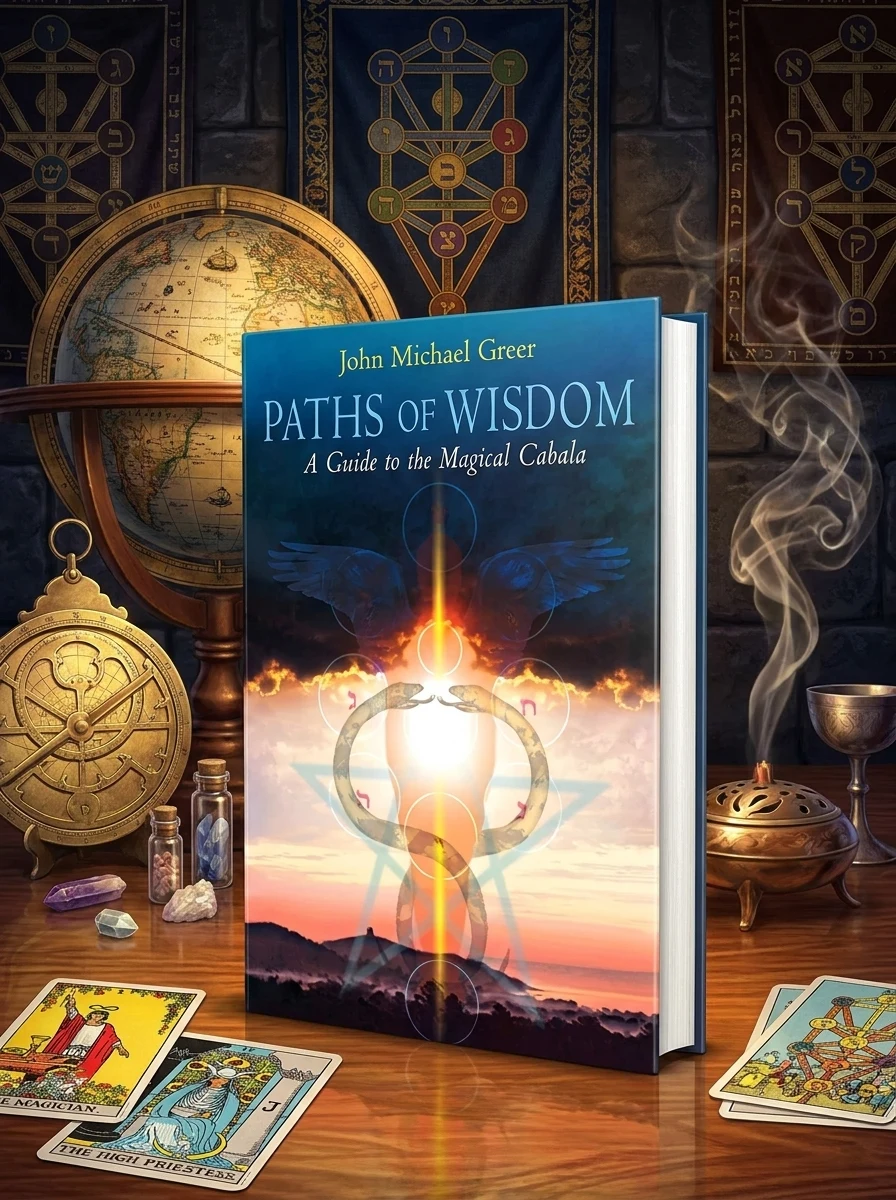
7. Paths of Wisdom — John Michael Greer
Paths of Wisdom by John Michael Greer provides a practical, experiential approach to ancient wisdom traditions. At $25, this book complements the alchemical texts by offering a broader framework for understanding how alchemy fits within Western esoteric practice. Greer's work is ideal for those who want to situate alchemical study within a larger context of hermetic and mystical traditions. The book moves beyond academic study into actual practice and experience.
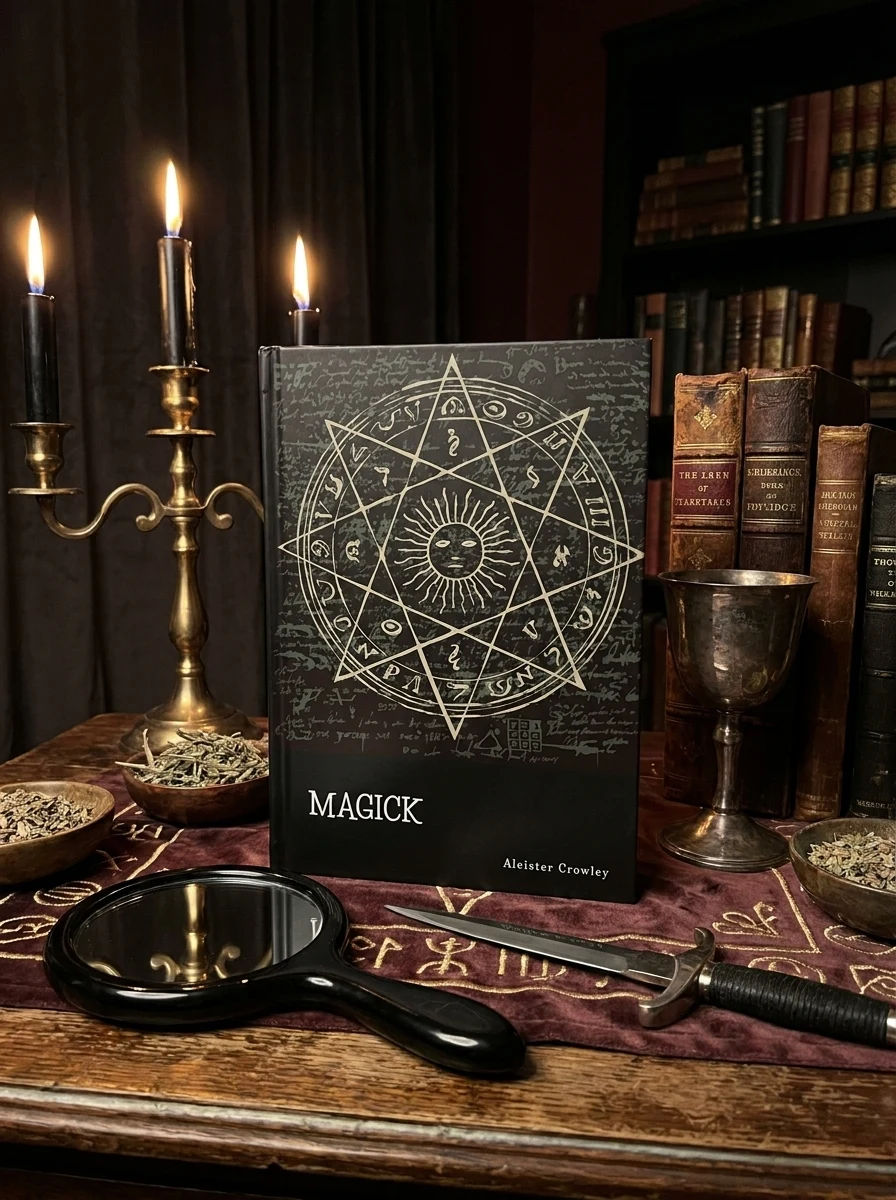
8. Magick — Aleister Crowley
Magick by Aleister Crowley, priced at $12, offers a systematic exploration of esoteric practice that intersects with alchemical philosophy. Crowley's work is particularly valuable for understanding how magic and alchemy relate as complementary practices within Western esotericism. This text is suited for serious students who want to understand the broader ceremonial and practical contexts in which alchemy operates.
Historical and Scholarly Perspectives
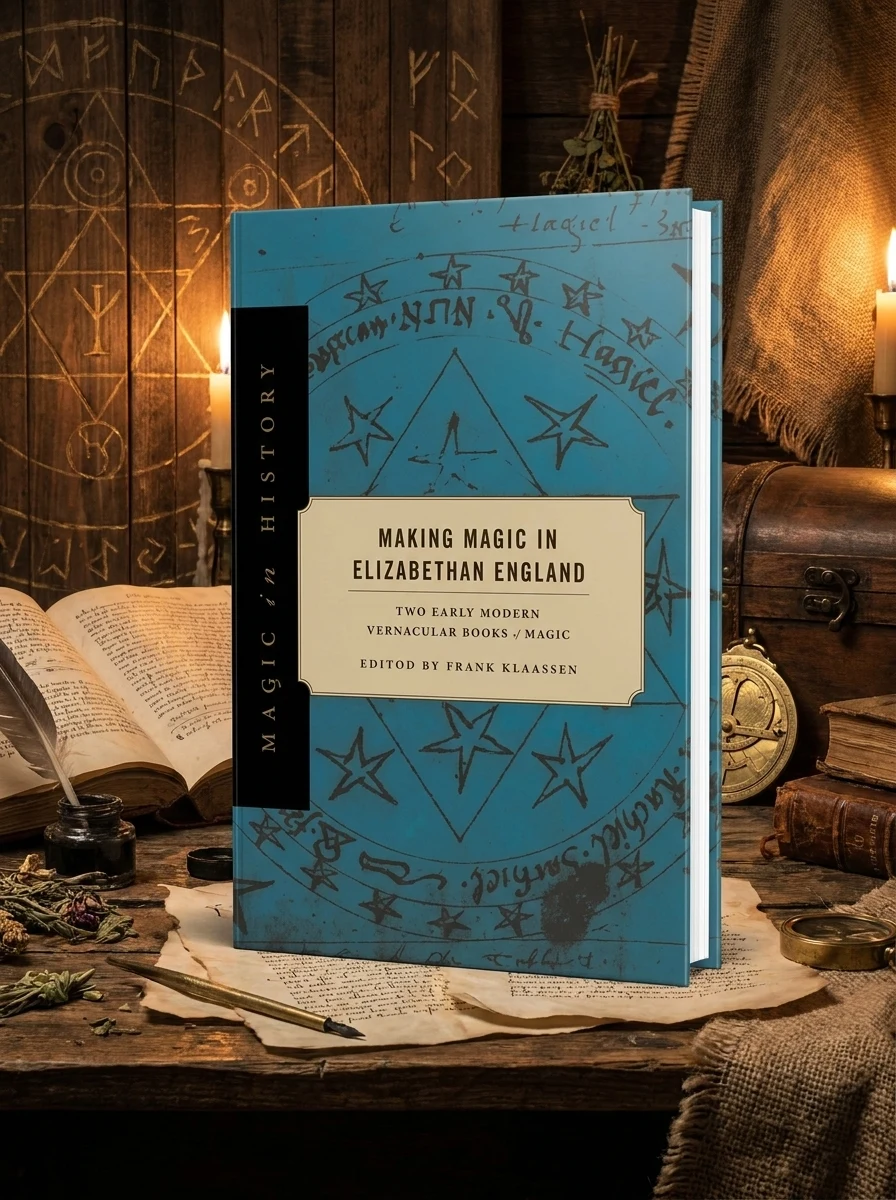
9. Making Magic in Elizabethan England: Two Early Modern Vernacular Books of Magic — Frank Klaassen
Making Magic in Elizabethan England by Frank Klaassen provides scholarly insight into how alchemy and magic were actually practiced in Renaissance Europe. At $23, this book offers primary source material and rigorous historical analysis. It is invaluable for anyone who wants to understand the lived reality of alchemical practice rather than idealized accounts. Klaassen's work grounds alchemy in its actual historical context, showing how practitioners worked, what they believed, and how they transmitted knowledge.
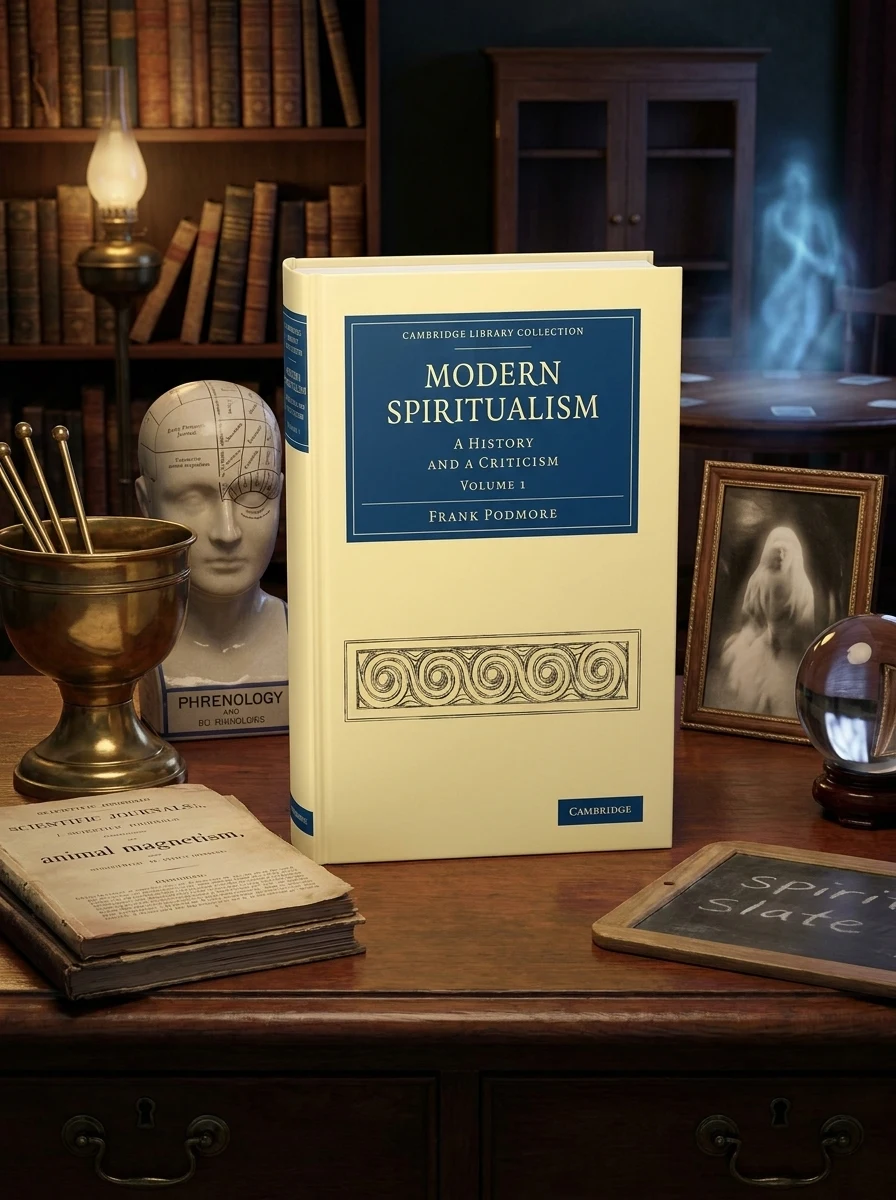
10. Modern Spiritualism - Volume 1 — Frank Podmore
Modern Spiritualism - Volume 1 by Frank Podmore, at $47, traces the genealogy of modern esoteric movements back through their alchemical and occult roots. This historical work shows how 19th-century spiritualism drew on centuries of alchemical and hermetic tradition. For those interested in how alchemy influenced later esoteric movements, Podmore's thorough scholarship is essential.
Choosing Your Path Through Alchemy
The order in which you read these books matters. Most readers should begin with either Churton's First Alchemists or Fleming's Dark Side of the Enlightenment, depending on whether you are more drawn to the spiritual and historical roots or to the intellectual history. Both are accessible and under $25.
Once you have that foundation, Papus's Elementary Treatise becomes invaluable. It is denser and more technical, but it gives you the symbolic vocabulary you need to read anything else. Think of it as the Rosetta Stone of esoteric study. Without this symbolic framework, even well-written alchemical texts remain difficult to penetrate.
Churton's Golden Builders works well as a third book, showing you how alchemical ideas moved into organized esoteric movements. By this point, you will have a coherent picture of alchemy as both a historical phenomenon and a living tradition. Greer's Paths of Wisdom and Klaassen's Making Magic in Elizabethan England can be read in either order, depending on whether you prefer systematic practice or historical detail.
Only after this preparation should you approach Albertus's Handbook. This is not a book to read casually or out of curiosity. It is a commitment. If you do reach it, you will find it invaluable—a genuine guide to the work itself, written by someone who has done it. The extended edition offers additional material for those who continue their practice over years.
Alchemy is not a quick study. It requires patience, intellectual rigor, and genuine interest in both the spiritual and material dimensions of transformation. But for those who engage with it seriously, these books provide a complete education in one of the West's most profound and misunderstood traditions.