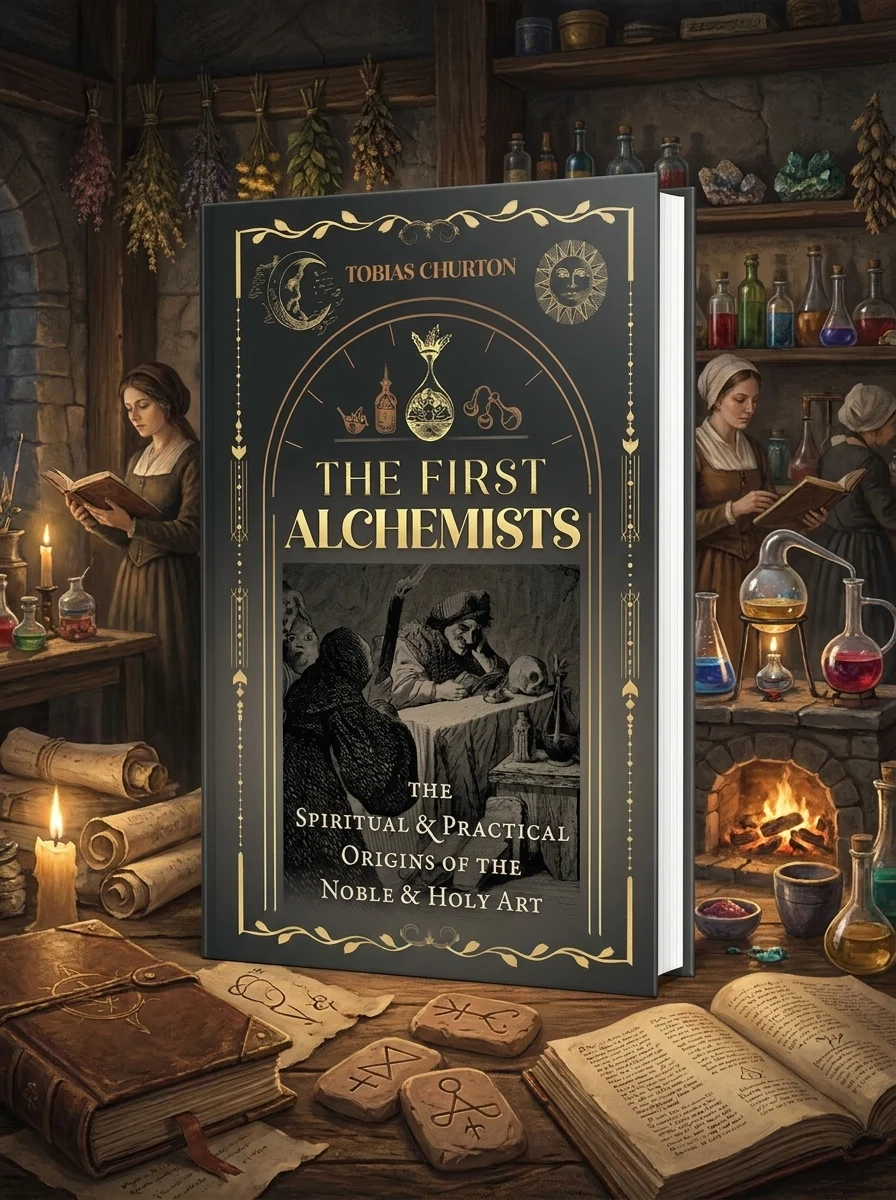
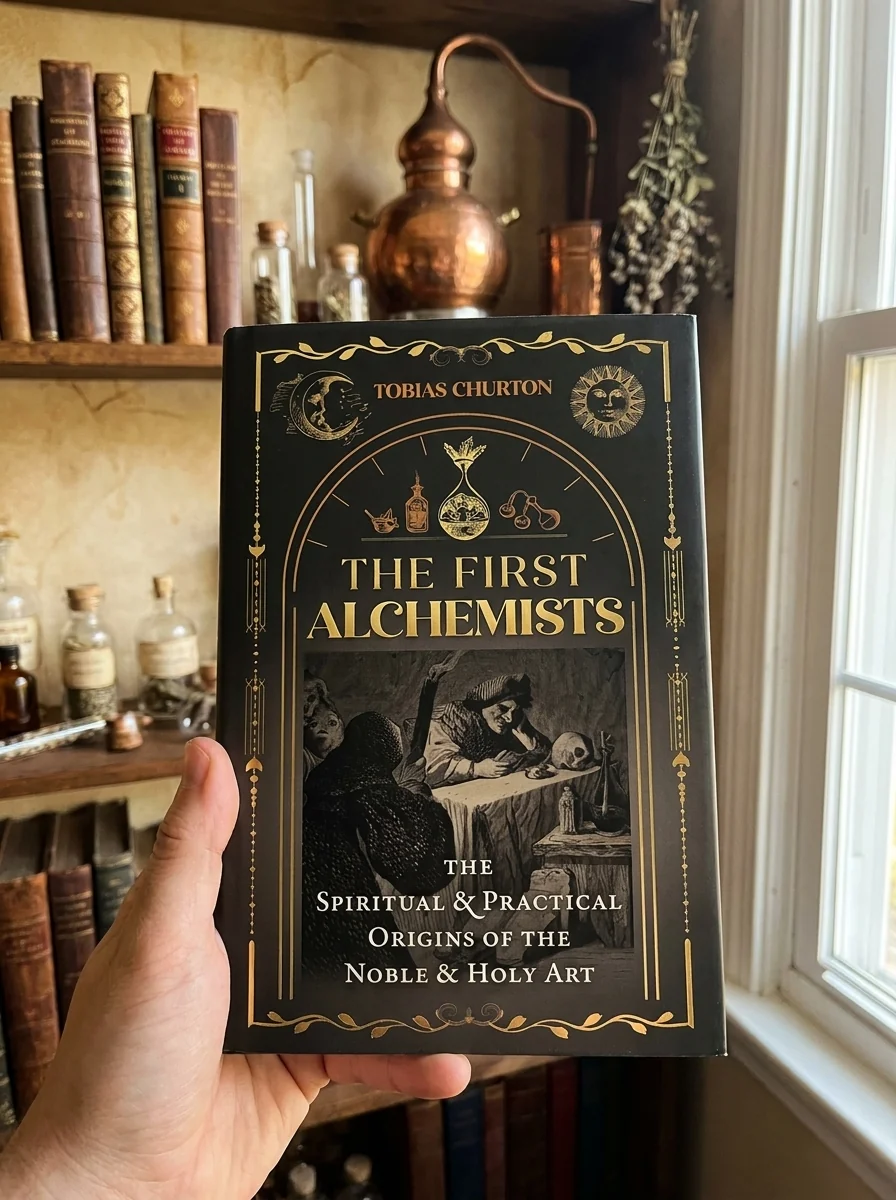
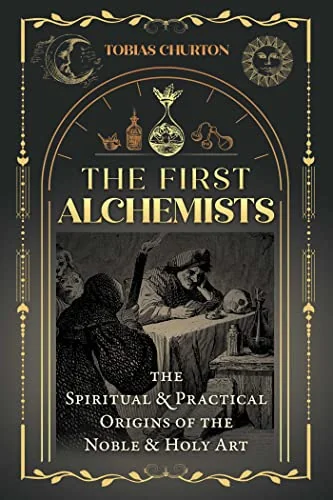
The First Alchemists: The Spiritual and Practical Origins of the Noble and Holy Art
✍️ Churton, TobiasTobias Churton's profound work delves into the foundational period of alchemy, meticulously examining the earliest surviving texts to illuminate the original intentions behind the "Royal Art." This book challenges common perceptions by highlighting the significant, often dominant, role women played in alchemy's development, featuring figures like Maria the Prophetess and Cleopatra. Beyond the fabled Philosopher's Stone, Churton explores the intricate historical context, detailing the apparatus, recipes, and chemical processes of these early practitioners. He proposes that initial alchemical pursuits prioritized profound material transformations, particularly color changes, over the later obsession with transmuting base metals into gold, reshaping our understanding of its legacy.


Praise for this book
“In this remarkable and necessary work on early alchemy, Churton outlines a program of research and experimentation into this rich but mostly unexplored area of Greco-Egyptian alchemical philosophies and practices. The depth and range of the material are breathtaking, and it is very satisfying to see the topic of glass addressed so thoroughly. I strongly recommend studying and working with The First Alchemists and going deeper, letting Tobias Churton light the way.”
📝 Description: The First Alchemists: The Spiritual and Practical Origins of the Noble and Holy Art
📑 What's inside
- FOREWORD
- by Frank van Lamoen
- Introduction
- ONE
- Ancient Recipes for Gold-- and Other Things
- Discoveries at Thebes
- A Theban Magical Library?
- The Leiden Papyrus
- Papyrus V
- Papyrus W
- Papyrus X
- The Stockholm Papyrus
- Pseudo-Democritus
- TWOThe Origins of Alchemy in Roman Egypt
- Akkadian Origin of Chēmeu?
- Heat and Glass
- THREE
- The Pioneers of Graeco-Egyptian- Jewish Alchemy
- Cleopatra
- Jewish Chemistry
- Mary the "Prophetess"
- FOUR
- Zosimos
- I
- Clearing the Decks
- Was Zosimos an Egyptian Priest?
- FIVE
- Zosimos II
- Alchemical Yoga
- Practical Dreaming
- SIX
- Zosimos III
- From Omega to
- the Final Quittance
- On Destiny, Fate, Worldly Thought, and Noetic Understanding
- The First Book of Zosimos the Theban's Final Account
- SEVEN
- What Did the First Alchemists Do? Making Talismans?
- EIGHT
- How Did They Do It?
- Sulfur Water; Divine Water
- Apparatus
- Putting the First Alchemists to the Test
- NINE
- Where Did They Do It?
- A Hermetic "Lodge"?
- A Guild for Theosebeia?
- Laboratories?
- TEN
- The Myth of Transmutation
- Philosophical Background
- The Stone
- The Tome of Images
- Myth and Reality
- ELEVEN Forbidden Knowledge
- TWELVE
- A Strange Relation
- Alchemy and Gnosis
- Mercury and Christ
- THIRTEEN Legacy
Showing the first 60 entries.
💎 Expert review
📖 Why choose it
Why this book is worth reading
Readers deeply interested in the spiritual dimensions of alchemy will find this book particularly rewarding, as it shifts the focus from mere metallurgy to profound inner and outer transformation. It is ideal for those who appreciate historical depth and wish to understand the original intentions behind the Royal Art. By highlighting the dominant role women played in its development, Churton offers a refreshing perspective that challenges traditional narratives. You will gain insight into the intricate apparatus and chemical processes of early practitioners, discovering how color changes were prioritized over gold transmutation. This book is essential for anyone seeking to uncover the forgotten beginnings of this noble art and appreciate its complex legacy beyond common misconceptions.
⭐ Reader reviews
Reader rating
Tobias Churton provides a meticulous examination of alchemy's earliest texts, effectively reshaping our understanding of its legacy by emphasizing material transformations over gold transmutation. The focus on female figures like Maria the Prophetess adds significant value to the historical record. However, readers seeking practical instructions for modern laboratory work or those expecting a purely mystical treatise devoid of historical context may find this volume dry or misleading. It is best suited for those willing to engage with dense historical analysis and academic rigor regarding the Royal Art's origins rather than casual enthusiasts looking for simple esoteric advice.
❓ Frequently asked questions
📖 Who should read this
If you're fascinated by the hidden origins of esoteric traditions, curious about the forgotten roles of women in ancient science, or wish to look beyond common alchemical myths, this deep dive into the true "Royal Art" awaits your exploration. It's an essential read for any serious student of occult history.
🎯 Key themes and symbolism
Women in Early Alchemy
This book unearths the pioneering contributions of women like Maria the Prophetess and Cleopatra to the foundational practices of alchemy. It details how female adepts not only participated but often dominated the early stages of this esoteric art, challenging modern misconceptions about its historical practitioners and their significant impact.
Alchemy's True Purpose
Moving beyond the popular image of gold-making, Churton clarifies that early alchemists were primarily concerned with profound material transformations, especially changes in color. This perspective redefines the "Royal Art" as a spiritual and practical discipline focused on deeper, symbolic processes rather than solely monetary gain or metallic transmutation.
Historical Context & Practice
The author meticulously reconstructs the ancient world where alchemy first flourished. Readers gain insight into the specific apparatus, detailed recipes, and chemical techniques employed by these early practitioners, offering a grounded understanding of their hands-on engagement with natural philosophy and material science within their historical setting.
📜 Historical context
📚 Glossary
- Royal Art
- Maria the Prophetess
- Transmutation
📔 Questions to reflect on
- How does understanding the early, often female-led, spiritual and practical origins of alchemy change your perception of its later, more popularized forms?
- If early alchemists prioritized color changes over gold, what does this suggest about their connection to nature, symbolism, or their philosophical worldview?
- Consider how historical narratives, like those surrounding alchemy, might be incomplete or skewed. What other historical 'truths' might benefit from a similar re-examination?