Alchemy occupies a strange and compelling space in Western thought. It is neither pure chemistry nor pure mysticism, but a deliberate fusion of both—a tradition where the transformation of base metals into gold mirrors an inner spiritual transmutation. Readers come to alchemy books for different reasons: some are drawn to the practical laboratory methods, others to the symbolic and philosophical depths, and still others to the historical question of how alchemy shaped early modern science and secret societies.
The challenge is that alchemy books are not all alike. Some demand years of commitment and chemical knowledge. Others offer historical context and symbolic interpretation without requiring a home laboratory. Some bridge both worlds. This guide covers seven books that represent the main currents in alchemy literature—from hands-on manuals to scholarly histories—so you can find the one that matches your actual interest and capacity.
Practical Laboratory Alchemy: For the Committed Student
If you are serious about alchemy as a living practice—not merely as history or philosophy—you will eventually need a manual. These books assume you are willing to spend years learning, and they do not apologize for the difficulty.
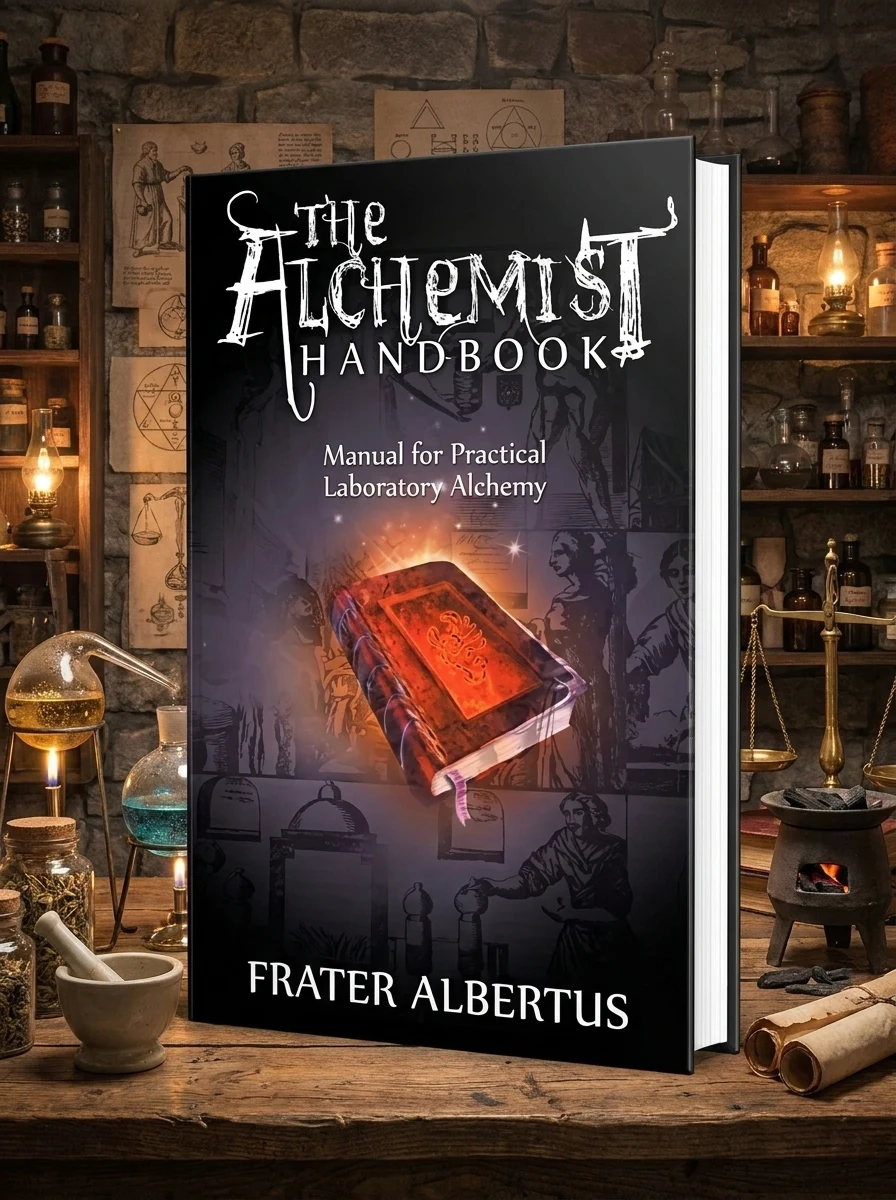
1. The Alchemists Handbook: Manual for Practical Laboratory Alchemy — Frater Albertus
The Alchemists Handbook is the standard text for anyone pursuing actual laboratory work. Frater Albertus wrote this manual for the earnest seeker ready to commit to the profound, lifelong journey of alchemical study and practice. The book covers distillation, fermentation, mineral work, and the preparation of tinctures and essences. It is technical, uncompromising, and assumes you will return to it many times over years. This is not a coffee-table book or a symbolic overview—it is a working manual. The price is under $20, making it accessible, but the real cost is the time and focus it demands. For those prepared to engage with genuine laboratory practice, this manual remains unmatched in its clarity and rigor.
Alchemy in Western Esotericism: Symbolic and Historical Foundations
Most readers encounter alchemy not as a laboratory practice but as a current within Western esoteric tradition. These books show how alchemists understood their work as spiritual transformation, and how their ideas shaped Freemasonry, Rosicrucianism, and the occult sciences.
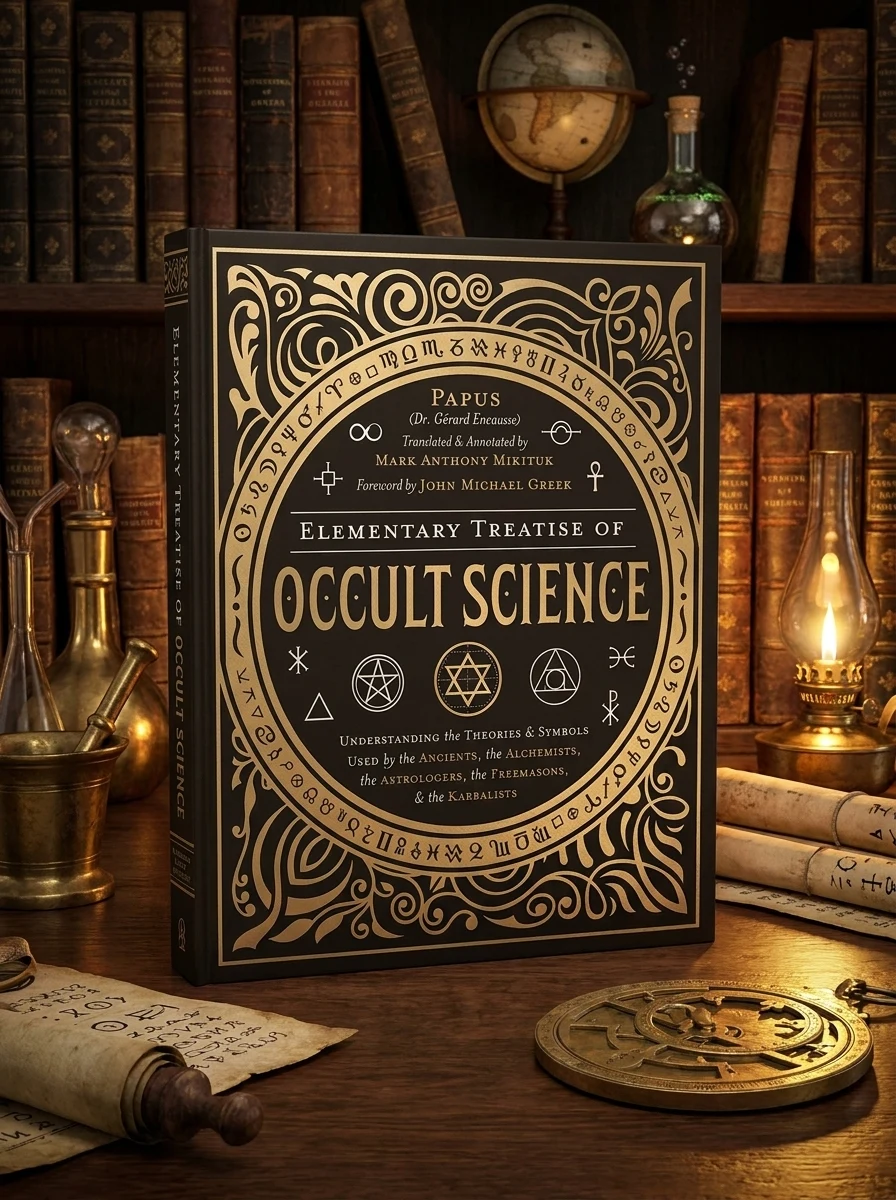
2. Elementary Treatise of Occult Science — Papus (translated by Mark Anthony Mikituk and John Michael Greer)
Elementary Treatise of Occult Science is a foundational work that treats alchemy as one pillar of a larger symbolic system. Papus, the pen name of Gérard Encausse, was a French occultist and Martinist who synthesized Kabbalah, alchemy, astrology, and Freemasonry into a coherent framework. This book is for readers drawn to the hidden currents of history, eager to decode the universe's symbolic language, or wishing to grasp the foundational ideas that connect these traditions. It is scholarly but accessible, priced around $60, and offers the big picture that many alchemy books lack. Papus shows how alchemical symbolism connects to broader esoteric philosophy, making it essential for understanding alchemy's place in Western occultism.
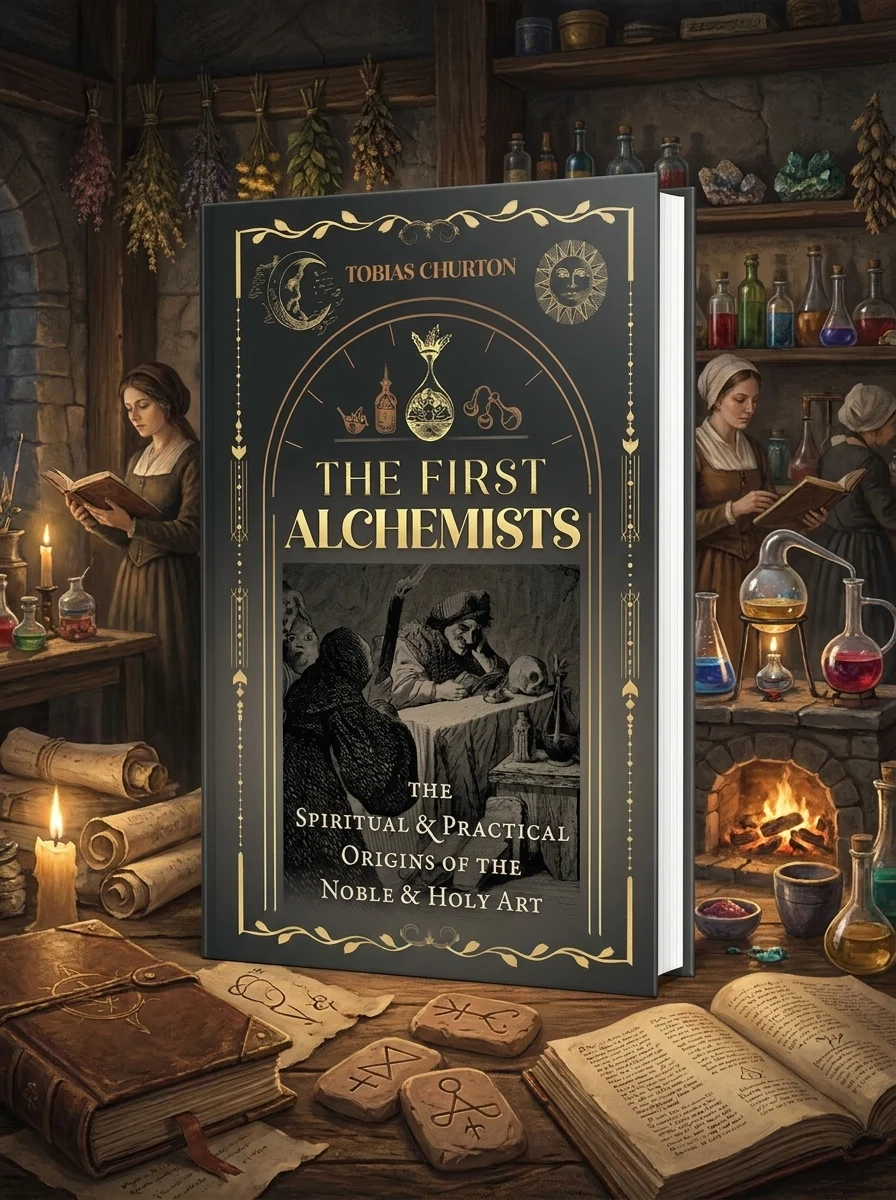
3. The First Alchemists: The Spiritual and Practical Origins of the Noble and Holy Art — Tobias Churton
The First Alchemists traces alchemy back to its roots in Hellenistic Egypt, Mesopotamia, and early Christian mysticism. Churton is a respected scholar of Western esotericism, and this book is for readers fascinated by the hidden origins of esoteric traditions, curious about the forgotten roles of women in ancient science, or wishing to understand how alchemy emerged from the marriage of Greek philosophy and Egyptian craft knowledge. It sits between popular history and academic rigor, priced under $30, and reads like a detective story. If you want to know where alchemy actually came from, this is the book.
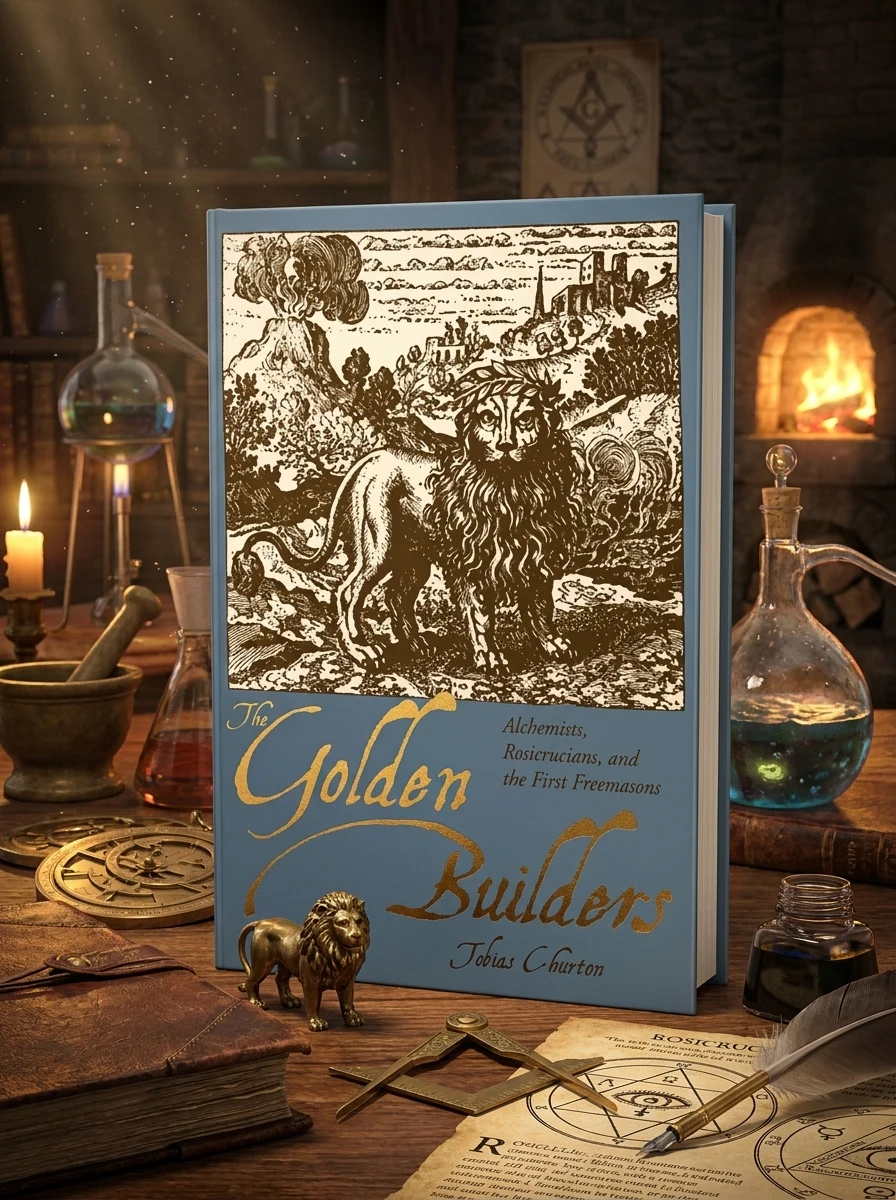
4. The Golden Builders: Alchemists, Rosicrucians, First Freemasons (Revised) — Tobias Churton
The Golden Builders picks up where The First Alchemists leaves off, showing how alchemical thought shaped the emergence of Rosicrucianism and Freemasonry in early modern Europe. Churton argues that alchemy was not a failed proto-chemistry but a deliberate spiritual technology, and that its symbols and methods were preserved and transmitted through secret societies. This book is for the dedicated student of Western esotericism, spiritual history, or secret societies. It is under $25 and essential if you want to understand how alchemy influenced the intellectual and spiritual movements that followed.
Alchemy and the Enlightenment: Science, Magic, and Hidden History
A common misconception is that alchemy died with the rise of modern science. In fact, alchemical thought persisted among scientists, philosophers, and spiritual seekers throughout the Enlightenment and beyond. These books show that alchemy and the scientific revolution were not enemies but often partners in the hands of remarkable minds.
5. The Dark Side of the Enlightenment: Wizards, Alchemists, and Spiritual Seekers in the Age of Reason — John V. Fleming
The Dark Side of the Enlightenment examines the figures and movements that the Enlightenment tried to leave behind—or claimed to. Fleming shows that alchemy, magic, and mysticism did not vanish in the 18th century but instead went underground, influencing figures like Swedenborg, Cagliostro, and the Illuminati. This book is for readers drawn to the hidden histories of the Enlightenment, curious about the interplay of science and magic, or fascinated by enigmatic figures who refused to choose between reason and the sacred. It is under $30 and reads with the clarity of good intellectual history.
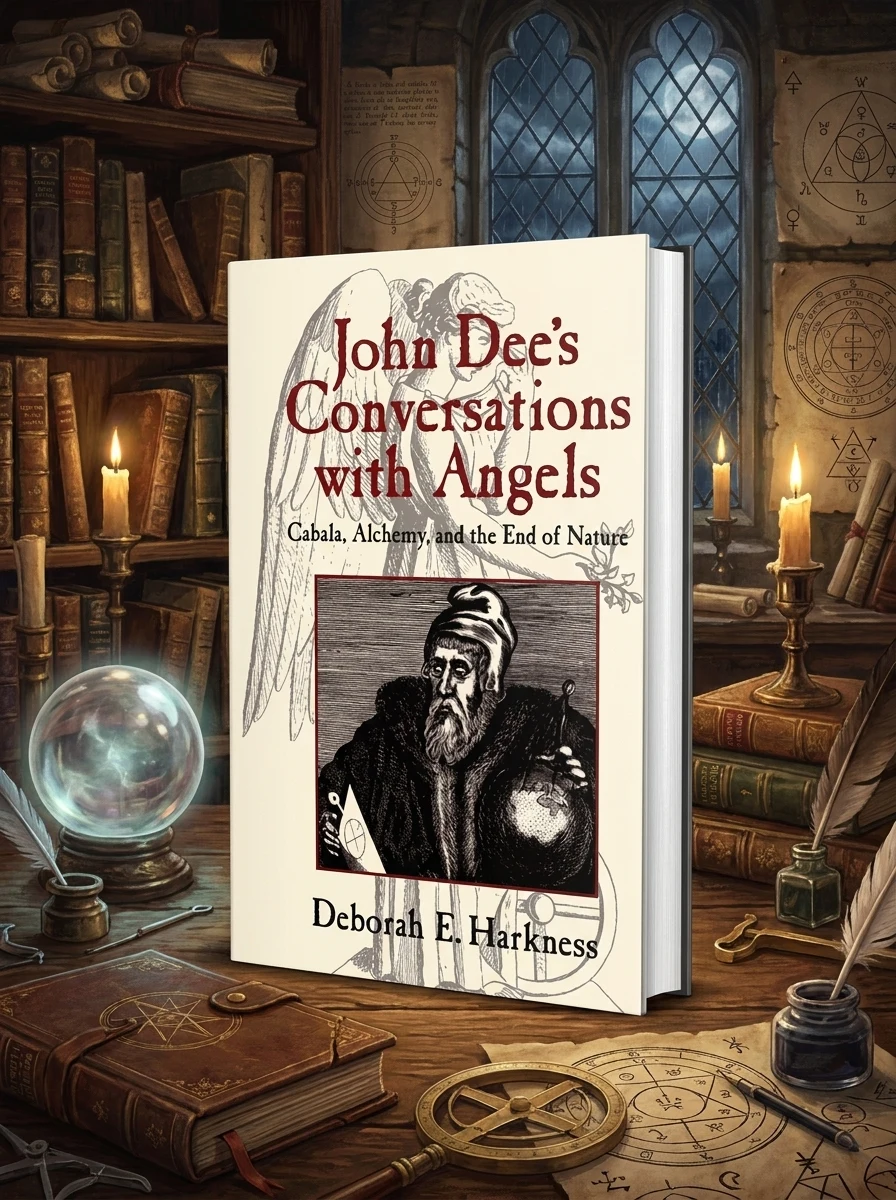
6. John Dee's Conversations with Angels: Cabala, Alchemy, and the End of Nature — Deborah E. Harkness
John Dee's Conversations with Angels is a deep study of one of history's most remarkable alchemists and occultists. John Dee was a mathematician, astronomer, and advisor to Queen Elizabeth I who also pursued alchemy and angelic magic. Harkness, a historian of science, shows how Dee's work bridged the emerging scientific method and hermetic philosophy. This book is essential for those fascinated by Elizabethan esotericism, the history of early modern science, Christian mysticism, and the intellectual world where alchemy was still taken seriously by the learned. It is under $35 and offers a portrait of a mind that refused to separate knowledge from spiritual seeking.
Broader Contexts: Occult Science and Hermetic Tradition
To fully understand alchemy, it helps to see it within the larger framework of Western occult philosophy. The following books provide that context, showing how alchemy relates to other esoteric disciplines and how it was understood by serious practitioners across centuries.
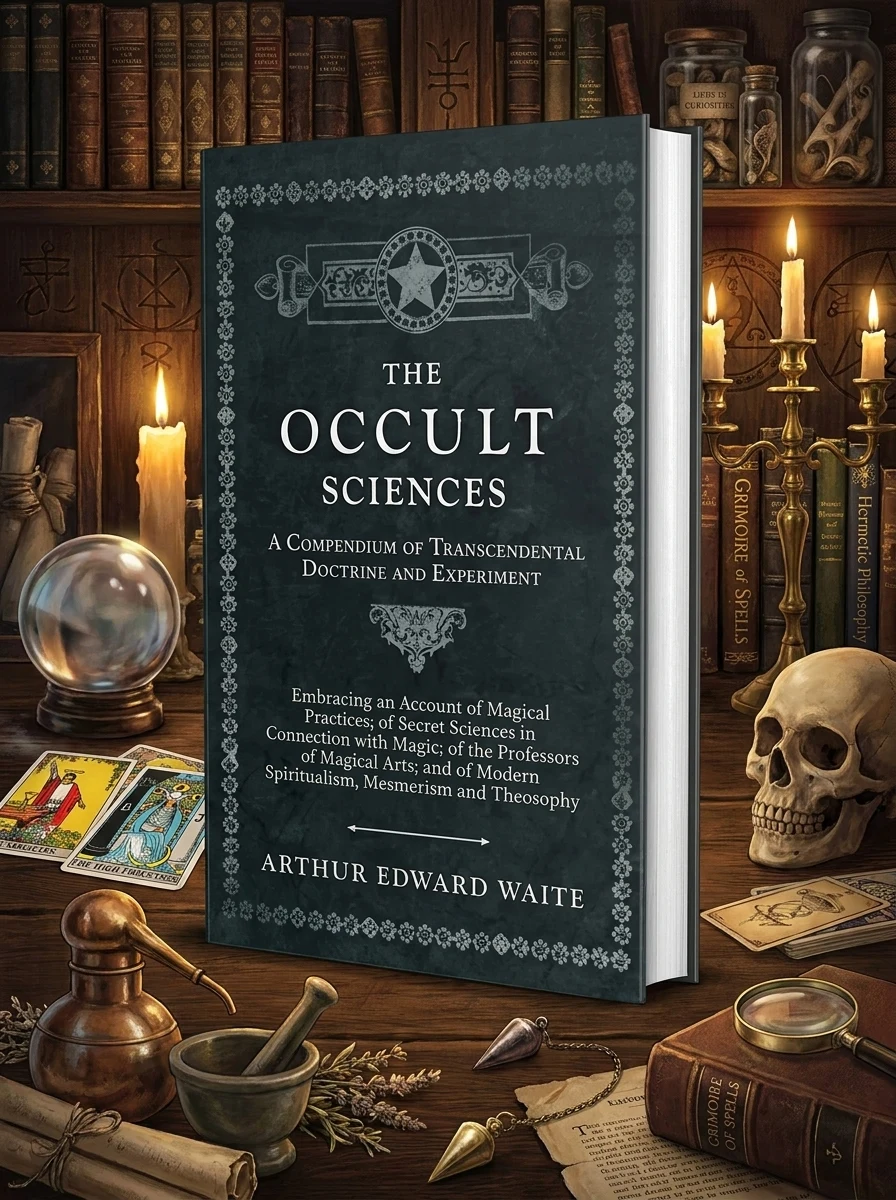
7. The Occult Sciences - A Compendium of Transcendental Doctrine and Experiment — Arthur Edward Waite
The Occult Sciences is a comprehensive overview by one of the most respected occult scholars of the 20th century. Waite treats alchemy alongside magic, Kabbalah, and other esoteric disciplines, showing how they form an integrated system of knowledge and practice. This book is for serious students seeking a rigorous, intellectually demanding overview of occult traditions from a master scholar. At $34, it is an investment, but it provides the kind of foundational knowledge that makes reading specialized alchemy texts more rewarding. Waite's approach is scholarly without being dry, and his treatment of alchemy's relationship to other sciences is unmatched.
How to Choose Your Alchemy Book
The alchemy book you need depends on what you actually want to do. If you are committed to hands-on laboratory work and have years to dedicate to study, start with The Alchemists Handbook. If you want to understand alchemy's place in Western esotericism and secret societies, begin with either The First Alchemists or Elementary Treatise of Occult Science. If you are drawn to history and the intellectual drama of how alchemy survived and shaped modernity, read The Dark Side of the Enlightenment or John Dee's Conversations with Angels. If you want the broadest possible foundation before specializing, The Occult Sciences by Waite provides that scaffolding.
Many readers find it useful to read one history book first—to understand the tradition and its symbols—before attempting any practical work. Others prefer to start with the manual and let the practice itself teach the philosophy. There is no single right path. What matters is honesty about your commitment and your actual interests. Alchemy rewards seriousness, but it also rewards joy in the work itself. Whether you approach it as history, philosophy, or living practice, these books will meet you where you are and take you deeper.