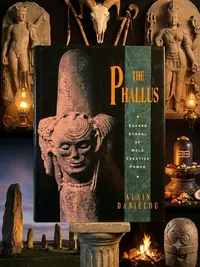
The Phallus: Sacred Symbol of Male Creative Power (Original)
Daniélou, Alain

This edition can be ordered. No arrival date is confirmed.
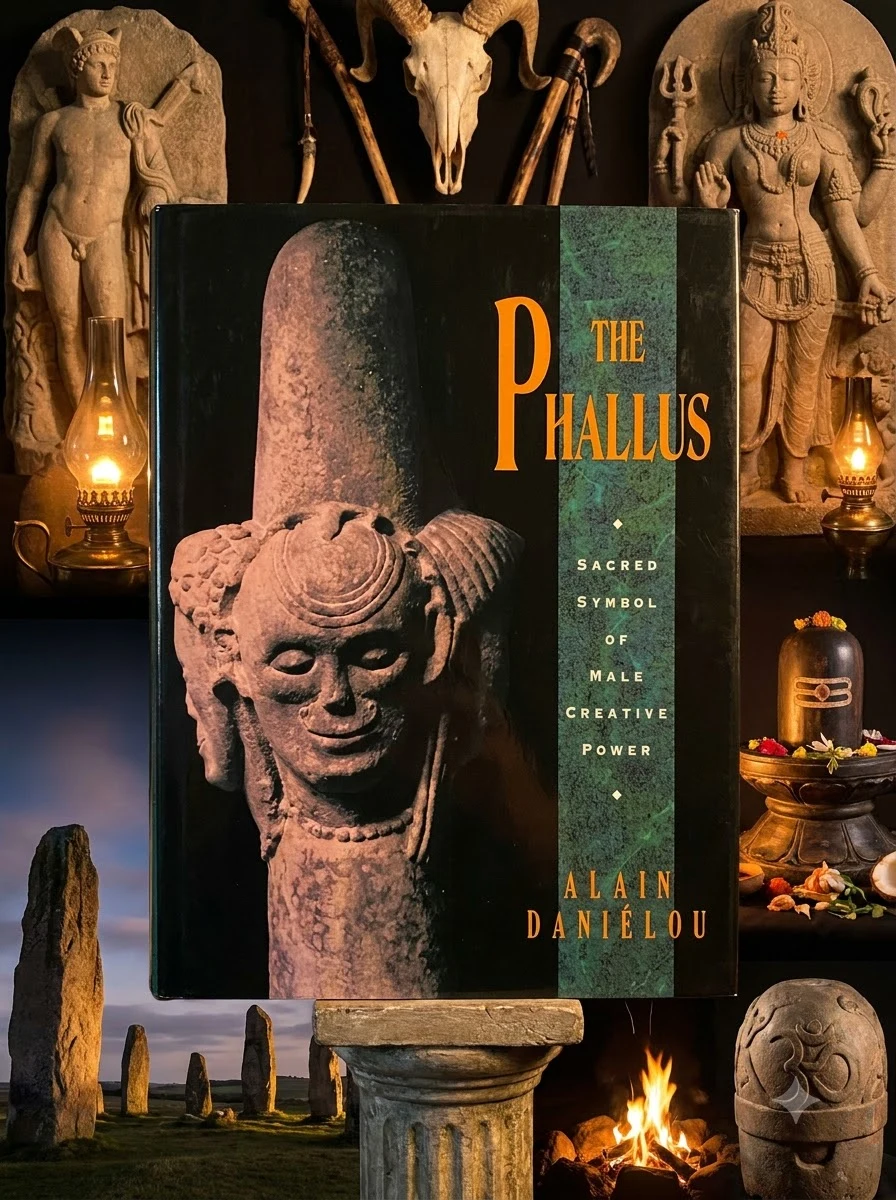
Unveil the sacred power of the phallus, far beyond its modern, reductive misinterpretations.
Alain Daniélou’s seminal work meticulously traces the sacred representation of male generative energy across diverse civilizations. From prehistoric European standing stones to India’s profound Mahalinga and the Greek Omphalos, he illuminates early expressions of fertility. The journey continues through ithyphallic deities like Hermes, Priapus, and various Hindu gods, revealing their roles in archaic shamanistic traditions. Daniélou further explores the transformative power of Shaivist and Dionysian initiatory rites, demonstrating how they fostered communion with life’s creative forces. This book celebrates the profound religious impulse behind widespread phallic imagery, transcending mere eroticism.
This work sits firmly within the comparative religion and esoteric philosophy traditions, drawing heavily on Indological and classical studies to reinterpret ancient symbolic systems. It bridges the gap between academic archaeology and spiritual interpretation in the field of sacred sexuality.


📝 Description: The Phallus: Sacred Symbol of Male Creative Power (Original)
💎 Expert review
📖 Why choose it
Why this book is worth reading
Readers fascinated by the intersection of mythology, archaeology, and spiritual practice will find this text indispensable. It offers a profound corrective to modern reductive views of sexuality, inviting you to explore the sacred impulse behind phallic imagery across diverse civilizations. If you seek to understand how ancient cultures from India to Greece viewed creative power as a divine force rather than mere eroticism, this book provides that essential context. It is ideal for those interested in Shaivism, Dionysian rites, and the archaic shamanistic roots of fertility worship, offering a deep, respectful look at male generative energy.
⭐ Reader reviews
Reader rating
Daniélou delivers a meticulous scholarly tour of phallic symbolism, tracing its evolution from prehistoric stones to ithyphallic deities like Hermes and Priapus. While the breadth of cultural examples is impressive, the dense academic tone may alienate casual readers seeking light spiritual guidance. This is not for those looking for practical erotic advice or simple mythological retellings; it requires patience and an interest in comparative religion. However, for serious students of esoteric history who appreciate rigorous analysis of how early civilizations conceptualized creative forces, this seminal work remains a vital, intellectually stimulating resource.
❓ Frequently asked questions
📖 Who should read this
If you are drawn to the hidden meanings behind ancient art, comparative religion, and the sacred masculine, this book offers profound insights. It challenges modern preconceptions, inviting you to rediscover the spiritual depth of symbols often misunderstood as merely profane.
🎯 Key themes and symbolism
Ancient Fertility Symbols
Daniélou begins by exploring early, universal expressions of creative force. He examines how symbols like Europe’s menhirs, India’s Mahalinga and Svayambhu, and the Greek Omphalos served as powerful representations of male fertility and cosmic generation, laying groundwork for understanding their sacred significance across diverse cultures.
Ithyphallic Deities Explored
This section delves into the presence of gods depicted with an erect phallus across various pantheons. From the ancient 'Lord of the Animals' in shamanistic traditions to Greek figures like Hermes and Priapus, and complex Hindu deities such as Ardhanarishvara, Daniélou unpacks their roles as divine conduits of life and creative power, not merely sexuality.
Initiation and Creative Force
The book meticulously details how Shaivist and Dionysian initiatory rites were designed to bring participants into direct communion with fundamental creative energies. Daniélou illustrates how these sacred rituals transcended personal experience, serving as profound pathways for men to connect with the very essence of life and the divine masculine.
💬 Quotes from the book
“The phallus, in its myriad ancient manifestations, was never merely a symbol of carnal desire, but a potent hierophany of cosmic creation and life-giving force.”
“From the earliest megaliths to the complex pantheons of antiquity, a universal reverence for the generative principle unites cultures across the globe, often expressed through this singular, powerful form.”
📜 Historical context
📚 Glossary
- Menhir
- Ithyphallic
- Svayambhu
📔 Questions to reflect on
- How does understanding the ancient, sacred context of phallic symbols challenge or confirm your own modern perspectives on sexuality and divine power?
- Reflect on a piece of art or religious iconography you've encountered that initially seemed 'erotic.' How might Daniélou's insights prompt a reinterpretation of its deeper meaning?
- Consider the concept of 'creative power' as a universal force. How do the various cultural expressions in this book resonate with your own understanding of creation and life's origins?
✍️ More books by this author Daniélou, Alain
All books by this author →

🏛 Books from this publisher Inner Traditions International
All books from this publisher →



You might also like
See more →