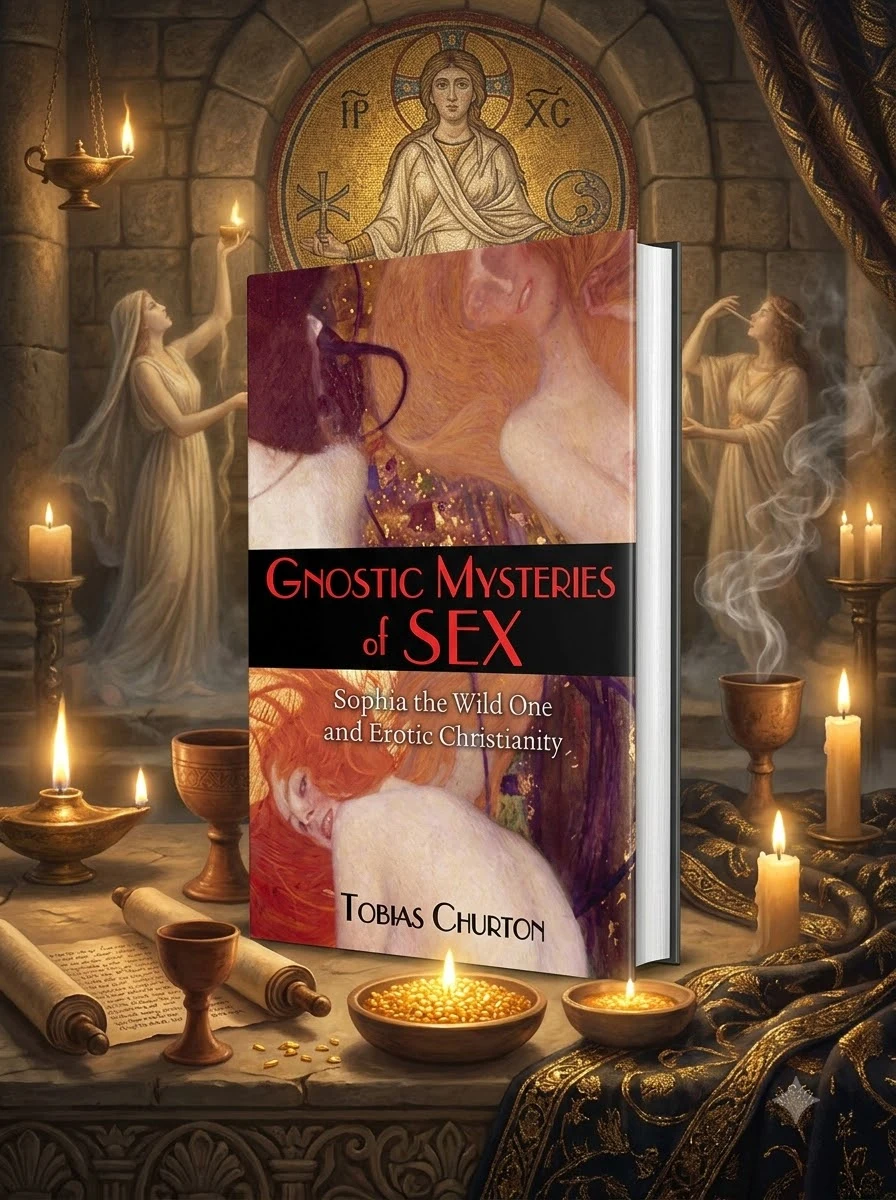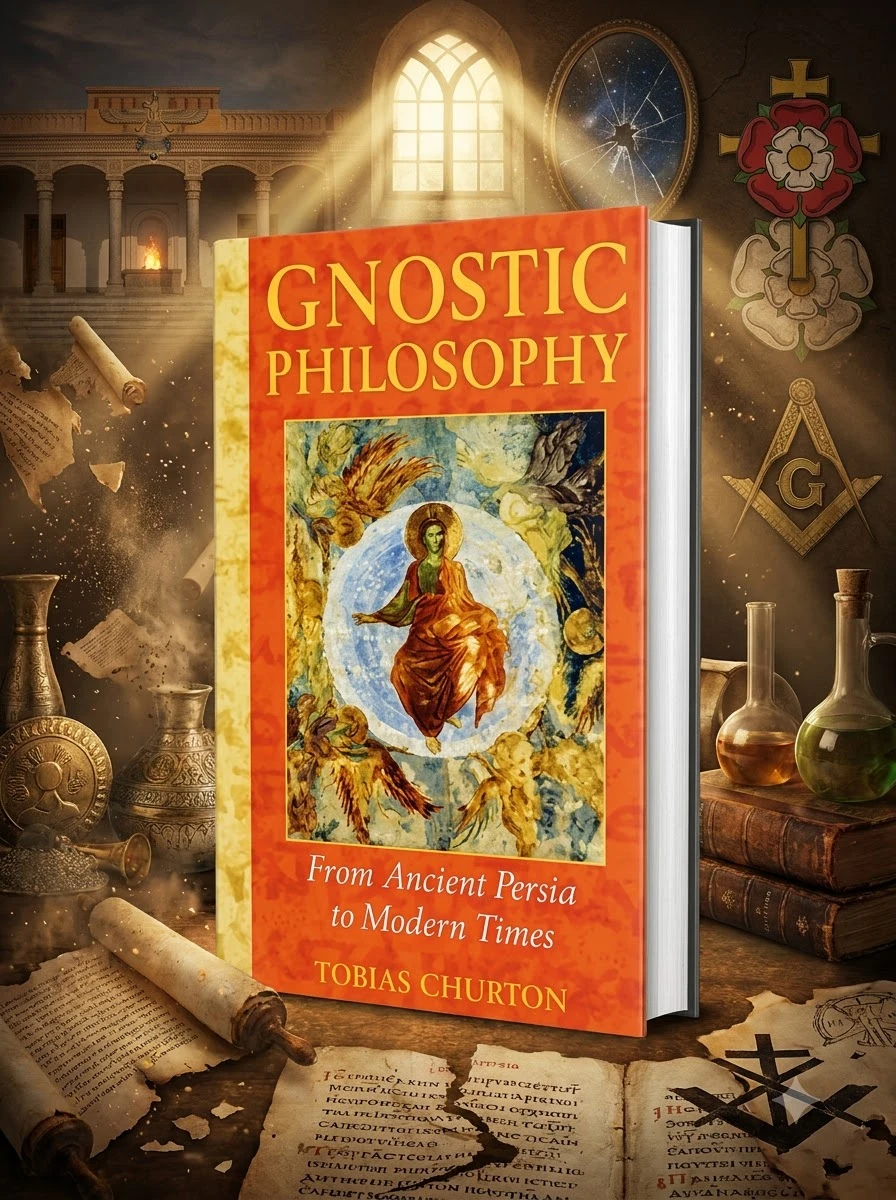
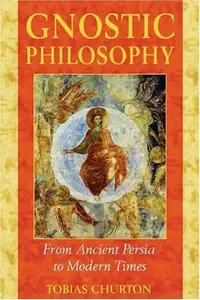
Gnostic Philosophy: From Ancient Persia to Modern Times (Original)
Churton, Tobias

This edition can be ordered. No arrival date is confirmed.
Trace the underground river of Gnostic thought from Persia to Jung, unlocking the stone of self-realization.
Tobias Churton maps the hidden lineage of Gnosticism, revealing it not as a dead heresy but as the living pulse of Western esotericism. This volume traces the thread from ancient Persian roots through Neoplatonism, medieval magic, and Sufism, emerging in the works of Böhme, Steiner, and Jung. It demonstrates how Gnostic self-realization persists in Rosicrucian and Masonic rites, offering seekers a vital key to reconstructing their higher selves in an age hungry for direct spiritual experience.
This work situates itself within the broad spectrum of Western esotericism, bridging ancient Persian roots with modern psychological interpretations. It serves as a scholarly yet accessible guide to the living lineage of Gnostic thought across centuries.


📝 Description: Gnostic Philosophy: From Ancient Persia to Modern Times (Original)
💎 Expert review
📖 Why choose it
Why this book is worth reading
Seekers hungry for direct spiritual experience will find this volume a vital key to reconstructing their higher selves. Tobias Churton maps the hidden lineage of Gnosticism, revealing it not as a dead heresy but as the living pulse of Western esotericism. By tracing the thread from ancient Persian roots through Neoplatonism, medieval magic, and Sufism, the book demonstrates how Gnostic self-realization persists in Rosicrucian and Masonic rites. It unlocks the stone of self-realization for those interested in the underground river of thought connecting figures like Jung to ancient Persia. This is essential reading for anyone wishing to understand the continuous, vibrant history behind modern mystical practices.
⭐ Reader reviews
Reader rating
Churton offers a compelling narrative that reframes Gnosticism as a dynamic force rather than a static historical artifact. The book successfully connects diverse traditions, from Sufism to Jungian psychology, under a unified theme of self-realization. However, readers seeking dry academic historiography or rigid theological dogma may find its esoteric focus too fluid or speculative. It is best suited for those already comfortable with mystical concepts and interested in the practical implications of Gnostic philosophy. Those expecting a strictly secular or scientific analysis will likely feel disconnected from its spiritual premise. Ultimately, it rewards open-minded explorers of the occult mind.
❓ Frequently asked questions
📖 Who should read this
Readers fascinated by the underground currents of Western mysticism, particularly those exploring the intersections of Gnosticism, Freemasonry, and modern depth psychology.
🎯 Key themes and symbolism
Hidden Lineages
Self-Realization
Esoteric Continuity
💬 Quotes from the book
“Gnosis is the rejected stone necessary for the completion of the Temple.”
“The Gnostic message... was not destroyed but simply went underground.”
📜 Historical context
📚 Glossary
- Gnosis
- Rejected Stone
- Neo-Platonism
📔 Questions to reflect on
- Where have you encountered the 'underground' currents of spiritual thought in your own life?
- How does the concept of 'remembering' your higher self resonate with your current spiritual practice?
- What modern figures or traditions do you see carrying the Gnostic torch today?
✍️ More books by this author Churton, Tobias
All books by this author →


🏛 Books from this publisher Inner Traditions International
All books from this publisher →


You might also like
See more →