Many people searching for books on mysticism and gnosis are looking for more than historical information or abstract ideas. They often seek writings that encourage contemplation, self-examination, spiritual practice, and a deeper understanding of consciousness. Mystical traditions have developed across many cultures, including Christian contemplation, Sufi poetry, Buddhist meditation, Hermetic teachings, and modern studies of human awareness.
A first reading list does not need to begin with the most complex academic material. A useful foundation combines accessible introductions, practical guides, devotional writings, and works that explore esoteric traditions. These books offer different perspectives on inner transformation and the study of the Psyche, a concept connected with the soul or animating principle in ancient thought.
The following selections are arranged to help new students understand different approaches. Some focus on direct practice, while others examine mystical experience through philosophy, psychology, poetry, or historical traditions. Together they provide a broad introduction to the questions that have inspired seekers for centuries.
Foundational books for mystical exploration
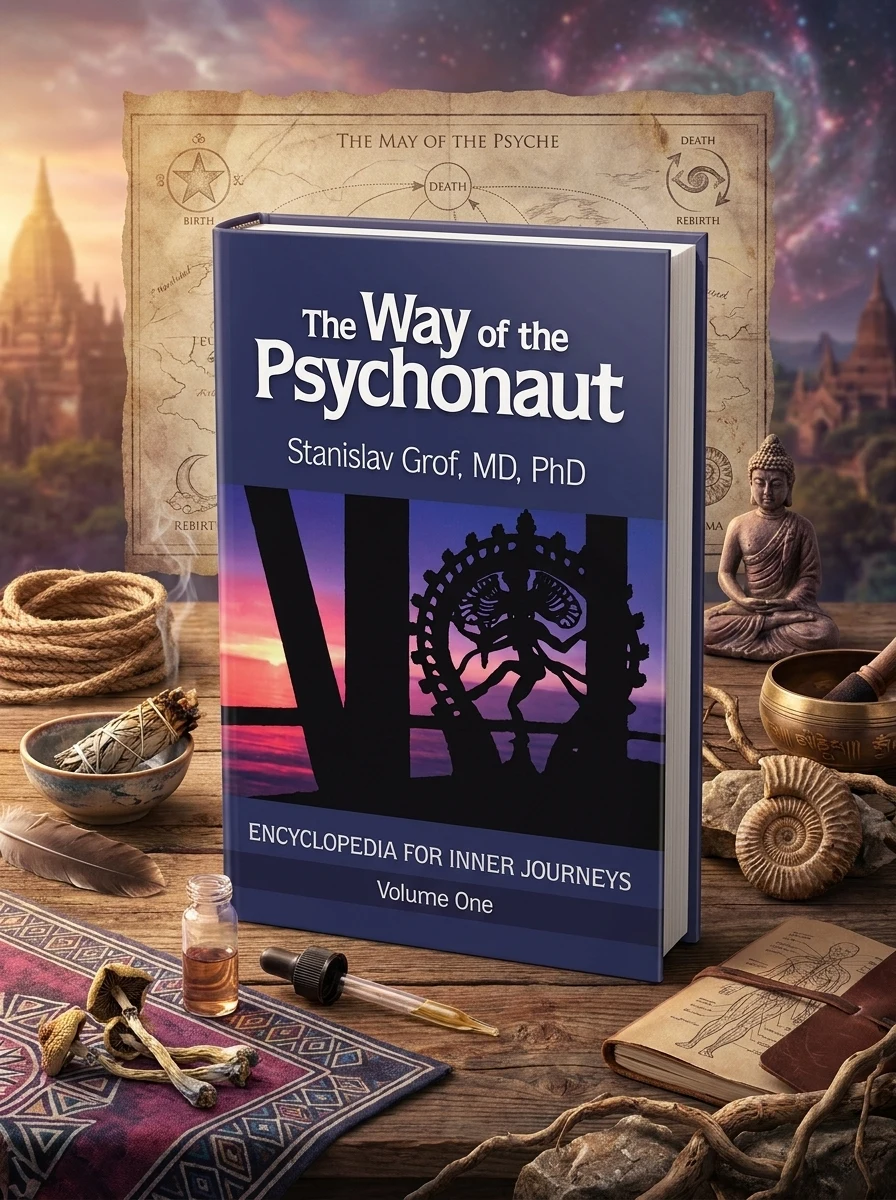
1. The Way of the Psychonaut Vol. 1: Encyclopedia for Inner Journeys — Stanislav Grof
The Way of the Psychonaut Vol. 1: Encyclopedia for Inner Journeys is an accessible choice for readers interested in consciousness exploration. Stanislav Grof’s work connects transpersonal psychology with investigations of unusual states of awareness, making it useful for those who want a modern perspective on spiritual experience. The book can serve as an entry point for readers who are curious about the relationship between psychology, personal transformation, and mystical states.
Rather than presenting a single religious tradition, this title encourages reflection on the variety of ways humans experience inner change. It is especially suitable for readers who want contemporary language before exploring older mystical writings.
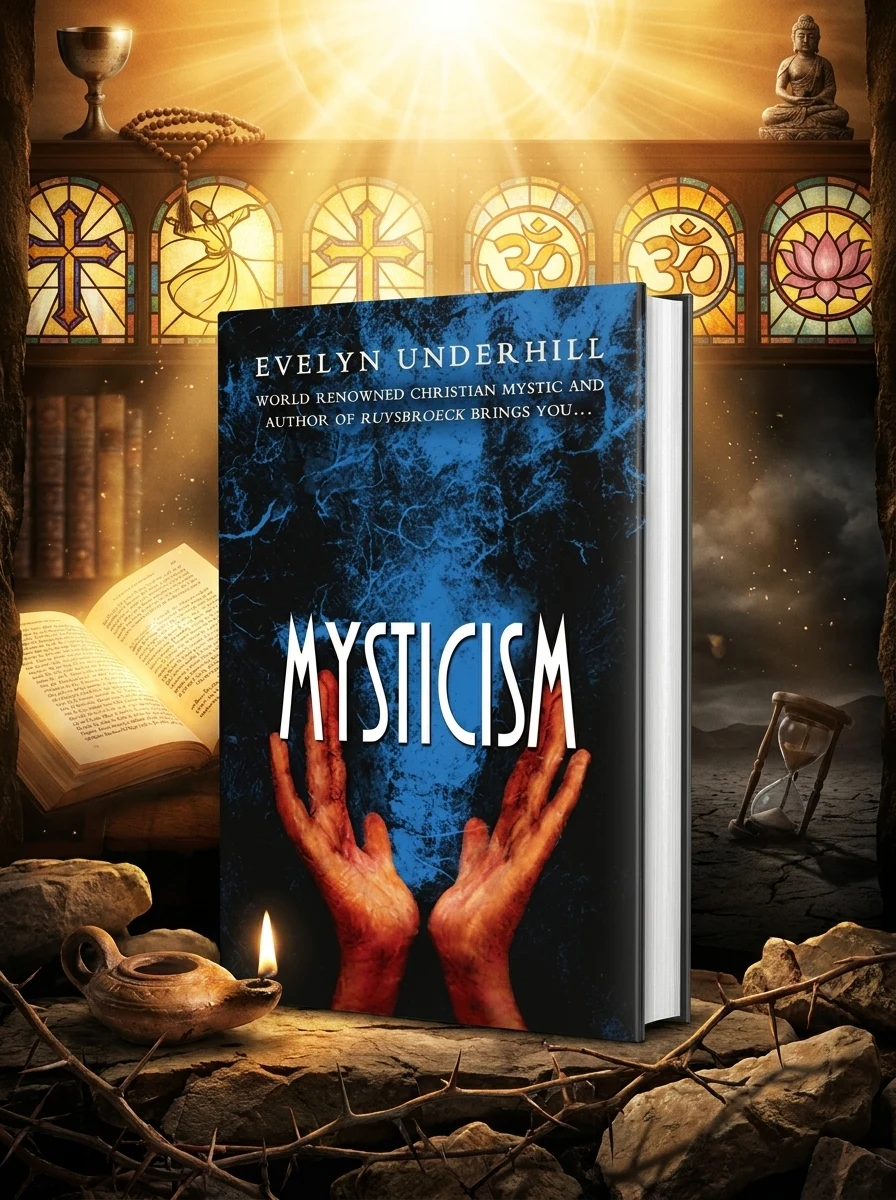
2. Mysticism — Evelyn Underhill
Mysticism by Evelyn Underhill provides a broad study of mystical experience. It is a valuable introduction for readers who want to compare different expressions of spirituality and understand recurring themes found across mystical traditions. The book approaches mysticism as a serious area of study, examining the nature of spiritual experience and the development of mystical awareness.
This selection works well alongside practical books because it provides conceptual background. Readers interested in understanding how mysticism has been discussed across history may find it a useful foundation for further study.
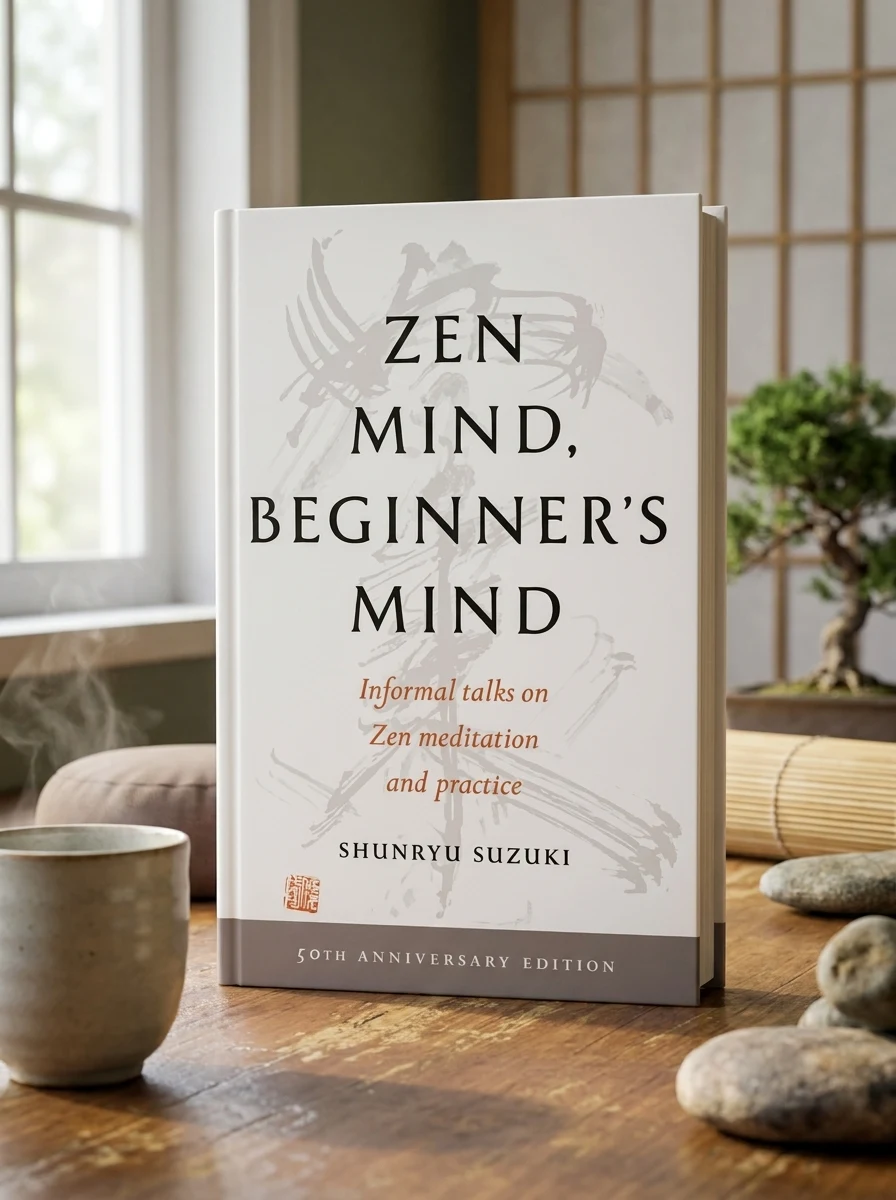
3. Zen Mind, Beginner's Mind: 50th Anniversary Edition — Shunryu Suzuki
Zen Mind, Beginner's Mind: 50th Anniversary Edition introduces Zen through straightforward teachings about awareness, discipline, and practice. Shunryu Suzuki emphasizes the importance of approaching experience with openness and attention. Its clear style makes it approachable for people beginning meditation or seeking to reconnect with foundational principles.
The book represents a practical side of mysticism, where transformation is cultivated through regular attention and presence. It pairs well with more theoretical works by showing how spiritual ideas can become daily practices.
Contemplative traditions and inner practice
4. The Interior Castle: Or the Mansions — St. Teresa of Avila
The Interior Castle: Or the Mansions is a major work of Christian mysticism. St. Teresa of Avila describes spiritual development through the image of an inner castle, presenting stages of deeper communion with the divine. Readers drawn to contemplative Christianity will find a detailed example of how mystical writers describe inner growth.
This book is valuable because it presents mystical practice as a process involving prayer, reflection, and personal change. It offers a distinct perspective that can be compared with meditation traditions from other cultures.
5. A Still Forest Pool: The Insight Meditation of Achaan Chah — Ajahn Chah
A Still Forest Pool: The Insight Meditation of Achaan Chah introduces readers to Buddhist insight meditation teachings associated with Ajahn Chah. The approach emphasizes awareness, simplicity, and observation of the mind. It is a practical selection for those who want a spiritual discipline based on attention and understanding.
For students exploring mysticism through practice, this book demonstrates how ordinary experiences can become opportunities for awareness. It complements Zen teachings while offering its own perspective on meditation and transformation.
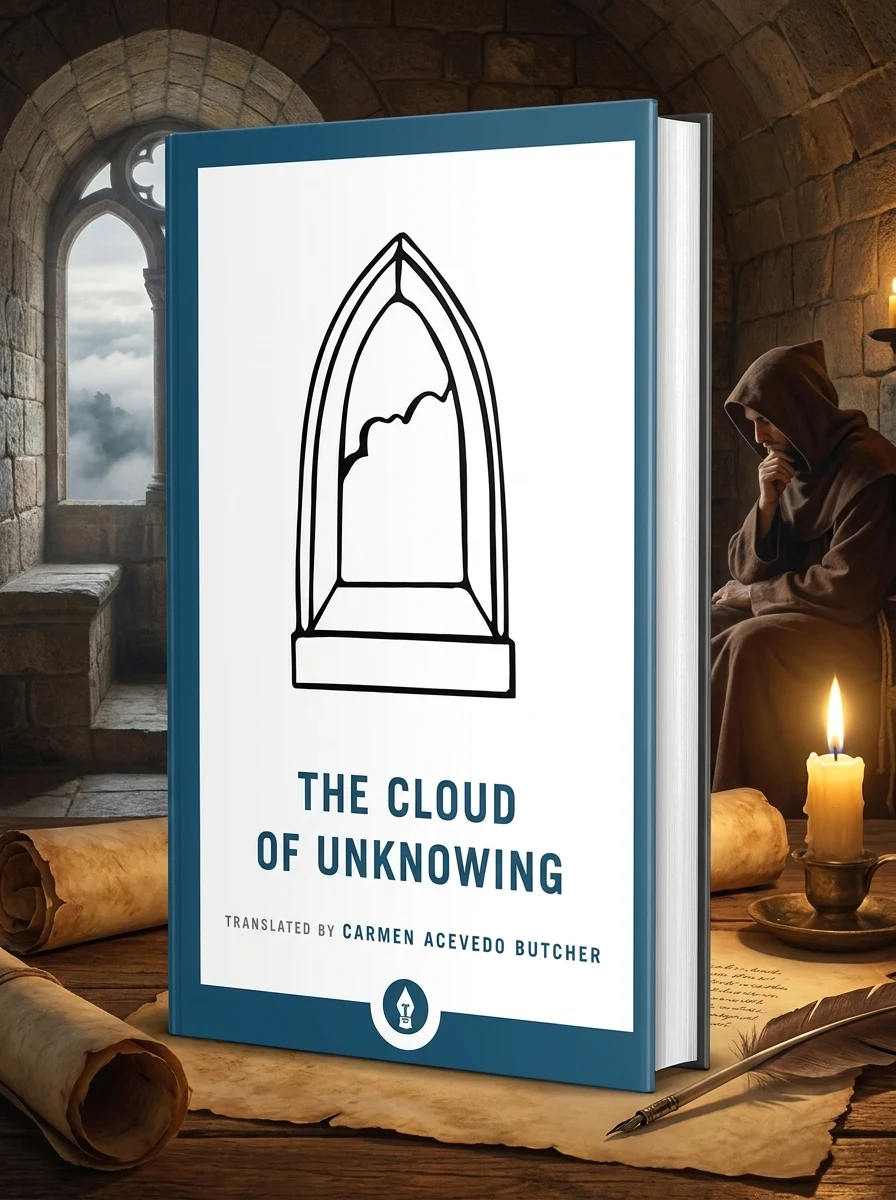
6. The Cloud of Unknowing — Carmen Acevedo Butcher
The Cloud of Unknowing presents a contemplative Christian text through Carmen Acevedo Butcher’s translation. It explores devotion and direct spiritual connection beyond ordinary intellectual concepts. Readers interested in contemplative prayer and mystical Christianity may appreciate its emphasis on inward attention and surrender.
This work shows another approach to mystical practice, one focused less on explanation and more on direct relationship with the divine. It can be read alongside other contemplative writings to compare different forms of spiritual discipline.
Gnosis, symbolism, and esoteric traditions
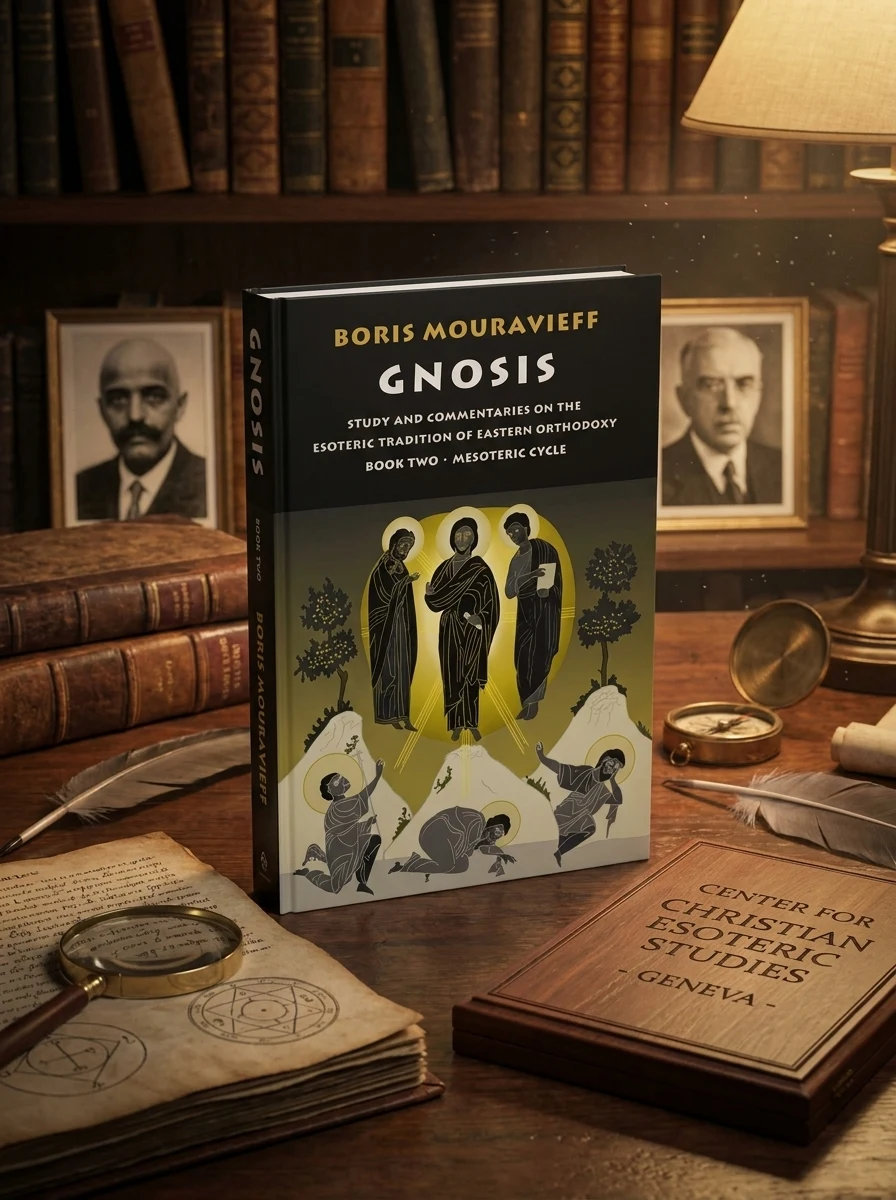
7. Gnosis Volume I: Study and Commentaries on the Esoteric Tradition of Eastern Orthodoxy — Boris Mouravieff
Gnosis Volume I: Study and Commentaries on the Esoteric Tradition of Eastern Orthodoxy is intended for readers interested in esoteric Christianity and structured approaches to inner development. Boris Mouravieff’s work explores themes connected with hidden spiritual teachings within Eastern Orthodox traditions.
This is a more specialized selection, so it may be helpful after gaining familiarity with general mystical concepts. It introduces readers to a system-oriented approach to spiritual study and the search for inner knowledge.
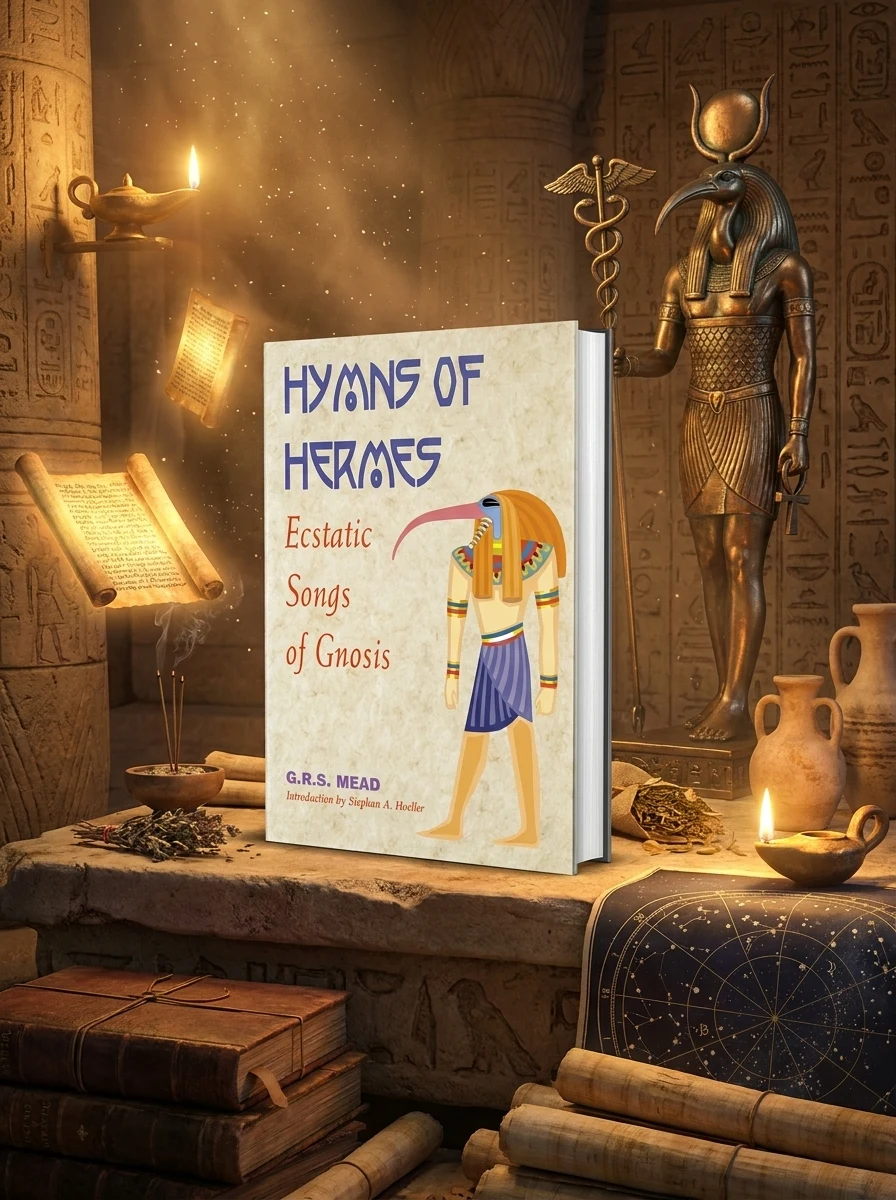
8. Hymns of Hermes: Ecstatic Songs of Gnosis — G. R. S. Mead
Hymns of Hermes: Ecstatic Songs of Gnosis introduces Hermetic spirituality through poetic and devotional material. Readers interested in ancient approaches to divine knowledge may find this title offers a different style from meditation manuals or theological studies.
The work reflects the symbolic language often associated with Western esoteric traditions. It is a useful addition for those who want to explore how spiritual ideas have been expressed through sacred poetry and traditional imagery.
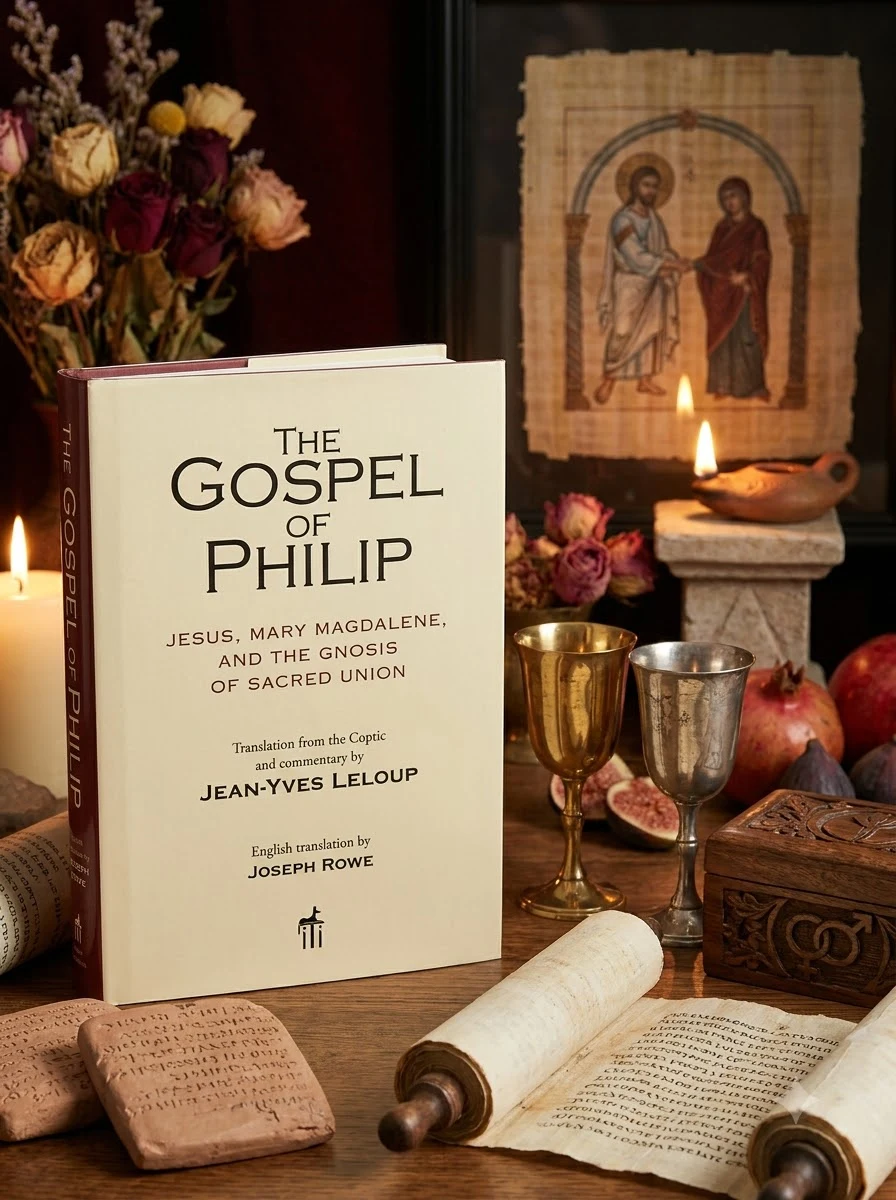
9. The Gospel of Philip: Jesus, Mary Magdalene, and the Gnosis of Sacred Union — Jean-Yves Leloup and Jacob Needleman
The Gospel of Philip: Jesus, Mary Magdalene, and the Gnosis of Sacred Union explores a Gnostic Christian text and its interpretations. It is suited for readers interested in early Christian diversity, mystical symbolism, and alternative approaches to sacred teachings.
This book encourages examination of how spiritual communities have understood knowledge, revelation, and transformation. Its themes can be considered alongside broader studies of the Psyche, consciousness, and spiritual identity.
10. The Spiritual Poems of Rumi: Translated by Nader Khalili — Rumi
The Spiritual Poems of Rumi: Translated by Nader Khalili offers an introduction to Sufi mystical poetry. Rumi’s writings explore love, devotion, and the search for deeper understanding through lyrical expression. This collection provides a poetic approach to spirituality that differs from systematic studies or meditation instruction.
For beginners, poetry can be an important part of mystical study because it communicates experiences that are difficult to describe through ordinary language. Rumi’s work provides a contemplative perspective on the relationship between human life and the sacred.
How to build a first mysticism and gnosis library
The best starting point depends on the kind of exploration that interests you most. Readers seeking practical exercises may prefer meditation-focused works such as Zen Mind, Beginner's Mind: 50th Anniversary Edition or A Still Forest Pool: The Insight Meditation of Achaan Chah. Those drawn to devotional traditions may begin with The Interior Castle: Or the Mansions or The Cloud of Unknowing.
Readers interested in hidden teachings and symbolic systems can explore works on gnosis and Hermetic traditions. Gnosis is often described as direct spiritual understanding gained through experience and transformation rather than study alone. Different traditions interpret inner knowledge in different ways, which is why comparing multiple approaches can provide a broader perspective on the Psyche and spiritual life.
A balanced collection often includes one practical guide, one historical or philosophical work, and one poetic or devotional text. This combination allows mystical study to include both reflection and practice. Reading, contemplation, meditation, and personal inquiry have all played roles in mystical traditions.
The books in this collection range from affordable introductory editions to more specialized studies. A small selection can provide a foundation for years of reflection, and each tradition offers its own language for exploring consciousness, meaning, and spiritual experience.