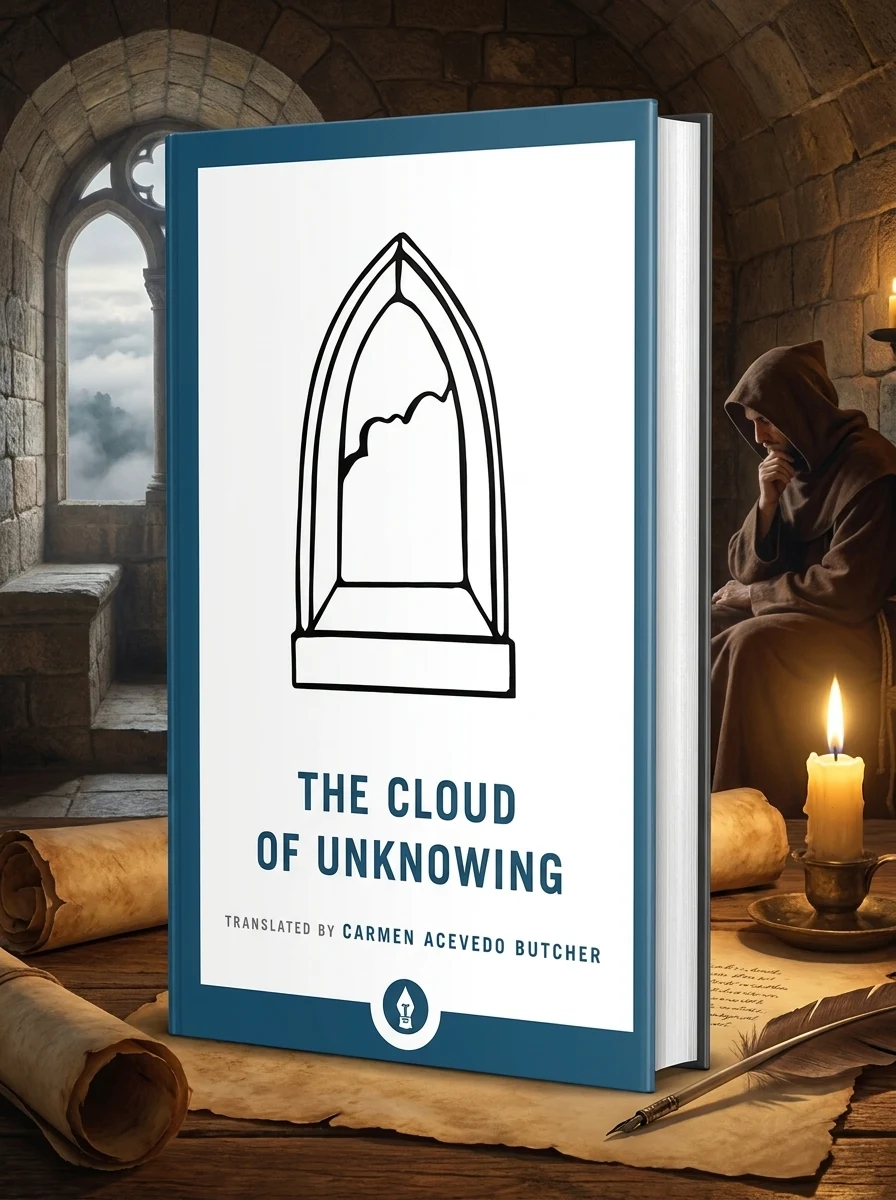
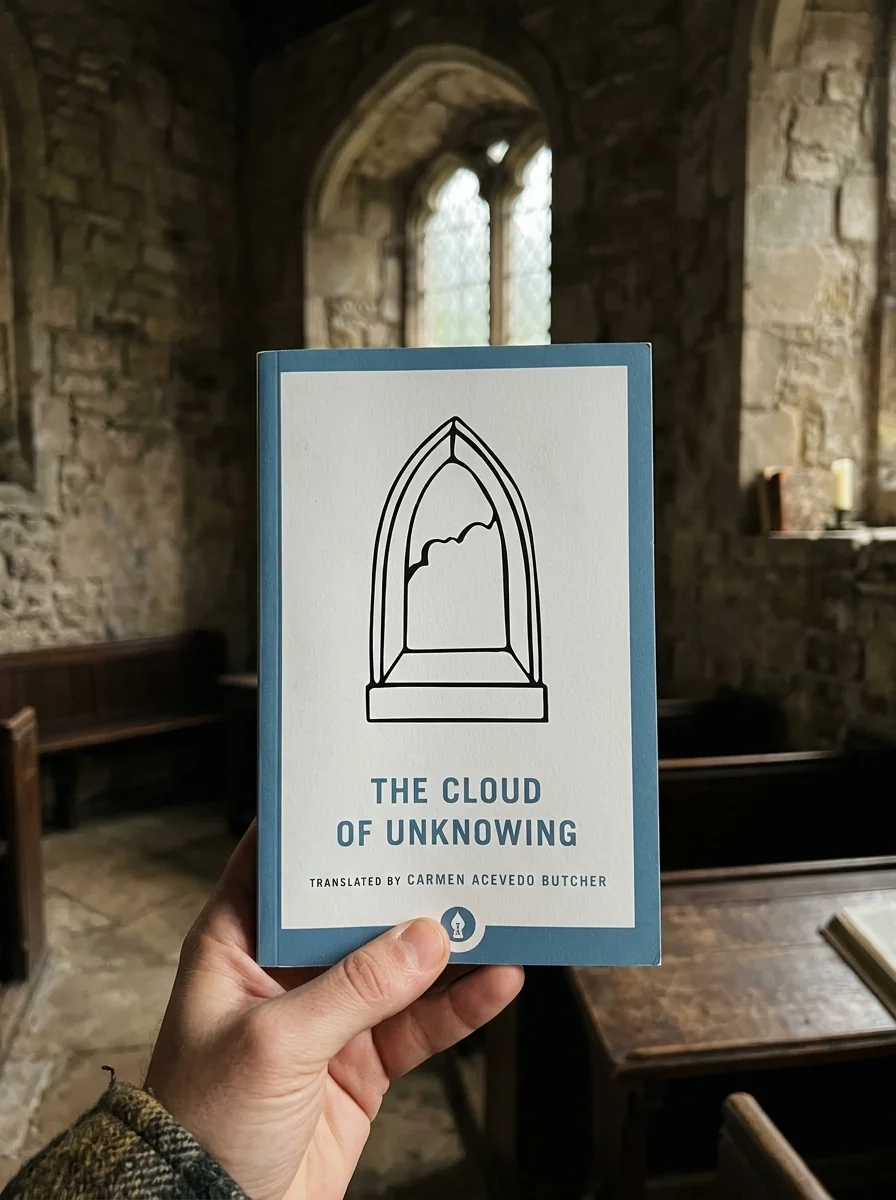

The Cloud of Unknowing
This reimagined edition breathes new life into a foundational 14th-century text on Christian contemplation. An anonymous guide, penned originally as letters to a spiritual student, illuminates a path to profound union with the divine. Carmen Acevedo Butcher's masterful translation strips away the archaic language, revealing the original's gentle, practical wisdom on prayer and spiritual practice. Far from a dry theological treatise, this work offers accessible techniques for anyone seeking a deeper, more personal connection with the ineffable.


Praise for this book
“This classic deserves to be read by every age in its own cultural idiom. Dr. Butcher has done just that and has preserved a valuable treasure for our time. This is the book that balances our lust for knowing with the freedom of not needing to know at all!”
📝 Description: The Cloud of Unknowing
💎 Expert review
📖 Why choose it
Why this book is worth reading
Readers seeking a deeper, more personal connection with the ineffable will find profound value in this accessible guide. Carmen Acevedo Butcher’s masterful translation strips away archaic language to reveal gentle, practical wisdom on prayer and spiritual practice. It is ideal for those who wish to pierce the veil of intellect without wading through dense theological treatises. By offering tangible techniques for contemplation, it breathes new life into ancient insights, making the path to divine union feel warm, inviting, and remarkably relevant for modern seekers craving profound intimacy with the divine.
⭐ Reader reviews
Reader rating
This edition succeeds in making a historic mystical text approachable for contemporary audiences through clear, modern prose. It effectively highlights the practical nature of contemplative prayer, moving beyond dry theory to offer genuine spiritual utility. However, it may not suit readers who prefer rigorous academic theology or those seeking structured dogmatic instruction rather than experiential mysticism. Those expecting a complex philosophical argument might find its gentle simplicity lacking in intellectual density. Ultimately, it is a compassionate resource for the heart-centered seeker but offers little to the strictly doctrinal scholar.
❓ Frequently asked questions
📖 Who should read this
If you yearn for a direct, intimate spiritual connection beyond dogma, or seek practical guidance in contemplative prayer, this book is for you. It offers a gentle yet profound path to inner stillness and divine encounter.
🎯 Key themes and symbolism
Unknowing and Union
The core teaching invites readers to transcend intellectual understanding, moving beyond concepts and images to encounter God directly. It advocates for a loving intention and a surrender to the 'cloud of unknowing,' where the divine essence is found not through knowledge, but through pure, unadulterated love, leading to mystical union.
Practical Contemplation
Beyond abstract theology, the book provides concrete, actionable advice for cultivating a contemplative prayer life. It guides the aspirant on how to quiet the mind, focus the heart's intention, and persist in spiritual practice, making profound mystical experience attainable for sincere seekers through diligent, heartfelt effort.
Accessible Ancient Wisdom
This rendition makes a historically significant mystical text remarkably clear and engaging for contemporary readers. By translating the Middle English into a flowing, modern idiom, it ensures that the profound spiritual insights and practical guidance of the original author are as resonant and impactful today as they were over five centuries ago.
📜 Historical context
📚 Glossary
- Cloud of Unknowing
- Divine Union
- Contemplation
📔 Questions to reflect on
- How does the concept of 'unknowing' resonate with your own spiritual experiences or aspirations? What might it mean to surrender intellectual understanding?
- Reflect on a time when you felt a profound connection to the divine or a higher power. What was the nature of that experience, and how does it relate to the idea of 'union'?
- The text advocates for simple, loving intention in prayer. How might you integrate this approach into your daily spiritual practice, and what obstacles might you encounter?