US shipping Secure card payment Occult and esoteric books

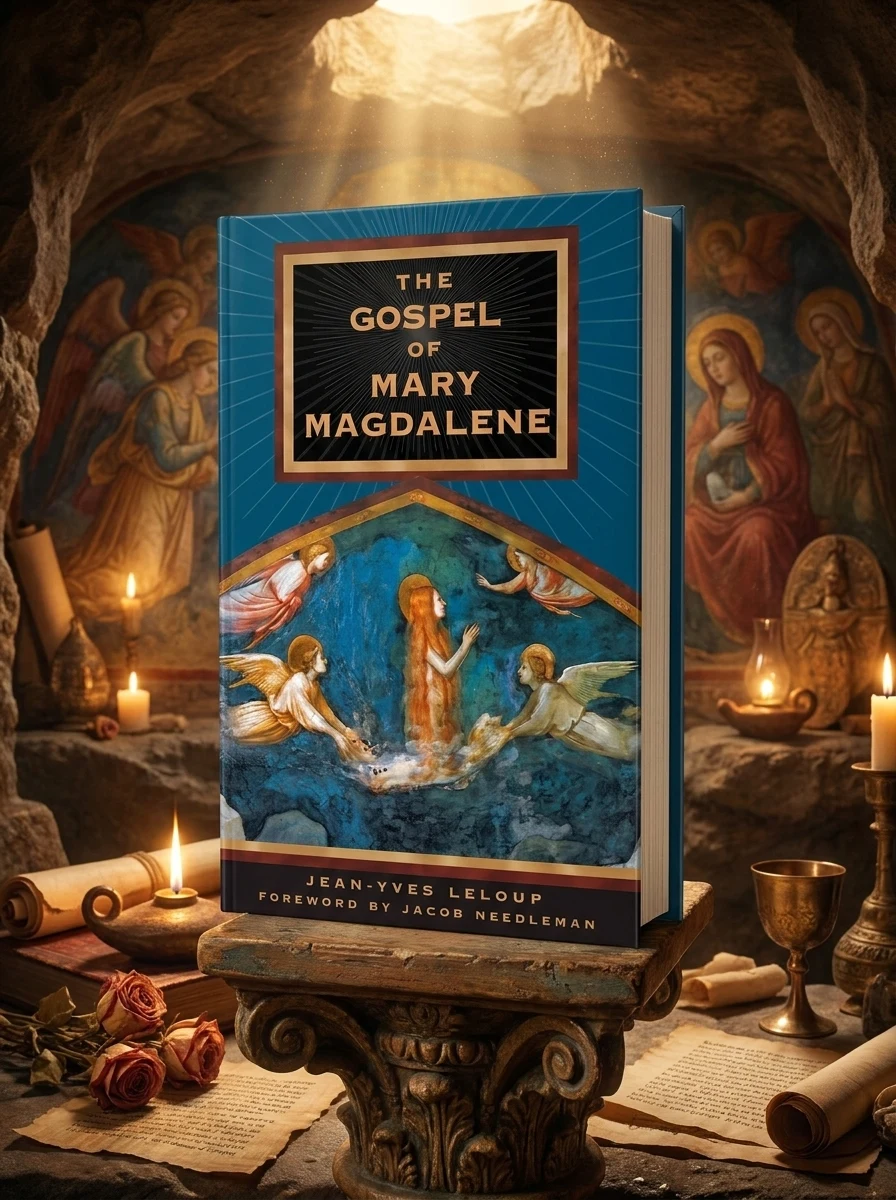
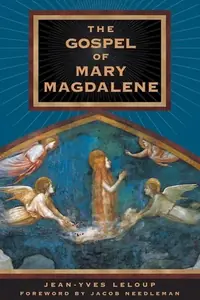
The Gospel of Mary Magdalene

LeLoup, Jean-Yves
Reader rating
4.6
(3 reviews) 54 sold
In stock

Stock reported in the catalog; fulfillment is confirmed with your request.

📚 ABOUT THE BOOK

Uncover the silenced divine feminine and Mary Magdalene’s true spiritual authority in this groundbreaking translation.

Jean-Yves Leloup presents the first complete English translation of the Coptic Gospel of Mary, accompanied by meticulous line-by-line commentary. This work challenges the traditional narrative that reduces Mary Magdalene to a redeemed sinner, instead highlighting her role as a foundational witness to the Resurrection and a key figure in Gnostic thought. By restoring the divine feminine to its rightful place in Christian history, Leloup offers a profound re-examination of early Christian theology, spiritual hierarchy, and the controversial legacy of one of history’s most misunderstood saints.

Key themes
Divine Feminine Gnostic Christianity Mary Magdalene
Historical context

This text belongs to the tradition of Gnostic thought and early Christian theology, specifically addressing the controversial legacy of Mary Magdalene within esoteric spiritual history. It serves as a critical examination of silenced narratives regarding the divine feminine in religious heritage.


Difficulty
●● Moderate
Fans will love it
Karen King · Elaine Pagels · Gnostic Gospel studies
🌌 Mysticism
🏛 Inner Traditions International 📖 208 pages 📔 Paperback 📐 Paperback ISBN: 9780892819119
Fun fact
Leloup’s translation is a vital corrective to centuries of patriarchal interpretation, offering both textual fidelity and accessible commentary. It excels in restoring Mary Magdalene’s dignity and theological importance. However, readers seeking sensationalist mysteries may find the scholarly tone dry. It sits firmly in the academic yet accessible wing of esoteric Christianity, essential for those serious about Gnostic studies.
📚 This book appears in Esoterica Books

📝 Description: The Gospel of Mary Magdalene

Restores to the forefront of the Christian tradition the importance of the divine feminine - The first complete English-language translation of the original Coptic Gospel of Mary, with line-by-line commentary - Reveals the eminence of the divine feminine in Christian thought - Offers a new perspective on the life of one of the most controversial figures in the Western spiritual tradition Perhaps no figure in biblical scholarship has been the subject of more controversy and debate than Mary Magdalene. Also known as Miriam of Magdala, Mary Magdalene was considered by the apostle John to be the founder of Christianity because she was the first witness to the Resurrection. In most theological studies she has been depicted as a reformed prostitute, the redeemed sinner who exemplifies Christ's mercy. Today's reader can ponder her role in the gospels of Philip, Thomas, Peter, and Bartholomew--the collection of what have come to be known as the Gnostic gospels rejected by the early Christian church. Mary's own gospel is among these, but until now it has remained unknown to the public at large. Orthodox theologian Jean-Yves Leloup's translation of the Gospel of Mary from the Coptic and his thorough and profound commentary on this text are presented here for the first time in English. The gospel text and the spiritual exegesis of Leloup together reveal unique teachings that emphasize the eminence of the divine feminine and an abiding love of nature over the dualistic and ascetic interpretations of Christianity presented elsewhere. What emerges from this important source text and commentary is a renewal of the sacred feminine in the Western spiritual tradition and a new vision for Christian thought and faith throughout the world.

💎 Expert review

💎
Esoterica Books editorial team
Occult literature desk
Jean-Yves Leloup delivers a groundbreaking translation that challenges long-held narratives about Mary Magdalene. While the line-by-line commentary is meticulous and the restoration of the divine feminine is compelling, this book may not suit readers who prefer orthodox theological perspectives or those uninterested in Gnostic thought. The work demands an openness to reinterpreting early Christian history and spiritual hierarchy. It is best for those ready to question traditional reductions of Mary’s role. However, individuals seeking straightforward dogmatic instruction rather than esoteric exploration might find the approach too controversial or abstract.
✓ EDITOR'S REVIEW

📖 Why choose it

📖

Why this book is worth reading

Readers seeking to dismantle traditional patriarchal interpretations of early Christianity will find profound value in this work. It is ideal for those interested in the divine feminine, Gnostic philosophy, and the restoration of Mary Magdalene’s spiritual authority. By offering a complete translation alongside meticulous commentary, it empowers seekers to view her not as a redeemed sinner but as a foundational witness to the Resurrection. This book provides a necessary re-examination of spiritual hierarchy and theology, making it essential for anyone wishing to understand the silenced voices of history and reclaim the true legacy of one of Christianity’s most misunderstood figures.

⭐ Reader reviews

The starting rating comes from the team Esoterica Books —
⭐ Esoterica editorial review Editorial rating 4.6/5
★★★★
Readers interested in Gnostic texts, feminist theology, and alternative Christian histories will find this translation and commentary essential for understanding the marginalized spiritual lineage of Mary Magdalene.

Reader rating

4.6
Based on 3 reviews
5
1
4
2
3
0
2
0
1
0
K
Kevin M. ✓ Verified purchase
March 5, 2026
My new favorite

This has been on my wishlist for months. A text you study rather than simply read. The text itself is dense but rewarding — you get out what you put in. Recommended if you're ready to do the work.

H
Hugo H.
November 26, 2024
Worth the read

I keep coming back to this one. A text you study rather than simply read. You can tell why this work has endured. Some archaic spellings slow things down. Recommended with reservations.

E
Esoterica Books editorial team

Jean-Yves Leloup delivers a groundbreaking translation that challenges long-held narratives about Mary Magdalene. While the line-by-line commentary is meticulous and the restoration of the divine feminine is compelling, this book may not suit readers who prefer orthodox theological perspectives or those uninterested in Gnostic thought. The work demands an openness to reinterpreting early Christian history and spiritual hierarchy. It is best for those ready to question traditional reductions of Mary’s role. However, individuals seeking straightforward dogmatic instruction rather than esoteric exploration might find the approach too controversial or abstract.

❓ Frequently asked questions

Yes, Leloup’s commentary provides clear context for the Coptic text, making it approachable for those new to Gnostic literature while offering depth for scholars.
Unlike fictionalized accounts, this is a scholarly translation of the primary source text, accompanied by theological analysis that restores her historical and spiritual significance.

📖 Who should read this

Readers interested in Gnostic texts, feminist theology, and alternative Christian histories will find this translation and commentary essential for understanding the marginalized spiritual lineage of Mary Magdalene.

🎯 Key themes and symbolism

Divine Feminine

Gnostic Christianity

Mary Magdalene

💬 Quotes from the book

“Mary Magdalene, the sister of the Saviour, whom he loved more than all the disciples...”

“The Lord said to her, 'Why do you hesitate? Do not be afraid, O woman of faith.'”

📜 Historical context

For centuries, the Gospel of Mary was lost to mainstream Christianity, suppressed by orthodox theologians who favored patriarchal structures. Rediscovered in the late 19th century, this Coptic text challenges the canonical Gospels by presenting a community where women held equal spiritual authority. Leloup’s work situates this text within the broader debate of early Christian diversity, contrasting Gnostic inclusivity with emerging orthodox dogma.

📚 Glossary

Coptic
Gnostic
Resurrection

📔 Questions to reflect on

  1. How does the image of Mary Magdalene as a 'sinner' versus a 'spiritual leader' change your understanding of early Christian history?
  2. In what ways does the concept of the 'divine feminine' resonate with your personal spiritual practice today?
  3. How might the suppression of women’s voices in religious texts have shaped modern perceptions of gender and authority?

🏛 Books from this publisher Inner Traditions International

All books from this publisher →
You might also like

See more →