
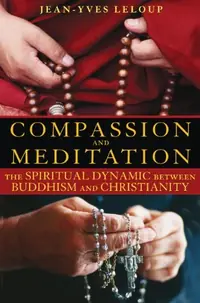
Compassion and Meditation: The Spiritual Dynamic Between Buddhism and Christianity
LeLoup, Jean-YvesThis edition can be ordered. No arrival date is confirmed.
Discover how Eastern meditation and Western compassion illuminate a shared spiritual path.
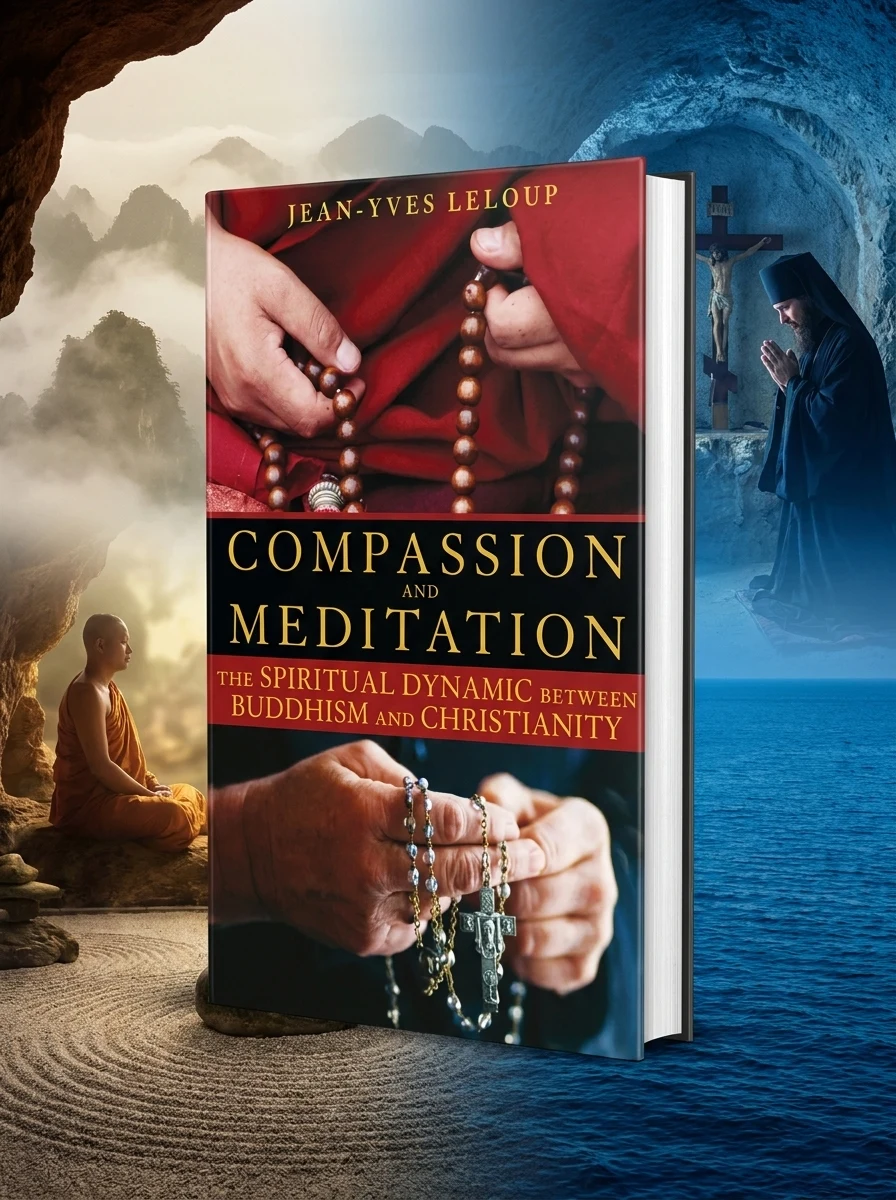
Jean-Yves Leloup offers a profound exploration into the synergistic relationship between Buddhist and Christian spiritual traditions. Employing the evocative metaphor of mountain (meditation) and ocean (compassion), he meticulously compares practices like Zen meditation and Greek Orthodox Hesychasm. Leloup unveils how figures such as Buddha, representing awakening through meditation, and Jesus, embodying awakening through love, are not in opposition but are essential complements. This work suggests a truly ecumenical foundation, revealing deep common ground and highlighting how these distinct yet profound paths collectively foster a complete spiritual awakening.
This work resides within the contemporary interfaith dialogue movement, bridging Eastern contemplative traditions with Western Christian mysticism through a modern esoteric lens. It reflects the late twentieth-century trend of synthesizing global spiritual wisdom into unified metaphysical frameworks.


📝 Description: Compassion and Meditation: The Spiritual Dynamic Between Buddhism and Christianity
💎 Expert review
📖 Why choose it
Why this book is worth reading
Readers seeking a harmonious bridge between Buddhist mindfulness and Christian love will find profound comfort in this text. Those feeling torn between intellectual rigor and spiritual emotion will appreciate how Leloup unites the mountain of meditation with the ocean of compassion. It is ideal for ecumenical seekers who desire a complete awakening without abandoning their specific heritage. If you crave depth beyond surface-level comparisons, this guide offers essential complementarity between awakening through awareness and awakening through love.
⭐ Reader reviews
Reader rating
Leloup provides a compelling, albeit abstract, synthesis of Zen and Hesychast practices. The mountain-ocean metaphor effectively illustrates the necessity of both stillness and active love in spiritual maturity. However, readers expecting rigorous academic theological debate or historical textual criticism may find this approach overly poetic and lacking in scholarly depth. It is less suitable for those who prefer strict doctrinal boundaries over syncretic exploration. Ultimately, it serves best as a meditative companion rather than a definitive theological treatise.
❓ Frequently asked questions
📖 Who should read this
If you're a spiritual seeker curious about the convergence of Eastern and Western mysticism, or someone looking to deepen your understanding of contemplative practices across faiths, this book will illuminate new pathways. It's ideal for those open to ecumenical dialogue.
🎯 Key themes and symbolism
Interfaith Spiritual Dialogue
Leloup masterfully bridges the perceived divide between Buddhism and Christianity, demonstrating their profound commonalities rather than focusing solely on differences. He argues for a complementary relationship, suggesting that understanding one tradition can deepen appreciation and practice within the other, fostering a richer, more inclusive spiritual perspective.
Contemplative Practices Compared
The book draws insightful parallels between core meditative traditions. Specifically, it examines the rigorous stillness of Zen meditation alongside the heart-centered prayer of Greek Orthodox Hesychasm. By comparing these distinct yet spiritually resonant practices, Leloup illuminates universal principles of inner contemplation and spiritual transformation found across diverse faiths.
Complementary Paths to Awakening
This work posits that Buddha, representing awakening through profound meditation and wisdom, and Jesus, embodying awakening through boundless love and compassion, are two halves of a complete spiritual whole. It explores how their distinct yet interconnected teachings offer a holistic blueprint for profound personal and universal enlightenment, transcending denominational boundaries.
💬 Quotes from the book
“The contemplative stillness of the mountain finds its perfect echo in the boundless embrace of the ocean.”
“Jesus and Buddha, rather than opposing figures, emerge as two necessary halves of a complete spiritual awakening.”
📜 Historical context
📚 Glossary
- Hesychasm
- Ecumenical
- Compassion
📔 Questions to reflect on
- Reflect on a time when you experienced both profound inner stillness (meditation) and deep empathy (compassion). How did these experiences relate to or inform each other in your own life?
- Consider the idea of 'awakening through love' versus 'awakening through meditation.' Which path resonates more strongly with you currently, and why? How might integrating the other path enrich your journey?
- Leloup suggests that diverse spiritual traditions are complementary. How might embracing this perspective change your understanding or practice within your own spiritual or philosophical framework?
✍️ More books by this author LeLoup, Jean-Yves
All books by this author →


🏛 Books from this publisher Inner Traditions International
All books from this publisher →




You might also like
See more →
 82
82