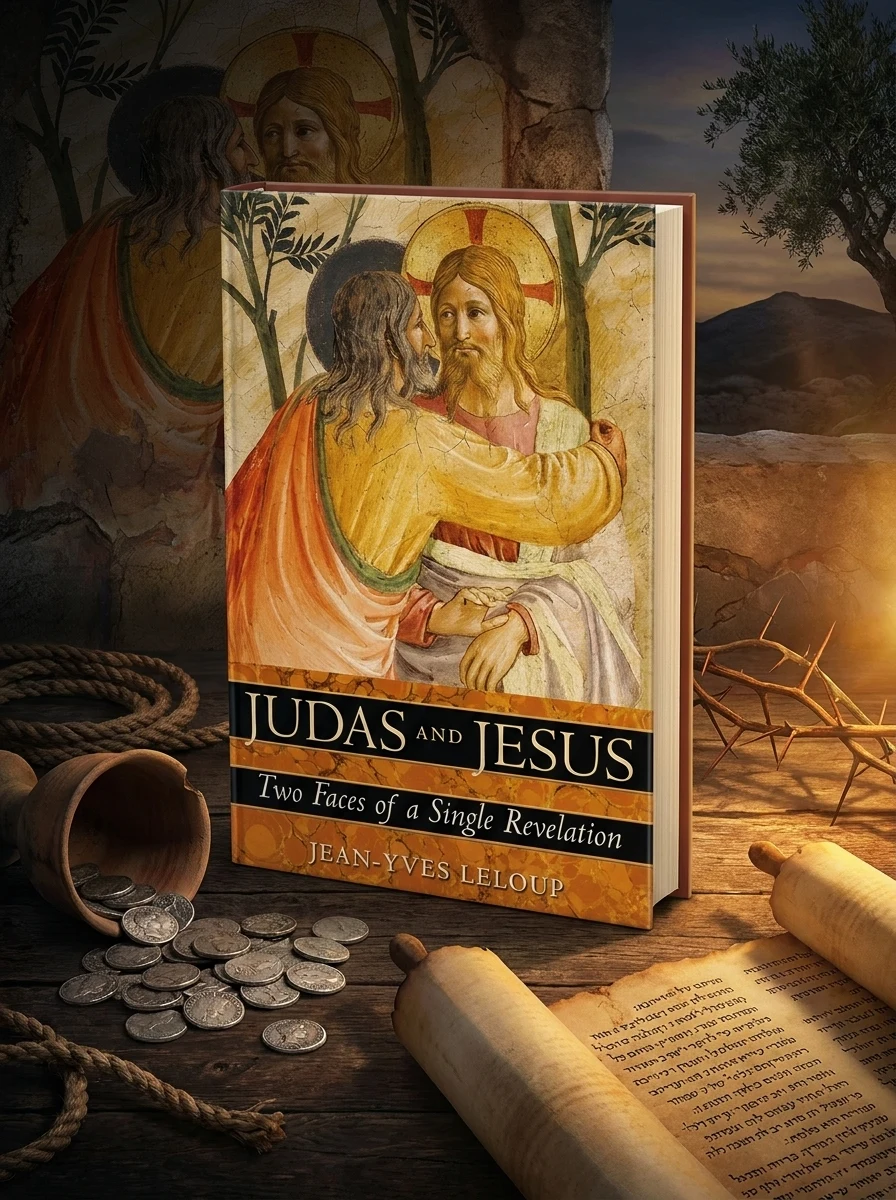


Judas and Jesus: Two Faces of a Single Revelation
LeLoup, Jean-Yves

This edition can be ordered. No arrival date is confirmed.
What if Judas wasn't a betrayer, but a pivotal player in divine revelation?
Jean-Yves Leloup radically reinterprets the enigmatic figure of Judas Iscariot, challenging centuries of condemnation. Drawing on canonical gospels, ancient apocryphal texts, and notably the Coptic Gospel of Judas, Leloup posits that Judas's actions were not simply avarice or treachery. Instead, he reveals a profound, divinely orchestrated drama where Jesus himself persuaded Judas to undertake the painful role of the 'betrayer.' This groundbreaking perspective reframes Judas as an essential participant in a cosmic plan, enduring immense personal sacrifice on his path to a deeper spiritual realization, shattering conventional understanding.
This work sits within the modern esoteric reinterpretation of Christian mysticism, drawing heavily on Gnostic texts like the Coptic Gospel of Judas to challenge traditional theological narratives. It bridges ancient apocryphal scholarship with contemporary spiritual philosophy.


📝 Description: Judas and Jesus: Two Faces of a Single Revelation
💎 Expert review
📖 Why choose it
Why this book is worth reading
Readers fascinated by the intersection of history, theology, and personal transformation will find this book deeply rewarding. It offers a compassionate lens for those struggling with themes of betrayal, sacrifice, and misunderstood intentions. If you have ever felt misjudged or sought to understand the darker, more complex sides of spiritual devotion, Leloup’s perspective provides profound comfort. It invites you to look beyond conventional morality and explore the hidden depths of divine mystery. This is essential for anyone willing to question established dogmas in search of a more nuanced, spiritually mature understanding of faith and human nature.
⭐ Reader reviews
Reader rating
Leloup presents a provocative thesis that demands intellectual engagement rather than passive acceptance. Readers seeking straightforward biblical literalism or traditional doctrinal reinforcement will likely find this work frustrating and alienating. It requires an openness to Gnostic interpretations and a willingness to sit with theological discomfort. While the argument is coherent within its specific esoteric framework, it may feel too speculative for those grounded in orthodox Christian tradition. It is best suited for open-minded seekers comfortable with alternative histories of early Christianity.
❓ Frequently asked questions
📖 Who should read this
If you've ever questioned conventional biblical narratives or sought a deeper, more mystical understanding of the New Testament, this book is for you. Readers interested in Gnostic perspectives, esoteric Christianity, and challenging established dogma will find Leloup's insights profoundly transformative.
🎯 Key themes and symbolism
Reinterpreting Judas's Role
Explores how Judas is recast from a villain to a necessary instrument of divine will. It delves into the idea that his 'betrayal' was a preordained act, essential for the crucifixion and subsequent revelation, rather than simple human failing or greed, urging a reconsideration of his historical and theological significance.
Divine Orchestration
Examines the concept that Jesus actively guided Judas into his fated role. This theme suggests that the entire Passion narrative, including the perceived betrayal, was part of a larger, sacred plan, challenging the notion of human free will versus divine predestination in this pivotal event within a mystical framework.
Personal Sacrifice & Self-Discovery
Focuses on the immense personal cost Judas endured by accepting his difficult task. It explores his journey to the limits of human experience, losing all he cherished, yet ultimately finding a profound path to his true self and an eternal place alongside Jesus, as promised within Gnostic traditions.
💬 Quotes from the book
“"There where I am," spoke Jesus to Judas, "is where I wish you."”
“The traditional portrayal of Judas as a simple avaricious betrayer fails to grasp the profound, almost incomprehensible, spiritual drama truly unfolding.”
📜 Historical context
📚 Glossary
- Gnostic
- Apocryphal Texts
- Coptic Codex
📔 Questions to reflect on
- How does understanding Judas as a divinely appointed figure alter your perception of free will versus predestination in religious narratives?
- If Jesus deliberately orchestrated his own 'betrayal,' what does this imply about the nature of sacrifice and the path to spiritual awakening?
- Reflect on a time you felt compelled to play an unpopular or misunderstood role for a greater, unseen purpose. How does Judas's story resonate with that experience?
✍️ More books by this author LeLoup, Jean-Yves
All books by this author →


🏛 Books from this publisher Inner Traditions International
All books from this publisher →





You might also like
See more →