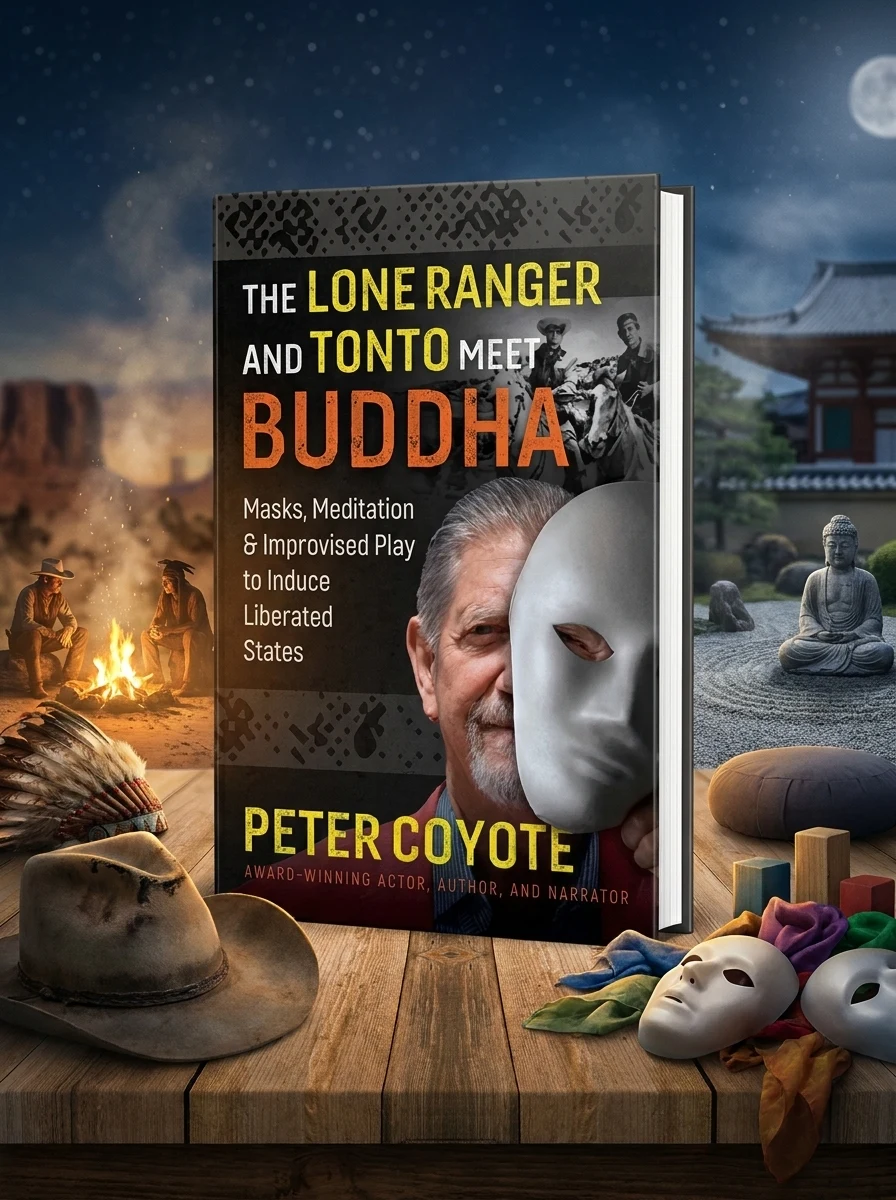
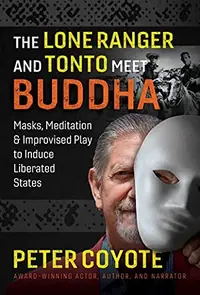
The Lone Ranger and Tonto Meet Buddha: Masks, Meditation, and Improvised Play to Induce Liberated States


This edition can be ordered. No arrival date is confirmed.
Shed the burden of self-identity and awaken your true, spontaneous nature through playful exploration.
Peter Coyote masterfully combines the transformative power of masks, the stillness of meditation, and the freedom of improvisation to guide readers beyond the confines of overthinking, self-doubt, and rigid self-perception. This unique methodology aims to quiet the ego's constant strategizing, fostering an internal spaciousness where spontaneous joy and authentic self-expression can flourish. Drawing deeply from Buddhist philosophy, Coyote elucidates the spiritual rationale behind these practices, all presented within an engaging, lighthearted parable of the Lone Ranger and Tonto's unexpected encounter with spiritual awakening.
This work sits at the intersection of contemporary Western esotericism and practical spirituality, blending traditional Buddhist philosophy with accessible, narrative-driven self-help methodologies. It reflects a modern trend of integrating indigenous or pop-culture metaphors into serious spiritual inquiry to make ancient wisdom more approachable for a general audience.


📝 Description: The Lone Ranger and Tonto Meet Buddha: Masks, Meditation, and Improvised Play to Induce Liberated States
💎 Expert review
📖 Why choose it
Why this book is worth reading
Readers burdened by the weight of rigid self-identity and chronic overthinking will find profound relief in this guide. If you struggle with self-doubt or feel trapped by your ego’s constant strategizing, Peter Coyote offers a gentle, playful exit route. By combining masks, meditation, and improvisation, the book helps you shed unnecessary burdens and awaken your spontaneous nature. It is ideal for those seeking authentic self-expression without the heaviness of traditional dogma. The lighthearted parable format makes deep spiritual concepts accessible, allowing you to cultivate internal spaciousness and discover joy through playful exploration rather than strenuous effort. It is a compassionate tool for anyone ready to let go of control and embrace their true, liberated state.
⭐ Reader reviews
Reader rating
Coyote’s unique synthesis of Buddhist philosophy with the whimsical Lone Ranger narrative offers a refreshing take on spiritual awakening. The integration of masks and improvisation provides tangible methods for quieting the mind, making abstract concepts like ego-transcendence feel practical and immediate. However, this approach may not suit readers who prefer rigorous academic theology or strictly traditional, text-heavy meditation guides. Those seeking serious, scholarly analysis of Eastern philosophy might find the parable format too simplistic or distracting from deeper doctrinal study. It is best appreciated by those open to unconventional, experiential learning styles who value emotional resonance and playful engagement over strict orthodoxy. The tone is undeniably warm and inviting, but its effectiveness relies on a willingness to embrace absurdity as a path to truth.
❓ Frequently asked questions
📖 Who should read this
If you're seeking liberation from the mental chatter and the confining grip of your perceived identity, this book offers a refreshingly playful and deeply insightful path. It's for the spiritual explorer ready to engage with unconventional, embodied practices.
🎯 Key themes and symbolism
Ego Dissolution Through Play
Explores how the deliberate act of donning masks and engaging in unscripted scenarios can effectively quiet the ego's incessant demands. This process allows practitioners to shed fixed notions of self, opening pathways to more fluid, authentic, and liberated states of being beyond defensive self-identification.
Mindfulness and Spontaneity
Details a series of techniques that blend meditative awareness with improvisational exercises. The goal is to cultivate a calm, present mind that can spontaneously respond to life, fostering a natural playfulness and creativity often suppressed by overthinking and fear of judgment.
Embodied Buddhist Wisdom
Unpacks the philosophical foundations of these practices, illustrating how Zen Buddhist principles, such as non-self and impermanence, are not merely abstract concepts but can be directly experienced and embodied through masks and spontaneous action, leading to profound spiritual insight.
💬 Quotes from the book
“The mask does not hide you; it reveals the myriad possibilities of who you are beyond the confines of your name and history.”
“True wisdom often emerges not from careful planning, but from the spacious, unconditioned mind that dares to simply *be*.”
📜 Historical context
📚 Glossary
- Ego Suppression
- Improvised Play
- Liberated States
📔 Questions to reflect on
- Recall a moment when you felt entirely unburdened by self-consciousness. What circumstances allowed for that freedom, and how might you consciously recreate them?
- What 'roles' or 'masks' do you frequently adopt in your daily interactions? What underlying fears or desires might compel you to wear them?
- How might embracing a spirit of 'play' or spontaneous action shift your approach to spiritual practice or personal challenges?
🏛 Books from this publisher Inner Traditions International
All books from this publisher →


You might also like
See more →