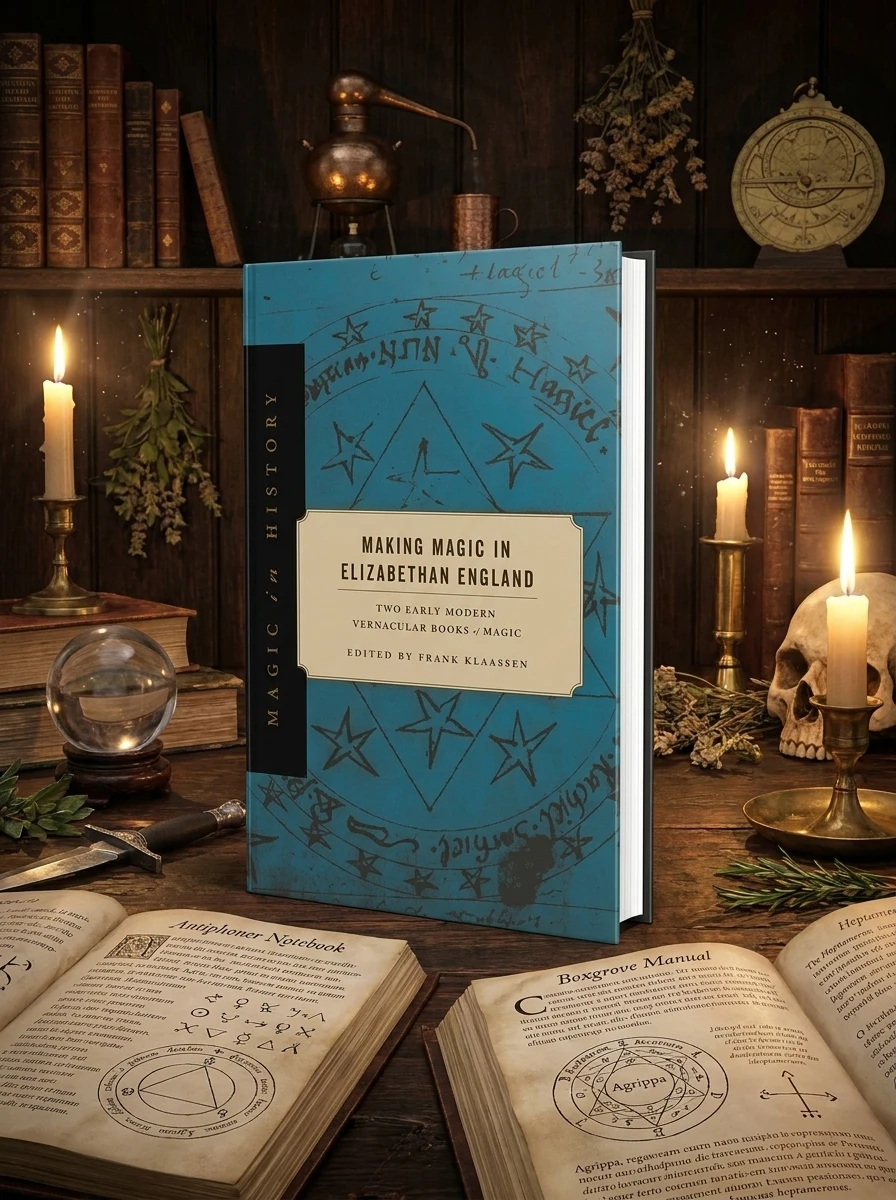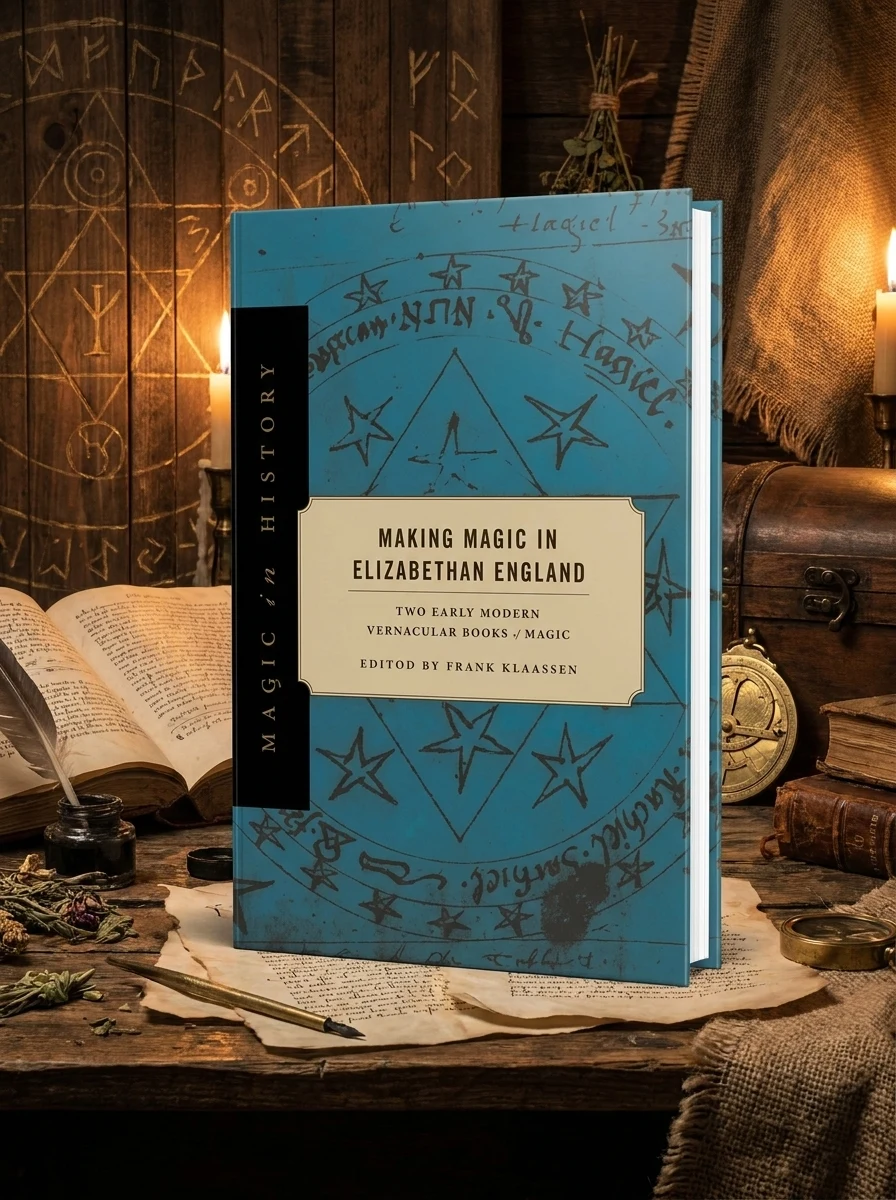
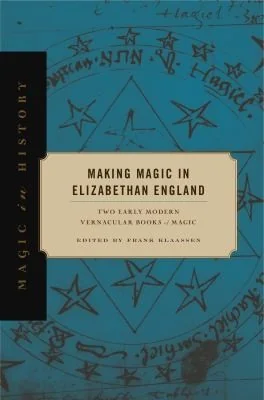
Making Magic in Elizabethan England: Two Early Modern Vernacular Books of Magic Klaassen, Frank
✍️ Klaassen, FrankFrank Klaassen meticulously unveils the vibrant magical landscape of Elizabethan England through two previously under-examined manuscripts: the scholarly Boxgrove Manual and the practical Antiphoner Notebook. This essential work demonstrates how the practice of magic transformed from medieval traditions into its early modern forms, influenced by key historical shifts like the Renaissance, Reformation, and the advent of printing. Klaassen illustrates how these anonymous practitioners creatively adapted and synthesized diverse magical sources, offering unparalleled insight into the actual workings of early modern occultism.


Praise for this book
“Frank Klaassen's welcome and lively edition of two Elizabethan magical manuscripts brings to a wider readership works that would otherwise be both arcane in their subject matter and hard to access in their physical form. This is valuable in itself, but Klaassen's adept framing of the texts adds significantly to the usefulness of his book.”
📝 Description: Making Magic in Elizabethan England: Two Early Modern Vernacular Books of Magic Klaassen, Frank
📑 What's inside
- Acknowledgments
- List of Abbreviations
- General Introduction: The Devil in the Details
- The Antiphoner Notebook
- Introduction
- The Text
- The Boxgrove Manual
- Introduction
- The Text
- Appendixes
- Bibliography
- Index
💎 Expert review
📖 Why choose it
Why this book is worth reading
Scholars and dedicated enthusiasts of early modern occultism will find immense value in this meticulous exploration of two previously under-examined manuscripts: the scholarly Boxgrove Manual and the practical Antiphoner Notebook. Readers interested in the intersection of history, religion, and magic will appreciate how Frank Klaassen illuminates the creative adaptations of anonymous practitioners who synthesized diverse sources during a period of profound historical shift. This book offers unparalleled insight into the actual workings of early modern occultism, revealing how the advent of printing and key religious changes transformed magical practice. It is essential for those seeking to understand the forgotten secrets of Elizabethan sorcery and its surprising evolution beyond standard narratives.
⭐ Reader reviews
Reader rating
Klaassen provides a rigorous academic examination of vernacular magic, relying heavily on specific manuscript analysis rather than broad generalizations. While it successfully demonstrates the synthesis of medieval and Renaissance ideas, this text is not suited for casual readers seeking entertaining tales of witchcraft or simple historical overviews. The dense focus on the Boxgrove Manual and Antiphoner Notebook may feel overly specialized to those without a background in early modern history or theology. Readers looking for accessible pop-history or sensationalized accounts of Elizabethan sorcery will likely find the scholarly tone and specific manuscript details dry and inaccessible, as it prioritizes academic precision over narrative flair.
❓ Frequently asked questions
📖 Who should read this
For anyone fascinated by the true history of magic, Renaissance occultism, or the daily lives of early modern practitioners, this book is indispensable. Scholars of European history, religion, and the occult will find Klaassen's detailed analysis and manuscript editions profoundly insightful.
🎯 Key themes and symbolism
Magic's Shifting Landscape
Klaassen expertly charts the significant transformations magic underwent during the Elizabethan era. He reveals how ancient conjuring traditions were reinterpreted and blended with emerging philosophical currents, demonstrating a crucial evolutionary period that laid the groundwork for modern magical practices, moving beyond simplistic notions of static traditions.
Accessibility and Adaptation
This volume highlights how magic became increasingly accessible, shifting from Latin scholarly texts to vernacular languages. The author shows how practitioners weren't merely copying but actively adapting and synthesizing diverse sources, from Grimoires to folk charms, reflecting a dynamic and evolving engagement with occult knowledge in everyday life.
Unveiling Practitioner's Art
Far from abstract theory, Klaassen dives into the practical application of magic as recorded by anonymous scribes. He illuminates how individuals combined elements from various traditions—learned ritual magic, treasure hunting, healing, and protection charms—to create bespoke magical systems, offering a rare glimpse into the actual work of historical magical practitioners.
📜 Historical context
📚 Glossary
- Antiphoner Notebook
- Boxgrove Manual
- Vernacularization
📔 Questions to reflect on
- Reflect on how the move from Latin to vernacular languages might have changed who practiced magic and how it was perceived in society.
- Consider the implications of individual practitioners synthesizing diverse magical sources. What does this tell us about their understanding and creativity, versus simply following traditions?
- How might the rise of printing and the Reformation have simultaneously challenged and reshaped magical beliefs and practices in the 16th century?