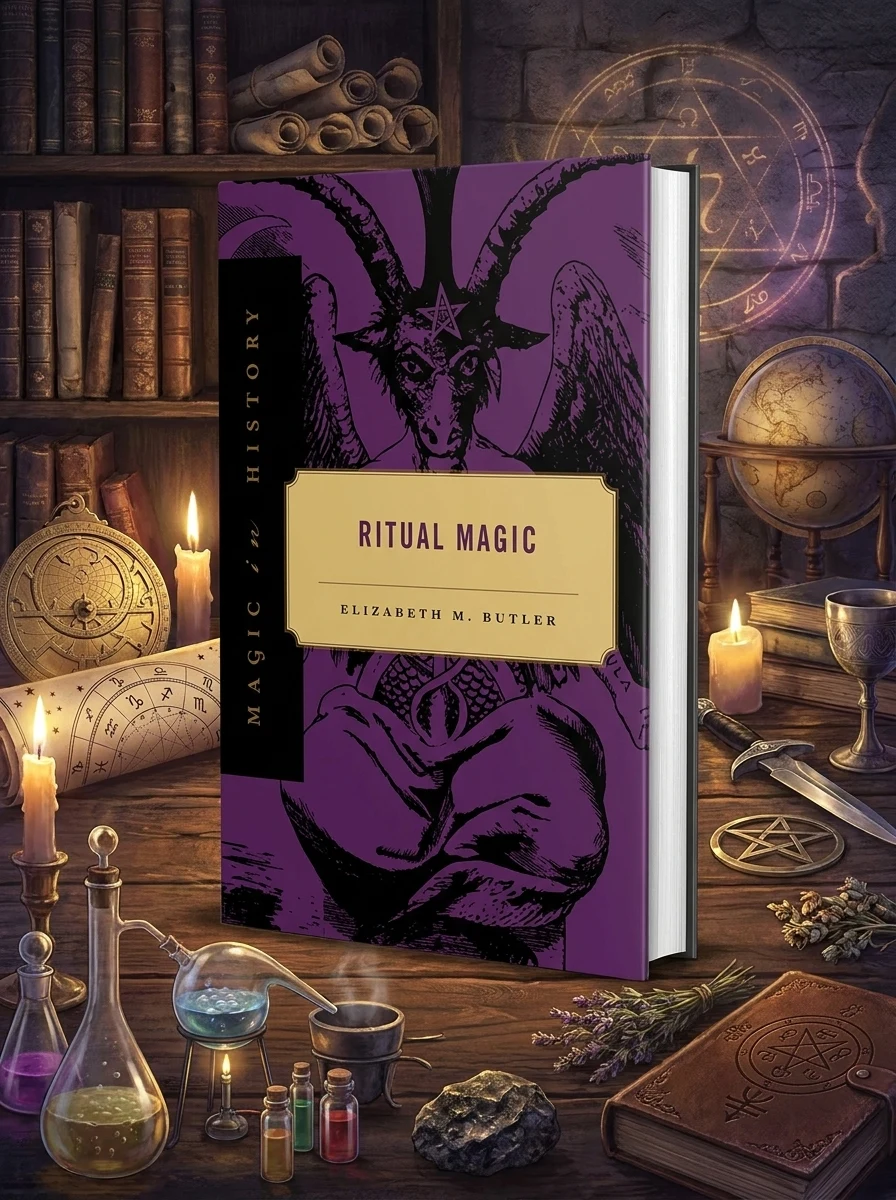
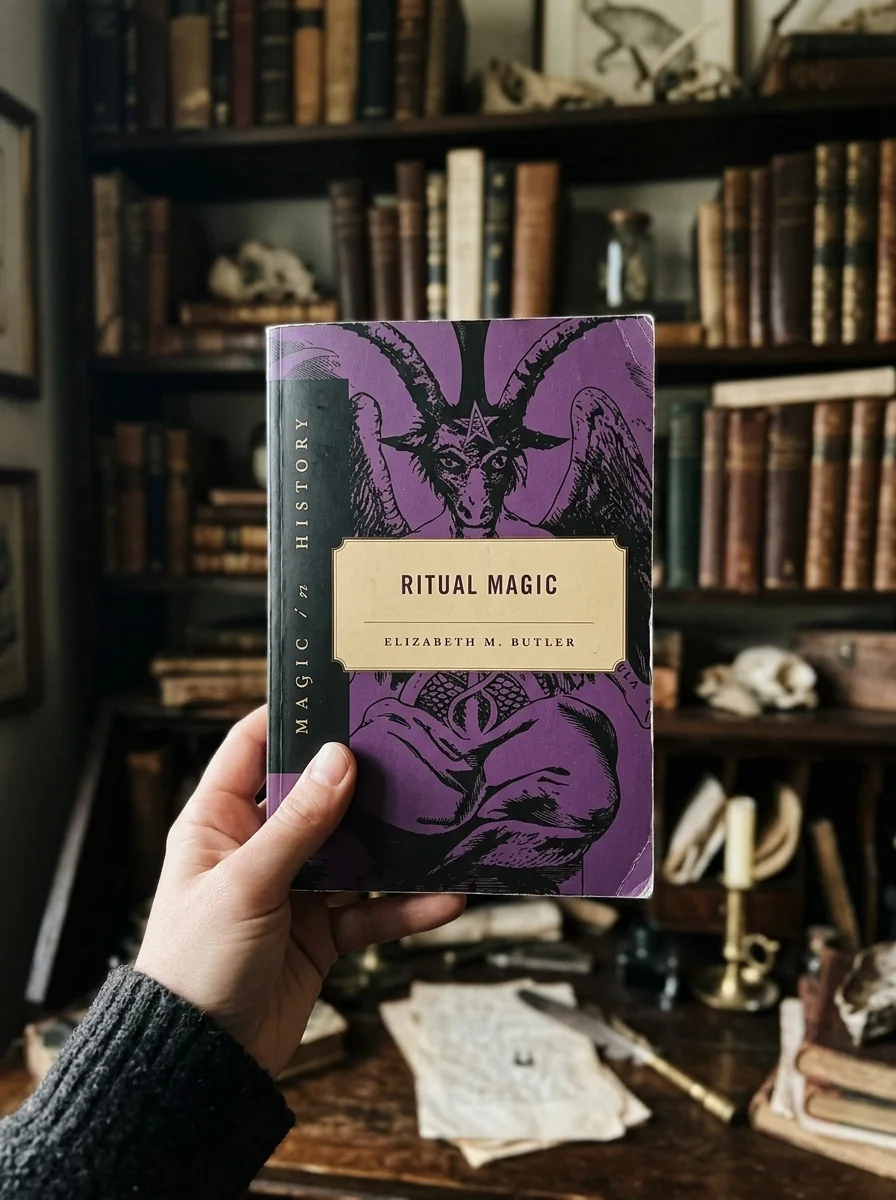
Ritual Magic Butler, Elizabeth M
Elizabeth M. Butler's seminal work delves into the intricate world of ritual magic, distinguishing it from related occult disciplines like astrology and alchemy. Rather than predicting fortunes or transmuting matter, ritual magic aims for direct manipulation of spiritual entities and cosmic energies through precise rites and invocations. This scholarly exploration navigates the historical landscape of these practices, particularly during the European Renaissance, offering a comprehensive look at the beliefs, methods, and societal impact of those who sought power through ceremonial means. It's a foundational text for understanding a complex and often misunderstood branch of esoteric knowledge.


📝 Description: Ritual Magic Butler, Elizabeth M
💎 Expert review
📖 Why choose it
Why this book is worth reading
Scholars and serious students of the occult will find immense value in Elizabeth M. Butler’s rigorous distinction between ritual magic and other esoteric fields like alchemy or astrology. This book is essential for those who wish to understand the specific mechanics of ceremonial practices during the European Renaissance, rather than just their symbolic meanings. By focusing on the direct manipulation of cosmic energies and spiritual entities, it provides a necessary framework for interpreting historical occult texts accurately. Readers tired of superficial guides will appreciate the depth and precision offered here, making it an indispensable resource for anyone aiming to grasp the true societal impact and methodological roots of Renaissance ceremonial magic.
⭐ Reader reviews
Reader rating
Butler offers a dense, academic dissection of ritual magic that prioritizes historical accuracy over accessibility. While invaluable for researchers tracking the evolution of European esoteric thought, this work is not suitable for casual readers seeking practical spell-casting instructions or mystical inspiration. The focus on scholarly distinction between disciplines may feel dry to those expecting narrative flair or immediate applicability. It serves best as a reference text for understanding the intellectual landscape of Renaissance occultism rather than a guide for modern practice. Those looking for light, engaging introductions to magic should look elsewhere.
❓ Frequently asked questions
📖 Who should read this
If you're captivated by the historical intersection of magic, religion, and philosophy, or seek to understand the academic roots of modern occultism, this book is essential. It's perfect for scholars and serious students keen on a rigorous, dispassionate analysis of ceremonial magic's past.
🎯 Key themes and symbolism
The Art of Evocation
This book meticulously examines the core principles and elaborate procedures involved in summoning spiritual entities. It details the grimoires, symbols, and incantations practitioners employed, illustrating how they believed they could compel unseen forces—from angels to daemons—to do their bidding through ritual precision and unwavering will, rather than mere supplication.
Demonology and Its Dangers
Butler dedicates significant attention to the darker currents of ritual magic, exploring the historical fascination with demonology and pacts. The text analyzes the perceived risks and moral dilemmas inherent in such endeavors, shedding light on the theological and cultural anxieties surrounding attempts to command infernal powers for worldly gain or forbidden knowledge during the Renaissance period.
Renaissance Occult Revival
The work richly contextualizes ritual magic within the intellectual and spiritual ferment of the European Renaissance. It reveals how ancient hermetic traditions, Kabbalistic lore, and classical philosophy converged to inspire a resurgence of ceremonial magic, showing how these practices were not isolated aberrations but intertwined with the broader cultural and religious currents of the era.
📜 Historical context
📚 Glossary
- Grimoire
- Evocation
- Goetia
📔 Questions to reflect on
- How did the prevailing religious beliefs of the Renaissance influence the development and perception of ritual magic?
- Consider the ethical dilemmas inherent in attempting to command spiritual entities. How might historical practitioners have rationalized their actions?
- If ritual magic is distinct from astrology and alchemy, what unique human desire or ambition does it specifically cater to or attempt to fulfill?