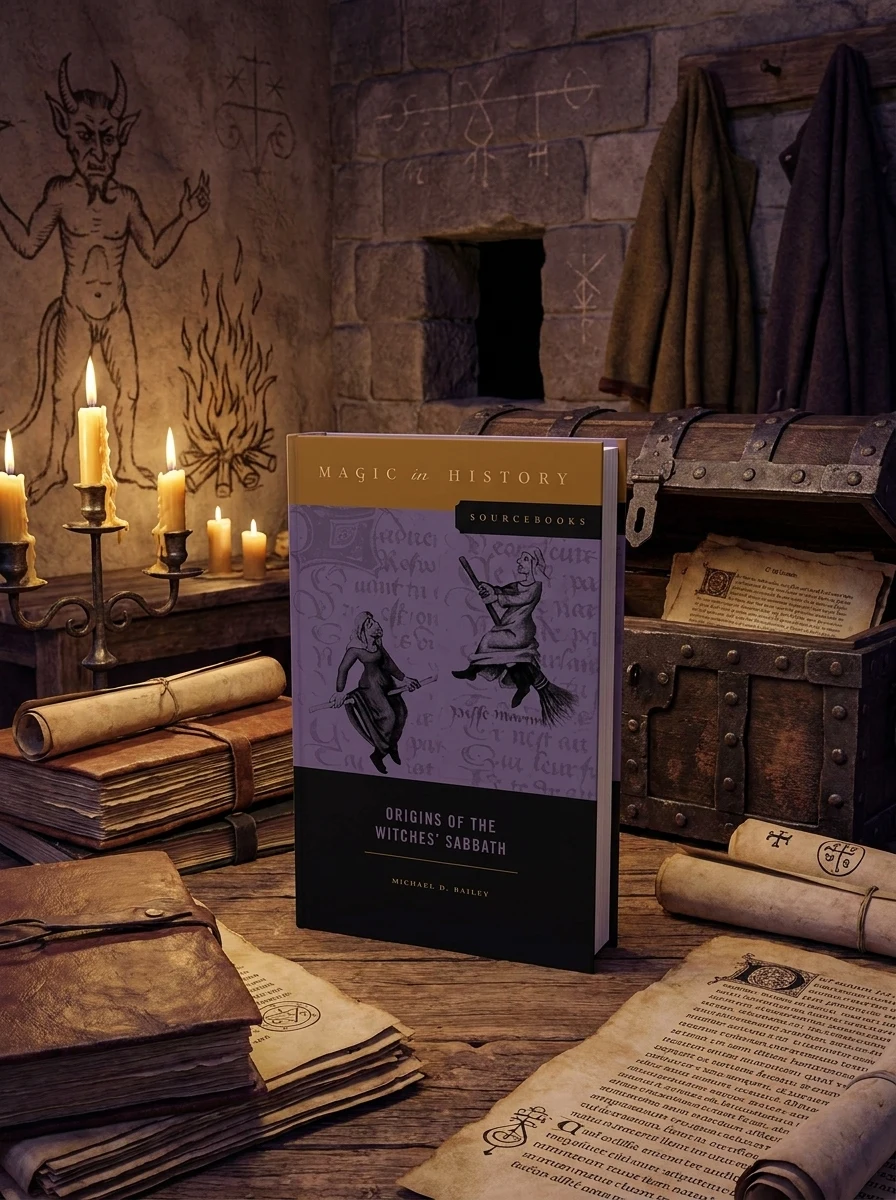
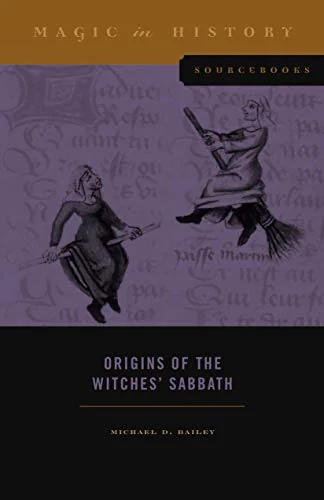
Origins of the Witches' Sabbath Bailey, Michael D
✍️ Bailey, Michael DMichael D. Bailey meticulously traces the emergence of the Witches' Sabbath, a concept profoundly different from earlier notions of harmful magic. This scholarly collection reveals how the perception of individual sorcery evolved into the terrifying specter of organized, demonic conspiracy. By presenting the earliest surviving texts from the 1430s, many newly translated, Bailey illuminates the critical shift that fueled centuries of witch hunts across Northern Europe. These foundational documents, including pivotal trial records, offer unparalleled insight into the creation of a diabolical narrative that continues to resonate in occult lore.


Praise for this book
“These are extremely important texts that merit wide attention in English. They are absolutely crucial to understanding the origins of ecclesiastical concern over what common people had long described as witchcraft but had been largely dismissed as impossible and/or illusory since the tenth century.”
📝 Description: Origins of the Witches' Sabbath Bailey, Michael D
📑 What's inside
- Acknowledgements
- Map
- General Introduction
- Hans Fründ, Report on Witchcraft in Valais
- Claude Tholosan, So That the Errors of Magicians
- and Witches
- Anonymous, Errors of the Gazarii
- Johannes Nider, Anthill
- Anonymous, The Vauderie of Lyon
- A Pair of Fifteenth-Century Trials
- Selected Bibliography
- Index
💎 Expert review
📖 Why choose it
Why this book is worth reading
Readers deeply interested in the intellectual architecture of early modern persecution will find immense value in this text. It offers a rigorous examination of how the terrifying specter of an organized, demonic conspiracy emerged from earlier, distinct notions of harmful magic. By analyzing pivotal trial records and foundational documents from the 1430s, the book illuminates the critical shift that fueled centuries of witch hunts across Northern Europe. It is essential for those seeking to understand the genesis of the Witches' Sabbath myth and its profound impact on history, providing unparalleled insight into a narrative that continues to resonate in occult lore today.
⭐ Reader reviews
Reader rating
Bailey delivers a meticulous scholarly analysis that is indispensable for academic inquiry into the origins of witch-hunting ideologies. The text excels in tracing the emergence of the Witches' Sabbath concept through newly translated early surviving texts, offering a clear view of the diabolical narrative's creation. However, this work does not suit casual readers seeking narrative fiction or those looking for practical magical instruction. It is strictly for historians and researchers willing to engage with dense academic discourse regarding trial records and textual evolution in fifteenth-century Northern Europe.
❓ Frequently asked questions
📖 Who should read this
For students of medieval history, religious studies, or anyone fascinated by the dark origins of Western esotericism. If you seek to understand how the terrifying myth of the collective Witches' Sabbath came to dominate the European imagination, this collection of primary sources is essential.
🎯 Key themes and symbolism
Genesis of the Sabbath Myth
This volume meticulously documents the historical moment when the notion of isolated practitioners of harmful magic transformed into the terrifying idea of large, organized gatherings of witches. It highlights the specific 15th-century texts that first articulated the conspiratorial and diabolical elements central to the sabbath concept.
Primary Source Revelations
Bailey's work provides unprecedented access to foundational documents that shaped our understanding of witchcraft. Translating crucial texts, some previously unavailable in English, allows readers to engage directly with the original accusations and descriptions, observing firsthand how the diabolical conspiracy narrative took root.
Evolution of Diabolical Witchcraft
The book illustrates the critical transition from localized maleficium beliefs to institutionalized fear of diabolical pacts. It demonstrates how a handful of 15th-century texts, concentrated around the western Alps, forged a powerful, enduring image of witchcraft that influenced legal proceedings and popular imagination for centuries.
📜 Historical context
📚 Glossary
- Witches' Sabbath
- Maleficium
- Diabolical Conspiracy
📔 Questions to reflect on
- Consider how the concept of a "conspiracy" influences societal fears today. What parallels can you draw with the fear of the Witches' Sabbath?
- How might the availability of new primary source translations change our understanding of historical events or popular narratives about witchcraft?
- Reflect on the power of belief systems to shape legal proceedings and public perception, even in the absence of tangible evidence.