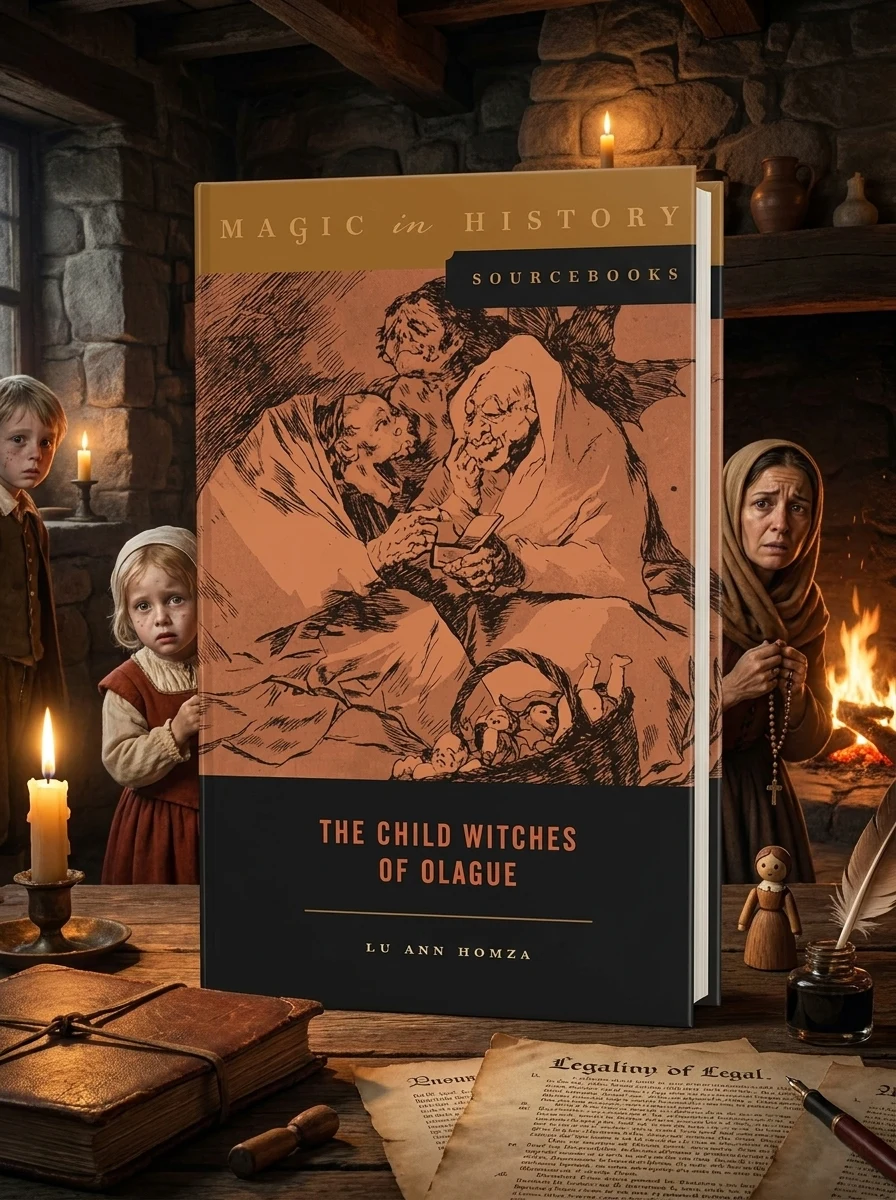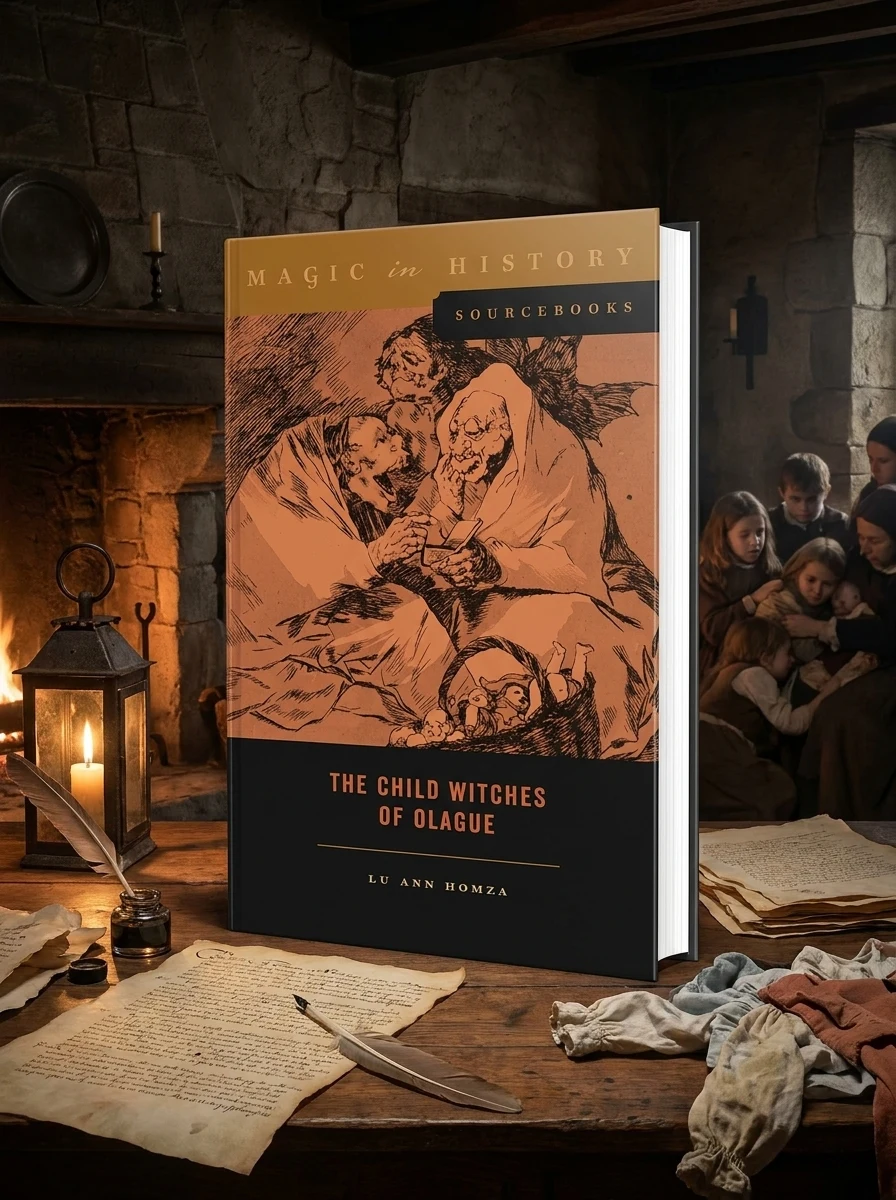
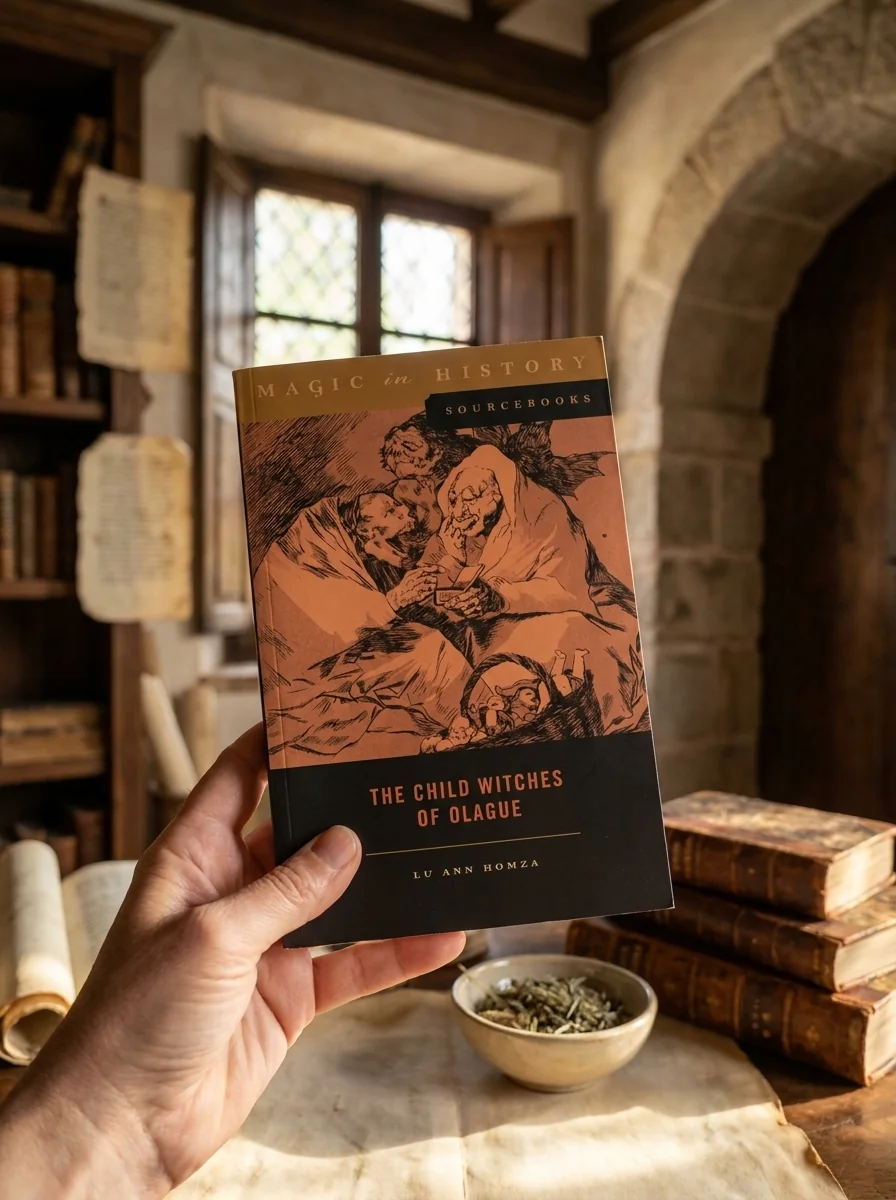
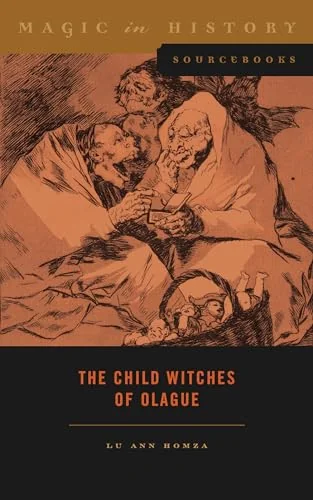
The Child Witches of Olague Homza, Lu Ann
✍️ Homza, Lu AnnLu Ann Homza's compelling work unearths the harrowing accounts of children in early 17th-century Navarre, Spain, who declared themselves bewitched. Through newly discovered Spanish legal documents, this volume translates and annotates three pivotal court cases from Olague (1611-1612). Readers gain unprecedented access to the testimonies of illiterate children, their families, and accusers, offering profound insights into the emotional intensity of witch-hunting, the dynamics of early modern Iberian life, and the surprising agency of youth in shaping adult society and legal outcomes.


Praise for this book
“These invaluable cases will be of immense interest to anyone interested in the histories of early modern Spain, the Spanish Inquisition, witchcraft, law, popular culture, and childhood, among other topics. By opening up new perspectives on a famous set of witchcraft cases, Homza's collection offers new insights into social and familial dynamics that could fuel seemingly 'irrational' crazes. This is an outstanding resource for the study of early modern social, family, religious, and legal history.”
📝 Description: The Child Witches of Olague Homza, Lu Ann
💎 Expert review
📖 Why choose it
Why this book is worth reading
Scholars and history enthusiasts fascinated by the intersection of law, childhood, and gender will find this volume indispensable. Lu Ann Homza provides a rare window into the lives of illiterate children who unexpectedly held sway over legal outcomes in 1611-1612 Spain. By translating previously inaccessible Spanish court documents, she reveals how young voices ignited terror and shaped adult society. Readers seeking to understand the emotional intensity of witch-hunting and the surprising agency of youth will gain profound insights into early modern Iberian life. This book is essential for those interested in how marginalized groups, including children, influenced historical events through their testimonies.
⭐ Reader reviews
Reader rating
Homza’s meticulous translation of court cases offers valuable primary source access, yet it demands patience from casual readers. The text is dense with legal procedural details and historical context that may overwhelm those seeking narrative drama or broad generalities about witchcraft. It does not suit readers looking for sensationalist tales of coven rituals or simplified moral judgments. Instead, it appeals to academic audiences or dedicated historians willing to navigate complex social dynamics. Those expecting a light read on occult practices will likely find the focus on legal documentation and child psychology too specialized and rigorous for their tastes.
❓ Frequently asked questions
📖 Who should read this
For those captivated by the social history of early modern Europe, the chilling reality of witch trials, or the unexpected power of marginalized voices. If you seek to understand the human drama behind historical legal documents, this book offers a singular, deeply affecting experience.
🎯 Key themes and symbolism
Child Agency and Power
Homza illuminates how the declarations of children, often overlooked in historical narratives, held immense sway in legal proceedings and profoundly impacted the lives of adults accused of witchcraft. It explores the societal implications of these young voices, demonstrating their unexpected power to alter community dynamics and legal outcomes during this period.
Witch Hunt Dynamics
This book delves into the raw emotions and societal pressures that fueled the Navarre witch trials. It details the fear-driven responses of parents and communities, leading to vigilante justice and the tragic persecution of neighbors based on accusations. It provides a granular view of how collective anxiety could escalate into widespread terror.
Early Modern Social Fabric
Beyond the accusations, the text offers a window into the intricacies of 17th-century Spanish society. It highlights prevailing gender norms, the pervasive honor codes that governed daily interactions, and the complex legal and social structures of the period, demonstrating how these elements intertwined with the accusations of witchcraft.
📜 Historical context
📚 Glossary
- Navarre
- Early Modern Period
- Inquisition
📔 Questions to reflect on
- Consider the implications of children's testimony in legal proceedings, then and now. How do societal beliefs shape our understanding of truth?
- Reflect on the concept of 'honor' in early modern society. How might a perceived slur or accusation affect a family's standing and lead to extreme reactions?
- Imagine yourself as a parent in 17th-century Navarre. How would you navigate fear, rumor, and the safety of your family amidst accusations of witchcraft?