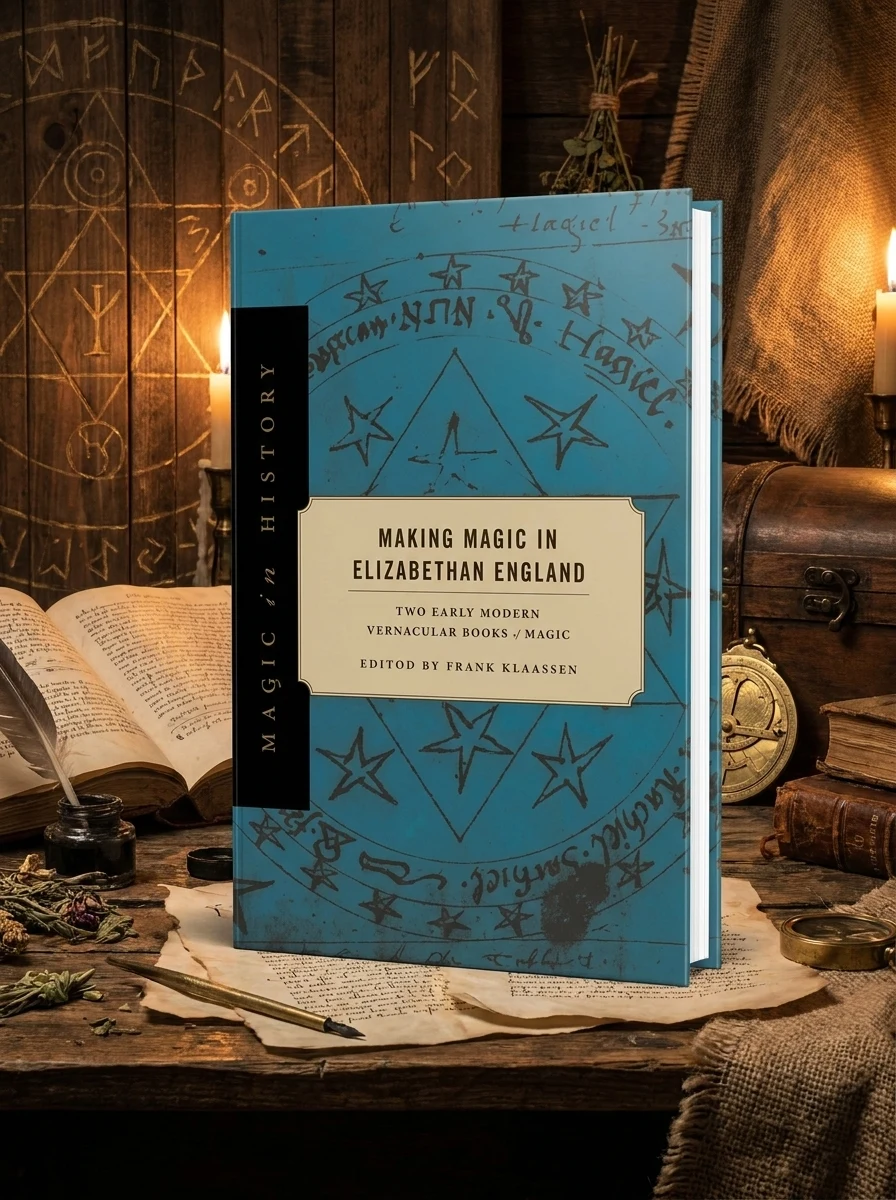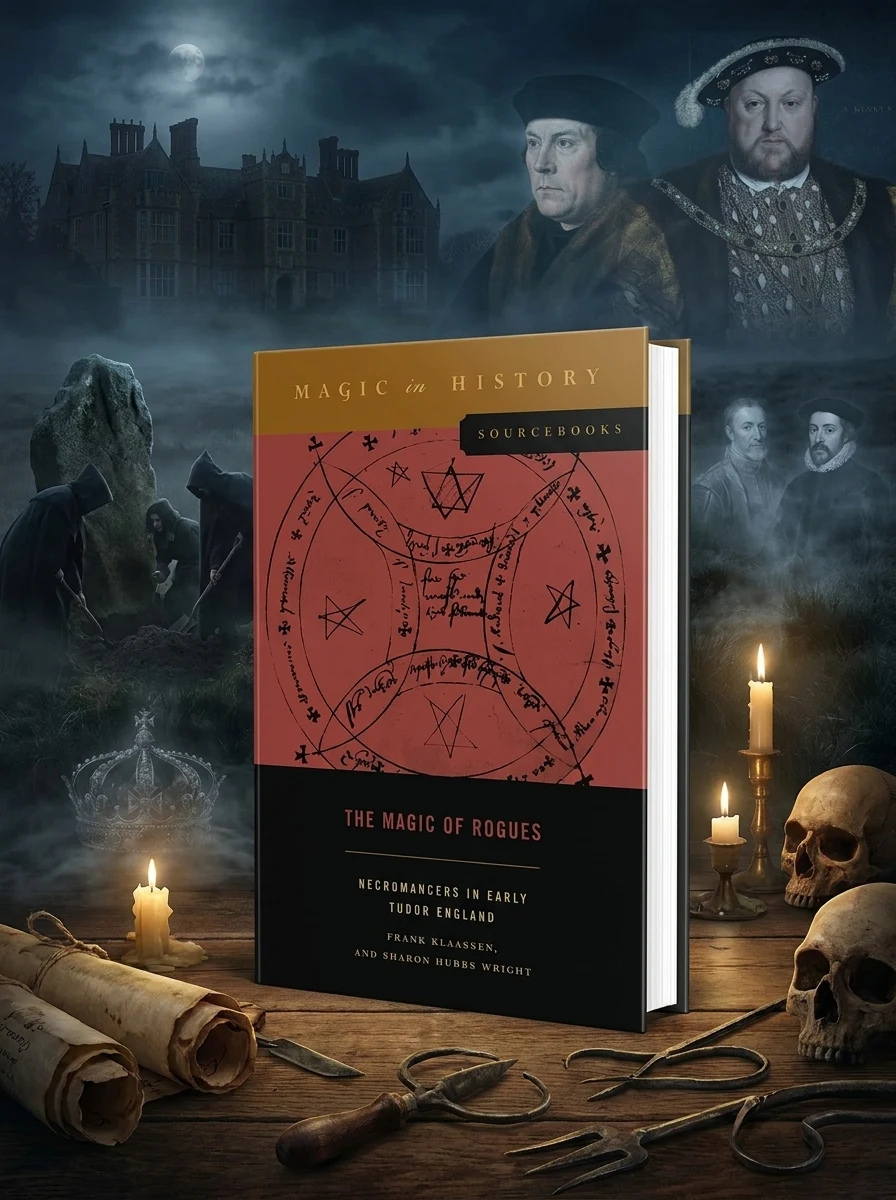
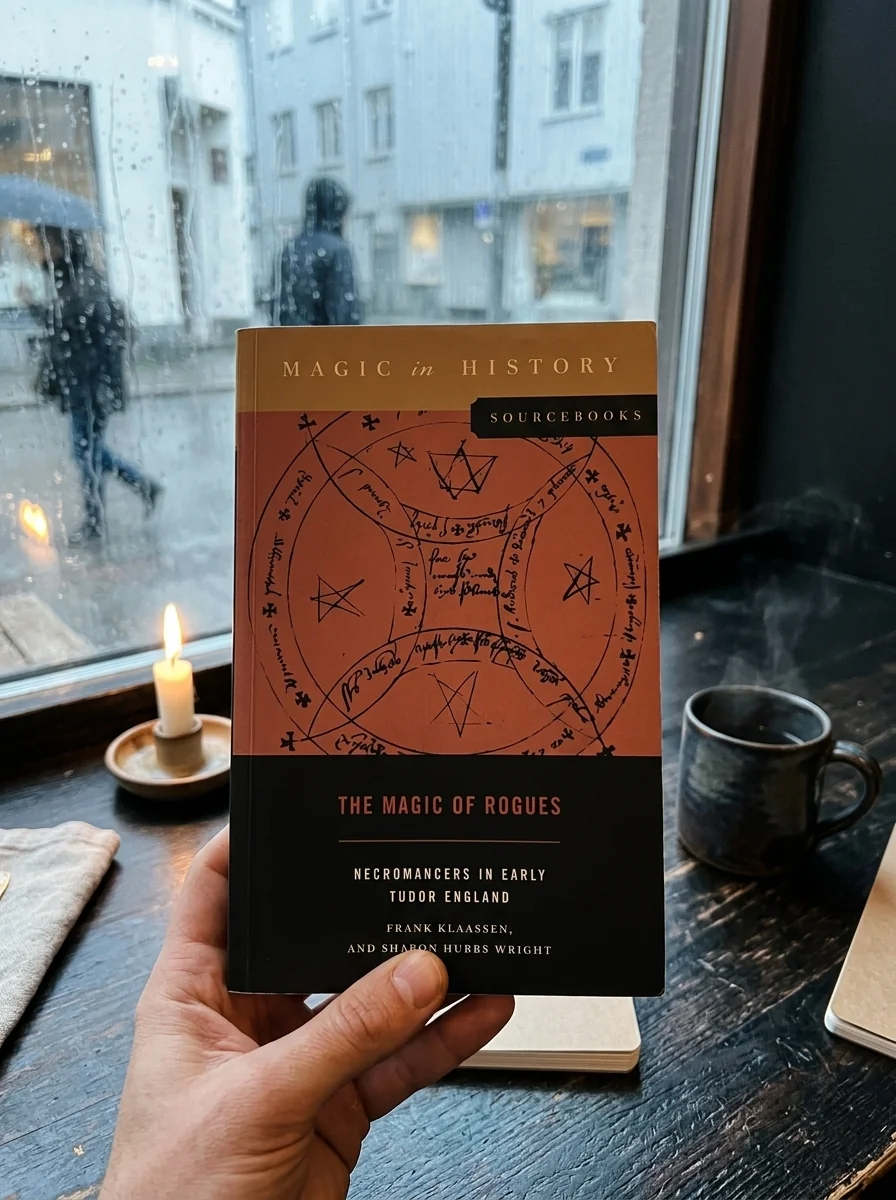
The Magic of Rogues: Necromancers in Early Tudor England Klaassen, Frank
✍️ Klaassen, Frank; , Wright, Sharon HubbsThis compelling study by Klaassen and Wright delves into the clandestine world of early Tudor necromancers, revealing their activities through fascinating legal documents. Focusing on high-profile cases like the 1510 York treasure hunt and William Neville's prophetic magic, the authors translate and contextualize original records. They illuminate how these magical practitioners formed complex networks for sharing knowledge and resources, distinguishing their experiences from conventional witchcraft narratives. This work offers an unparalleled glimpse into the regulation of magic and the lives of those who dared to wield it.


Praise for this book
“With its innovative combination of magical texts and legal documents, this is an important research contribution and offers an excellent set of annotated sources for teaching not just about magic but also about power, belief, and ambition in Tudor England.”
📝 Description: The Magic of Rogues: Necromancers in Early Tudor England Klaassen, Frank
📑 What's inside
- Acknowledgements
- General Introduction
- Part 1: Magic and the Secular Authorities
- 1. William Neville and His Magicians: The Legal Documents
- 2. Power, Knowledge, and Influence: The Magic Texts
- Part 2: Magic and Ecclesiastical Authorities
- 3. The Fellowship of the Mixindale Hoard: The Legal Documents
- 4. Treasure Hunting: The Magic Texts
- Conclusion
- Bibliography
- Index
💎 Expert review
📖 Why choose it
Why this book is worth reading
This book is essential for historians of magic, legal scholars, and readers fascinated by the underground networks of early modern Europe. It offers a unique perspective on necromancy not as isolated superstition but as a structured activity governed by complex social dynamics. By translating original legal records, the authors reveal how practitioners shared resources and knowledge while evading authorities. Readers interested in the nuanced relationship between power and occult practice will find this study invaluable. It moves beyond sensationalist witchcraft narratives to provide a grounded analysis of Tudor magical communities. Those seeking to understand the lived experiences of 'hidden mages' and their perilous interactions with the state will gain deep insight here. It is a rigorous yet accessible exploration of forbidden knowledge.
⭐ Reader reviews
Reader rating
Klaassen and Wright deliver a meticulous academic study that will appeal primarily to specialists in Tudor history and legal anthropology. The reliance on translated legal documents provides fresh evidence regarding necromantic networks, distinguishing these practitioners from conventional witchcraft figures. However, this focus may alienate general readers seeking narrative flair or popular occult guides. The text is dense with historical context rather than engaging storytelling. It lacks the accessibility required for casual enthusiasts of ceremonial magic who prefer mystical theory over archival analysis. Scholars will appreciate the depth, but the average bookshop visitor looking for practical spells or dramatic anecdotes will likely find this work too dry and academically rigorous for their tastes.
❓ Frequently asked questions
📖 Who should read this
For anyone captivated by the hidden histories of magic, legal scholars exploring early modern jurisprudence, or enthusiasts of Tudor England's less-trodden paths. If you seek to understand the intricate interplay between power, belief, and the occult, this book offers profound insights.
🎯 Key themes and symbolism
Occult Networks & Exchange
Discover the intricate web of connections among magicians and cunning folk. This research highlights how practitioners weren't isolated figures but collaborated, sharing texts, tools, and clients. It provides a unique view into the communal and often secretive infrastructure that supported magical endeavors during this period.
Beyond Witchcraft Narratives
This work carefully distinguishes the experiences of Tudor necromancers from later witch trial phenomena. By focusing on specific types of magic and the legal frameworks applied, it challenges simplistic categorizations, offering a nuanced understanding of magical regulation that transcends popular narratives of the "witch hunt."
📜 Historical context
📚 Glossary
- Necromancy
- Cunning Folk
- Tudor England
📔 Questions to reflect on
- Reflect on how the legal and societal perceptions of magic in Tudor England compare to contemporary views on fringe spiritual or esoteric practices.
- Consider the implications of a "networked" magical community. How might shared knowledge and resources influence the power and resilience of such groups?
- Imagine yourself as a Tudor-era official encountering a case of suspected necromancy. What challenges would you face in understanding and prosecuting such a crime?