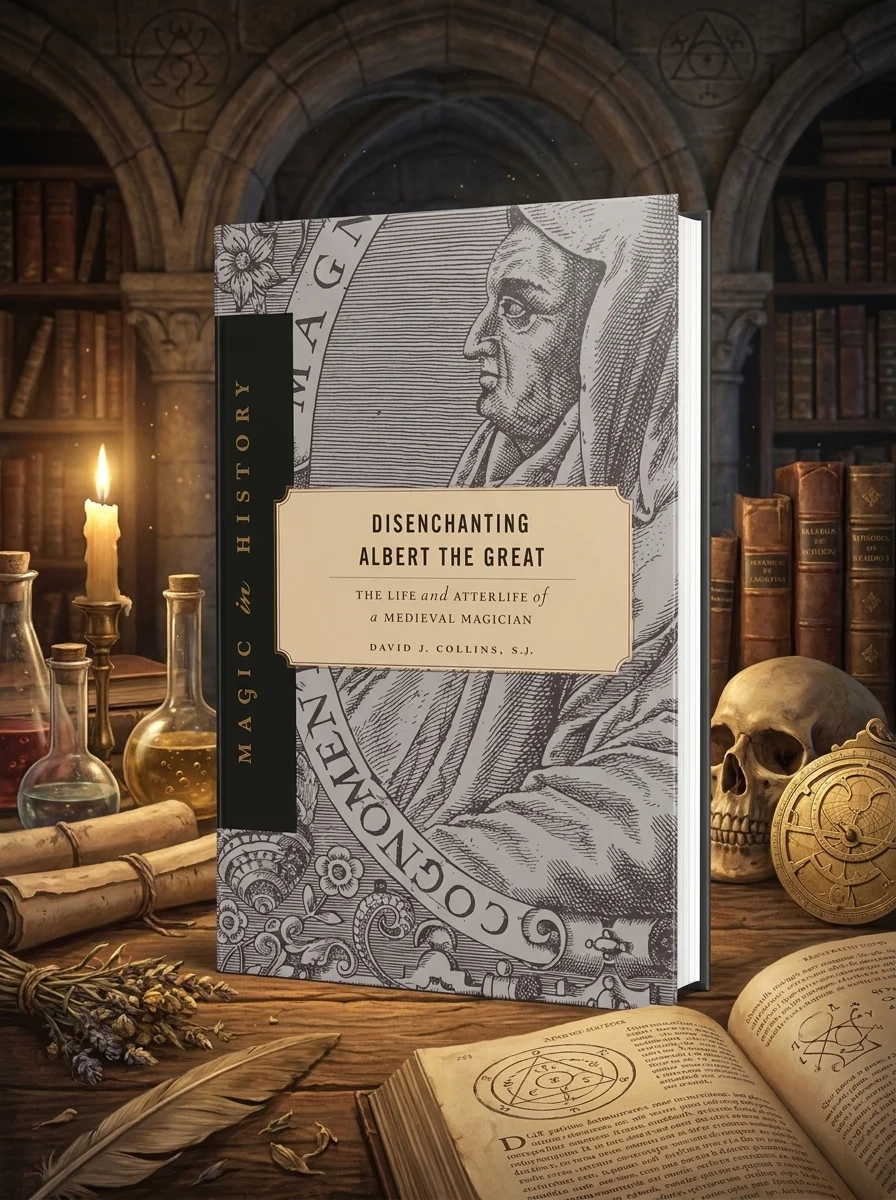
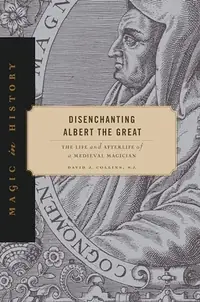
Disenchanting Albert the Great: The Life and Afterlife of a Medieval Magician Collins S J, David J
Collins S J, David JStock reported in the catalog; fulfillment is confirmed with your request.
Unravel the paradox of Albert the Great: canonized saint, scholastic master, and audacious medieval magician.
Dive into the enigmatic legacy of Albert the Great, the esteemed Dominican friar and intellectual mentor to Thomas Aquinas, whose surprising endorsement of magical practices stirred centuries of debate. This compelling study explores how Albert, despite his controversial views, evaded condemnation, ultimately achieving sainthood. It meticulously traces the evolving interpretations of his work, from early adoration to later attempts at disentangling him from 'superstition.' The book illuminates the intricate dance between magic, science, and faith, using Albert's complex reputation as a lens to understand shifting cultural attitudes.
This work situates itself within the historiography of medieval scholasticism and the complex evolution of Western esoteric traditions, exploring the blurred boundaries between faith, science, and magic in the Middle Ages. It engages with the scholarly debate surrounding the reception of Aristotelian thought and its intersection with popular magical beliefs during the era of the Dominican order.


📝 Description: Disenchanting Albert the Great: The Life and Afterlife of a Medieval Magician Collins S J, David J
💎 Expert review
📖 Why choose it
Why this book is worth reading
This book is an essential resource for scholars and enthusiasts of medieval history, theology, and the occult who seek to understand how intellectual figures navigated the precarious line between orthodoxy and heresy. Readers fascinated by the life of Albert the Great will appreciate the nuanced exploration of his dual reputation as a saintly master and a magician. It offers valuable insights into how cultural attitudes toward magic shifted over centuries, making it particularly rewarding for those interested in the history of ideas, the Dominican order, and the intellectual mentorship dynamics between Albert and Thomas Aquinas. If you are intrigued by the paradoxes of medieval intellect and the construction of legendary reputations, this study provides a compelling narrative that disentangles myth from historical reality without oversimplifying the complex theological landscape.
⭐ Reader reviews
Reader rating
This scholarly examination offers a rigorous look at the enigmatic legacy of Albert the Great, effectively tracing how his reputation evolved from early adoration to later attempts at disentanglement from superstition. The author successfully illuminates the intricate relationship between magic, science, and faith, providing a fresh perspective on a canonical figure. However, readers seeking a practical grimoire or sensationalist accounts of medieval sorcery will find this dry academic approach unappealing. It is not suitable for those who prefer narrative-driven biographies over analytical historical critique. The text demands patience from casual readers expecting immediate mythical gratification rather than intellectual nuance.
❓ Frequently asked questions
📖 Who should read this
If you're fascinated by the complex interplay of faith, reason, and the occult in history, this book offers a profound journey. For students of medieval philosophy, magic, or the evolution of intellectual thought, it provides invaluable insights into a truly unique historical figure.
🎯 Key themes and symbolism
Shifting Historical Narratives
Examines the centuries-long process of how Albert's image was shaped and reshaped. From being celebrated for his occult knowledge to later efforts to cleanse his name of 'superstition,' the book dissects the motivations behind these reinterpretations, highlighting how historical figures are often molded to fit contemporary cultural and religious agendas.
Intersections of Knowledge Systems
Investigates the blurred lines between what was considered natural philosophy, proto-science, and magic in the medieval and Renaissance periods. It reveals how these domains were often intertwined, not mutually exclusive, and how Albert's legacy serves as a prime example of the historical tension and occasional harmony between scientific inquiry, spiritual belief, and the practice of the occult.
💬 Quotes from the book
“Albert's intellectual dexterity lay in his ability to theorize the efficacy of certain occult operations without overtly crossing the ecclesiastical line into outright demonic invocation, a tightrope walk few others managed with such enduring success.”
“The 'disenchantment' of Albert was not a sudden revelation but a gradual, deliberate process, reflecting broader shifts in the understanding of rationality, superstition, and the very nature of divine and natural law.”
📜 Historical context
📚 Glossary
- Scholasticism
- Natural Magic
- Canonization
📔 Questions to reflect on
- How might our modern understanding of 'science' and 'magic' limit our appreciation of medieval intellectual pursuits?
- In what ways do contemporary figures' reputations get reinterpreted or 'disenchanted' to fit current societal values?
- Considering Albert's story, what does it reveal about the power of institutional authority (like the Church) to shape historical narratives?
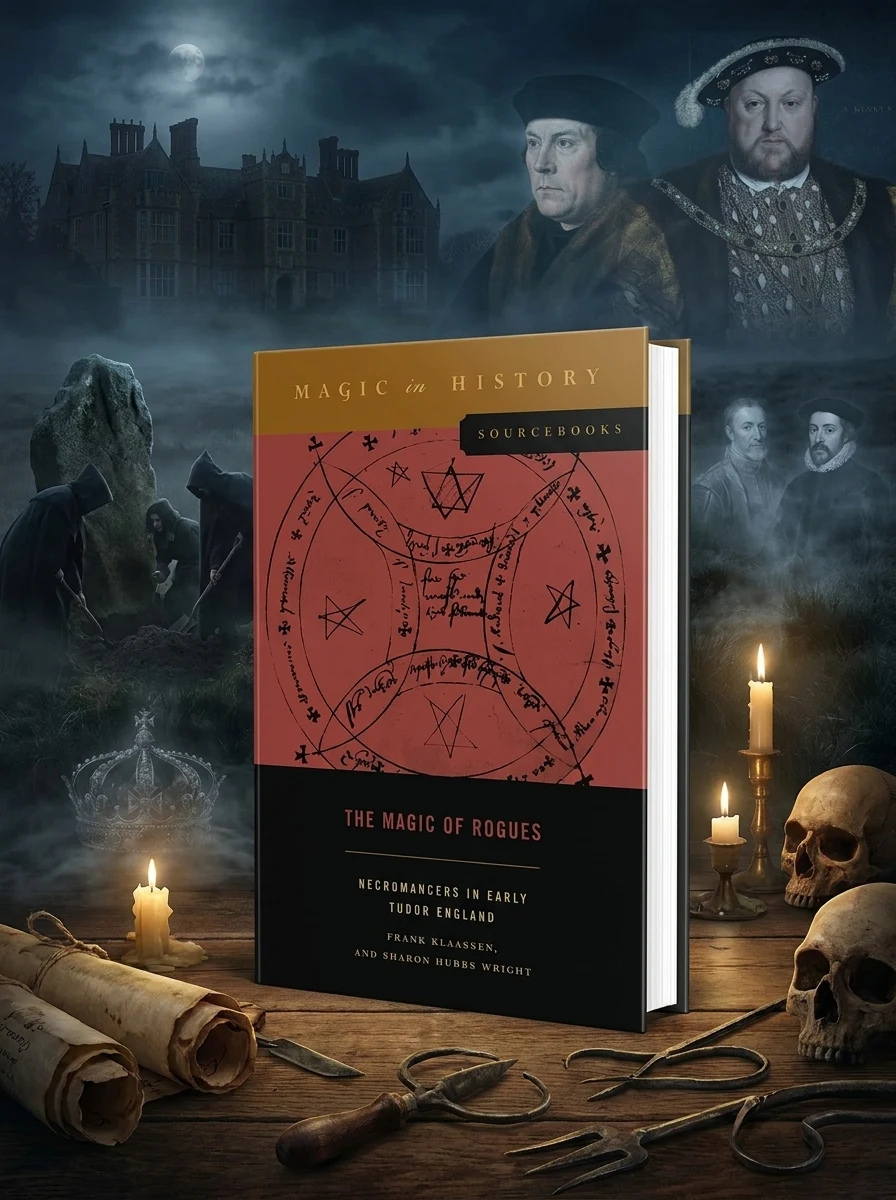
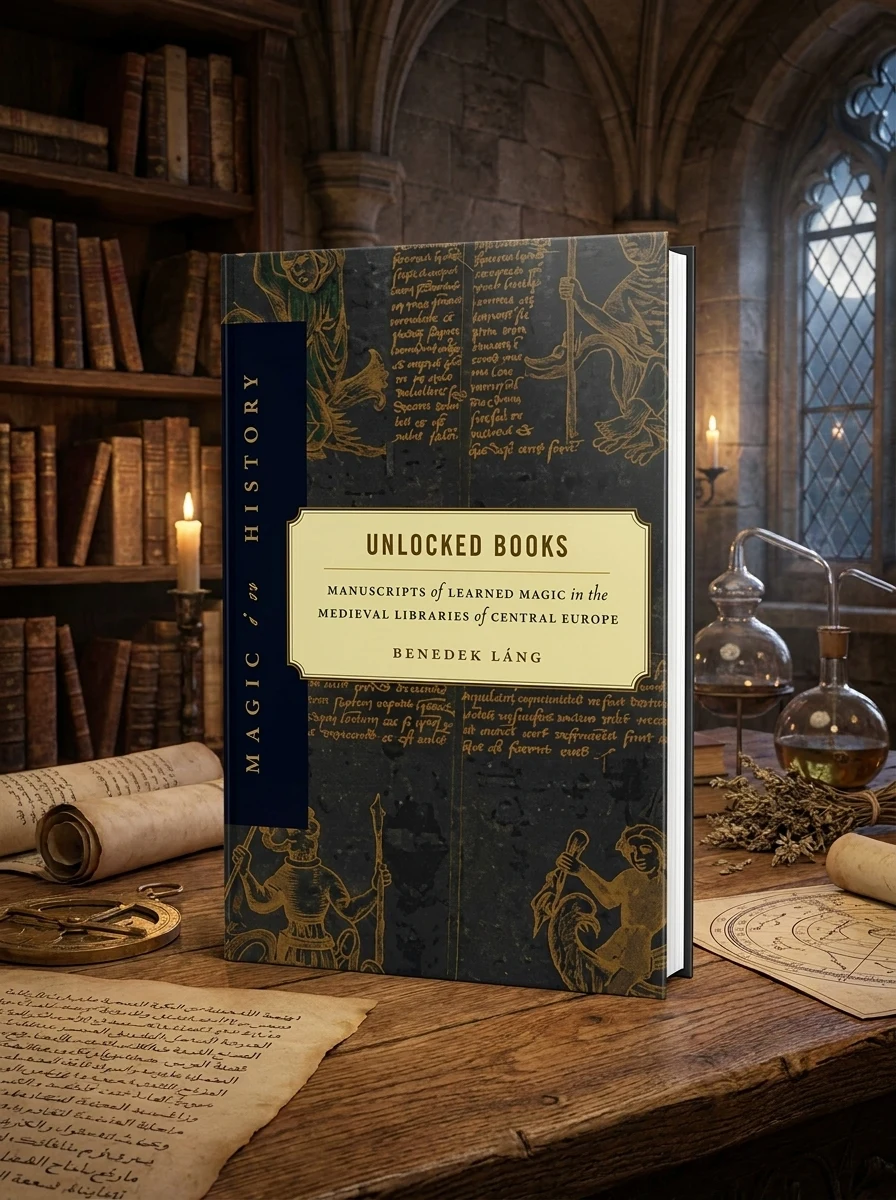
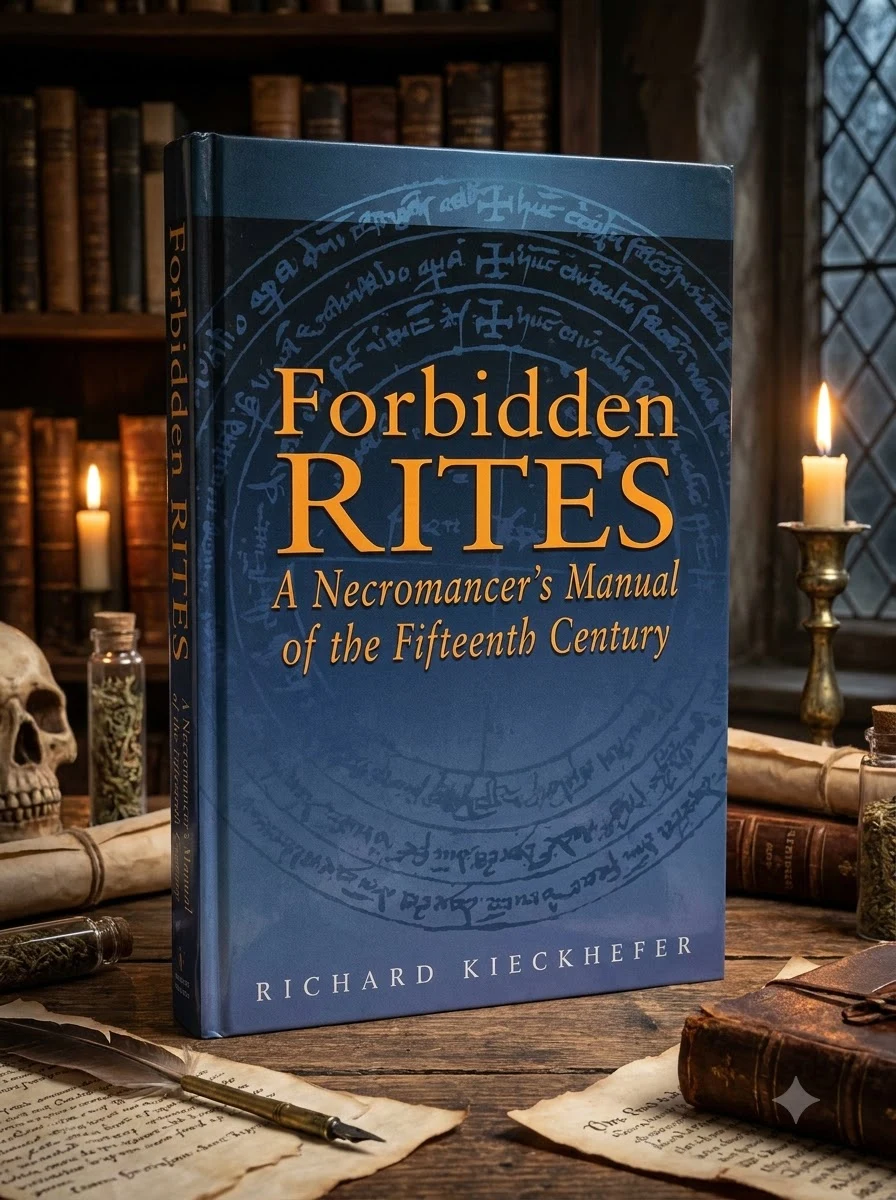
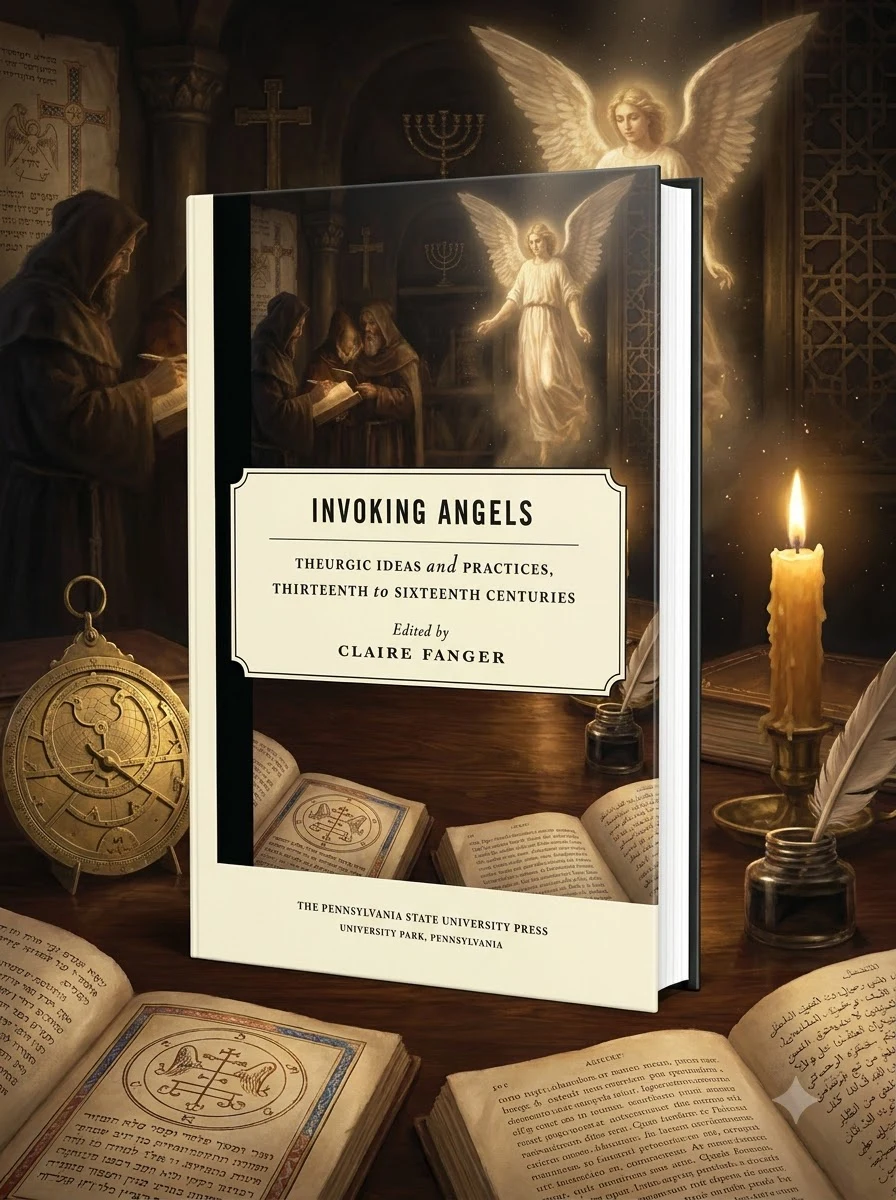
📖 From the series “Magic in History”
All books in the series →
 81
81
✍️ More books by this author Collins S J, David J
All books by this author →
🏛 Books from this publisher Penn State University Press
All books from this publisher →
You might also like
See more →