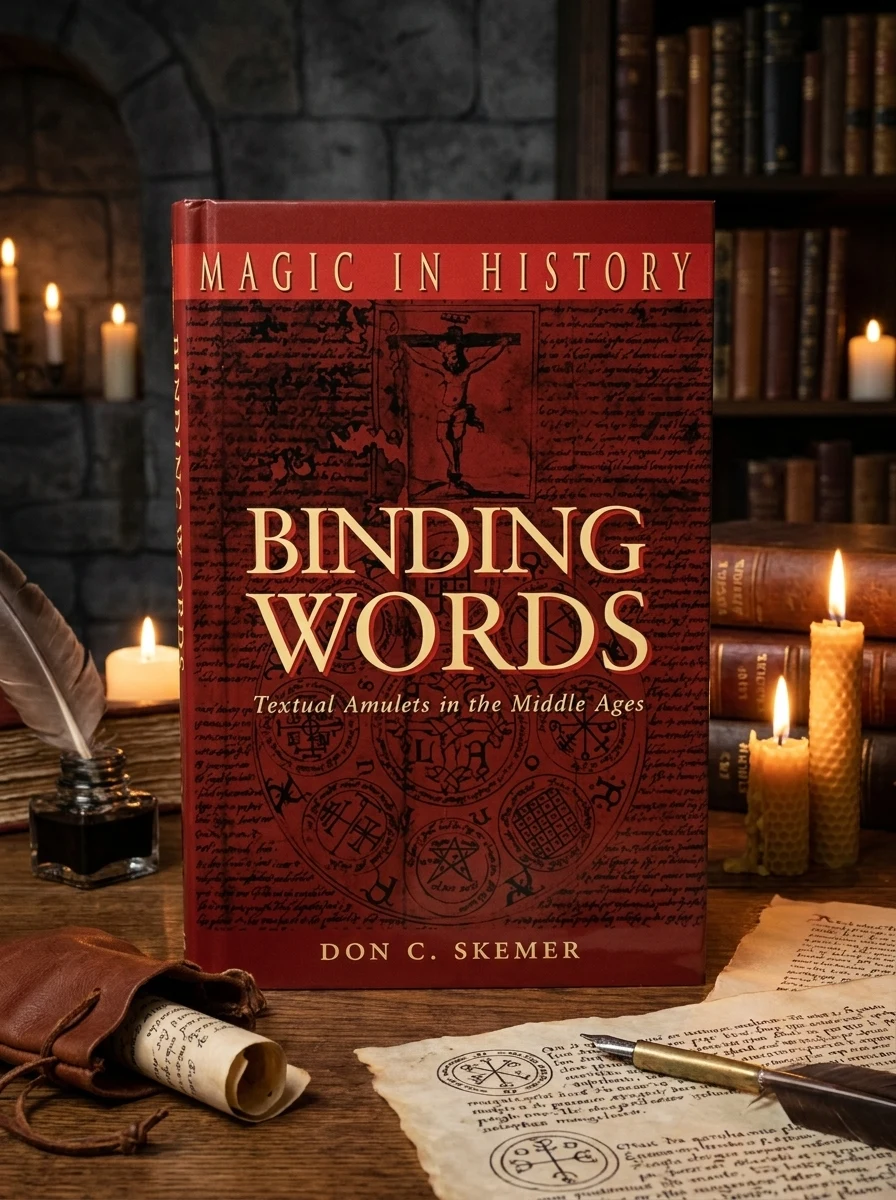
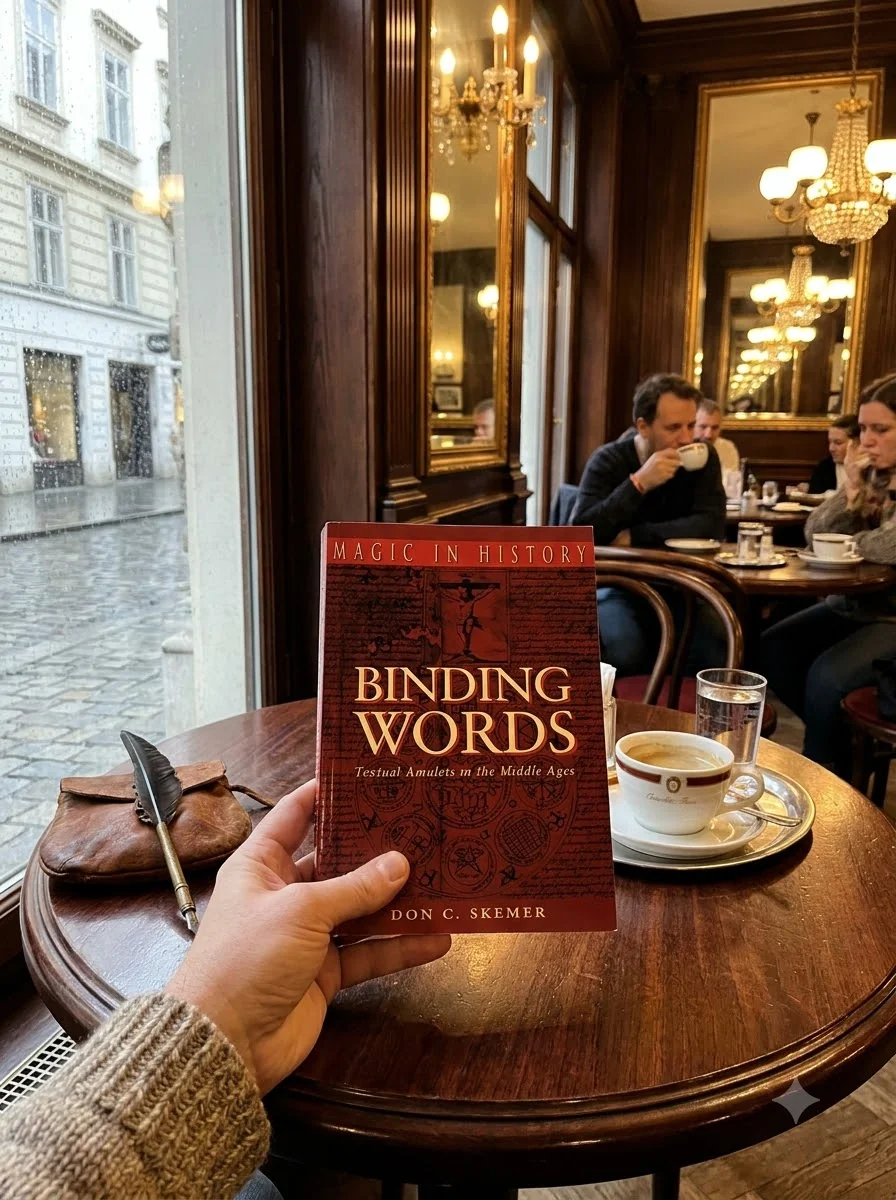
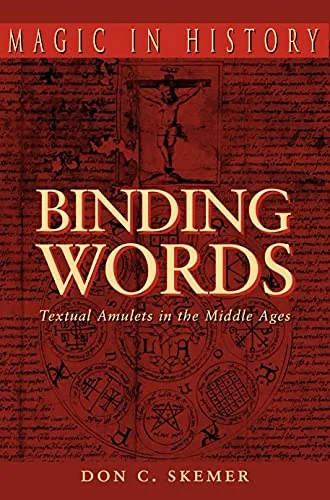
Binding Words: Textual Amulets in the Middle Ages Skemer, Don C
Don C. Skemer's "Binding Words" delves into the fascinating practice of textual amulets, small written charms believed to confer protection, healing, and good fortune in the Middle Ages. This pioneering study meticulously examines how these potent word-objects, blending scripture, divine names, and prayers, offered solace in a perilous era. It reveals their widespread adoption across all societal strata, from saints to peasants, despite theological condemnation, highlighting the complex interplay between popular belief and formal religious doctrine.


Praise for this book
“Binding Words will become a prized source of information and inspiration for future research on magic, popular culture and text.”
📝 Description: Binding Words: Textual Amulets in the Middle Ages Skemer, Don C
📑 What's inside
- List of Plates
- Introduction
- 1.Christian Doctrine and Practice
- 2.The Magical Efficacy of Words
- 3.Methods of Production and Use
- 4.General Protection and Specific Benefits
- 5.Textual Amulets for Women
- Conclusion
- Appendix 1: The Canterbury Amulet, mid-thirteenth century (Canterbury Cathedral Library, Additional MS 23)
- Appendix 2: French or Burgundian Amulet Roll, early fifteenth century (private collection)
- Appendix 3: Italian Amulet, late fifteenth century (Princeton University Library, John Hinsdale Scheide Collection, no. 7923)
- Select Bibliography
- Index
💎 Expert review
📖 Why choose it
Why this book is worth reading
This book is an essential read for scholars of medieval history, religious studies, and the anthropology of magic who seek to understand the lived spirituality of ordinary people. Readers fascinated by the tangible aspects of faith will find Don C. Skemer’s meticulous examination deeply rewarding. It offers a unique window into how individuals across all societal strata, from peasants to saints, sought comfort and protection in a perilous world. By focusing on these overlooked textual amulets, the author reveals the complex interplay between official religious condemnation and popular belief. If you are interested in how sacred words were physically worn and utilized for healing or fortune, this study provides a rigorous, pioneering perspective that bridges the gap between academic theory and historical reality.
⭐ Reader reviews
Reader rating
Skemer’s 'Binding Words' is a rigorous academic contribution that meticulously dissects the phenomenon of medieval textual amulets. It succeeds in highlighting the widespread adoption of these practices across societal lines, despite theological opposition. However, this book is not suitable for casual readers seeking narrative charm or accessible summaries of occult history. It demands patience and a willingness to engage with dense historical analysis rather than entertaining anecdotes. Readers expecting a guide to modern magical practice will be disappointed by its strictly historical focus. It is best suited for those prepared to tackle complex arguments about the intersection of scripture, divine names, and folk tradition without the aid of light storytelling.
❓ Frequently asked questions
📖 Who should read this
For scholars of medieval history, religious studies, or anyone fascinated by the intersection of magic, belief, and material culture, this book offers an illuminating perspective on the practical spiritual lives of medieval Europeans beyond rigid doctrine.
🎯 Key themes and symbolism
Magical Word Objects
Explores the profound belief in the intrinsic power of written words and sacred texts, transformed into tangible protective talismans. It details how diverse linguistic elements—scriptural verses, divine appellations, and ritual formulas—were interwoven to create personal safeguards against both earthly and supernatural threats, illuminating a unique form of medieval material magic.
Popular Medieval Piety
Uncovers the deeply rooted spiritual landscape of the Middle Ages, demonstrating how ordinary people sought practical divine intervention through these amulets. It challenges simplistic views of medieval religion by showcasing a vibrant, often heterodox, popular faith system where magic and devotion seamlessly intertwined in daily life for protection and well-being.
Clerical Involvement & Contradiction
Illuminates the paradoxical role played by literate clergy, who, despite official ecclesiastical disapproval, were instrumental in the creation and dissemination of textual amulets. This aspect reveals the internal tensions within the medieval Church, where intellectual condemnation often clashed with practical pastoral care and the widespread spiritual needs of the populace.
📜 Historical context
📚 Glossary
- Amulet
- Canon Law
- Liturgical
📔 Questions to reflect on
- How do modern societies still engage with "binding words" or objects believed to hold protective power, even if not explicitly religious?
- Consider the tension between official religious doctrine and popular spiritual practices. Where do you see similar dynamics in contemporary belief systems?
- If you were to create a personal textual amulet today, what words or symbols would you choose, and what protection or fortune would you seek?