The history of angels in Western esotericism is not a history of belief alone—it is a history written in ink, parchment, and paper. From the encrypted names in medieval grimoires to the channeled messages of 19th-century spiritualists to the practical workbooks lining modern shelves, the textual record of angelic contact tells us something crucial: humans have always sought to document, systematize, and share their encounters with non-human intelligences. These texts are not merely records of what people believed. They are instructions, evidence, and invitations—blueprints for how to call, speak with, and work alongside beings understood as divine messengers.
What makes this lineage worth tracing is that each era rewrote the rules. Medieval magicians locked angelic names inside mathematical squares and protective circles. Renaissance scholars like John Dee insisted that angelic conversation was a form of knowledge, not superstition. Spiritualists of the 1800s claimed direct dictation from celestial beings. And contemporary practitioners have stripped away much of the ceremonial apparatus, offering instead simple protocols for connection. Yet the underlying impulse remains: the belief that angels can be reached through text, that their wisdom can be captured in words, and that the right words—spoken, written, or meditated upon—can bridge the gap between human and divine.
This article traces that lineage across twelve essential texts. Some are academic histories that illuminate the intellectual foundations of angelic magic. Others are practical manuals that teach you how to work with angels today. Together, they form a coherent path through centuries of written angelic contact—showing how the tradition evolved, what each era added, and why these texts still hold power.
The Medieval and Renaissance Foundations: Grimoires and Ceremonial Magic
The earliest systematic texts on angelic contact emerge from the medieval period, when magic was understood as a learned art requiring precise language, geometry, and invocation. These texts were not written for the masses; they were expensive, dangerous, and closely guarded. What they reveal is that angelic magic was always textual—dependent on correct names, correct words, correct sequences.
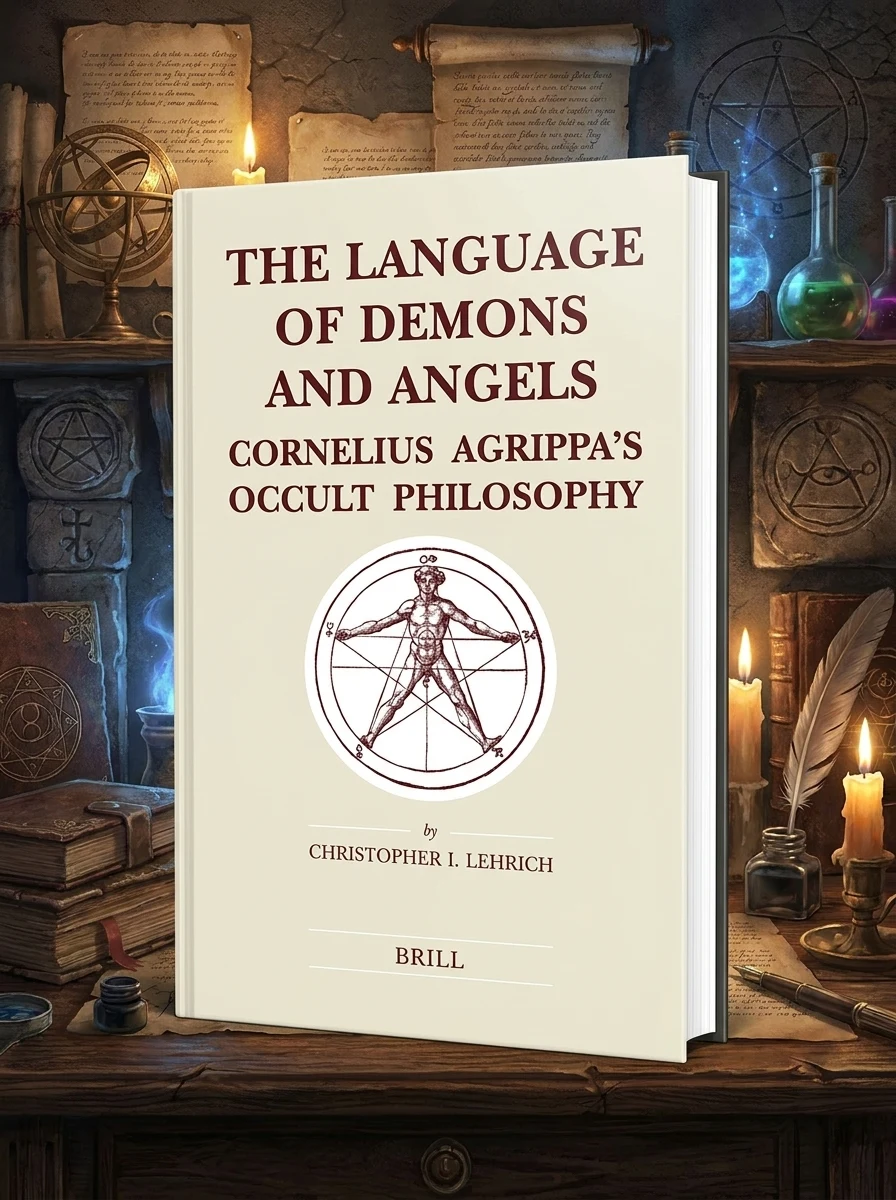
1. The Language of Demons and Angels — Christopher I. Lehrich
The Language of Demons and Angels is the scholarly foundation for understanding how medieval and Renaissance magicians approached angelic contact through language itself. Lehrich argues that grimoire magic was not primitive superstition but a sophisticated system of communication based on the belief that certain words, names, and formulas held real power. For anyone serious about understanding why grimoires obsess over correct spelling, pronunciation, and the precise ordering of divine names, this book is essential. It bridges medieval theology, Renaissance philosophy, and practical magic in ways that make the old texts suddenly legible. This is academic work, but written for readers willing to engage with complexity.
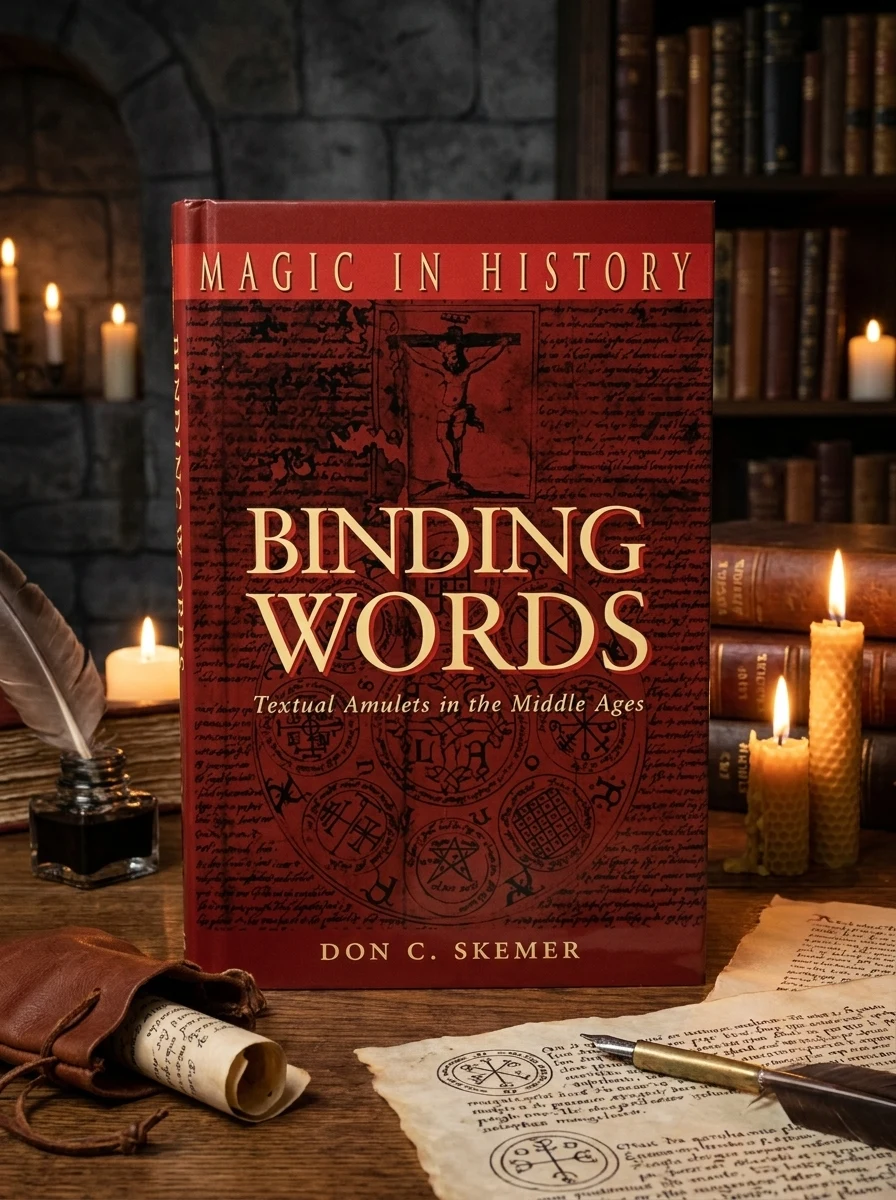
2. Binding Words: Textual Amulets in the Middle Ages — Don C. Skemer
Binding Words takes a different approach, focusing on how medieval people actually used written texts as magical objects. Amulets inscribed with angelic names, biblical verses, and protective formulas were worn, carried, and buried. Skemer shows that the text itself—the physical artifact—was understood as a conduit for angelic protection. This book is crucial for understanding that grimoire magic was not only about reading instructions; it was about creating and using physical texts as vessels for spiritual power. For scholars and practitioners interested in the material culture of magic, this is invaluable.
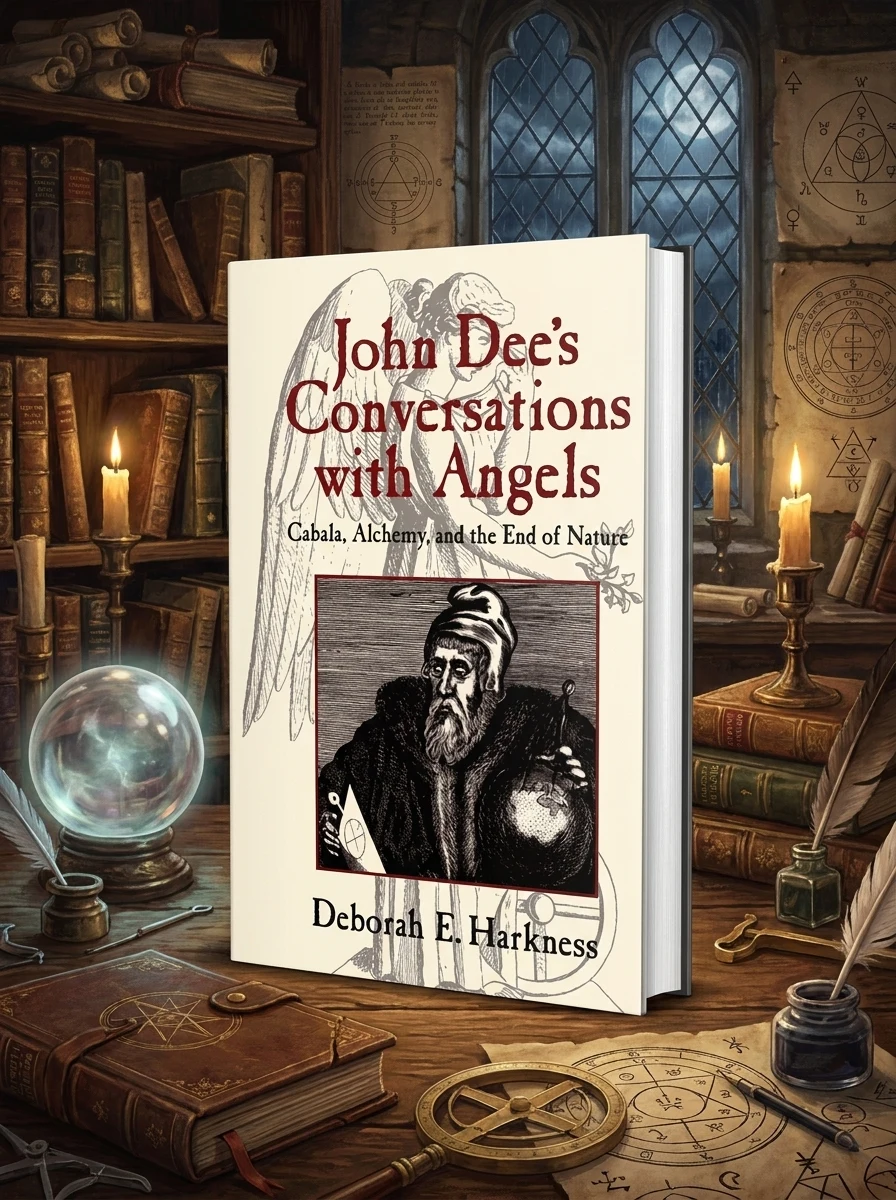
3. John Dee's Conversations with Angels: Cabala, Alchemy, and the End of Nature — Deborah E. Harkness
John Dee's Conversations with Angels marks a crucial turning point in the textual history of angelic contact. Dee was not a medieval magician following inherited formulas; he was a Renaissance scholar who believed he could establish direct communication with angels through a combination of mathematics, mysticism, and scrying. Harkness's account of Dee's angelic conversations—recorded meticulously in his diaries—shows how the Renaissance transformed angelic magic from a formulaic practice into an intellectual and spiritual quest. Dee's texts are among the most detailed records we have of someone claiming to receive angelic messages in real time. For anyone interested in how the Enlightenment did not kill angelic magic but rather transformed it, this book is essential.
The Spiritualist Era: Angels as Communicating Intelligences
The 19th century brought a radical shift in how angelic contact was documented and understood. The rise of spiritualism—the belief that the dead and other spiritual beings could communicate through mediums—created a new textual genre: the record of channeled messages. These texts claimed to be direct transcriptions of angelic or spirit communication, not interpretations or instructions, but the actual words of non-human beings. This shift had profound implications for how angels were written about and understood.
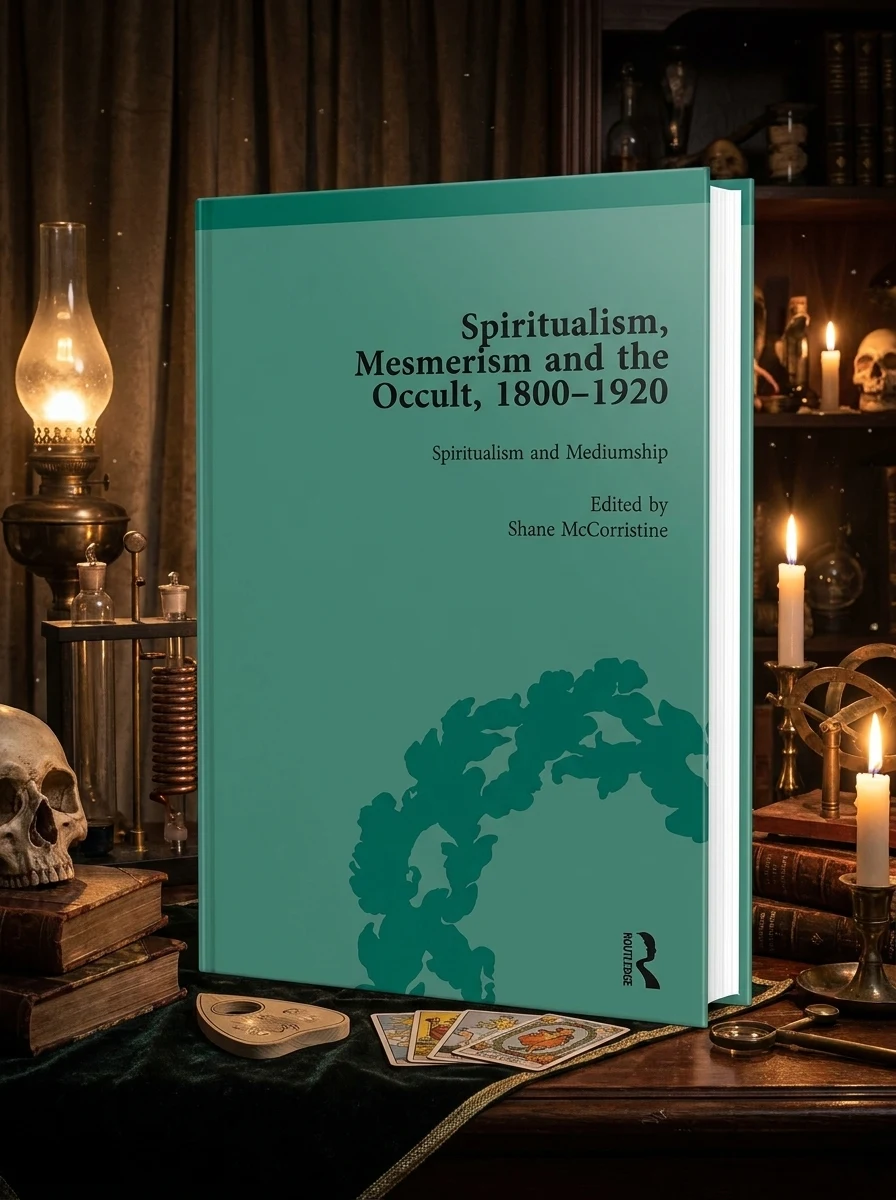
4. Spiritualism, Mesmerism and the Occult, 1800-1920 — Shane McCorristine
Spiritualism, Mesmerism and the Occult is a comprehensive history of how 19th-century spiritualism created an entirely new textual ecosystem around angelic and spirit contact. McCorristine traces how spiritualist texts—séance records, automatic writing transcriptions, spirit guides' messages—became a major publishing phenomenon. This book shows that the spiritualist movement was not a marginal phenomenon but a widespread intellectual and cultural force that fundamentally changed how people thought about communication with non-human beings. For understanding the bridge between grimoire magic and modern angel books, this is indispensable. It's a substantial work, but essential for anyone serious about the history.
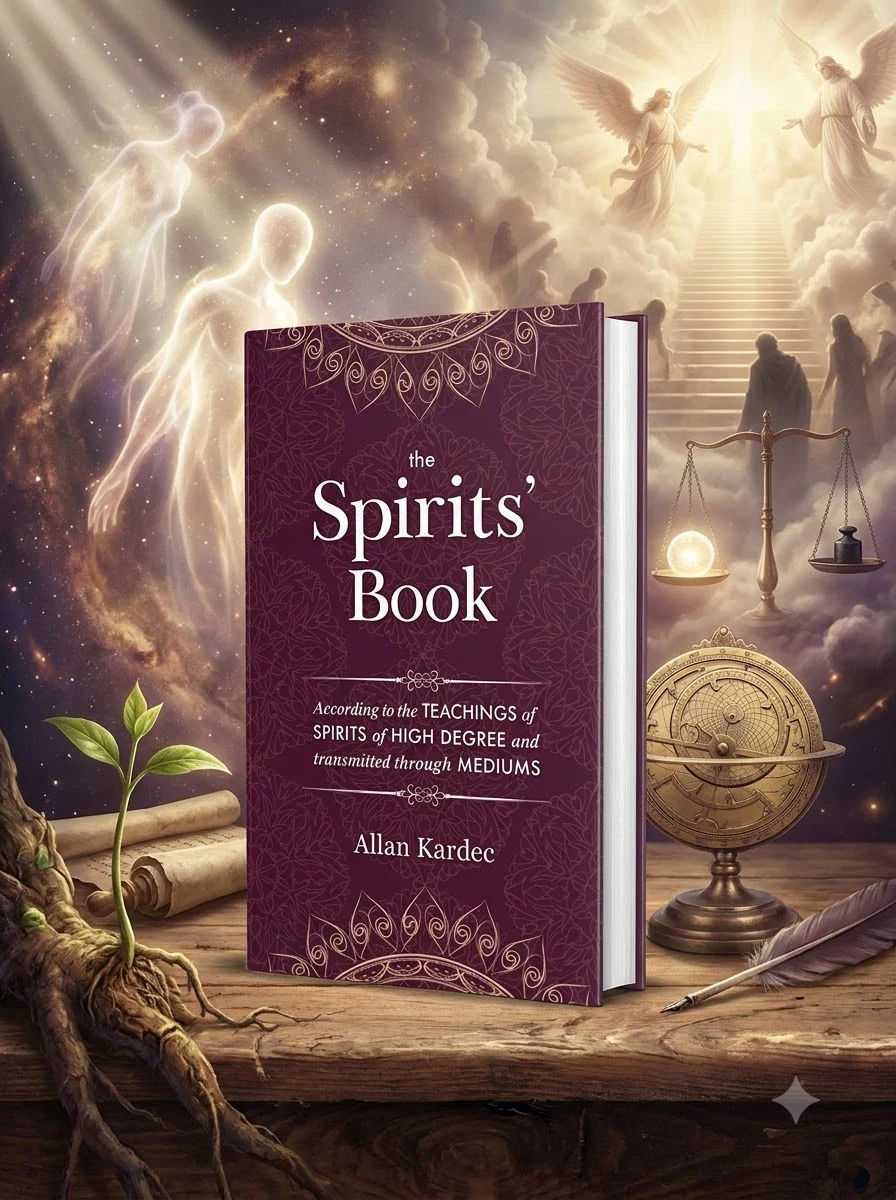
5. The Spirits' Book — Allan Kardec
The Spirits' Book is one of the foundational texts of modern spiritualism, presented as a compilation of questions posed to spirits and their answers, recorded through mediums. Kardec organized these messages into a coherent philosophical system covering the nature of spirits, the afterlife, and moral law. What makes this text historically important is that it claims to be not interpretation but direct transcription—the actual words of spiritual beings. Whether or not one believes in its authenticity, The Spirits' Book shaped how millions of people understood angelic and spirit communication. It remains in print because it offers a systematic framework for understanding spirit contact that many practitioners still find useful. This is a text that changed the genre.
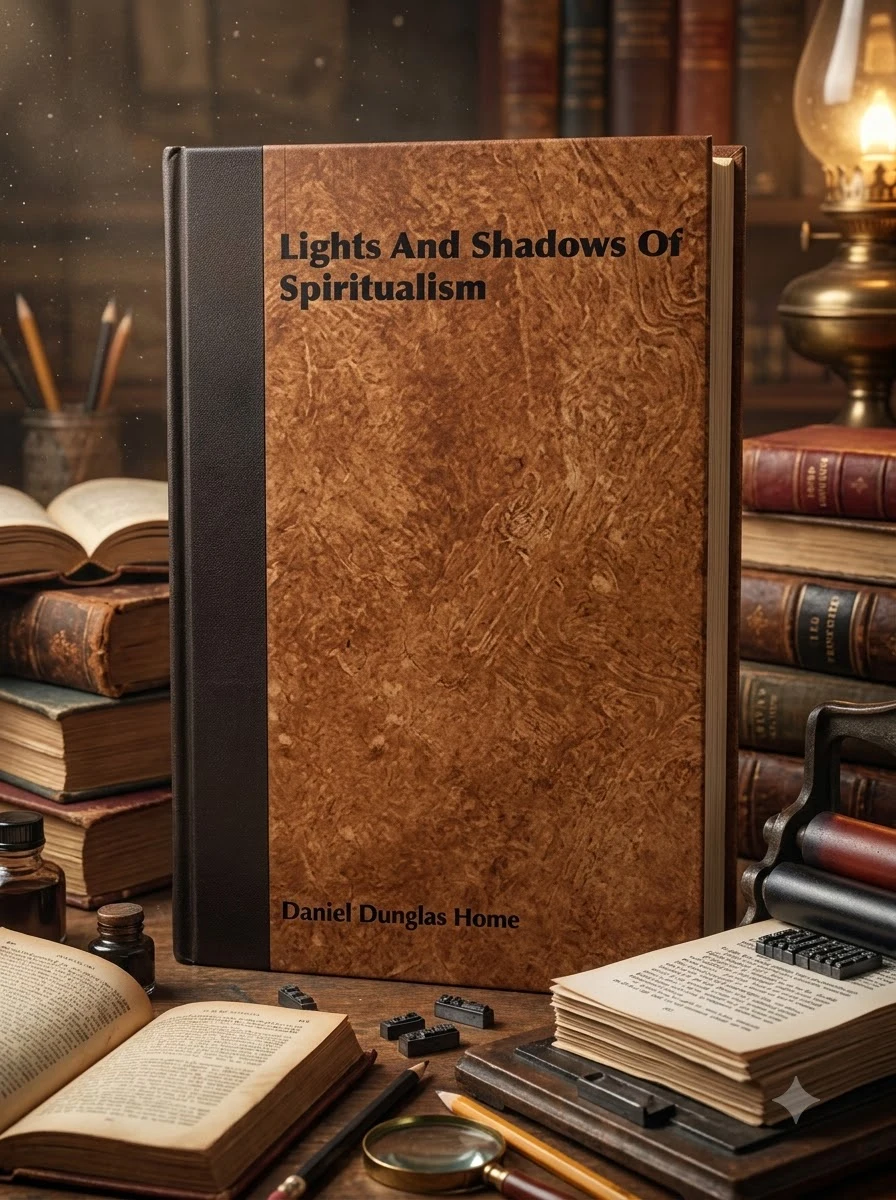
6. Lights and Shadows of Spiritualism — Daniel Dunglas Home
Lights and Shadows of Spiritualism by the famous medium Daniel Dunglas Home offers a first-person account of spiritualist practice and the challenges of documenting angelic and spirit contact. Home was one of the most celebrated—and controversial—mediums of the 19th century, and his reflections on his own experiences provide crucial texture to the spiritualist textual record. This book is valuable because it shows the lived experience behind the transcribed messages, the doubts and certainties that surrounded spirit contact, and the ways practitioners themselves thought about the authenticity of their communications.
Modern Practical Manuals: Angels as Accessible Guides
The 20th and 21st centuries have seen a democratization of angelic contact. Where medieval grimoires required years of study and Renaissance magic required mathematical genius, contemporary angel books promise accessibility. The textual shift is significant: from secret knowledge to open teaching, from ceremonial complexity to simple protocols, from angels as powerful beings requiring protection to angels as benevolent guides eager to help. This does not mean the texts are shallow—some are profound—but the genre has fundamentally changed its promise and its audience.
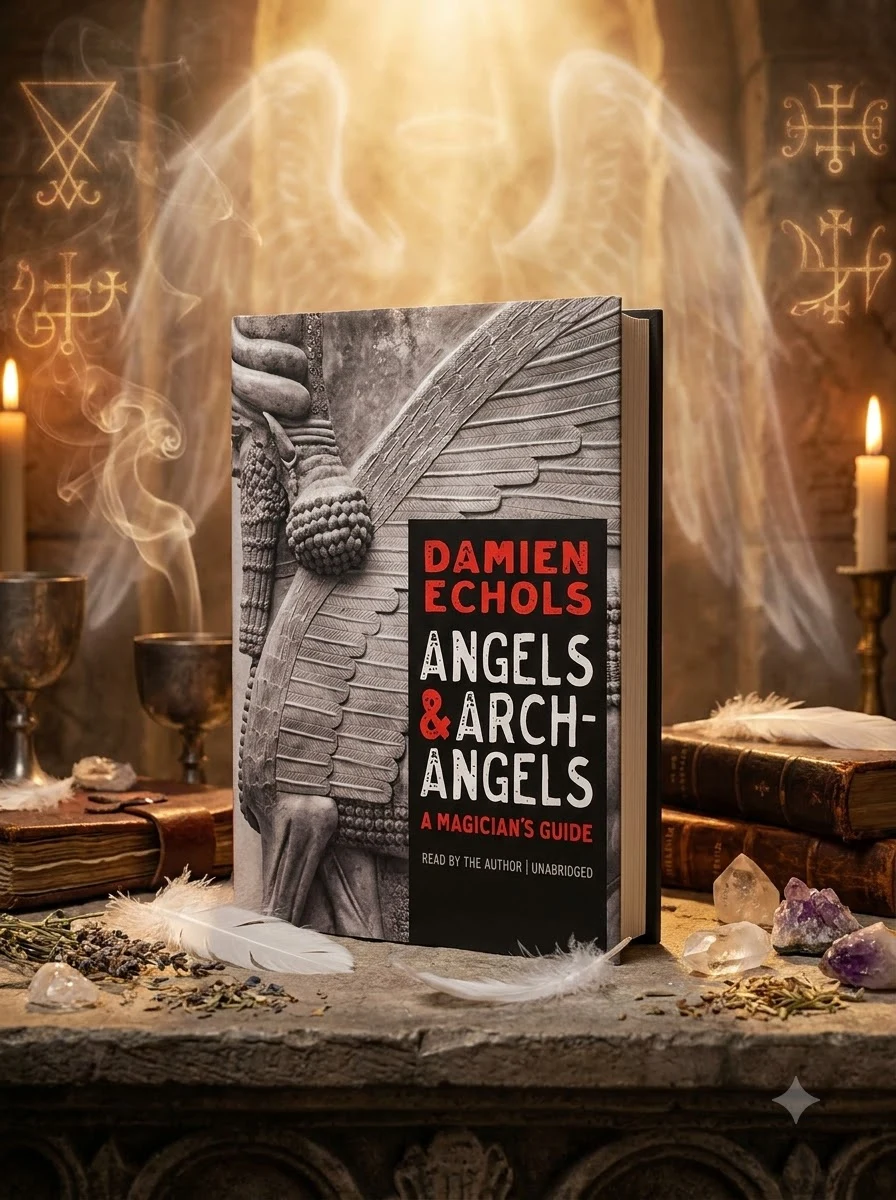
7. Angels and Archangels: A Magician's Guide — Damien Echols
Angels and Archangels by Damien Echols represents a contemporary approach that honors both the ceremonial tradition and modern accessibility. Echols, a practicing magician with deep knowledge of esoteric systems, offers practical methods for working with angels that draw on traditional magic while remaining approachable. This book bridges the gap between the grimoire tradition and modern practice—it takes angels seriously as powerful beings while offering clear, usable protocols. For practitioners who want more depth than generic angel books but don't want to spend years decoding medieval Latin, this is an excellent choice.
8. Heaven Sent: A Simple Guide to Connecting with Angels — Belinda Grace
Heaven Sent represents the other end of the contemporary spectrum—a gentle, accessible introduction to angelic contact for readers with no esoteric background. Grace's approach emphasizes intuition, openness, and the simplicity of asking for angelic help. This book is valuable historically because it shows how far the genre has traveled from grimoires and ceremonial magic. It also shows that accessibility does not necessarily mean shallowness; Grace's framework is coherent and her advice is practical. For someone new to the idea of working with angels, this is a good entry point.
9. Call on Your Angels: How to Release Angelic Blessings Into Your Life — Claire Nahmad
Call on Your Angels offers a middle path—more structured than purely intuitive approaches, but more accessible than ceremonial magic. Nahmad provides specific methods for calling on angels for particular purposes, drawing on various esoteric traditions but presenting them in contemporary language. This book shows how modern practitioners have synthesized multiple traditions—grimoire magic, spiritualism, New Age spirituality—into hybrid systems that work for contemporary life.
10. Guardian Angels: Discovering How to Connect with Spirit Guides, Angels, Departed Loved Ones, Archangels, Spirit Animals, Ancestors, and Other Helpers — Mari Silva
Guardian Angels by Mari Silva is a comprehensive manual that treats angels as one category within a broader ecosystem of spiritual helpers. This reflects a contemporary shift: angels are no longer understood as a separate category requiring special knowledge, but as part of an integrated spiritual support system that includes guides, ancestors, and other beings. Silva's text is well-organized and practical, offering specific exercises and protocols. For someone seeking a systematic approach to working with multiple types of spiritual helpers, this is valuable.
Specialized Texts: Angels in Divination, Healing, and Esoteric Practice
Beyond general guides to angelic contact, contemporary practice has developed specialized texts that integrate angels into tarot, oracle work, healing practices, and ceremonial magic. These texts show how the angelic tradition continues to evolve and adapt to contemporary spiritual frameworks.
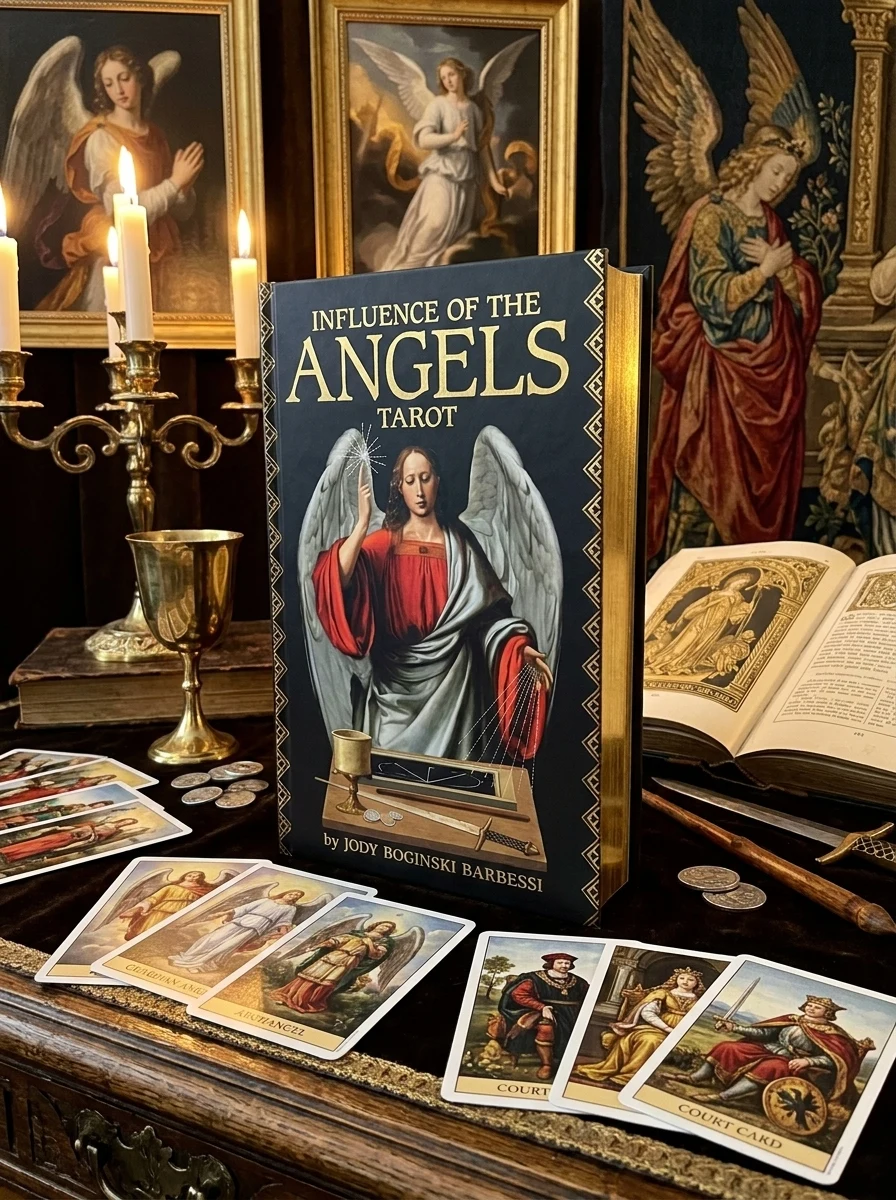
11. Influence of the Angels Tarot — Jody Boginski Barbessi
Influence of the Angels Tarot is a tarot deck with accompanying guide that integrates angelic symbolism into the tarot system. This represents a contemporary fusion: tarot, which emerged in Renaissance Italy and became a divination tool in the 18th century, combined with angelic contact, which has medieval roots. The deck and guide show how modern practitioners weave together multiple esoteric traditions. For tarot readers interested in angelic dimensions of the cards, or for those seeking a divination tool explicitly framed around angelic guidance, this is a direct resource.
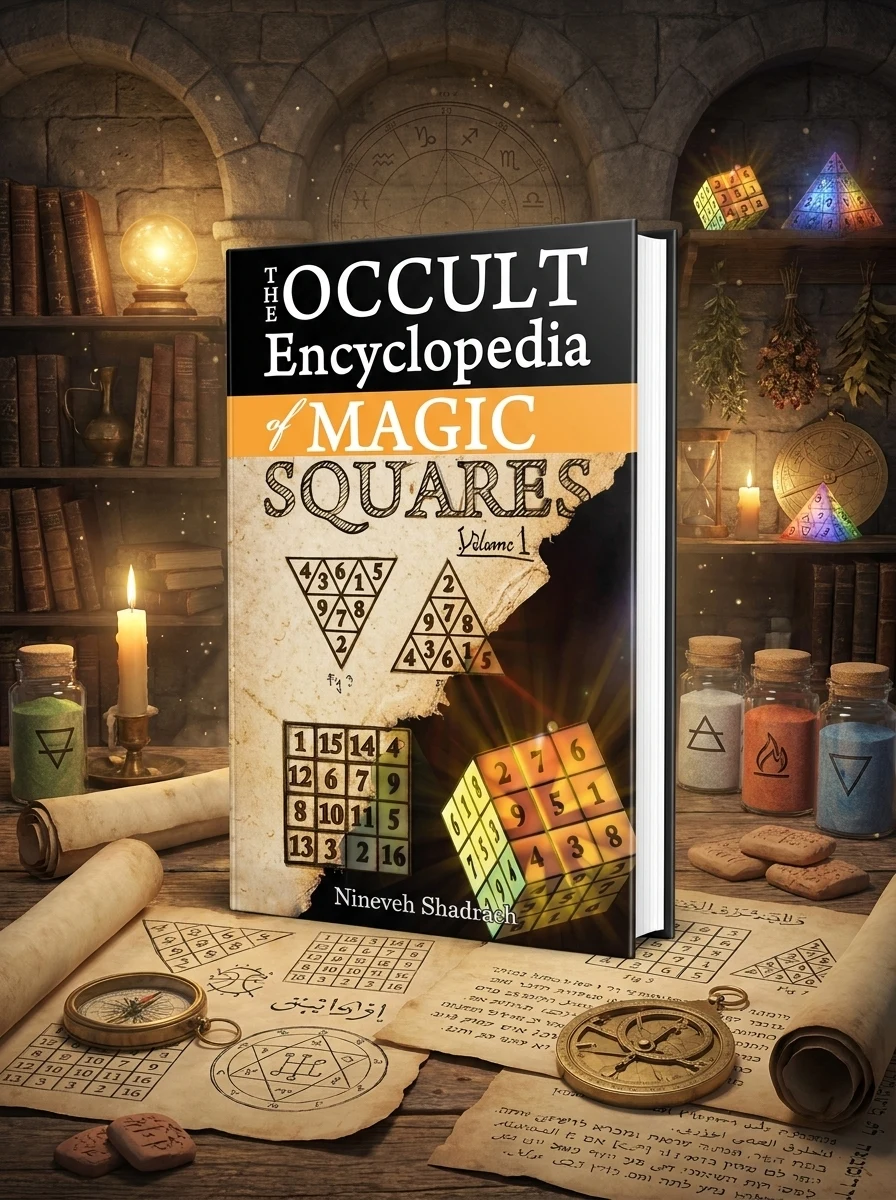
12. Occult Encyclopedia of Magic Squares: Planetary Angels and Spirits of Ceremonial Magic — Nineveh Shadrach
Occult Encyclopedia of Magic Squares returns to the mathematical and ceremonial foundations of angelic magic, but in a modern reference format. Shadrach provides a comprehensive guide to the magic squares, planetary correspondences, and angelic names used in ceremonial practice. This book shows that the grimoire tradition has not disappeared; it has been preserved, organized, and made accessible in contemporary reference works. For practitioners serious about ceremonial magic with angels, this is an essential resource.
How to Choose Your Path Through These Texts
The twelve books above trace a lineage, but they are not meant to be read in strict order. Instead, your path depends on what you seek from the tradition.
If you are interested primarily in history and intellectual understanding, start with Lehrich's Language of Demons and Angels, move to Harkness on John Dee, then to McCorristine's comprehensive history of spiritualism. These three books will give you a deep understanding of how angelic contact was understood and documented across centuries. Skemer's Binding Words can follow, offering material and cultural context.
If you are a practitioner seeking to work with angels, begin with either Echols's Angels and Archangels (if you have some magical background) or Grace's Heaven Sent (if you are new to this). Then move to Nahmad's Call on Your Angels or Silva's Guardian Angels depending on whether you prefer focused angelic work or a broader approach to spiritual helpers. Shadrach's Occult Encyclopedia can serve as a reference as you deepen your practice.
If you are interested in spiritualism specifically, Kardec's Spirits' Book and Home's Lights and Shadows are essential primary sources. McCorristine provides the historical context that makes these texts intelligible to modern readers.
If you work with tarot or divination, the Influence of the Angels Tarot offers a direct integration of angelic symbolism into card reading practice.
What unites all these texts is a single conviction: that angels are real, that they can be contacted, and that the right words—whether inscribed in a grimoire, transcribed by a medium, or spoken in a simple prayer—can bridge the gap between human and divine. The textual history of angels is the history of that conviction taking different forms across time.