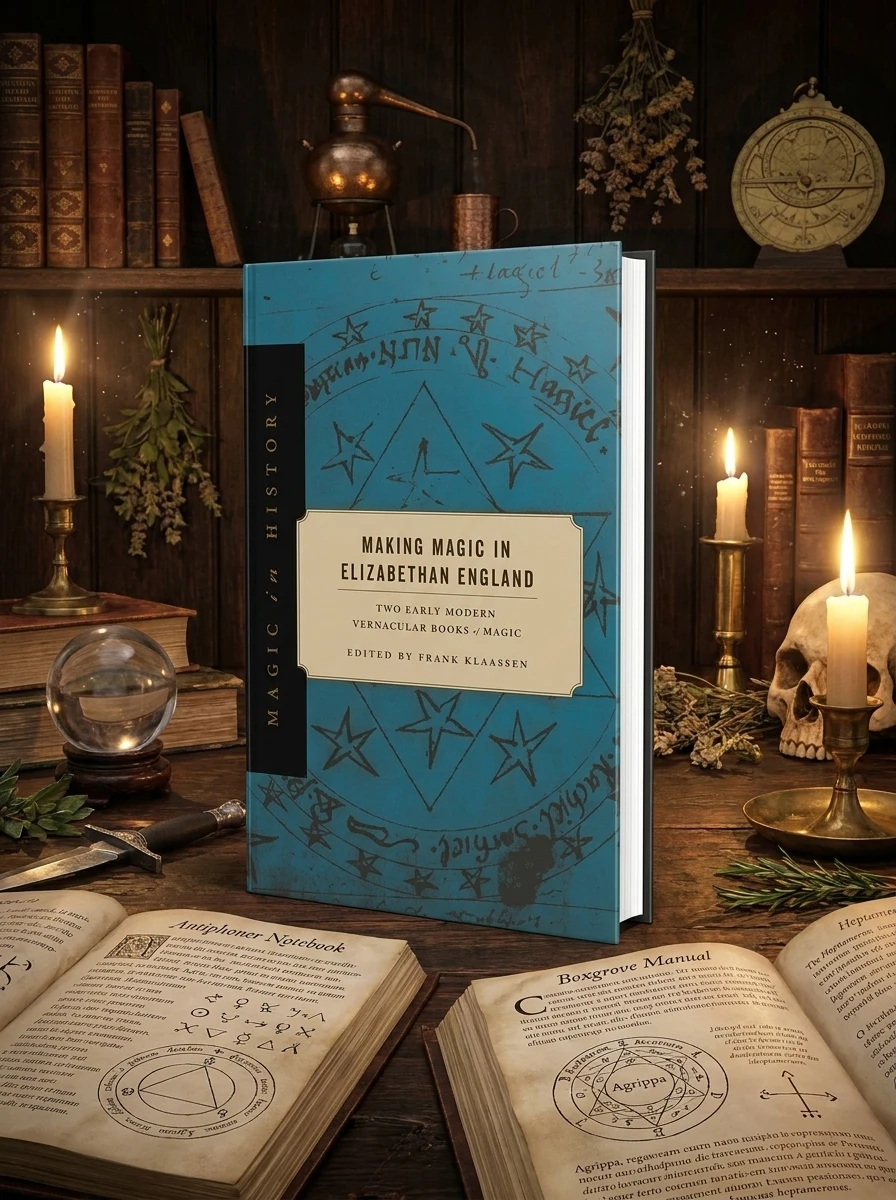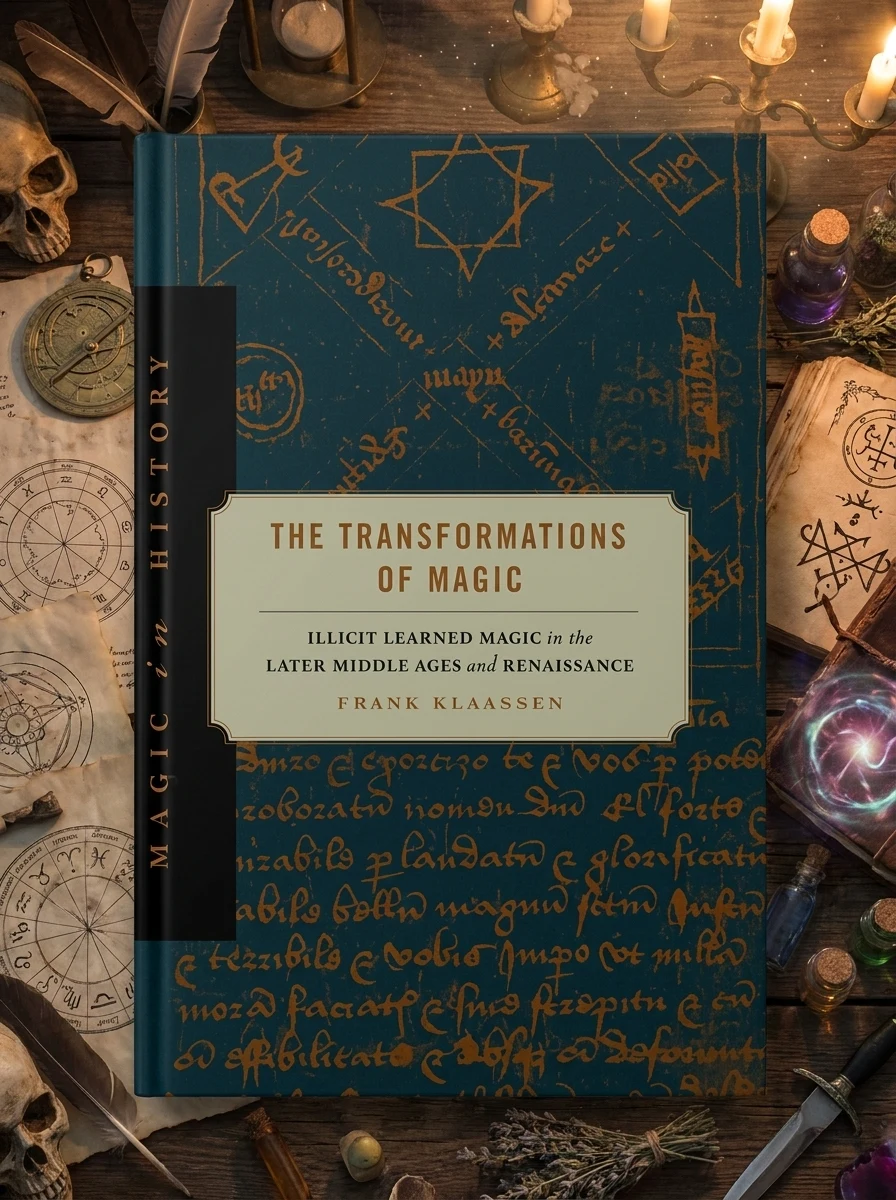
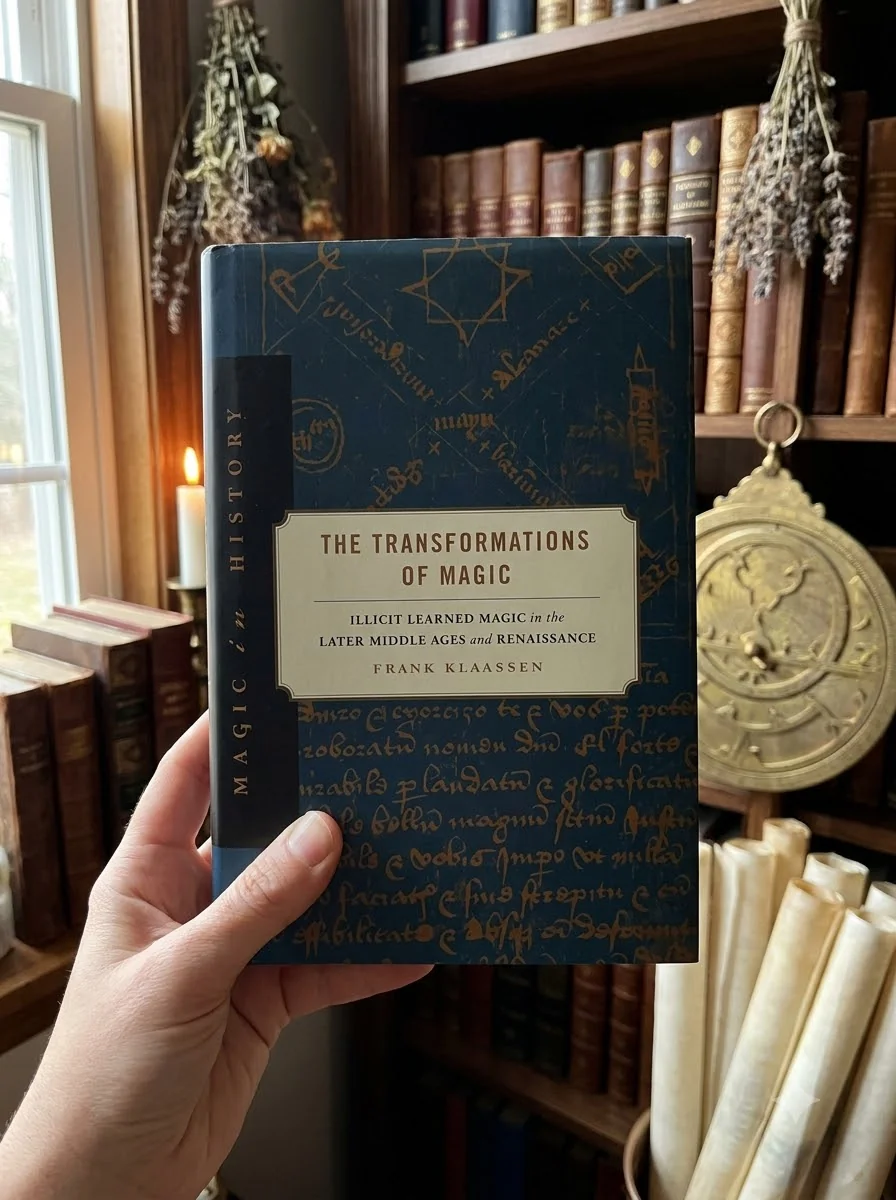
The Transformations of Magic: Illicit Learned Magic in the Later Middle Ages and Renaissance Klaassen, Frank
✍️ Klaassen, FrankFrank Klaassen's compelling research unearths the distinct lineages of forbidden learned magic during the late Middle Ages and Renaissance. He meticulously distinguishes between image magic, which found scholastic justification, and ritual magic, including necromancy, which defied such rationalization. While image magic saw faithful reproduction, ritual magic was continually reinterpreted and adapted. Klaassen reveals that image magic's popularity waned around 1500, giving way to the enduring appeal of ritual magic. This study fundamentally re-evaluates the profound debt Renaissance occultists like Agrippa and John Dee owed to these medieval ritual traditions.


Praise for this book
“Klaassen's elegantly written monograph is an incisive analysis of an understudied body of evidence. His argument that two types of 'illicit learned magic' characterized the period between 1300 and 1600 brings coherence and clarity to an intellectual tradition that has too often been overlooked.”
📝 Description: The Transformations of Magic: Illicit Learned Magic in the Later Middle Ages and Renaissance Klaassen, Frank
📑 What's inside
- Preface
- Introduction
- Part I: The Apothecary's Dilemma
- 1 Magic and Natural Philosophy
- 2 Scholastic Image Magic Before 1500
- 3 Some Apparent Exceptions: Image Magic or Necromancy?
- Part II: Brother John's Dilemma
- 4 The Ars notoria and the Sworn Book of Honorius
- 5 The Magic of Demons and Angels
- Part III: Magic After 1580
- 6 Sixteenth-Century Collections of Magic Texts
- 7 Medieval Ritual Magic and Renaissance Magic
- Notes
- Bibliography
- Index
💎 Expert review
📖 Why choose it
Why this book is worth reading
Scholars and enthusiasts of Western esotericism will find this book essential for understanding the nuanced evolution of magical practices. Klaassen offers a vital corrective to historical assumptions by clearly distinguishing between image magic and ritual necromancy, revealing how the latter defied rationalization while the former sought scholastic justification. Readers interested in the intellectual debt owed by Renaissance figures like Agrippa and Dee to medieval traditions will appreciate this deep dive into illicit learned magic. It provides a rigorous framework for seeing how ritual magic’s enduring appeal reshaped occultism, making it indispensable for those seeking to grasp the complex lineage of forbidden knowledge that defined an era.
⭐ Reader reviews
Reader rating
Klaassen delivers a meticulously researched analysis that fundamentally re-evaluates the relationship between medieval and Renaissance occultism. By unearthing distinct lineages of forbidden magic, he demonstrates how ritual practices diverged sharply from image-based traditions. However, this dense academic approach is not for casual readers or those seeking practical grimoires. It is strictly for historians and serious students of esotericism willing to engage with complex scholastic distinctions. While brilliant in its re-evaluation of figures like Dee, it may frustrate anyone looking for accessible narratives or actionable magical advice rather than rigorous historical taxonomy and theoretical differentiation.
❓ Frequently asked questions
📖 Who should read this
If you're a serious student of esoteric history, a medievalist, or a Renaissance scholar seeking to understand the true origins and evolution of learned magic, this rigorous academic journey is for you. Prepare to challenge your preconceptions about historical magical practices.
🎯 Key themes and symbolism
Shifting Magical Interests
Klaassen meticulously traces how the prominence of these magical forms evolved. While image magic enjoyed considerable attention in the 14th and 15th centuries, its independent practice sharply declined by 1500. Conversely, the more controversial ritual magic not only persisted but gained renewed significance, becoming the dominant thread of illicit practice in the Renaissance.
Medieval Legacy in Renaissance
Challenging conventional views, the author demonstrates that iconic Renaissance figures like Agrippa von Nettesheim and John Dee were far more profoundly influenced by medieval ritual magic traditions than previously acknowledged. This work reveals an unbroken intellectual lineage, connecting earlier forbidden practices directly to the foundational texts of later occult philosophy.
📜 Historical context
📚 Glossary
- Image Magic
- Ritual Magic
- Necromancy
📔 Questions to reflect on
- How does understanding the distinction between image and ritual magic, as presented by Klaassen, alter your perception of historical magical practices?
- In what ways might the decline of one magical form and the persistence of another reflect broader societal or intellectual shifts of the late medieval and early modern periods?
- Consider the implications of Klaassen's argument for how we interpret the works of Renaissance figures like Agrippa or Dee. What new perspectives emerge regarding their influences?