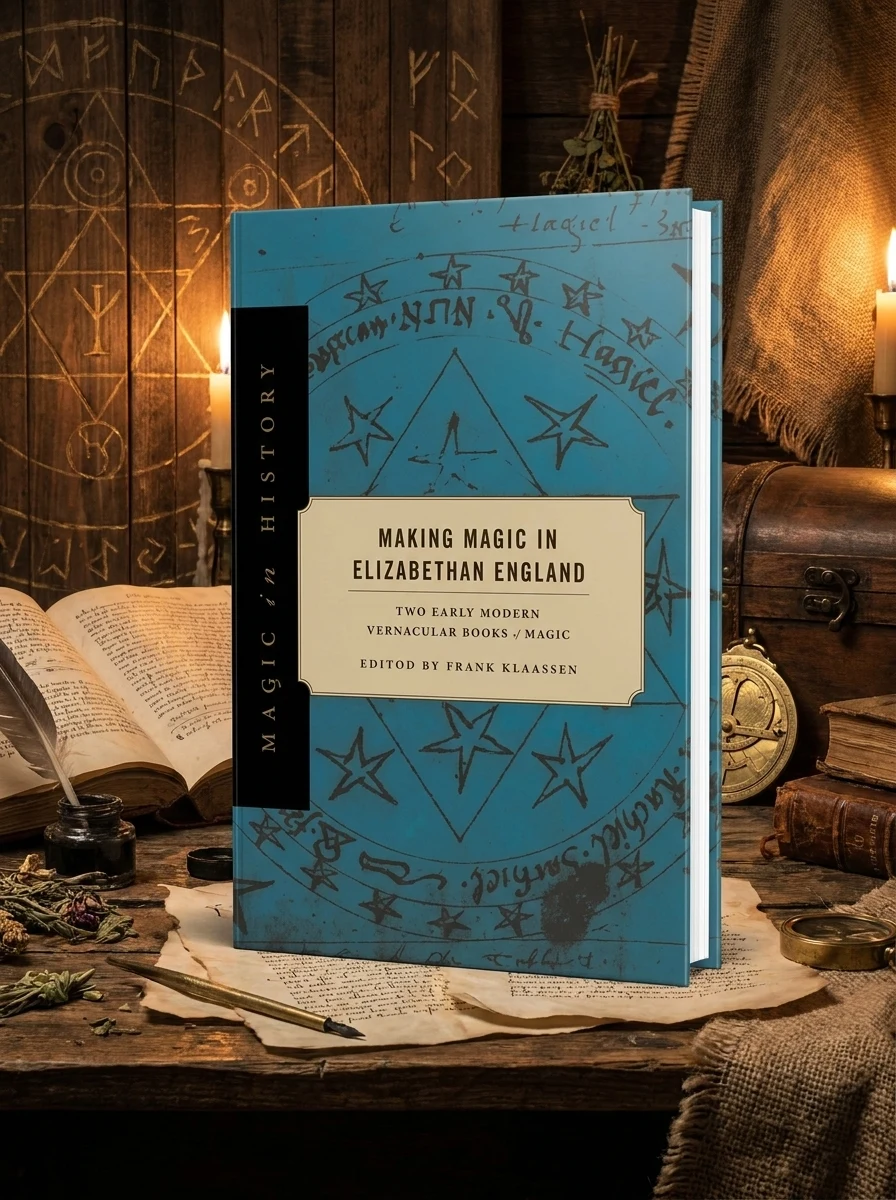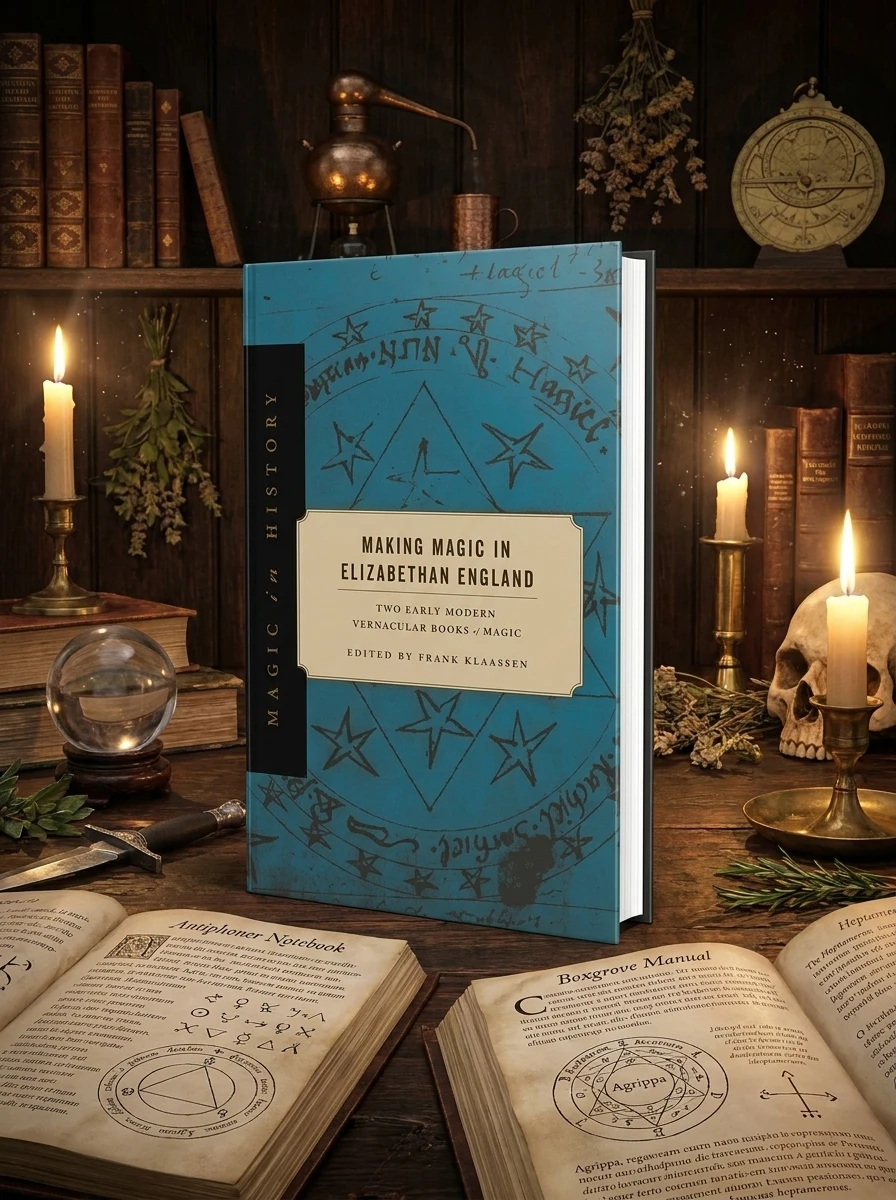
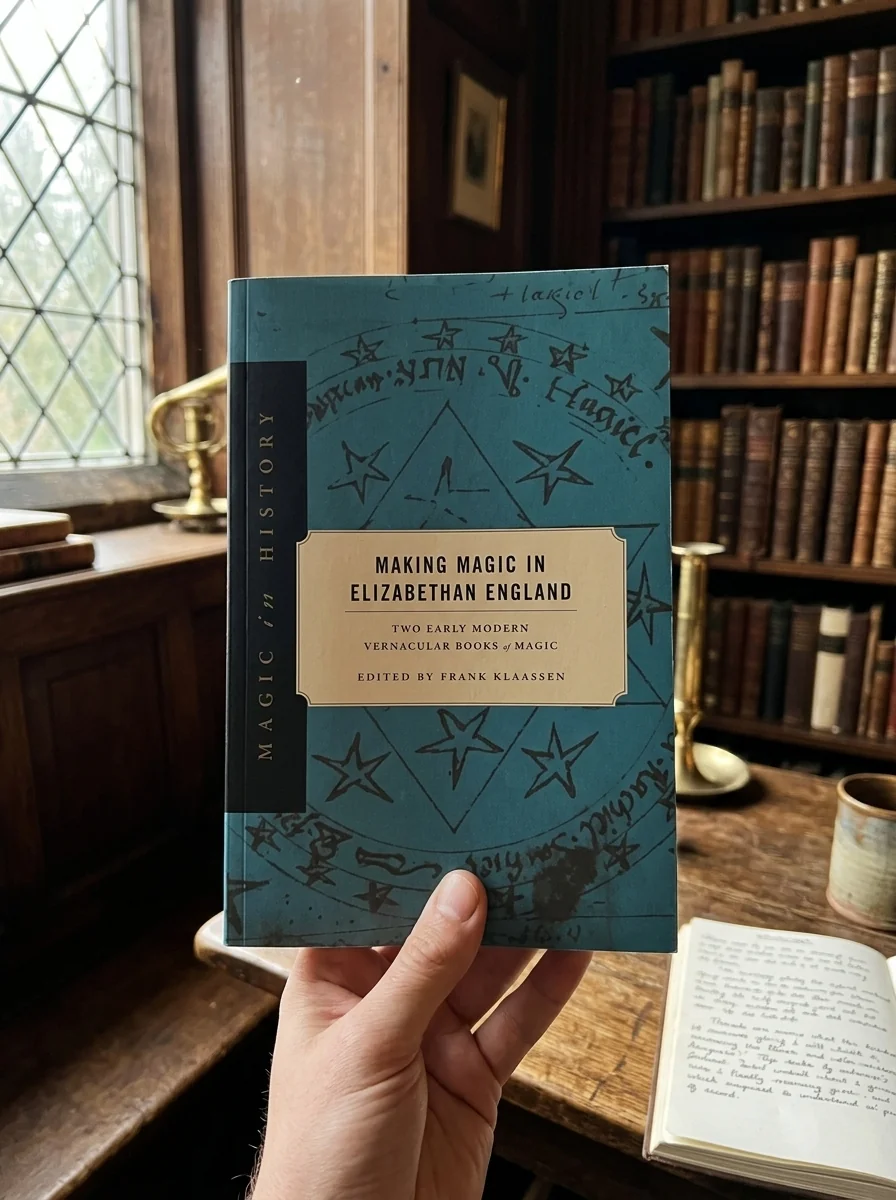
Making Magic in Elizabethan England: Two Early Modern Vernacular Books of Magic Klaassen, Frank
✍️ Klaassen, FrankFrank Klaassen meticulously unveils two anonymous Elizabethan magical manuscripts: the scholarly Boxgrove Manual and the practical Antiphoner Notebook. Through these vibrant primary sources, Klaassen argues that these texts represent the true breadth of early modern magical practice, demonstrating how evolving societal forces like the Renaissance, Reformation, and print culture profoundly reshaped the understanding and application of magic. He traces the intricate ways scribes integrated and adapted existing traditions, offering a crucial lens into the period's magical landscape and its enduring legacy.


Praise for this book
“Frank Klaassen's welcome and lively edition of two Elizabethan magical manuscripts brings to a wider readership works that would otherwise be both arcane in their subject matter and hard to access in their physical form. This is valuable in itself, but Klaassen's adept framing of the texts adds significantly to the usefulness of his book.”
📝 Description: Making Magic in Elizabethan England: Two Early Modern Vernacular Books of Magic Klaassen, Frank
📑 What's inside
- Acknowledgments
- List of Abbreviations
- General Introduction: The Devil in the Details
- The Antiphoner Notebook
- Introduction
- The Text
- The Boxgrove Manual
- Introduction
- The Text
- Appendixes
- Bibliography
- Index
💎 Expert review
📖 Why choose it
Why this book is worth reading
Scholars of Renaissance history, practitioners of historical ceremonial magic, and enthusiasts of esoteric literature will find immense value in this text. Frank Klaassen offers a rare window into the daily magical practices of Elizabethan England through two previously obscure manuscripts. Readers seeking to understand how societal forces like the Reformation reshaped occult traditions will appreciate the meticulous analysis of these primary sources. It is essential for anyone wishing to move beyond romanticized notions of magic and grasp the complex, lived reality of early modern spellcraft and its enduring legacy.
⭐ Reader reviews
Reader rating
Klaassen provides a rigorous academic examination of two anonymous manuscripts, offering fresh insights into early modern magical theory and practice. However, readers seeking practical grimoire instructions or entertaining narratives of witch hunts will find this dry and overly scholarly. The focus on textual analysis and historical context may alienate those looking for immediate occult application. It is best suited for historians and serious researchers rather than casual hobbyists. While intellectually stimulating, the dense prose and academic framing require patience and a specific interest in historiography rather than mystical experience.
❓ Frequently asked questions
📖 Who should read this
If you're captivated by the history of magic, the occult traditions of the Tudor period, or the intricate ways ancient practices evolve, this scholarly yet engaging analysis offers unparalleled insights. Scholars and curious practitioners alike will find its detailed examination indispensable for understanding early modern esotericism.
🎯 Key themes and symbolism
Evolution of Early Modern Magic
Klaassen illustrates how magical practices during the Elizabethan era were in constant flux. The book details the blending of ancient traditions with new influences from science and religion, showing magic not as a static art but a dynamic, adapting system reflecting its changing times, fundamentally shaping its future trajectory and modern forms.
Magic's Accessibility to All
This work highlights the significant trend of magic becoming available to a broader audience. By examining vernacular texts, Klaassen reveals how magical knowledge transitioned from scholarly Latin works to common English, making spells and rituals accessible to everyday practitioners, thereby democratizing esoteric knowledge for the masses.
Syncretism in Magical Grimoires
The study delves into how Elizabethan scribes ingeniously combined diverse source materials. From established ritual magic to folk charms and even anti-magic treatises, the book demonstrates the eclectic, adaptive nature of early modern magic manuscript creation, reflecting a rich tapestry of influences that defined the era's magical landscape.
📜 Historical context
📚 Glossary
- Vernacularization
- Learned Ritual Magic
- Charm Literature
📔 Questions to reflect on
- How might the shift from Latin to vernacular texts have changed not just who practiced magic, but how magic itself was understood and performed within society?
- Consider the implications of incorporating "anti-magic" works into magical manuscripts. What does this suggest about the boundaries and perceptions of magic in the Elizabethan era?
- If you were an Elizabethan magic practitioner, which of the two manuscripts—the learned Boxgrove or the practical Antiphoner—would you find more appealing and why?