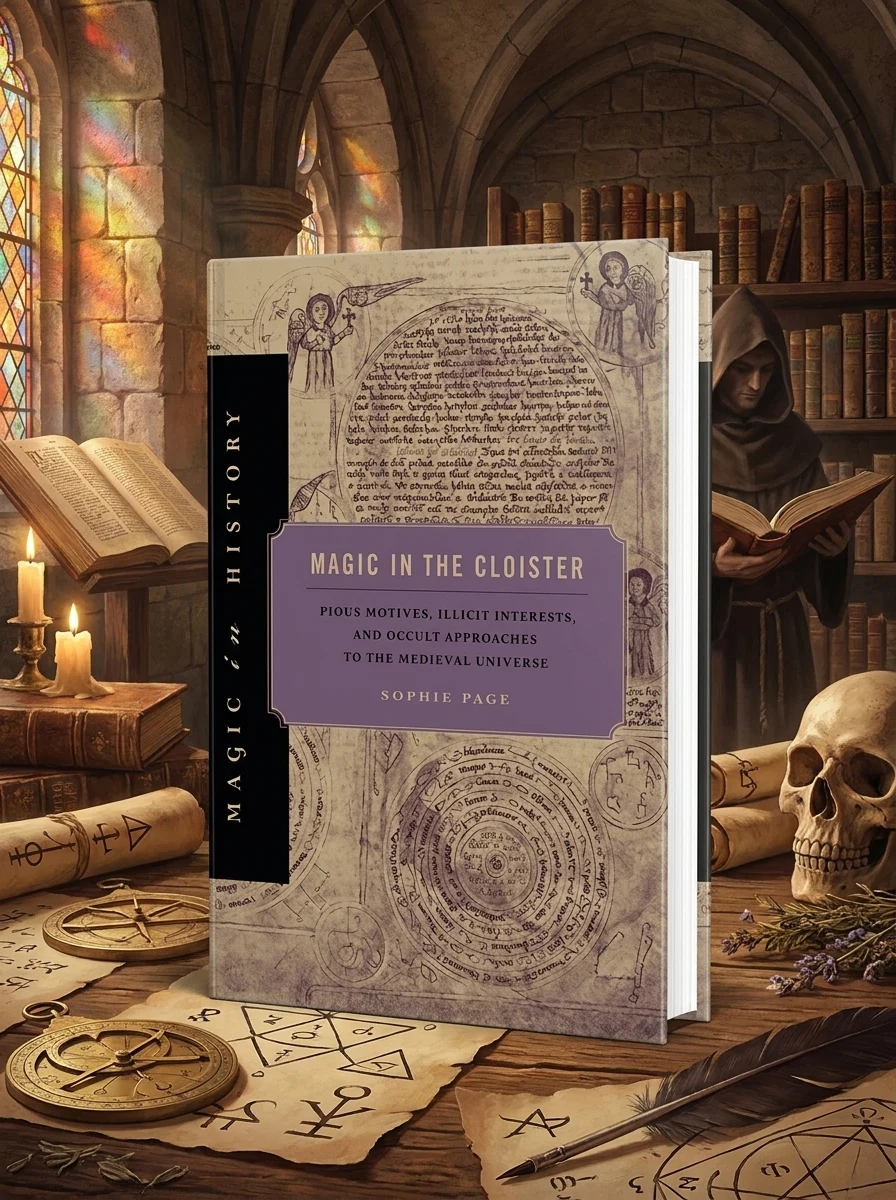
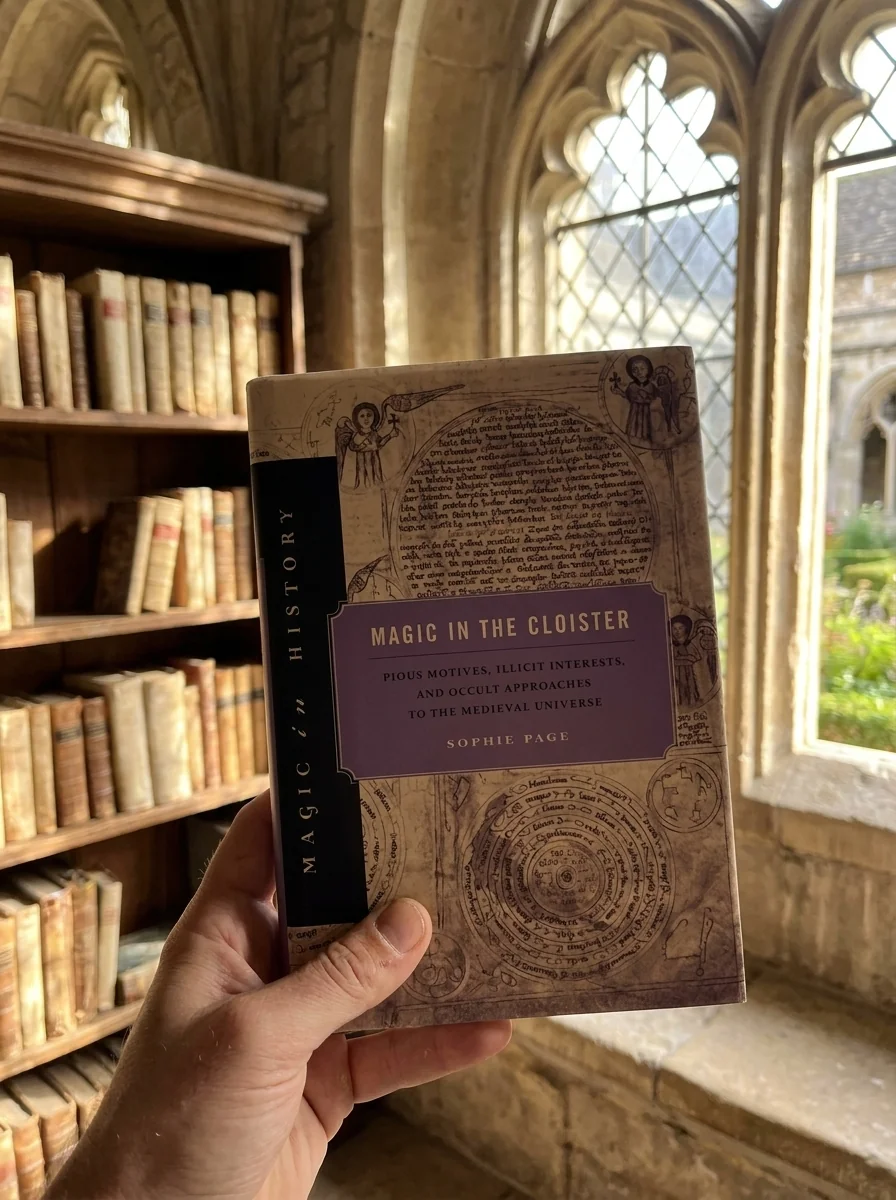
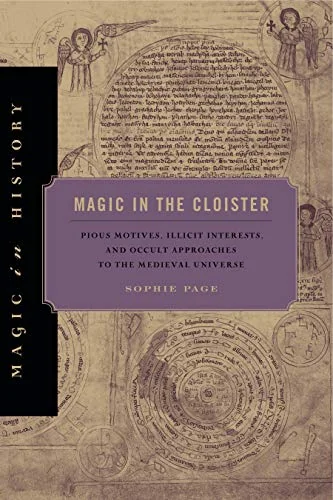
Magic in the Cloister: Pious Motives, Illicit Interests, and Occult Approaches to the Medieval Universe Page, Sophie
Sophie Page's "Magic in the Cloister" unearths a fascinating collection of over thirty magic texts housed in a Benedictine abbey's library during the late 13th and early 14th centuries. These texts, gathered by monks with esoteric leanings, reveal an evolving perspective on magic in medieval Europe, where spiritual figures found justification for practices often deemed illicit. Page meticulously explores how these monastic scholars integrated magical studies into their devout lives and intellectual pursuits, demonstrating that occult interests were not always at odds with orthodox worldviews. This work profoundly reshapes our understanding of magic's acceptance in the High Middle Ages.


Praise for this book
“The library in question in Magic in the Cloister is the late-medieval library of the Abbey of St. Augustine in Canterbury, especially its collection of learned magic. . . . Magic in the Cloister is a stimulating work: its research is meticulous, its insights compelling, and its prose limpid. For this reviewer, the first visit to the library of St. Augustine's was thrilling indeed.”
📝 Description: Magic in the Cloister: Pious Motives, Illicit Interests, and Occult Approaches to the Medieval Universe Page, Sophie
📑 What's inside
- List of Illustrations
- Acknowledgments
- List of Abbreviations
- Introduction
- 1Monks and Their Magic Texts at St. Augustine's Abbey, Canterbury
- 2Natural Magic: The Basilisk and the Lodestone
- 3The Liber vaccae Magical Uses of Monstrous Creations
- 4Image Magic: Harnessing Power in the Harmonious Universe
- 5The Liber de essentia spirituum Magic, Revelation, and Fellowship with Spirits
- 6The Ars notoria and Its Monastic Audience
- EpilogueJohn Dee, St. Augustine's Manuscripts, and Renaissance Magic
- Appendix 1Translation of the Glossulae super Librum imaginum lunae
- Appendix 2Translation of the Liber de essentia spirituum
- Notes
- Selected Bibliography
- Index
💎 Expert review
📖 Why choose it
Why this book is worth reading
Sophie Page’s groundbreaking study is essential for anyone interested in the complex intersection of religion and magic in medieval Europe. Readers who appreciate nuanced historical analysis will find value in how the book dismantles the assumption that monastic life was strictly devoid of esoteric curiosity. By focusing on specific texts from a Benedictine abbey, Page reveals how spiritual figures navigated their devout lives alongside illicit interests. This is not a light read for casual enthusiasts but a vital resource for scholars and serious hobbyists seeking to understand the genuine acceptance of occult approaches in the High Middle Ages. It offers a profound reshaping of our historical perspective.
⭐ Reader reviews
Reader rating
This text offers a meticulous excavation of magic texts from a late thirteenth-century Benedictine library, providing fresh insights into medieval intellectual pursuits. While academically rigorous and historically significant, it may disappoint readers seeking accessible narratives or practical magical instructions. The dense focus on specific monastic contexts and theological justifications requires patience and a strong interest in ecclesiastical history. Those looking for broad overviews of Western esotericism might find the narrow scope limiting. However, for specialists in medieval studies, this work is an indispensable contribution that clarifies how orthodox worldviews accommodated seemingly illicit practices without contradiction.
❓ Frequently asked questions
📖 Who should read this
If you're captivated by the hidden currents of medieval history, the intellectual lives of monks, or the complex interplay between religion and magic, this book offers a groundbreaking perspective. It challenges preconceptions about faith and forbidden knowledge in the Middle Ages.
🎯 Key themes and symbolism
Monastic Esoteric Pursuits
Page delves into the motivations behind a group of Benedictine monks who actively amassed a significant collection of magical texts. She investigates what drew these religious figures to study and preserve works that often bordered on the forbidden, showcasing their intellectual curiosity within the confines of monastic life.
Evolving Magical Acceptance
The book illuminates a crucial period when societal and religious attitudes towards magic began to shift, moving away from universal condemnation. Page uses the Canterbury collection as a lens to trace this gradual change, illustrating how certain forms of magical practice started to find positive justifications among educated elites.
Integrating Faith and Occult
A central revelation is how religious insiders managed to reconcile their spiritual devotion with a profound interest in magic. The author demonstrates that for these monks, occult knowledge wasn't necessarily antithetical to their orthodox faith, but rather could be integrated into a broader understanding of the medieval cosmos.
📜 Historical context
📚 Glossary
- Occult
- Illicit
- Orthodoxy
📔 Questions to reflect on
- Reflect on a time when you encountered something traditionally deemed "forbidden" or "heretical" that, upon closer examination, revealed unexpected depth or compatibility with your own beliefs.
- How might the discovery of "illicit" texts in a respected institution today alter our understanding of contemporary societal values or hidden intellectual currents?
- Consider the power of re-evaluating historical narratives. What other aspects of history might benefit from a closer look at the "margins" or the "exceptions to the rule"?