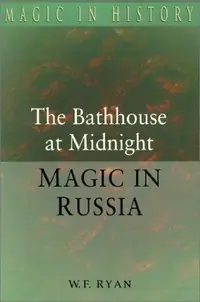
The Bathhouse at Midnight: An Historical Survey of Magic and Divination in Russia Ryan, W F
Stock reported in the catalog; fulfillment is confirmed with your request.
Unlock the midnight bathhouse of Russian esotericism, from Kiev’s dawn to Imperial shadows.
W.F. Ryan masterfully reconstructs the hidden currents of Russian occultism across a millennium. This volume dissects both scholarly and folk practices, tracing the lineage of divination, alchemy, and witchcraft from Kiev Rus through Imperial times. The author meticulously maps the origins of these beliefs, often rooting them in Greek, Arabic, and Western European traditions, while highlighting unique Slavic adaptations. It serves as a vital archive of talismans, omens, and the complex interplay between magic and state power in Eastern Europe.
This work anchors itself within the rich tapestry of Eastern European occult history, specifically exploring the unique synthesis of Slavic folk traditions with broader Greek, Arabic, and Western European esoteric influences. It bridges the gap between academic historical survey and the practical archive of talismans and omens that defined Russian magical practice from Kiev Rus through the Imperial era.


📝 Description: The Bathhouse at Midnight: An Historical Survey of Magic and Divination in Russia Ryan, W F
💎 Expert review
📖 Why choose it
Why this book is worth reading
Scholars and dedicated enthusiasts of esoteric history will find immense value in this meticulous reconstruction of Russian magical currents. Ryan provides a vital archive that disentangles the complex lineage of divination, alchemy, and witchcraft, offering readers a clear view of how Greek, Arabic, and Western traditions were uniquely adapted by Slavic practitioners. It is essential for those interested in the intersection of magic and state power, serving as a comprehensive guide to the hidden beliefs that shaped Eastern Europe over a millennium. The book transforms obscure historical fragments into a coherent narrative of talismans and omens, making it an indispensable resource for understanding the depth and breadth of this specific cultural heritage.
⭐ Reader reviews
Reader rating
This exceeded my expectations. It reads better in small doses — a chapter at a time with notes. Recommended with reservations.
I collect works on this subject and this is a worthy addition. The print is clean and easy on the eyes for long sessions. Already eyeing my next order.
Arrived faster than expected and well packaged. The symbolism is layered and generous to patient readers. Some sections stopped me cold in the best way. Glad I finally picked this up.
Ryan’s scholarly survey is a dense, academic exploration that demands patience and background knowledge from its audience. While it excels as a historical archive mapping the origins of Russian occultism, it is not designed for casual readers seeking practical spellcraft or immediate mystical experiences. Those looking for entertaining folklore tales or simple guides to divination will likely find the text too rigid and dry. It strictly appeals to those interested in the academic dissection of how state power interacted with folk magic from Kiev Rus through Imperial times. The focus on historical lineage over narrative flair means it may alienate readers preferring accessible, story-driven accounts of the occult.
❓ Frequently asked questions
📖 Who should read this
If you study comparative mythology, Slavic history, or the evolution of Western esotericism, this text is essential. It offers rare depth for researchers tired of superficial Western-centric narratives, providing a rigorous look at how magic functioned within Russian society.
🎯 Key themes and symbolism
Folk Magic and Ritual
Cross-Cultural Esoteric Exchange
Political Suppression of Occultism
💬 Quotes from the book
“The bathhouse at midnight remains the classic locus for the uncanny, where the veil between the mundane and the magical thins.”
“Russian magic is not an island, but a bridge, sharing its roots with the classical and Arabic worlds.”
📜 Historical context
📚 Glossary
- Kiev Rus
- Evil Eye
- Imperial Russia
📔 Questions to reflect on
- How does the location of a ritual, such as the bathhouse, influence its perceived power in different cultures?
- In what ways does political authority shape the public perception and practice of magic?
- Which elements of Russian folk magic resonate with your own cultural or spiritual background?
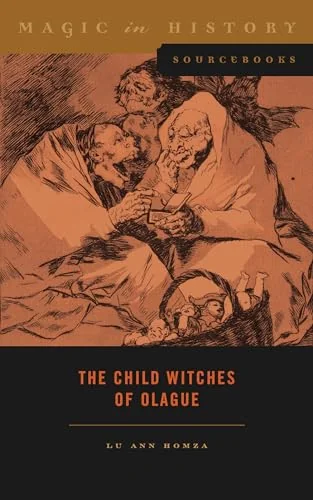
📖 From the series “Magic in History”
All books in the series →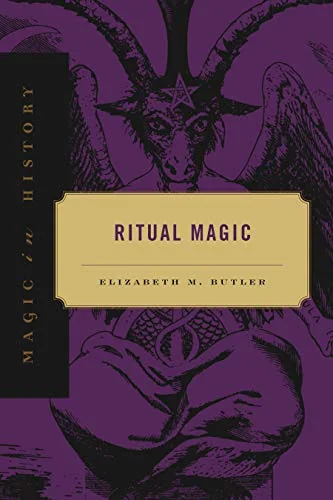
 81
81
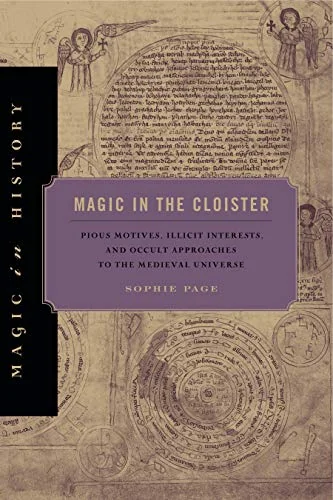
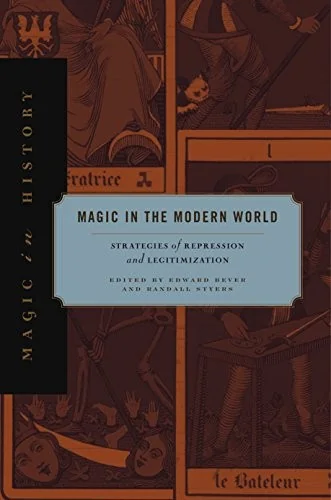
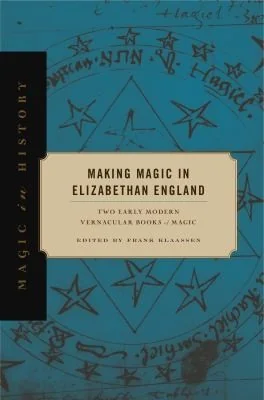
🏛 Books from this publisher Penn State University Press
All books from this publisher →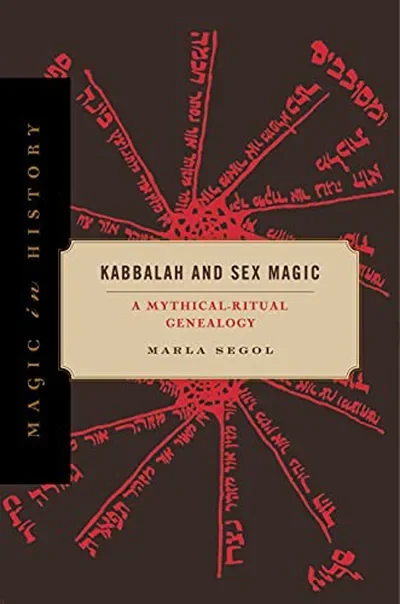
You might also like
See more →
 91
91
 91
91