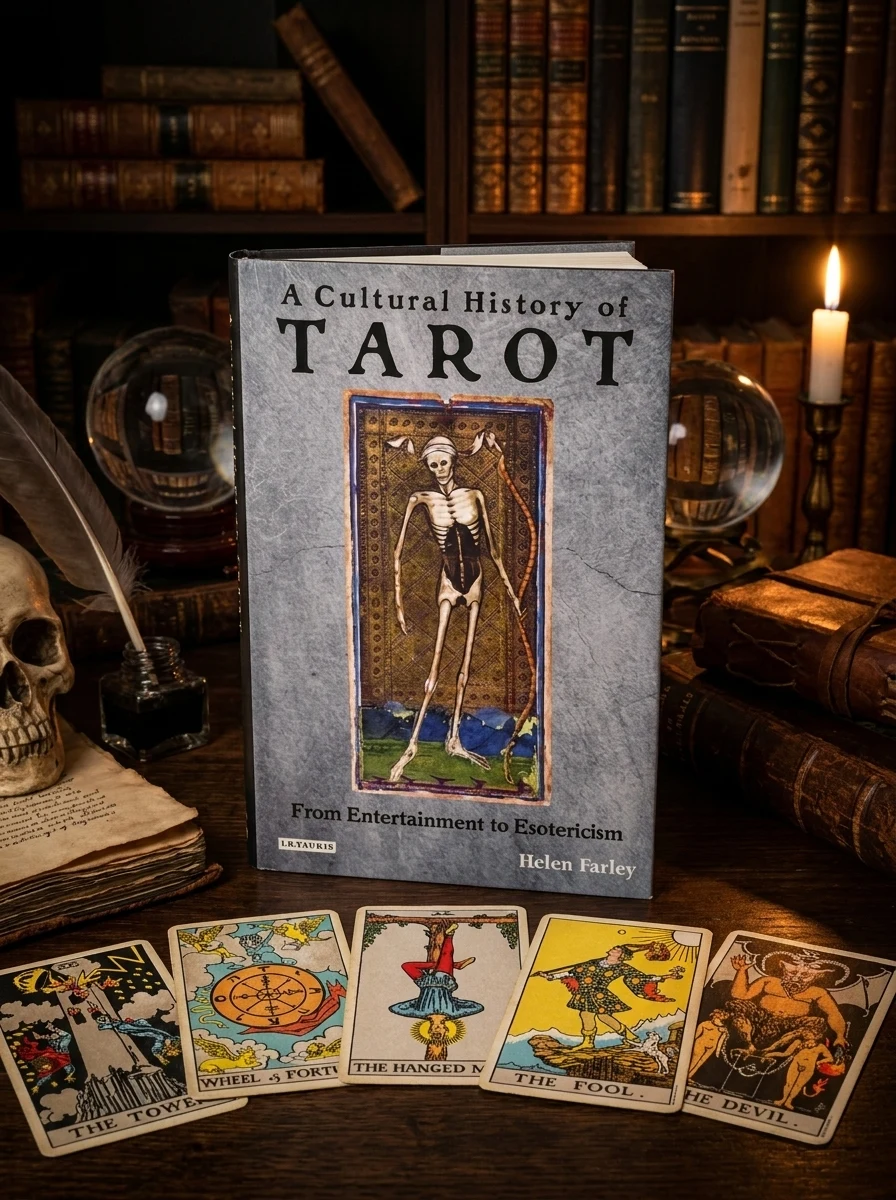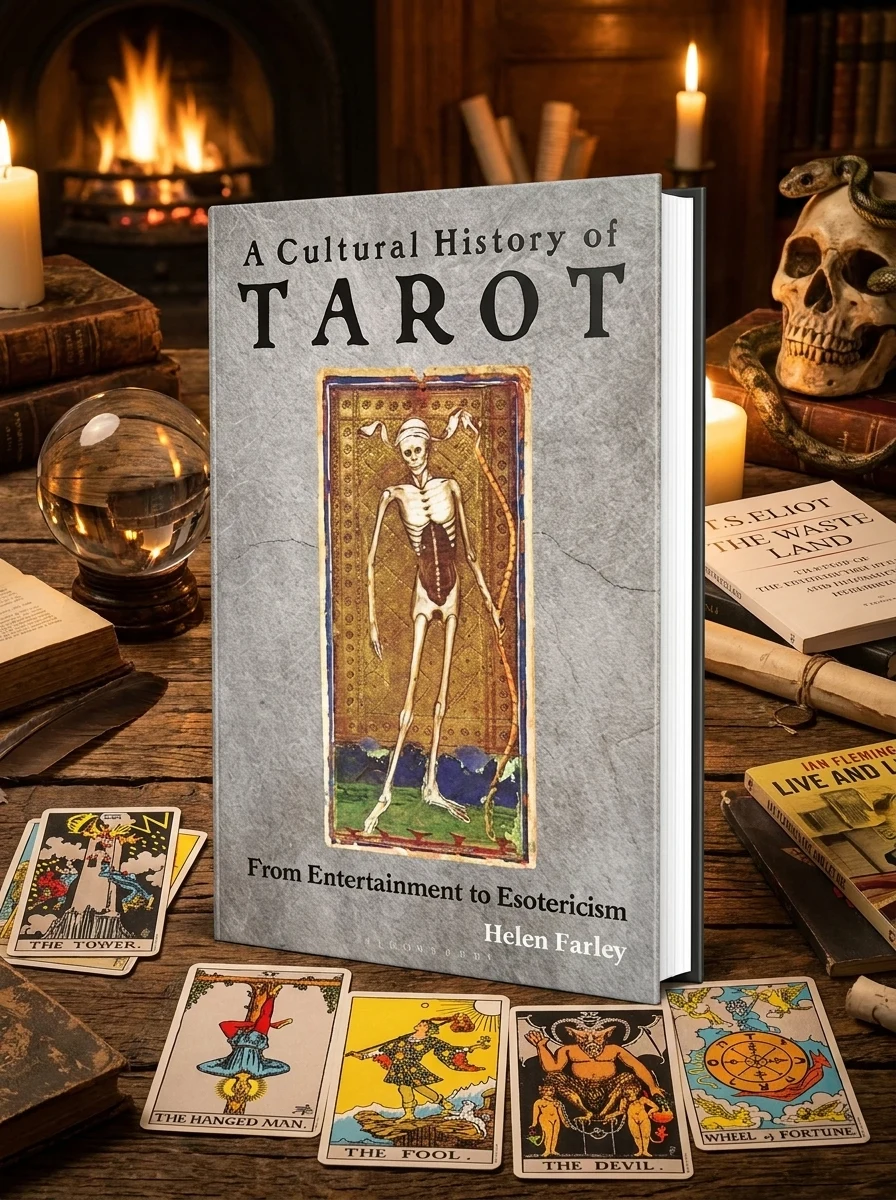
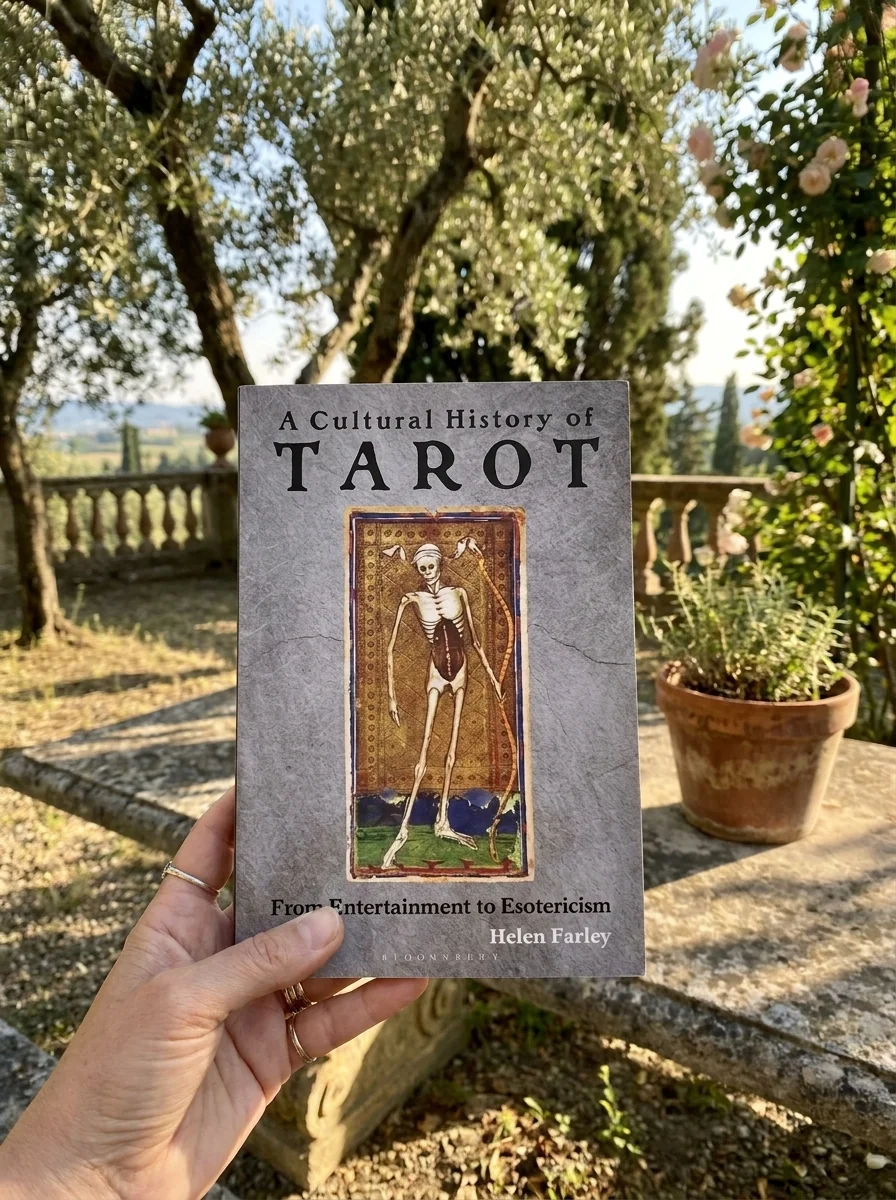
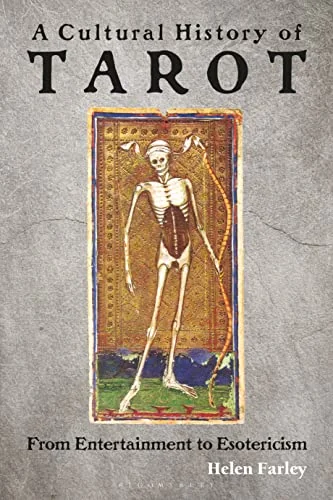
A Cultural History of Tarot: From Entertainment to Esotericism
✍️ Farley, HelenHelen Farley's definitive work meticulously traces the multifaceted evolution of the Tarot, revealing its profound cultural impact. Far from its modern mystic reputation, the cards originated as a recreational diversion for Italian nobility. This book expertly guides readers through the pivotal shifts that transformed these illustrated playing cards into symbols of esotericism in the 18th and 19th centuries, eventually becoming the diagnostic and divinatory tool recognized today. It explores how literature, film, and New Age practices cemented Tarot's iconic status, offering an unparalleled look at its pervasive influence across history.


Praise for this book
“[Farley's] analysis of an extensive range of sources, including pseudo-academic and esoteric materials, as well as her clear and enjoyable style of writing, ensures that the book can be appreciated by anyone with an interest in tarot ... [An] essential resource for understanding the multifaceted journey of tarot cards through time and across cultures.”
📝 Description: A Cultural History of Tarot: From Entertainment to Esotericism
💎 Expert review
📖 Why choose it
Why this book is worth reading
Readers fascinated by the intersection of history, art, and spirituality will find immense value in this definitive account. It is ideal for those who wish to understand the true origins of Tarot beyond its modern esoteric associations, offering a clear path through its evolution from Renaissance parlor game to iconic symbol. By exploring how literature, film, and New Age practices cemented its status, Helen Farley provides an unparalleled look at its pervasive influence. This book is essential for anyone seeking to grasp the profound cultural impact of these cards, satisfying intellectual curiosity about their transformation into diagnostic tools while honoring their complex journey through centuries of changing perceptions.
⭐ Reader reviews
Reader rating
Helen Farley offers a meticulous and expertly guided tour through Tarot’s multifaceted evolution, making it a valuable resource for historians and serious students of esotericism. The text effectively debunks the notion that the cards were always mystical, instead revealing their roots as recreational diversions for Italian nobility. However, readers seeking practical divinatory instructions, mystical correspondences, or spell-casting techniques will find this volume lacking. It is purely an academic and cultural examination rather than a practitioner’s manual. Those expecting immediate spiritual guidance or magical utility may feel disconnected from the historical analysis, though they will appreciate the rigorous scholarship behind the cards' iconic status.
❓ Frequently asked questions
📖 Who should read this
If you're fascinated by the hidden histories of everyday objects, the evolution of spiritual practices, or the profound cultural resonance of symbols, this book is for you. Dive deep into the unexpected origins and transformative journey of one of the world's most enigmatic decks.
🎯 Key themes and symbolism
From Game to Oracle
Farley meticulously chronicles how Tarot cards transitioned from a secular pastime, enjoyed by Italian aristocrats, to the profound esoteric tool we recognize today. The book highlights the specific historical moments and cultural shifts that redefined their purpose, moving from simple play to complex systems of introspection and prophecy over centuries.
Cultural Echoes of Tarot
This study delves into the ubiquitous presence of Tarot in popular culture, from literary giants like T.S. Eliot to cinematic espionage thrillers. It examines how these cards have inspired and been interpreted across various artistic and spiritual movements, shaping public perception and solidifying their place as enduring cultural archetypes.
The Esoteric Transformation
The book meticulously unpacks the critical period in the 18th and 19th centuries when Tarot shed its recreational skin and became deeply entwined with occult traditions. It details the figures and philosophies that spearheaded this reinterpretation, establishing the foundation for Tarot's modern association with divination and spiritual insight.
📜 Historical context
📚 Glossary
- Esotericism
- Divination
- Arcana
📔 Questions to reflect on
- Reflect on how your personal understanding of Tarot has changed after learning about its historical origins as a game. What surprised you most?
- Consider another object or practice that has undergone a significant shift in cultural meaning over time. How does its evolution compare to that of the Tarot?
- How might the Tarot's diverse cultural portrayals (in literature, film, etc.) influence public perception and understanding of esoteric practices today?