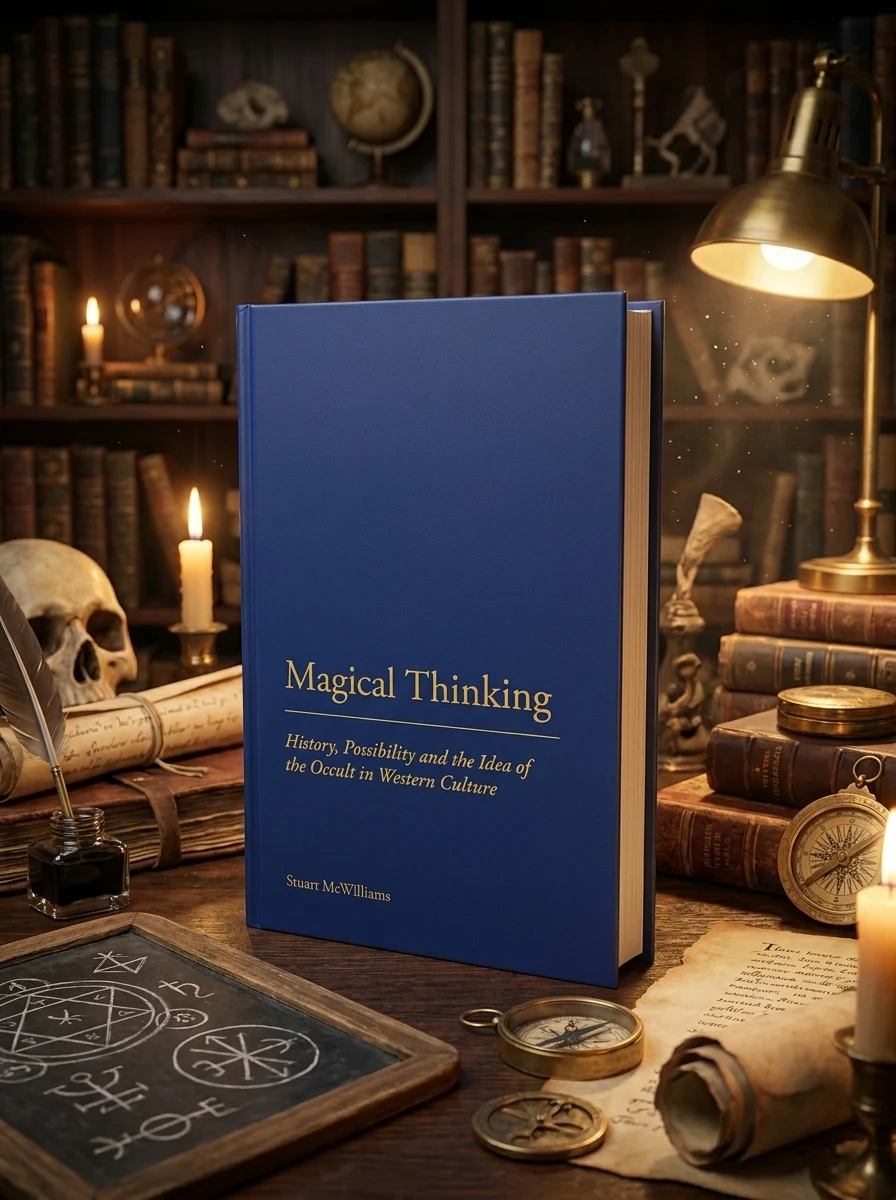
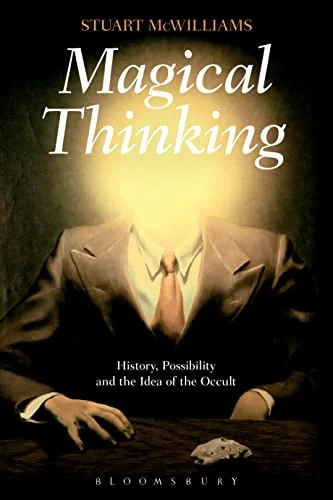
Magical Thinking: History, Possibility and the Idea of the Occult
✍️ McWilliams, StuartStuart McWilliams' 'Magical Thinking' offers a profound investigation into humanity's complex relationship with the occult. Moving beyond simple definitions, this work explores how 'magic' has been conceptualized, debated, and often dismissed within Western intellectual traditions. It scrutinizes the academic frameworks used to interpret esoteric phenomena, revealing inherent biases and controversies in historical and philosophical approaches. Through compelling case studies, McWilliams illuminates the persistent influence of magical thought, questioning its boundaries and proposing new ways to engage with its profound historical and psychological dimensions.


Praise for this book
“The erudition and the learnedness of some the passages are simply breathtaking... [An] engaging and surprising piece of work... we will undoubtedly read more of [McWilliams's] work in the future.”
“I enjoyed the book and found its reasoningprovocative...I will look forward to McWilliams's future books”
📝 Description: Magical Thinking: History, Possibility and the Idea of the Occult
💎 Expert review
📖 Why choose it
Why this book is worth reading
Scholars and serious students of esotericism will find this text indispensable for its deep dive into the conceptualization of magic within Western thought. McWilliams provides a necessary corrective to superficial understandings, offering a nuanced exploration of how magical thinking has persisted despite academic dismissal. Readers interested in the psychology of belief, the history of ideas, and the boundaries between science and superstition will gain profound insights. It is ideal for those willing to engage with complex theoretical frameworks to understand the enduring sway of the occult on human consciousness.
⭐ Reader reviews
Reader rating
McWilliams delivers a rigorous intellectual excavation that appeals primarily to academics and dedicated researchers in religious studies or philosophy. The text demands patience and familiarity with high-level theoretical discourse, making it unsuitable for casual readers seeking practical magical instruction or simple historical narratives. Those looking for accessible introductions to occultism may find the dense academic tone and critical scrutiny of established frameworks frustrating or overly abstract. It is a specialized tool for deconstructing biases rather than a broad overview.
❓ Frequently asked questions
📖 Who should read this
If you're fascinated by the academic and philosophical dimensions of the occult, or seek to understand how history grapples with phenomena deemed 'magical,' this book is essential. It challenges preconceived notions, inviting a deeper, more critical engagement with esoteric traditions and their profound place in human thought.
🎯 Key themes and symbolism
Defining Magic Through Time
This book meticulously traces the evolving interpretations of magic and the occult across various historical epochs. It examines how different intellectual movements and academic disciplines have grappled with classifying and understanding esoteric practices, highlighting the shifting boundaries between belief, science, and superstition. McWilliams reveals the constructed nature of our understanding.
Academic Approaches to Esotericism
McWilliams delves into the significant methodological disputes within the humanities regarding the study of magical phenomena. He critiques the conventional scholarly lenses applied to the occult, showcasing how biases and preconceived notions have shaped historical narratives and interpretive frameworks. The work advocates for a more nuanced, inclusive academic engagement.
The Enduring Power of Belief
The author explores the psychological and cultural persistence of magical thinking, moving beyond its historical categorization as irrational. He investigates why humans continue to engage with esoteric ideas, even in secularized societies, suggesting that magical thought represents a fundamental aspect of human cognition and meaning-making, rather than mere superstition.
📜 Historical context
📚 Glossary
- Occult
- Esotericism
- Historiography
📔 Questions to reflect on
- How do your personal definitions of 'magic' and 'occult' align with or diverge from the academic perspectives discussed in this book?
- Consider a historical period you're familiar with. How might its dominant intellectual frameworks have influenced the perception and recording of magical practices during that time?
- In what ways do you observe 'magical thinking' persisting in contemporary society, even within seemingly rational or scientific contexts?