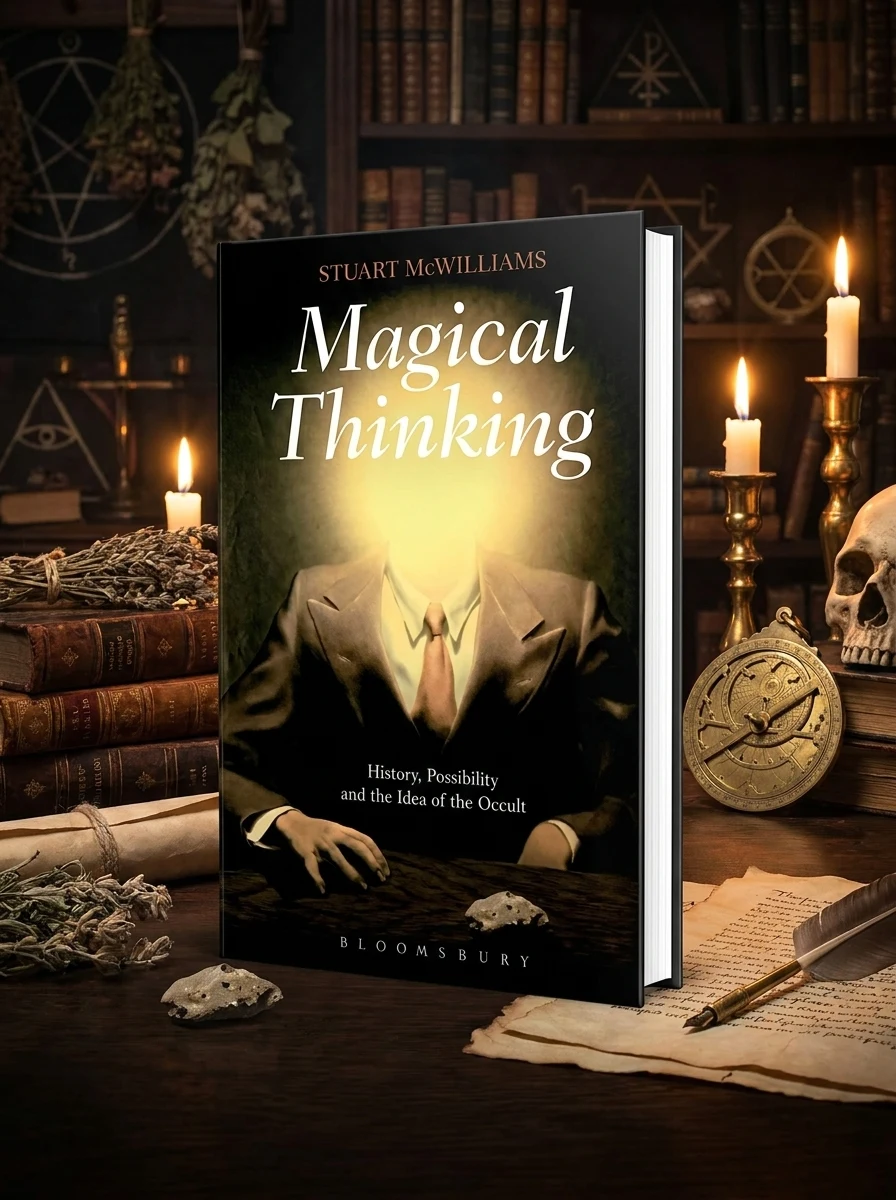
Magical Thinking: History, Possibility and the Idea of the Occult
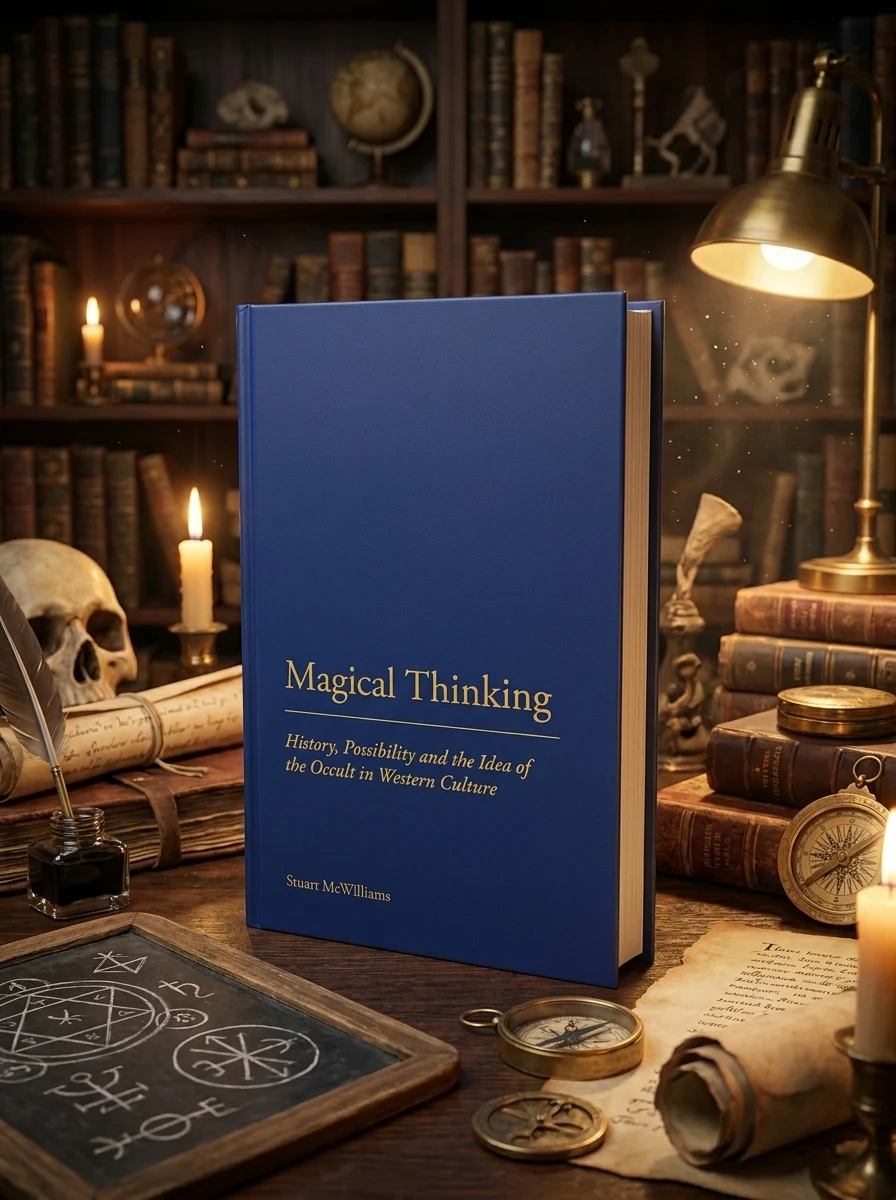
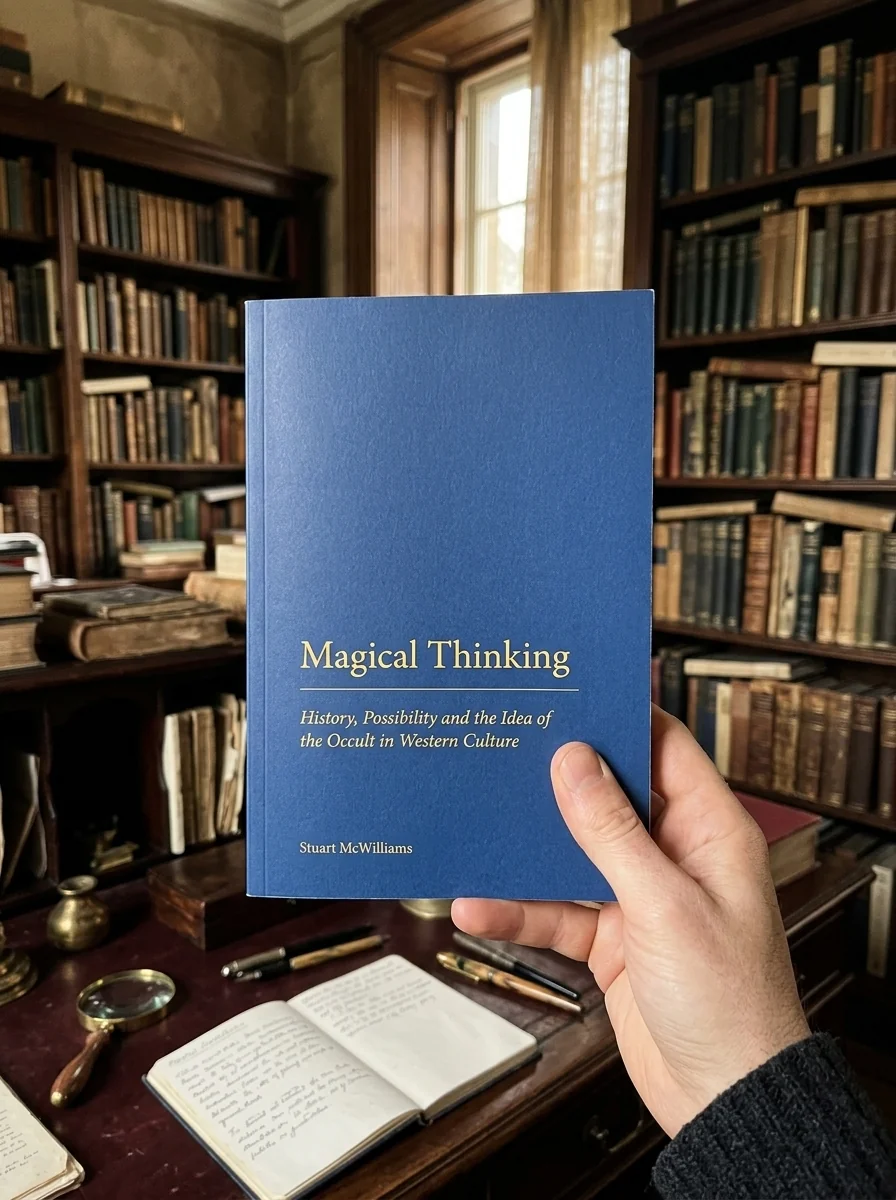
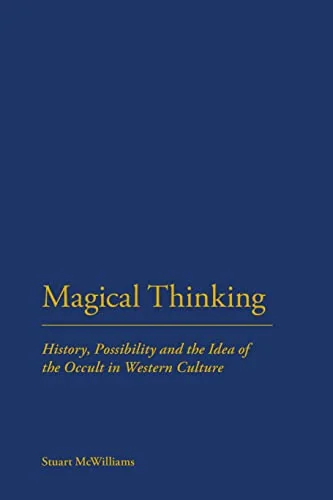
✍️ McWilliams, StuartThis volume analyzes the intersection of academic methodology and occult traditions in humanities research. McWilliams investigates how Western institutions construct knowledge by confronting or adopting ideas of enchantment. The text demonstrates that scholarly attempts to define or dismiss magic repeatedly disrupt standard historical models. Rather than treating magic as an isolated belief system, the work details its ongoing role in shaping critical debate, historical writing, and modern views on rationalism.


📝 Description: Magical Thinking: History, Possibility and the Idea of the Occult
💎 Expert review
📖 Why choose it
Why this book is worth reading
Readers fascinated by the intersection of intellectual history and esotericism will find this volume deeply rewarding. It is ideal for scholars and serious enthusiasts who wish to understand how academic disciplines have historically grappled with the occult. McWilliams offers a compelling narrative on how magical thought has repeatedly challenged Western epistemological frameworks, providing essential context for those studying the boundaries between rationality and magic. If you are interested in how historical accounts of magic shape modern academic debate, this book provides a rigorous yet accessible exploration of these enduring tensions.
⭐ Reader reviews
Reader rating
McWilliams delivers a meticulous unpacking of the relationship between scholarly inquiry and the concept of magic, highlighting its unsettling influence on intellectual history. The text effectively demonstrates how engaging with magical thought has ignited epistemological crises, challenging Western understandings of knowledge. While intellectually robust, this book is not suited for casual readers seeking practical spellcasting or simple historical summaries. It requires patience for dense theoretical discussions and may frustrate those looking for definitive answers rather than an exploration of complex academic debates surrounding the occult's persistent presence in intellectual discourse.
❓ Frequently asked questions
📖 Who should read this
If you are drawn to the philosophy of knowledge, the history of ideas, or the intricate ways culture shapes academic inquiry, this book is for you. It's a must-read for anyone fascinated by how the 'unseen' has provoked profound intellectual transformations.
🎯 Key themes and symbolism
Academic Engagement with Magic
This book dissects how academic discourse, across various humanities disciplines, has struggled to define and integrate the concept of magic. It reveals the internal contradictions and methodological challenges scholars face when attempting to rationalize or historicize the occult, often revealing more about their own frameworks than about magic itself.
Epistemological Crises
McWilliams illustrates how the mere presence or discussion of magic has consistently triggered profound challenges to established systems of knowledge and understanding. These "crises" force a re-evaluation of what constitutes 'truth,' 'history,' and 'rationality' within Western intellectual traditions, showcasing magic as a potent destabilizing force.
Intellectual History Reimagined
The work re-examines intellectual history through the lens of magic, arguing that its overlooked or misrepresented influence has profoundly shaped Western thought. By analyzing how scholarship has both "contended and conspired" with enchantment, it offers a fresh perspective on the evolution of ideas and the boundaries of accepted knowledge.
📜 Historical context
📚 Glossary
- Occult
- Epistemology
- Historiography
📔 Questions to reflect on
- How might your own academic or personal understanding of 'rationality' be subtly influenced by an unacknowledged engagement with 'magical thinking'?
- Consider a historical or contemporary 'epistemological crisis.' What role, if any, do you think the concept of the 'occult' played in its unfolding or resolution?
- If scholarship itself can be a form of 'necromancy,' animating concepts it studies, what ethical or methodological implications does this have for the pursuit of knowledge?