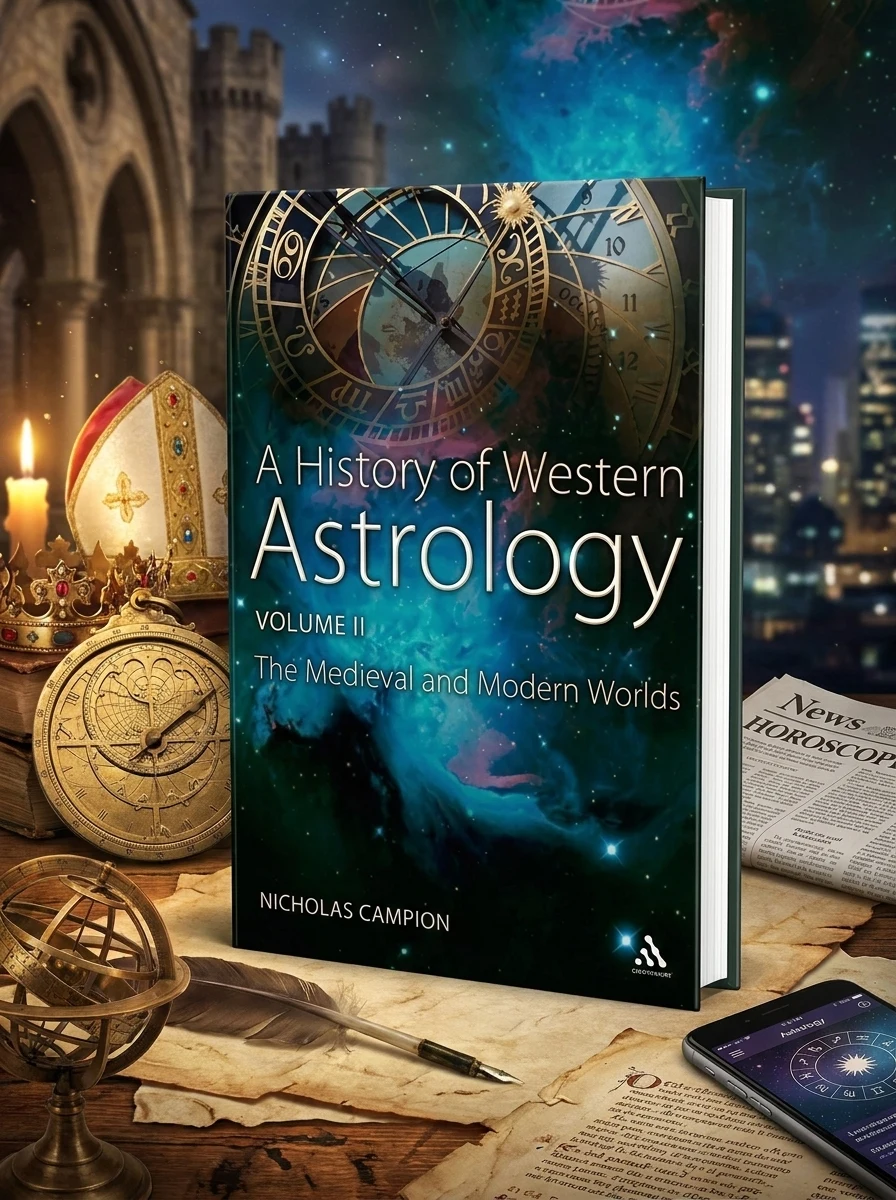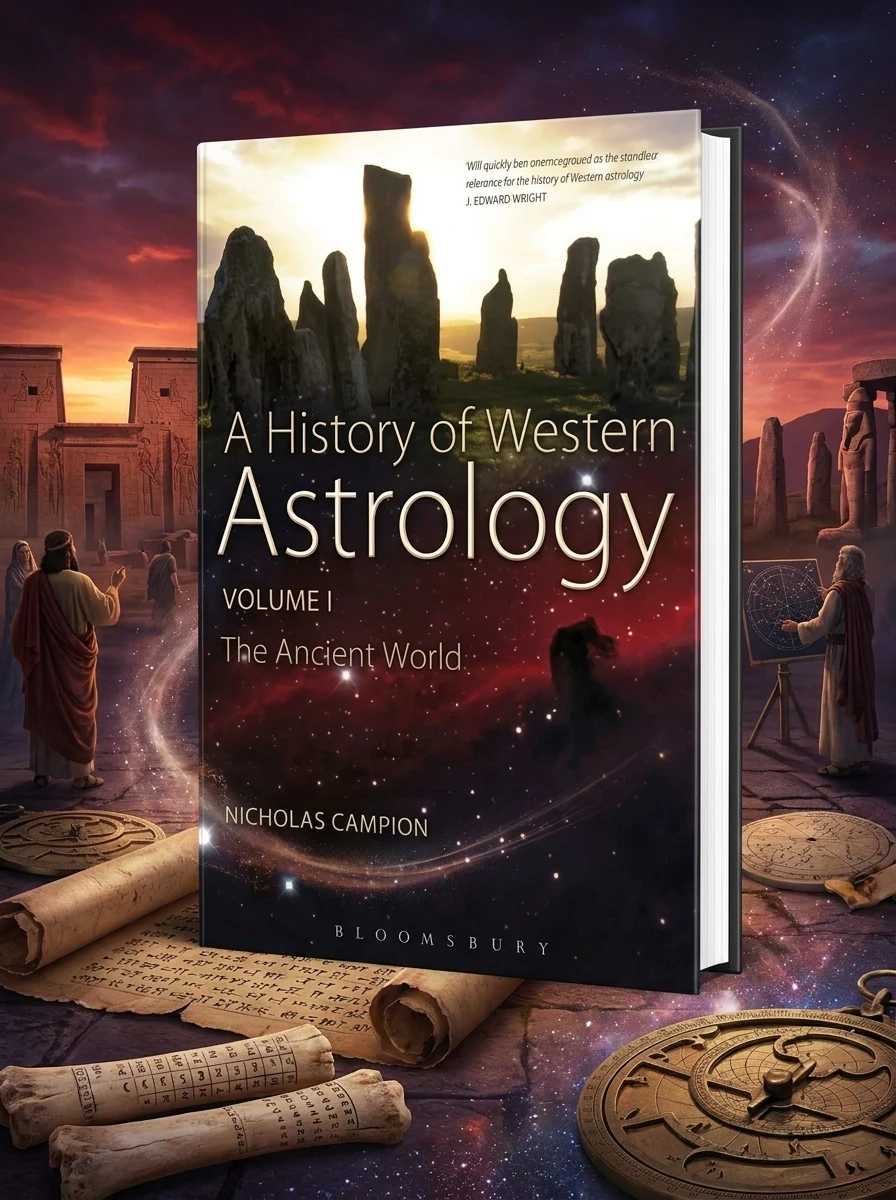
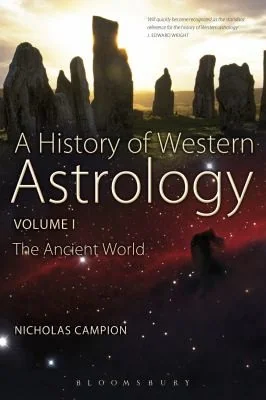
A History of Western Astrology Volume I: The Ancient and Classical Worlds
✍️ Campion, NicholasNicholas Campion's foundational work meticulously traces the genesis of Western astrology, revealing its profound ancient heritage. This volume dismantles common misconceptions, probing its intricate ties to early spiritual practices, magical traditions, and scientific thought. From the earliest lunar observations of the Paleolithic era to the dawn of Christianity, Campion scrutinizes archaeological wonders and cultural artifacts, offering a sweeping re-evaluation of stellar reverence. He scrutinizes the prevailing narrative of Greek invention, instead investigating Mesopotamian insights, Egyptian celestial worship, and biblical perspectives on cosmic prophecy.


Praise for this book
“Campion leaves few stones unturned and the large section of notes and the ample bibliography make these two volumes [History of Western Astrology Volume I and II] an excellent starting point for those who wish to dig deeper.”
“The advantage of Campion's work lies in its material wealth, including figures, themes and topics normally excluded from histories of astrology.”
“It shines light on the heaven for scholars and amateurs alike; its narrative is dense but rich, readable and suggestive.”
📝 Description: A History of Western Astrology Volume I: The Ancient and Classical Worlds
📑 What's inside
- Introduction
- Chap 1 Distant Echoes: Origins of Astrology
- Chap 2 Prehistory: Myths and Megaliths
💎 Expert review
📖 Why choose it
Why this book is worth reading
This volume is an essential treasure for the serious student of occult history who seeks to move beyond superficial horoscopes and understand the profound intellectual foundations of celestial wisdom. Campion invites readers to dismantle common misconceptions by revealing the intricate ties between astrology, early spiritual practices, and ancient scientific thought. Those fascinated by archaeological wonders and cultural artifacts will find immense value in this sweeping re-evaluation of stellar reverence. It is particularly rewarding for individuals interested in Mesopotamian insights, Egyptian celestial worship, and biblical perspectives on cosmic prophecy. By investigating the true genesis of Western astrology, this book offers a rigorous, scholarly journey that satisfies the intellectual curiosity of those who view the stars not merely as fortune-telling tools, but as a complex heritage of ancient wisdom stretching back millennia.
⭐ Reader reviews
Reader rating
Campion provides a meticulous, foundational trace of Western astrology’s genesis, challenging the prevailing narrative of Greek invention by highlighting Mesopotamian and Egyptian contributions. While archaeologically rich and culturally significant, this text is dense with scholarly scrutiny of artifacts and spiritual ties, making it inaccessible to casual hobbyists seeking quick horoscope answers. It does not suit readers looking for practical divinatory techniques or light entertainment; instead, it demands patience for those willing to engage with complex historical analysis. The focus on dismantling misconceptions through rigorous academic inquiry ensures it remains a specialized resource for historians and serious esoteric scholars rather than the general public interested in modern astrological practice.
❓ Frequently asked questions
📖 Who should read this
For curious seekers of ancient truths, discerning historians, or anyone fascinated by humanity's connection to the cosmos, this meticulously researched volume offers an unparalleled journey into astrology's deepest origins. Prepare to have your understanding profoundly reshaped.
🎯 Key themes and symbolism
Origins of Celestial Lore
This book embarks on an ambitious quest to pinpoint astrology's earliest glimmerings. It delves into prehistoric lunar tracking, scrutinizes ancient Near-Eastern astral divination, and examines Egyptian stellar cults, presenting a compelling argument that astrology's foundations predate classical Greek influence by millennia.
Astrology, Religion, and Science
Campion masterfully dissects the complex interplay between celestial observation, spiritual belief, and burgeoning scientific understanding in ancient societies. He demonstrates how astrology was not merely superstition but a holistic framework integrating religious devotion, magical practices, and early cosmological inquiry.
Re-evaluating Ancient Narratives
The author critically challenges the conventional wisdom that Greek civilization solely birthed Western astrology. Through rigorous analysis of archaeological and textual evidence, he explores whether its sophisticated systems emerged from indigenous Near-Eastern traditions or arrived as an 'Eastern import,' prompting a re-examination of historical biases.
📜 Historical context
📚 Glossary
- Paleolithic lunar counters
- Astral divination
- Stellar religion
📔 Questions to reflect on
- Considering the ancient origins presented, how might our modern understanding and practice of astrology be enriched by acknowledging its prehistoric and non-Greek roots?
- If early celestial observation was intimately linked with religion and magic, how did this holistic perspective differ from our contemporary tendency to compartmentalize science, spirituality, and belief?
- Reflect on the idea of "decadent Eastern import." What does this historical framing reveal about biases in how ancient knowledge was categorized and valued in the Western tradition?