Witch Beliefs and Witch Trials in the Middle Ages: Documents and Readings
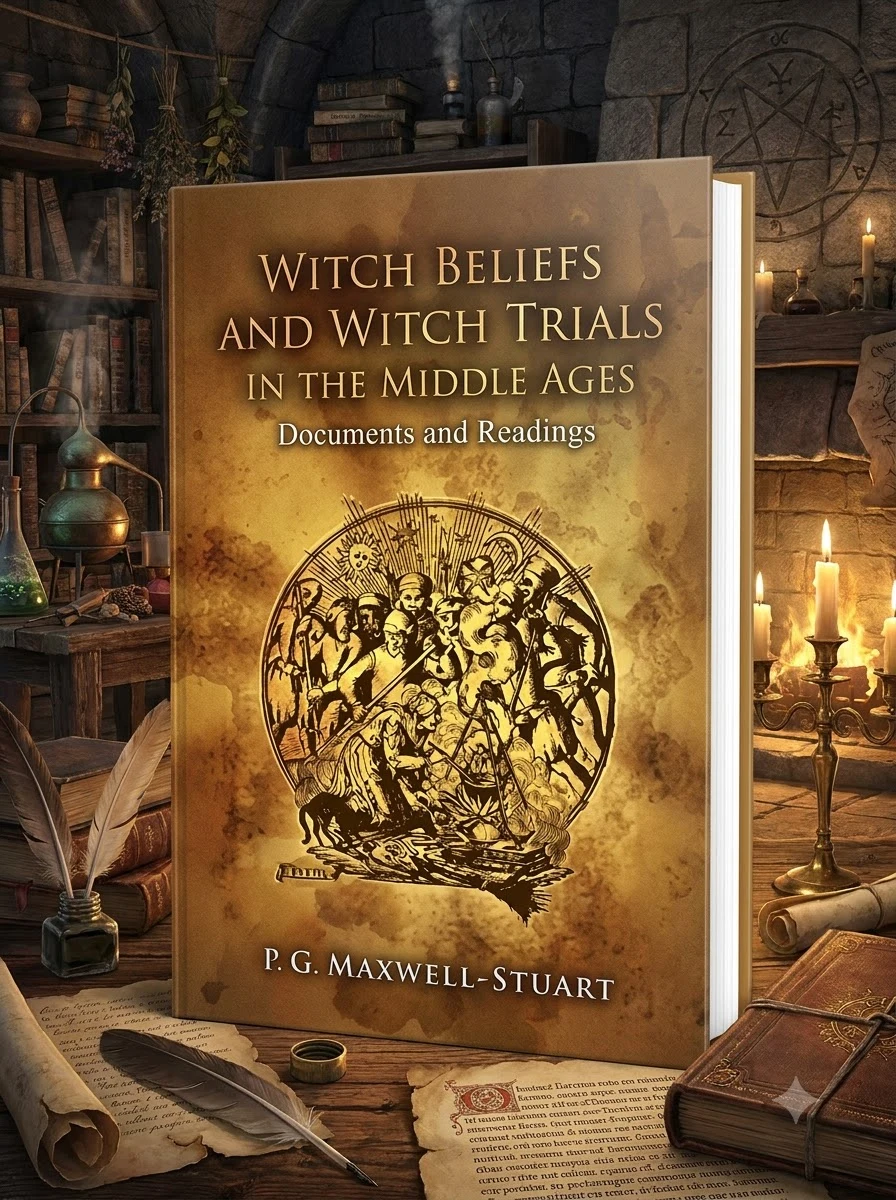
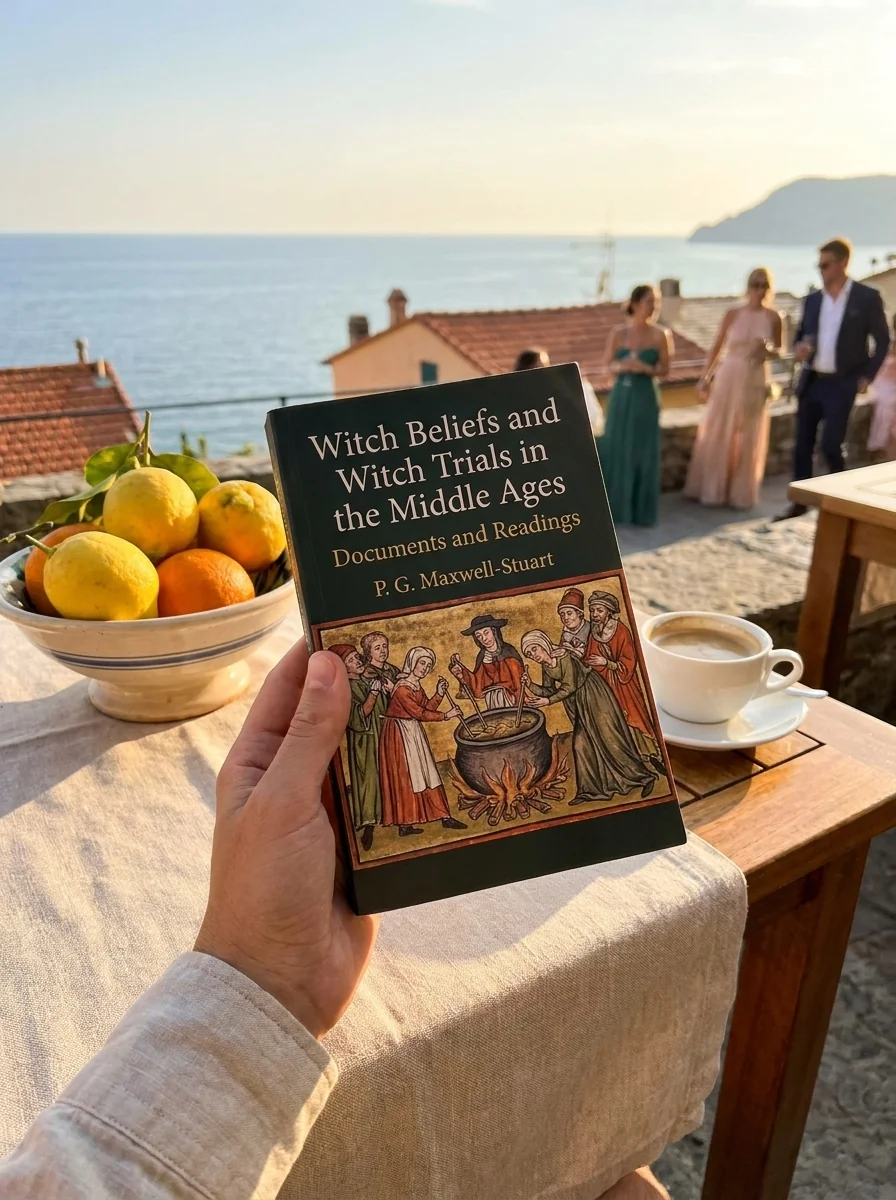
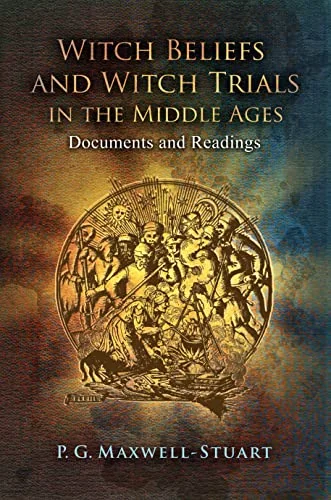
✍️ Maxwell-Stuart, P GThis essential collection unveils a forgotten chapter in the history of witchcraft, translating pivotal medieval documents previously locked away in Latin, German, and French. It illuminates the formative era when local spiritual practices began to be intertwined with early concepts of heresy and demonic influence, long before widespread witch hunts. Readers gain unprecedented access to primary sources, carefully contextualized by an insightful introductory essay, offering a fresh perspective on the evolving perceptions of magic and those accused of practicing it in the Middle Ages.


📝 Description: Witch Beliefs and Witch Trials in the Middle Ages: Documents and Readings
💎 Expert review
📖 Why choose it
Why this book is worth reading
This volume is an indispensable resource for historians, students of religious studies, and anyone fascinated by the deep roots of Western esotericism. Readers who crave authentic voices from the past, rather than modern reinterpretations, will find immense value in these translated documents. It offers a rare window into how local spiritual practices were viewed through the lens of heresy before the mass hysteria took hold. By providing carefully contextualized primary sources, it empowers readers to form their own conclusions about the origins of witchcraft accusations. It is perfect for those who wish to understand the intellectual and cultural foundations of these terrifying beliefs without relying on sensationalist narratives.
⭐ Reader reviews
Reader rating
Maxwell-Stuart provides a scholarly yet accessible compilation that demystifies the medieval mindset regarding magic and demonology. However, readers seeking narrative thrillers or practical magical instructions will be disappointed; this is a dry, academic text focused on historical analysis rather than entertainment. It may also feel too dense for casual history buffs unaccustomed to reading translated archival material. The book’s strength lies in its rigorous contextualization, but its value is strictly limited to those interested in the specific evolution of legal and religious perceptions of witchcraft during this formative period.
❓ Frequently asked questions
📖 Who should read this
For those eager to understand the foundational intellectual currents that shaped medieval witchcraft perceptions, this book is indispensable. Ideal for historians, students of esoteric traditions, and anyone keen to delve into primary documents from a crucial, often misunderstood, pre-persecution era.
🎯 Key themes and symbolism
Shifting Witchcraft Perceptions
Journey through the early Middle Ages as local folk traditions and forbidden practices gradually transformed in the eyes of authority. This volume meticulously tracks the intellectual and theological shifts that began to link magical acts with diabolical pacts and heretical movements, laying the groundwork for later, more brutal persecutions. It highlights a critical conceptual turning point.
Unveiling Ancient Documents
For centuries, the foundational texts detailing medieval witch beliefs have remained largely untranslated, hidden in their original Latin, German, and French. This collection makes these crucial historical records accessible to a wider audience, providing direct insight into the period’s legal, ecclesiastical, and social attitudes towards purported magical practitioners and their alleged activities.
Early Condemnations & Heresy
Explore the era when ecclesiastical and secular powers first began to formally condemn certain beliefs and activities as witchcraft. The book sheds light on how these early condemnations, while significant, predated the widespread, violent eradications of the later witch hunts. It showcases the initial steps in classifying and prosecuting perceived magical transgressions.
📜 Historical context
📚 Glossary
- Hexenwahns
- Hexenverfolgung
- Ecclesiastical Authority
📔 Questions to reflect on
- Consider how the formal condemnation of certain beliefs as 'heresy' fundamentally altered the understanding and societal fear of magical practices in the Middle Ages.
- Reflect on the unique insights gained by directly engaging with primary source documents, rather than solely relying on secondary interpretations of historical events like early witch beliefs.
- Imagine the historical trajectory of witchcraft beliefs if the early ecclesiastical and secular authorities had not begun to ally perceived magical acts with demonic activity. How might subsequent centuries have differed?