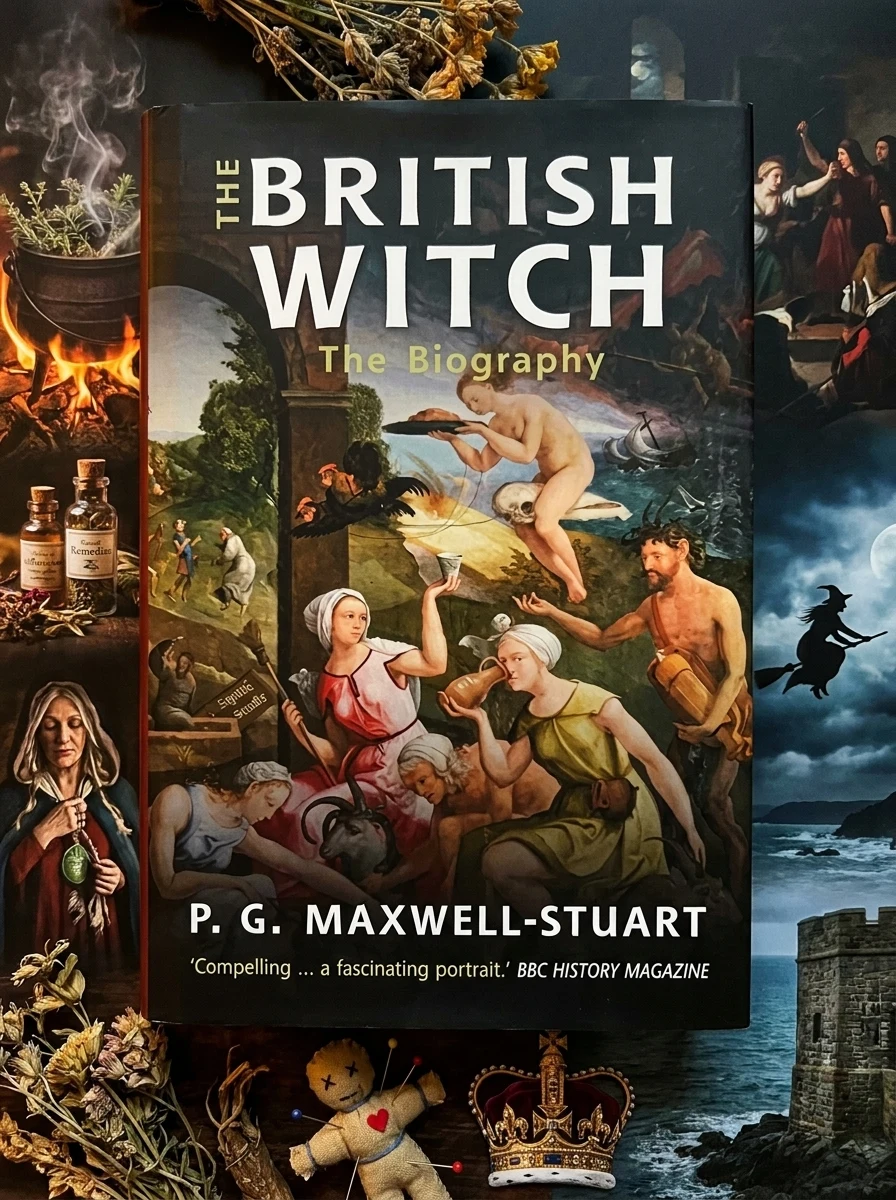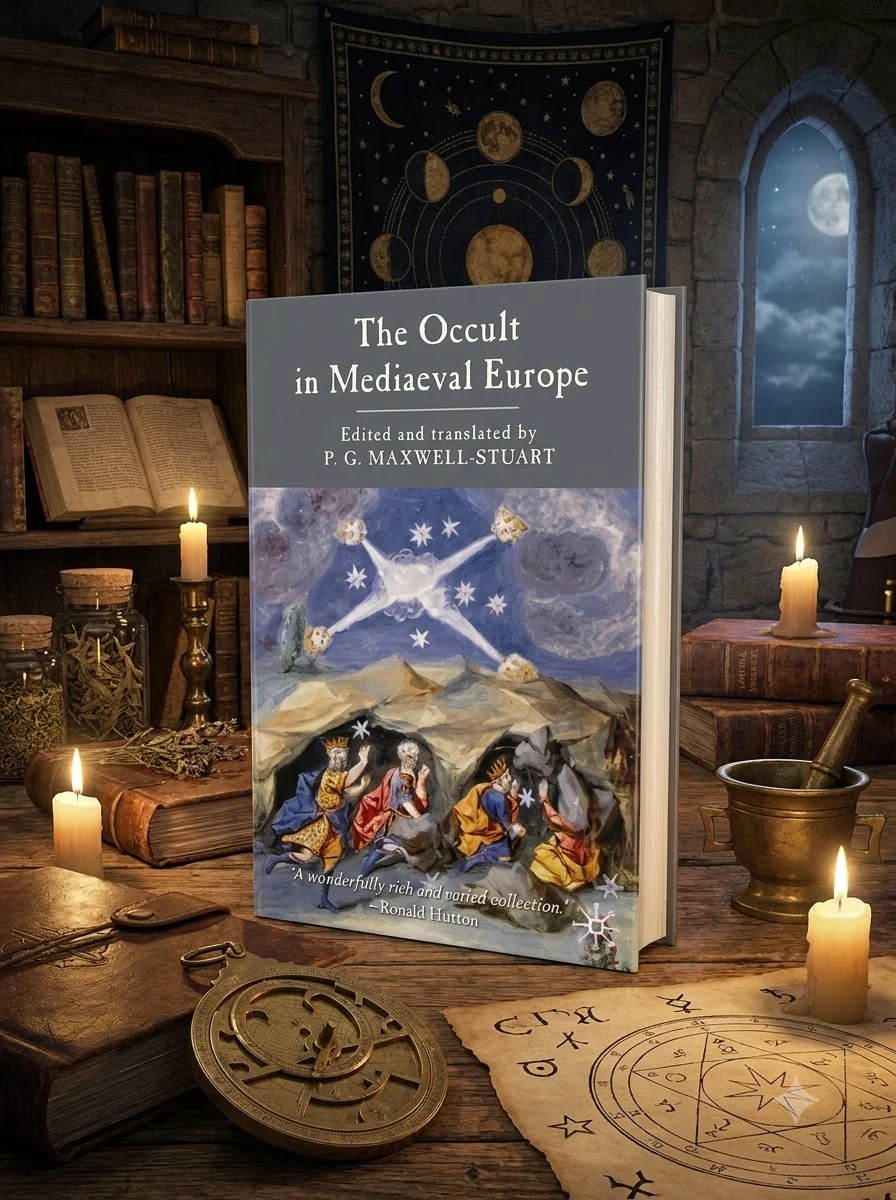
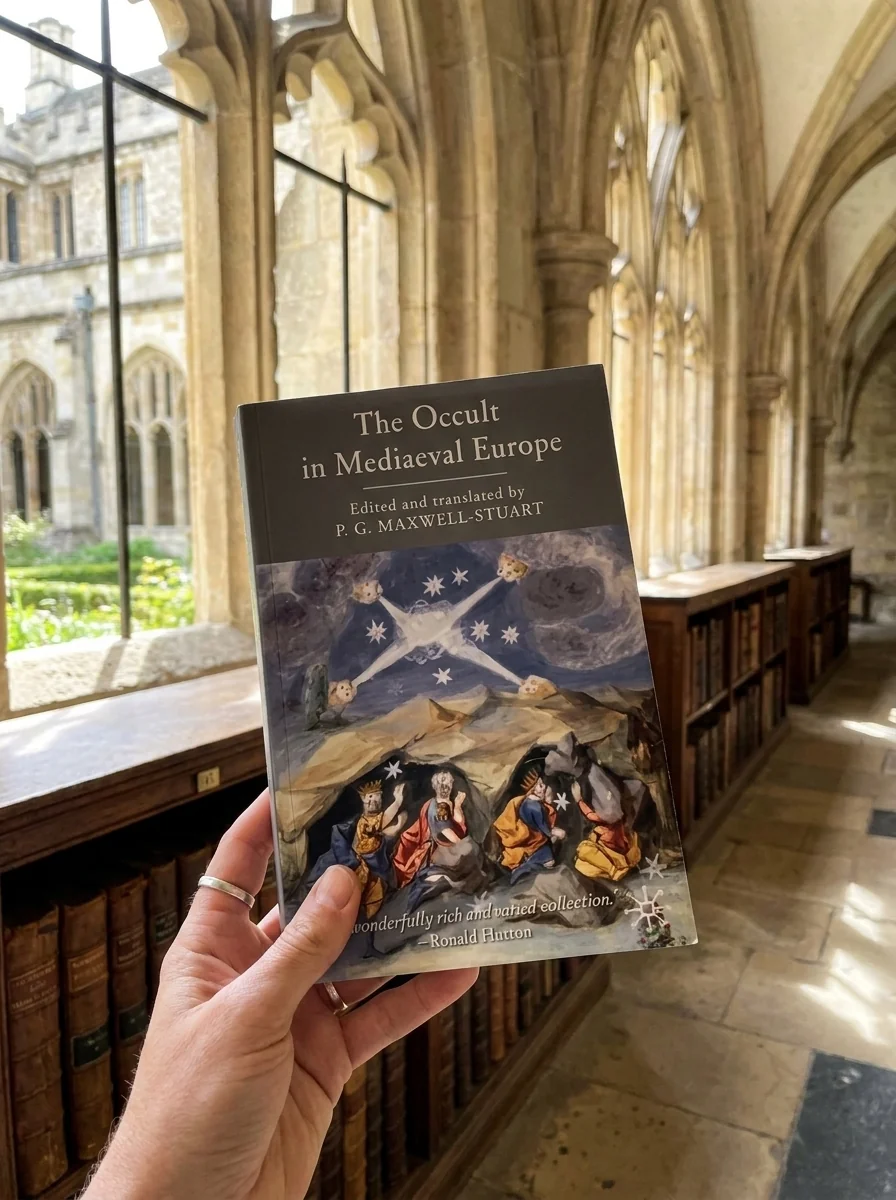
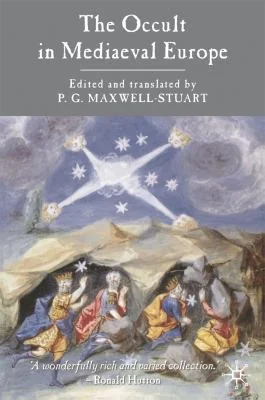
The Occult in Medieval Europe 500-1500 (2005)
✍️ Maxwell-Stuart, P GThis compelling historical analysis by P. G. Maxwell-Stuart masterfully debunks the simplistic notion of the Middle Ages as merely "superstitious" or "dark." It excavates the intricate tapestry of esoteric beliefs and magical practices that flourished across Europe from 500 to 1500 CE, challenging outdated 18th-century interpretations. The work illuminates how diverse spiritual currents, often misunderstood or deliberately obscured by later periods, shaped medieval thought and culture, revealing a far richer landscape of human belief than commonly perceived.


📝 Description: The Occult in Medieval Europe 500-1500 (2005)
💎 Expert review
📖 Why choose it
Why this book is worth reading
Readers seeking to dismantle the persistent myth of the Middle Ages as an intellectual void will find this text profoundly illuminating. It is ideal for those interested in the genuine complexity of historical belief systems, offering a vibrant counter-narrative to outdated interpretations. By excavating the intricate tapestry of esoteric practices that flourished across Europe, Maxwell-Stuart reveals how these diverse spiritual currents actively shaped culture and thought. If you are weary of simplistic 'dark age' stereotypes and desire a nuanced understanding of how magical and occult beliefs were woven into the fabric of medieval society, this book provides the essential historical grounding and rich context needed to appreciate the true depth of that era's spiritual landscape.
⭐ Reader reviews
Reader rating
Maxwell-Stuart delivers a compelling corrective to long-held misconceptions about medieval spirituality, successfully exposing the vibrant esoteric heart of Europe from 500 to 1500 CE. The book is an excellent resource for historians and enthusiasts eager to see beyond the 'superstitious' label often unfairly applied to the period. However, it does not suit readers looking for practical grimoires or immediate magical application. Those seeking sensationalist tales of witch hunts rather than scholarly analysis may find the tone too academic. Additionally, casual readers expecting a light, narrative-driven adventure might struggle with the dense historical excavation required to understand these complex spiritual currents and their lasting impact on European thought.
❓ Frequently asked questions
📖 Who should read this
For seekers of genuine historical insight into Europe's medieval spiritual landscape, this volume offers a critical re-evaluation. Move beyond popular misconceptions and explore the nuanced reality of magic and belief during this transformative era.
🎯 Key themes and symbolism
Challenging Medieval Stereotypes
This book meticulously dissects and disproves the common misconception that the Middle Ages were an era solely defined by ignorance and widespread "superstition." It presents a compelling argument for a more sophisticated understanding of medieval spiritual and magical practices, moving beyond simplistic historical labels.
Esoteric Threads in History
Maxwell-Stuart expertly uncovers the rich, often hidden, tradition of occultism that ran through medieval European society. The work explores how various forms of magic, divination, and mystical thought were integrated into daily life and elite circles, challenging the idea of a monolithic religious landscape.
Re-evaluating Historical Narratives
The text critically examines how Enlightenment-era perspectives unfairly characterized the medieval period as 'backward' or 'dark.' By re-evaluating primary sources, the author sheds light on the biases embedded in historical accounts, urging readers to reconsider traditional views of the past.
📜 Historical context
📚 Glossary
- Occultism
- Epithet
- Enlightenment
📔 Questions to reflect on
- How do contemporary societal views on 'superstition' or 'magic' echo, or diverge from, the historical attitudes explored in this book?
- Consider how the labeling of historical periods, like the 'Dark Ages,' influences our understanding of the esoteric traditions that existed within them.
- In what ways might understanding the nuances of medieval occultism challenge or expand your own perspectives on spirituality and human belief systems?