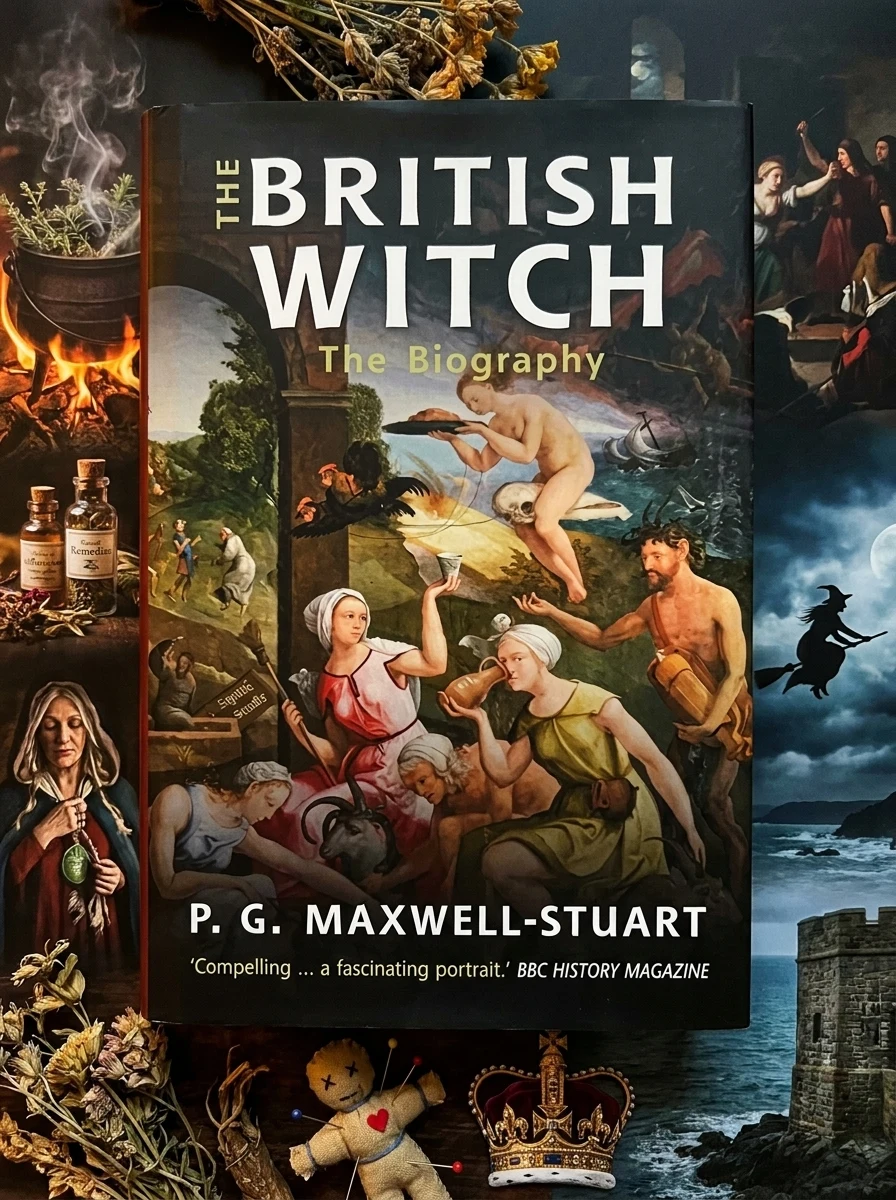
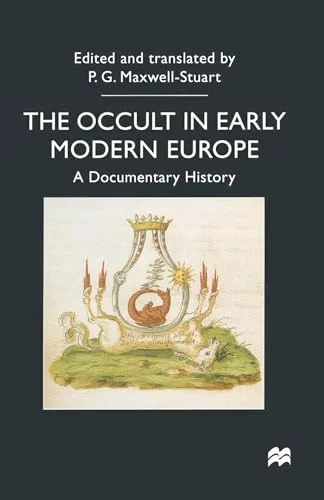
The Occult in Early Modern Europe: A Documentary History (1999) Maxwell-Stuart, P G
✍️ Maxwell-Stuart, P GA primary documentary history of European witchcraft and occult sciences by historian P.G. Maxwell-Stuart.
P.G. Maxwell-Stuart draws on historical documents to present early modern European perspectives on witchcraft and the occult sciences. Published by Red Globe Press, this 264-page hardcover collection addresses subjects including magick studies, dream analysis, astrology, and witchcraft within their broader European historical settings. The gathering of source texts offers direct insight into historical beliefs surrounding witches and mystical practices.
This text sits within early modern European history, presenting primary source material on witchcraft and occult sciences. Written by a University of St Andrews history lecturer, it reflects modern cultural studies approaches to historical beliefs.


📝 Description: The Occult in Early Modern Europe: A Documentary History (1999) Maxwell-Stuart, P G
💎 Expert review
📖 Why choose it
Why this book is worth reading
This book is an essential treasure trove for serious researchers, historians, and dedicated occultists who crave authenticity over interpretation. By providing direct access to primary sources regarding witchcraft, astrology, and alchemy, it allows readers to bypass modern filters and engage with the raw voices of the past. Those interested in the intricate dance between spiritual belief, scientific inquiry, and societal fear during this pivotal era will find unparalleled value here. It is not for casual browsing but for those willing to unearth the hidden currents that shaped European thought, offering a profound connection to the unseen world as it was understood centuries ago.
⭐ Reader reviews
Reader rating
Maxwell-Stuart delivers a rigorous compilation of primary texts that illuminates the complex interplay of occult beliefs in early modern Europe. While academically robust and rich in original material, this work is strictly for those prepared to engage with dense historical documentation rather than narrative flair. It does not suit readers seeking accessible, contemporary magical practice guides or light entertainment. The focus on persecution and societal anxiety may also feel heavy for those looking solely for celebratory esoteric history. However, for scholars and serious practitioners valuing direct engagement with historical voices concerning the unseen world, it remains an indispensable, albeit demanding, resource.
❓ Frequently asked questions
📖 Who should read this
If you are fascinated by the historical reality of magic and its profound impact on society, or if you seek a direct encounter with primary sources from a pivotal era, this book is essential. It offers a scholarly yet accessible journey into the minds and mysteries of early modern Europe.
🎯 Key themes and symbolism
The Nature of Witchcraft
Explore the evolving understanding of witchcraft in early modern society, moving beyond simplistic narratives. This volume delves into historical accounts, legal documents, and theological debates that framed the concept of the witch, showcasing the profound cultural impact and fear surrounding alleged diabolical pacts and magical harms.
Historical Magickal Practices
Gain insight into the diverse forms of magick practiced across Europe during this period. From astrological prognostication to alchemical pursuits and various forms of folk healing, the book presents authentic documents that illustrate the practical application and theoretical underpinnings of these often-misunderstood arts within daily life.
Societal Views on the Occult
Understand how a society grappling with religious reform and scientific revolution integrated or rejected esoteric knowledge. The collection reveals the intricate ways in which authorities, common folk, and intellectuals alike perceived and reacted to spiritual phenomena, demonstrating the occult's deep entanglement with social structure and intellectual currents.
📜 Historical context
📚 Glossary
- Familiar Spirit
- Prognostication
- Diabolism
📔 Questions to reflect on
- How did the prevailing religious beliefs of early modern Europe influence the perception and persecution of magical practitioners?
- Consider the difference between 'folk magic' and 'diabolism' as understood in the historical documents. What implications did this distinction have for individuals?
- If you lived in early modern Europe, how might your daily life have been shaped by the widespread belief in witchcraft and other occult forces?