When you search for "Illuminati books," you're likely chasing one of three threads: the historical Bavarian Illuminati and their role in Enlightenment thought; modern conspiracy narratives about hidden global powers; or the spiritual meaning of illumination—the inner light that mystics have pursued for centuries. These are not the same conversation, and the books that address them are radically different.
The problem is that most readers don't know which thread they're actually pulling. You might pick up a book expecting historical scholarship and find yourself in numerology and symbolism. Or you might want practical spiritual work and instead get geopolitical speculation. This guide separates those threads and shows you which books belong to which tradition, so you can choose with intention.
Whether you're a historian curious about secret societies, a conspiracy researcher, or a spiritual seeker exploring the mystical concept of illumination, there's a book here for you. The key is knowing what you're actually looking for.
Historical Illuminati: The Bavarian Order and Its Legacy
The historical Illuminati was a real organization founded in Bavaria in 1776. It lasted only a few decades but became the subject of enormous speculation and myth-making. If you want to understand what actually happened—separated from conspiracy lore—start here.
1. The Bavarian Illuminati: The Rise and Fall of the World's Most Secret Society — René Le Forestier
This book is the scholarly standard. Le Forestier was a French historian who spent years in archives, and it shows. You get the actual history: who founded it, what they believed, how they recruited, why they failed. This is not conspiracy speculation—it's primary-source research. The price is higher than most (over $100), but if you want to know the real Bavarian Illuminati before diving into modern theories, this is the only book that matters. It's dense and academic, suited for readers who want evidence, not entertainment.
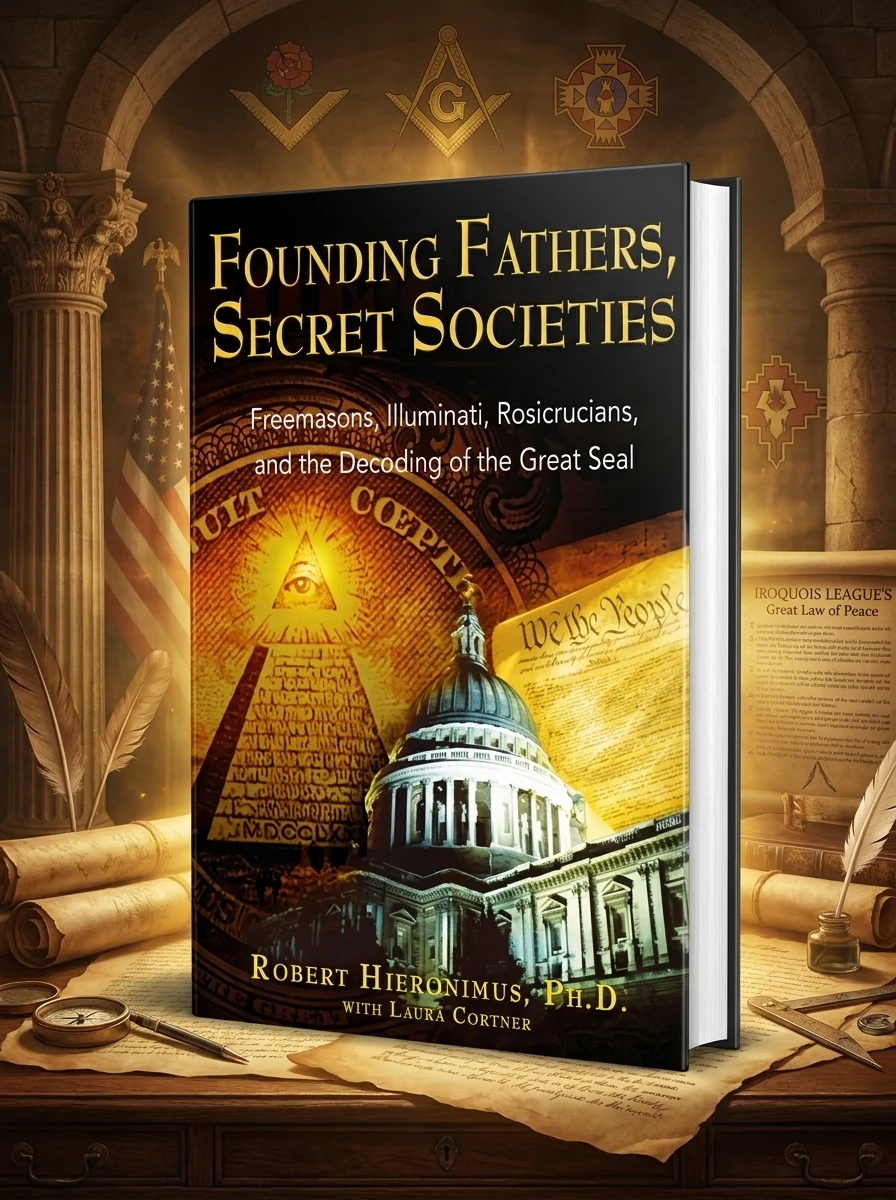
2. Founding Fathers, Secret Societies: Freemasons, Illuminati, Rosicrucians, and the Decoding of the Great Seal — Robert Hieronimus
Hieronimus takes a different approach. He's interested in how Illuminati ideas (and Freemasonry, and Rosicrucianism) influenced the American founders and got encoded into symbols like the Great Seal. This book sits between history and symbolism—it's more accessible than Le Forestier but still grounded in research. If you're fascinated by the hidden intellectual currents of the American Republic, this is your entry point. Under $20.
Modern Conspiracy Narratives: From Secret Influence to Pop Culture
Once the Bavarian Illuminati dissolved, the name lived on in popular imagination. It became a catch-all term for hidden global elites, shadowy puppet-masters, and occult influence over world events. These books explore how that mythology developed and what people actually believe.
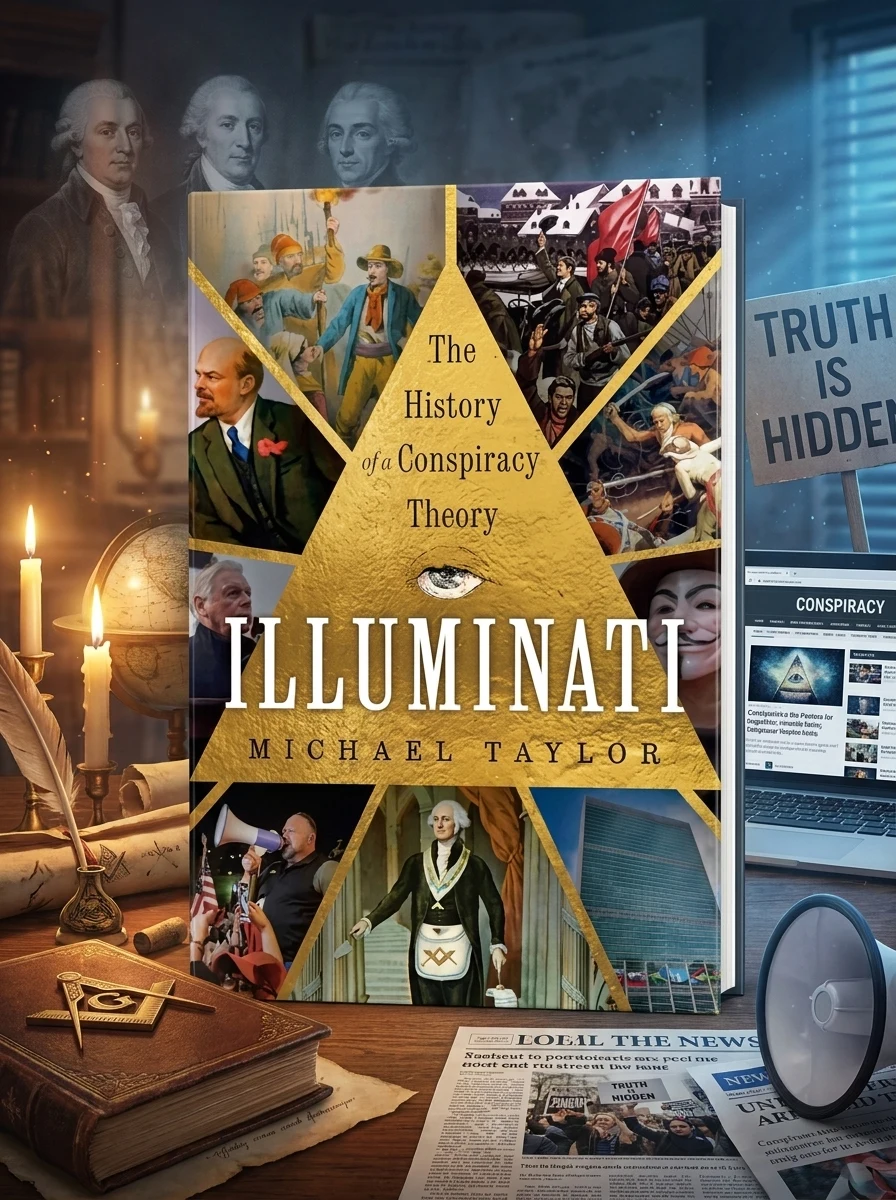
3. Illuminati: The History of a Conspiracy Theory — Michael Taylor
Taylor's book is essential if you want to understand conspiracy thinking itself. He traces how the Illuminati myth evolved from 18th-century pamphlets through the 20th century to today's internet culture. He's not debunking or endorsing—he's showing you how a historical organization became a symbol that people use to make sense of power and secrecy. This is the book to read if you want to understand why "Illuminati" means so many different things to different people. Around $35.
4. The Illuminati: The Counter Culture Revolution—From Secret Societies to Wikileaks and Anonymous — Robert Howells
Howells connects the Illuminati myth to modern protest movements, hacking culture, and information warfare. If you're interested in how conspiracy narratives shape activism and counter-culture, this book shows the lineage from 18th-century secret societies to 21st-century anonymous collectives. Under $20.
5. Illuminati: The Club of the Isles — Jordan Maxwell
Maxwell represents the more speculative end of conspiracy writing. He argues that modern elites—the "Club of the Isles"—use occult symbolism and hidden networks to control world events. This book doesn't pretend to be academic; it's written for readers who already suspect hidden forces and want a framework for understanding them. If you're drawn to symbol-hunting in pop culture and geopolitics, this is the book that does that work. Under $15.
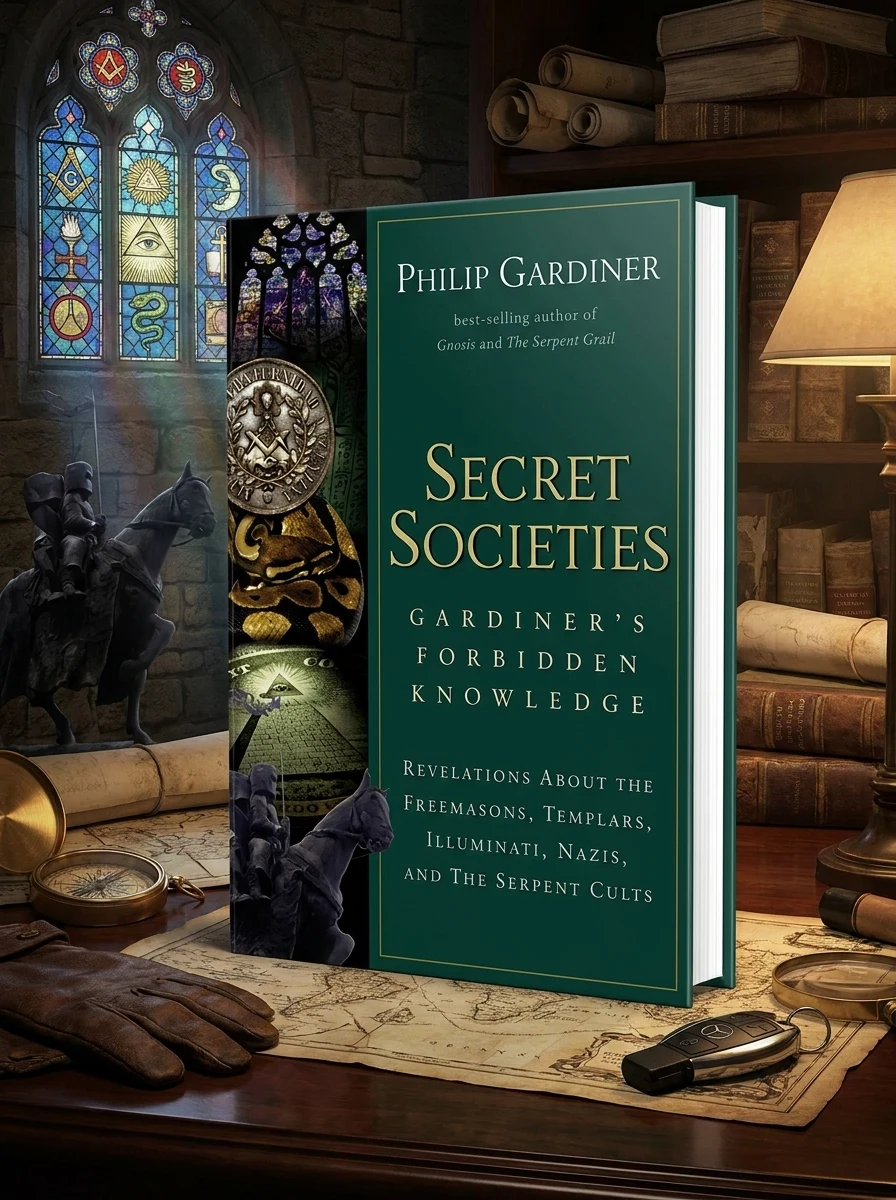
6. Secret Societies: Revelations about the Freemasons, Templars, Illuminati, Nazis, and the Serpent Cults — Philip Gardiner
Gardiner weaves together multiple secret society traditions—Freemasonry, the Knights Templar, the Illuminati—and argues they share common esoteric roots and ongoing influence. This book appeals to readers who see all these organizations as part of a larger hidden history. Under $20.
Esoteric and Psychological Interpretations: Illumination as Spiritual Initiation
Beyond history and conspiracy, "illumination" is a core concept in Western esotericism and mysticism. It means inner light, spiritual awakening, the moment when hidden knowledge becomes visible to the initiate. Many of these books use "Illuminati" or "illumination" in their titles to evoke that tradition, not the historical society.
7. Cosmic Trigger I: Final Secret of the Illuminati — Robert Anton Wilson
Wilson's classic is neither history nor conspiracy—it's a psychonautical memoir. Wilson explores how belief systems shape perception, and he uses the Illuminati as a symbol for the possibility of consciousness expansion and enlightenment. If you're a reader who questions everything and wants to play with ideas rather than settle them, this book is for you. It's playful, weird, and genuinely thought-provoking. Around $23.
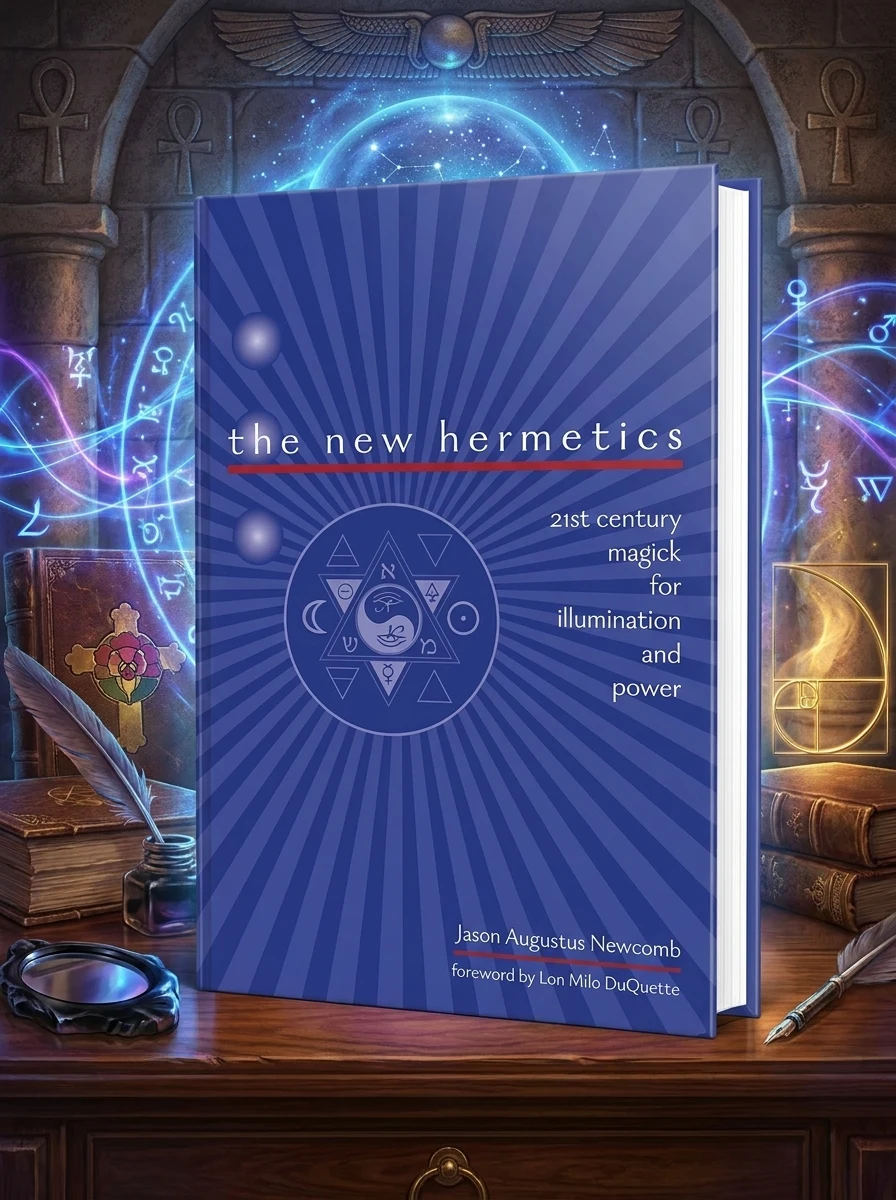
8. The New Hermetics: 21st Century Magick for Illumination and Power — Jason Augustus Newcomb
Newcomb offers practical magical training rooted in Western esoteric tradition. "Illumination" here means the direct experience of higher consciousness through ritual and meditation. This is a workbook—it has exercises, not just theory. If you want to practice magic aimed at personal transformation and spiritual power, this is a results-oriented guide. Under $25.
9. The Warning: Testimonies and Prophecies of the Illumination of Conscience — Christine Watkins
Watkins approaches illumination from a Christian mystical angle. She collects testimonies and prophecies about a coming "illumination of conscience"—a moment when humanity will see itself and God clearly. This book appeals to spiritual seekers who work within a Christian or Catholic framework and are drawn to end-times prophecy and personal revelation. Around $18.
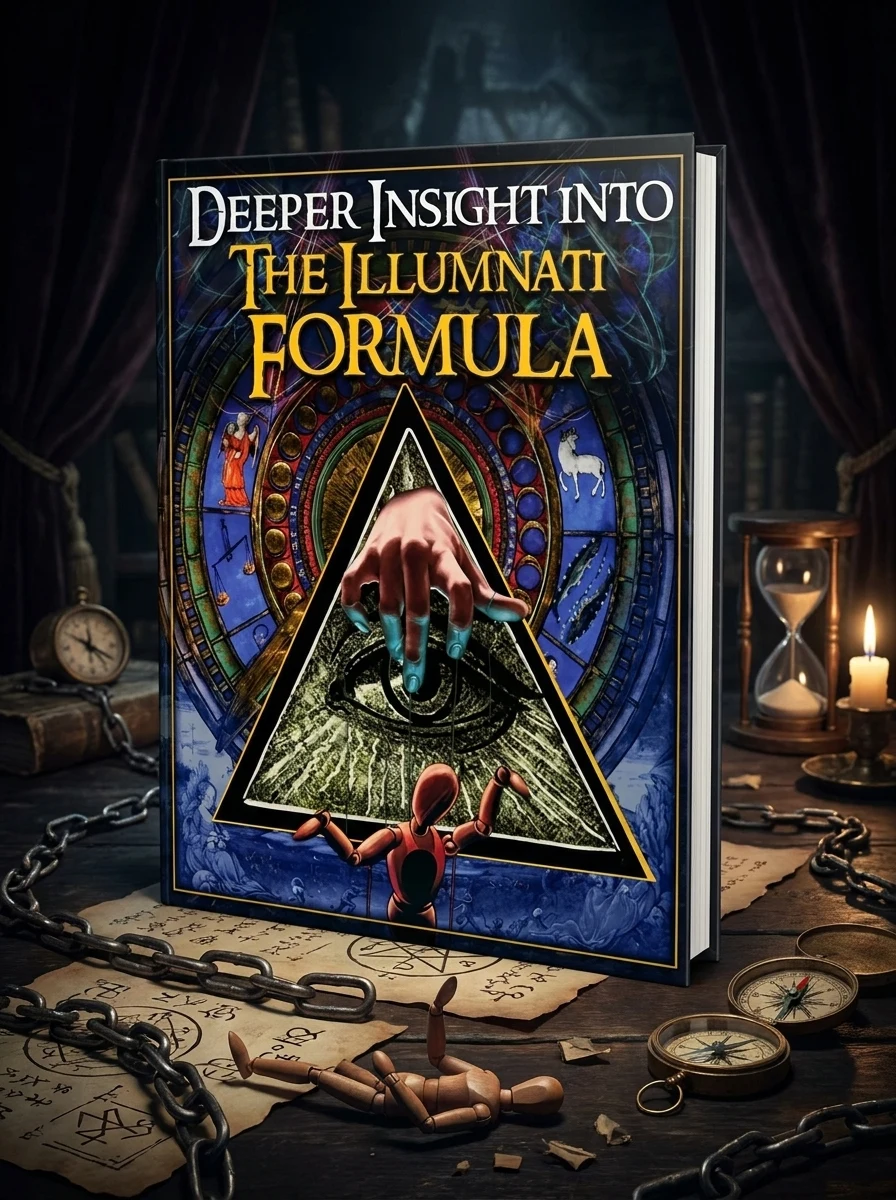
10. Deeper Insight Into The Illuminati Formula — Illuminati Formula
This book sits in the gray zone between conspiracy and occult practice. The author (writing anonymously) claims to reveal the psychological and spiritual techniques used by hidden elites to control consciousness. Whether you read it as conspiracy analysis or as an exploration of mind-control symbolism in esoteric tradition, it's provocative and unsettling. It's for readers unafraid of uncomfortable material. Around $29.
Illumination Through Divination and Mystical Practice
Several books in our catalog use "illumination" in their titles to describe spiritual insight gained through tarot, astrology, and contemplative practice. These aren't about the Illuminati at all—they're about the inner light that divination and mysticism reveal.
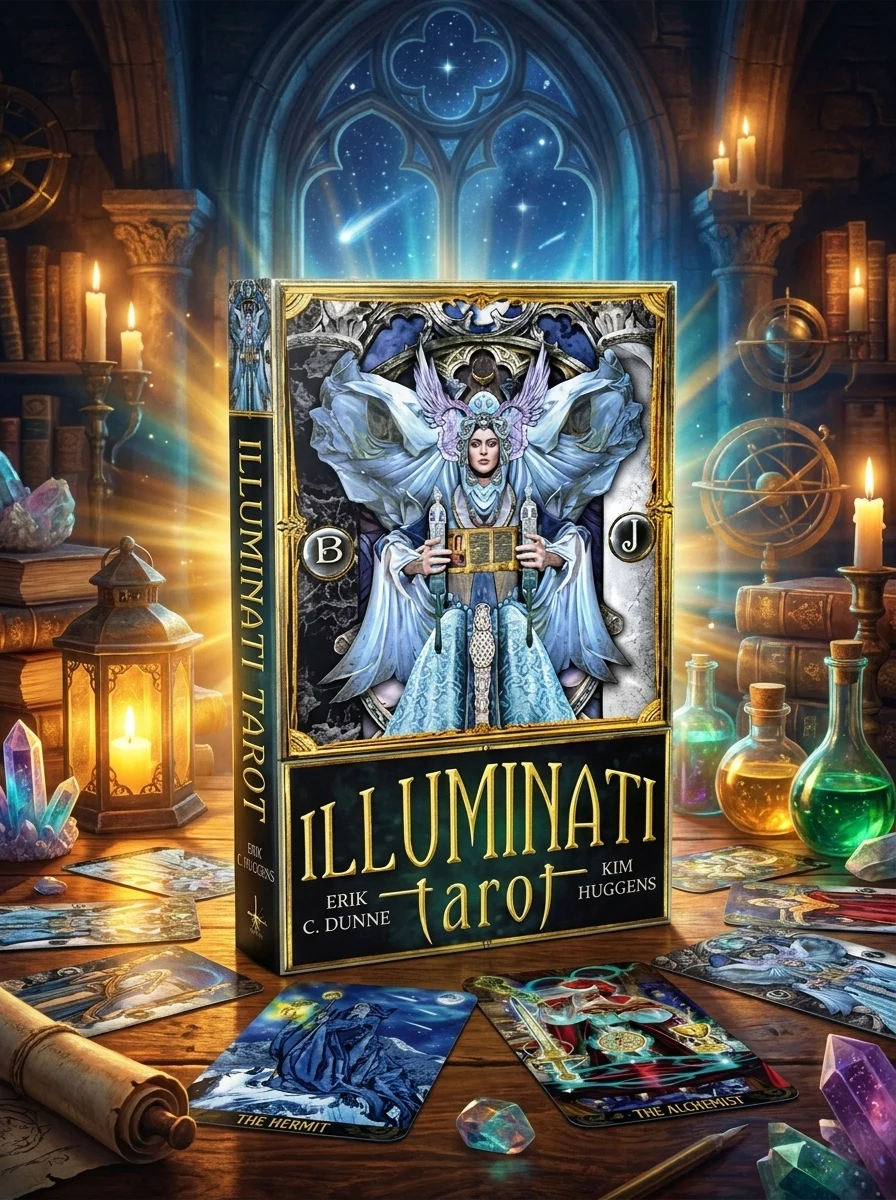
11. Tarot Illuminati — Kim Huggens
Huggens' deck and guidebook use "Illuminati" as a symbol of the tarot's power to illuminate hidden truths. The artwork is stunning, and the interpretations blend traditional tarot with modern psychological insight. If you're a serious tarot practitioner looking for a deck that marries beauty with depth, this is it. The complete guide is also available in large print. Around $29 for the deck and guidebook.
12. Your Secret Self: Illuminating the Mysteries of the Twelfth House — Tracy Marks
Marks uses "illuminating" to describe the process of bringing unconscious material to light through astrology. The twelfth house rules the hidden self, karma, and the unconscious mind. This book is for serious astrology students who want to understand their own shadow and integrate it. Around $25.
How to Choose Your Illuminati Book
Start by asking yourself what you actually want to know. Are you a historian? Read Le Forestier first, then Hieronimus. Are you interested in how conspiracy myths develop? Taylor and Howells are your guides. Do you want to understand esoteric symbolism and practice? Start with Newcomb or Huggens. Are you drawn to the stranger, more speculative territory? Wilson and Maxwell will take you there.
The word "Illuminati" is a mirror. It reflects back what you're looking for—history, hidden power, spiritual awakening, or all three tangled together. The books here are honest about which reflection they're offering. Choose the ones that match your actual question, and you'll find real answers instead of confusion.