
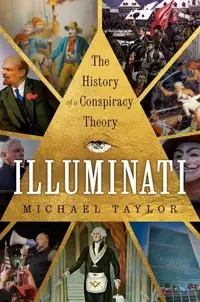
Illuminati: The History of a Conspiracy Theory


This edition can be ordered. No arrival date is confirmed.
Uncover the true story behind history's most notorious, misunderstood secret society.
Michael Taylor meticulously dissects how a short-lived 18th-century intellectual movement in Bavaria mutated into the Western world's most pervasive conspiracy theory. This captivating narrative reveals the genuine Order of the Illuminati, their Enlightenment ideals, and their swift, unceremonious dissolution. Beyond their historical reality, Taylor expertly traces the myth's remarkable evolution, from being scapegoated for the French Revolution to influencing modern narratives of hidden global control. It's an essential exploration of how an obscure historical footnote became a cornerstone of political paranoia for over two centuries.
This work sits at the intersection of rigorous historiography and cultural studies, bridging the gap between academic analysis of Enlightenment-era Bavaria and the sociological study of modern conspiracy theories. It serves as a corrective lens for understanding how intellectual movements are mythologized over time.


📝 Description: Illuminati: The History of a Conspiracy Theory
💎 Expert review
📖 Why choose it
Why this book is worth reading
Readers fascinated by the mechanics of myth-making and the distortion of historical truth will find immense value here. It is ideal for those who have encountered references to the Illuminati in pop culture or political discourse and seek a grounded, factual foundation. By separating the genuine Enlightenment ideals from the later fabrications, Taylor provides clarity to a subject often shrouded in confusion. This book empowers readers to understand not just what happened in 18th-century Bavaria, but how that event became a vessel for centuries of fear and speculation. It is a necessary guide for anyone wishing to navigate discussions about hidden global control with historical literacy rather than blind acceptance of conspiracy narratives.
⭐ Reader reviews
Reader rating
Taylor delivers a compelling dissection of how an obscure group evolved into a pervasive symbol of paranoia. While the narrative arc from Bavaria to modern political scapegoating is engaging, this book may frustrate readers seeking sensationalist tales of occult power or those who prefer unverified conspiracy theories over historical reality. It is strictly for those willing to accept that the 'truth' is often less dramatic than the myth. The analysis is thorough, yet it lacks the narrative flair of pure fiction, making it a serious study rather than an entertaining romp through secret history. Readers expecting confirmation of hidden global elites will likely feel disappointed by the mundane reality of the group's swift dissolution.
❓ Frequently asked questions
📖 Who should read this
If you're fascinated by secret societies, the evolution of historical myths, or the psychology behind enduring conspiracy theories, this book is for you. It offers a rigorous, compelling journey into the true and imagined history of the Illuminati.
🎯 Key themes and symbolism
The Real Illuminati
Taylor excavates the actual history of the Bavarian Illuminati, detailing its founding in 1776 by Adam Weishaupt. Readers discover their radical commitment to free thought and religious tolerance, their structure, their brief existence, and their ultimate collapse within a mere decade. This theme distinguishes historical fact from subsequent legendary embellishments.
Birth of a Conspiracy
This book brilliantly charts the transformation of a defunct secret society into an enduring global conspiracy. It explores how, after its initial demise, the Illuminati were retroactively blamed for major historical upheavals, such as the French Revolution and the fall of empires, illustrating the potent capacity of public imagination to perpetuate powerful, unfounded narratives.
Paranoia's Enduring Legacy
Taylor demonstrates how the Illuminati myth has profoundly shaped Western political paranoia for over 250 years. The narrative delves into how fears of hidden agendas and 'New World Order' machinations found a convenient, enduring scapegoat in a long-vanished group, reflecting deeper societal anxieties about power, control, and unseen forces manipulating events.
💬 Quotes from the book
“The true legacy of the Bavarian Illuminati lies not in its brief existence, but in the enduring, mutable shadow it cast upon the collective imagination of the Western world.”
“Conspiracy theories often thrive in periods of societal upheaval, providing a simplified, albeit misleading, narrative for complex political shifts.”
📜 Historical context
📚 Glossary
- Illuminati
- Conspiracy Theory
- Free Thought
📔 Questions to reflect on
- What societal anxieties or historical events do you think made the Illuminati conspiracy theory so compelling and enduring?
- Consider another historical event or figure that has spawned a significant body of myth or conspiracy theory. How does its evolution compare to that of the Illuminati?
- How does the concept of 'free thought,' as championed by the historical Illuminati, contrast with the narratives often associated with the Illuminati conspiracy today?
🏛 Books from this publisher Liveright Publishing Corporation
All books from this publisher →

You might also like
See more →