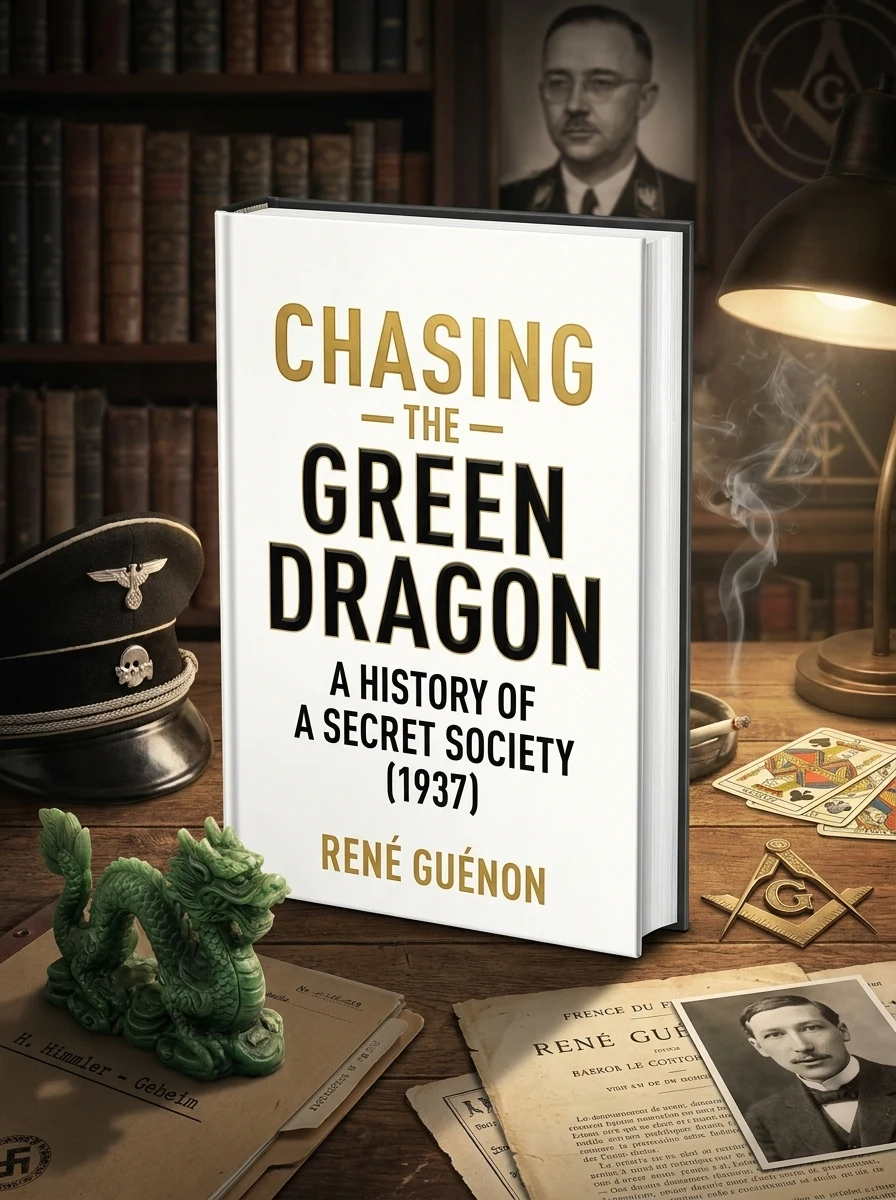
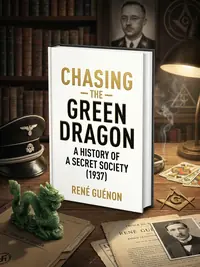

Chasing the Green Dragon: French Occult Conspiracy, Nazi Mysticism, and Gaston de Mengel's Journey to the East


Stock reported in the catalog; fulfillment is confirmed with your request.
Unmask the shadowy figures linking Parisian occultists to Himmler's inner circle.
This compelling volume unearths the extraordinary true story of Gaston de Mengel, a British-Belgian occultist whose audacious claims about a secret society, "the Green Dragon," reached Heinrich Himmler in 1937. Author Ike Vil meticulously navigates the labyrinthine interwar occult scene of Paris, where intellectual esotericism, spycraft, and radical philosophies intertwined. From the enigmatic Polaires to Maria de Naglowska's Luciferian circles, de Mengel's journey reveals a hidden history that inadvertently shaped post-war conspiracy lore and continues to echo in modern fiction.
This volume sits at the intersection of interwar French esotericism and Nazi occult history, exploring the complex entanglement of intellectual mysticism with political espionage during the rise of the Third Reich.


📝 Description: Chasing the Green Dragon: French Occult Conspiracy, Nazi Mysticism, and Gaston de Mengel's Journey to the East
💎 Expert review
📖 Why choose it
Why this book is worth reading
Readers fascinated by the shadowy intersections of espionage, mysticism, and political history will find this narrative deeply engaging. It offers a rare glimpse into the labyrinthine interwar occult scene of Paris, revealing how intellectual esotericism and radical philosophies intertwined with spycraft. Those interested in the origins of post-war conspiracy lore or the specific dynamics between Himmler’s inner circle and European secret societies will appreciate the meticulous research. The book serves as an essential resource for understanding how audacious claims by figures like Gaston de Mengel inadvertently shaped modern fiction and historical perception, making it a vital read for scholars and enthusiasts of hidden histories alike.
⭐ Reader reviews
Reader rating
Ike Vil presents a compelling, albeit dense, excavation of the Parisian occult underground. While the narrative effectively unmasking the links between French esoteric groups and Nazi leadership is historically significant, the text demands patience from its audience. It may not suit readers seeking straightforward biographical narratives or those uncomfortable with ambiguous historical connections and radical philosophical underpinnings. The focus on intellectual interwar dynamics rather than action-oriented storytelling might alienate casual history buffs, but for specialists in esotericism, it provides invaluable context on how these shadowy networks operated.
❓ Frequently asked questions
📖 Who should read this
If you're drawn to the hidden currents of history, the intricate dance between esotericism and geopolitics, or the genesis of enduring conspiracy theories, this book is essential. Prepare for a meticulously researched, stranger-than-fiction journey into a truly remarkable past.
🎯 Key themes and symbolism
Interwar Occult Paris
Delve into the vibrant, yet perilous, esoteric landscape of 1930s Paris. This book vividly portrays the convergence of intelligence operatives, mystical lodges, and radical spiritual groups like the Polaires and Maria de Naglowska's Luciferian salons, illustrating how these clandestine interactions fostered an environment ripe for both intellectual ferment and dangerous intrigue.
Roots of Conspiracy
Uncover the surprising origins of many post-war conspiracy theories and "Nazi Mysteries." By tracing the fantastical claims surrounding the "Green Dragon" and the figures involved, the book illuminates how obscure occult narratives and geopolitical anxieties of the interwar period laid foundational groundwork for enduring myths, even inspiring works like Umberto Eco's Foucault's Pendulum.
Gaston de Mengel's Enigma
Explore the complex life of Gaston de Mengel, a scholar whose eccentric intellect led him through collaborations with luminaries like René Guénon and possibly French intelligence, all while unknowingly influencing the course of history. His seemingly unbelievable journey from the Parisian underground to briefing Himmler presents a fascinating character study at the crossroads of esotericism and espionage.
💬 Quotes from the book
“The shadows of interwar Europe were not merely political; they were woven with threads of forgotten lodges, whispered secrets, and the unsettling conviction that hidden forces shaped the destiny of nations.”
“De Mengel, a man of profound intellect yet bewildering credulity, served as an unwitting conduit, his peculiar odyssey bridging the intellectual salons of Paris with the chilling esotericism of the Third Reich.”
📜 Historical context
📚 Glossary
- Polaires
- Luciferian salons
- René Guénon
📔 Questions to reflect on
- How do you think the occult underground of the interwar period might have influenced mainstream political movements, even unknowingly?
- Reflect on the nature of "conspiracy theories." How do books like "Chasing the Green Dragon" reveal the historical roots and human elements behind their formation?
- Consider Gaston de Mengel's role. To what extent do you believe individuals, even eccentric ones, can inadvertently shape major historical events?
You might also like
See more →