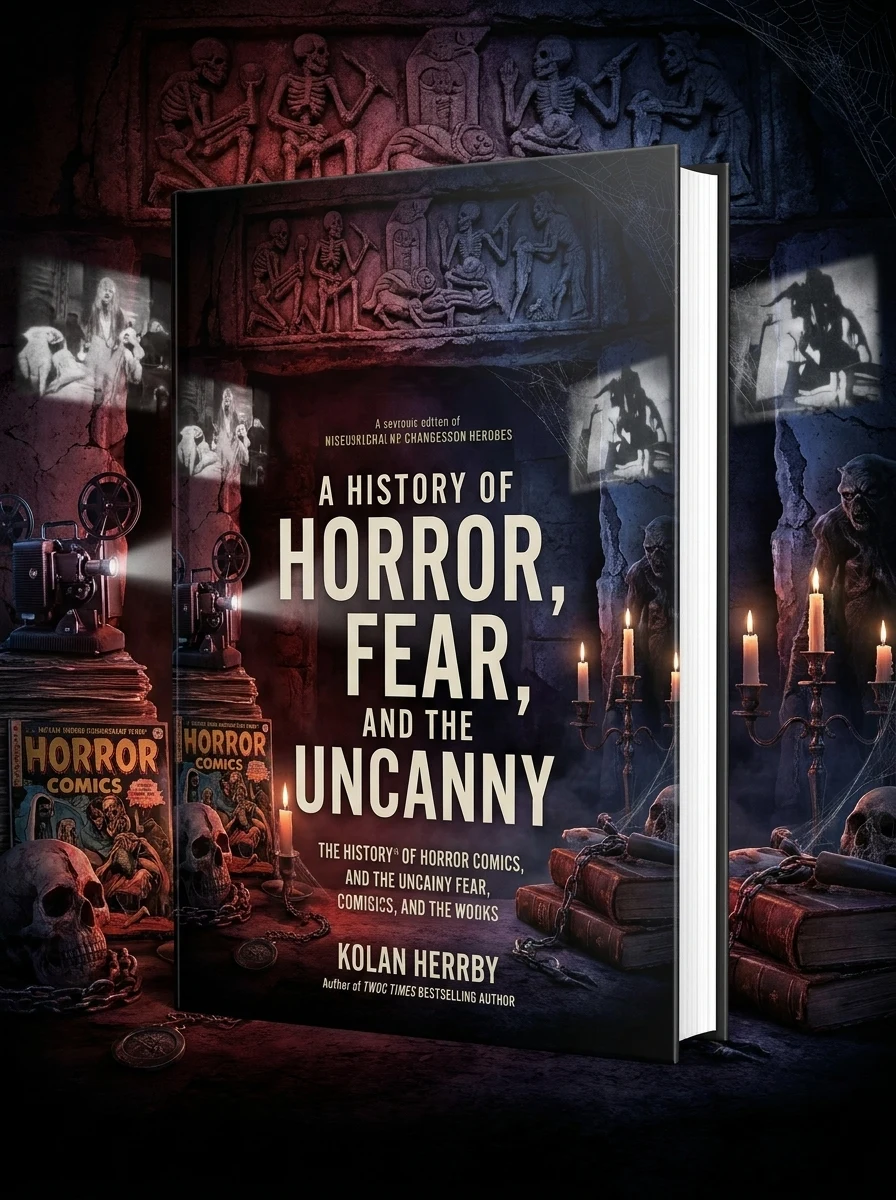

A History of Horror, Fear, and the Uncanny
A gruesomely illustrated global history of horror, fear, and eerie cultural traditions down the centuries.
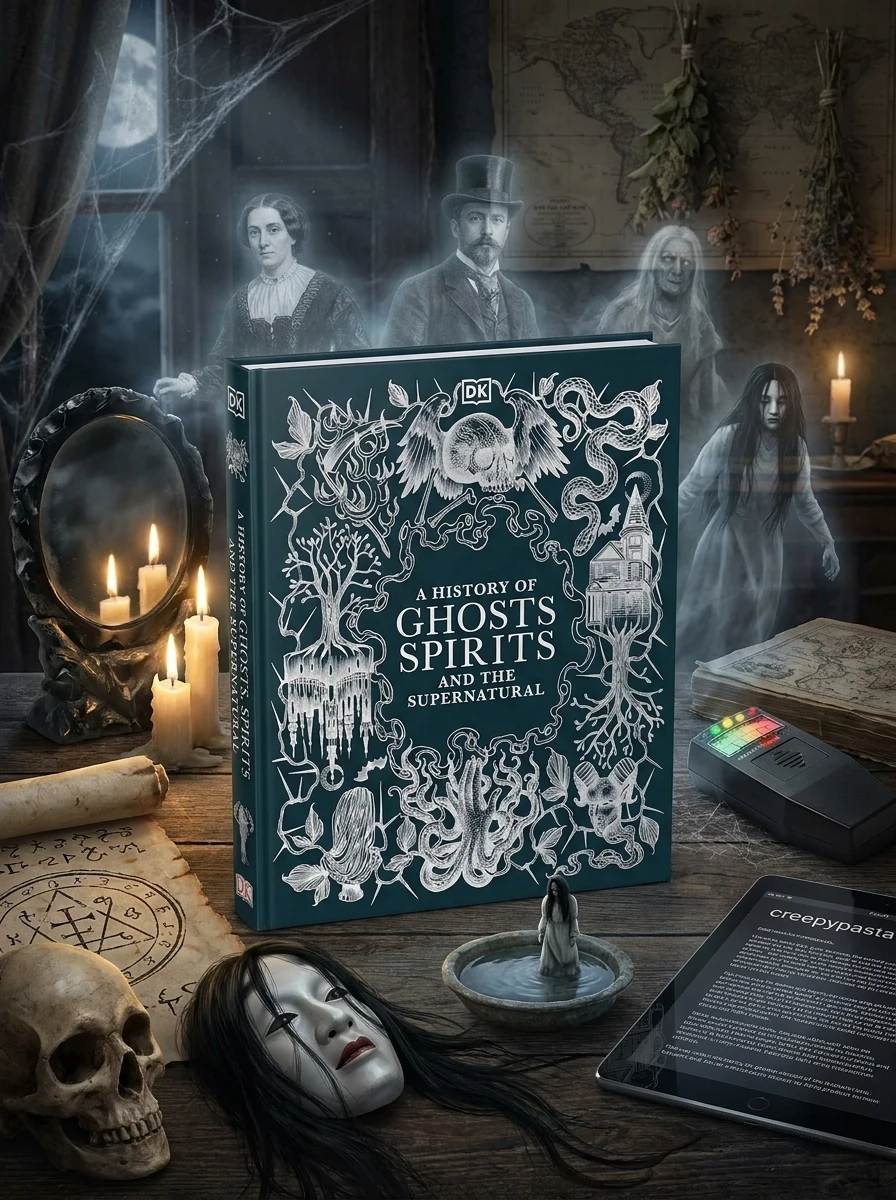
DK Publishing presents a gruesomely illustrated hardcover volume exploring the dark, eerie history of horror across the world. The comprehensive 320-page work covers everything from prehistoric death rituals to modern interpretations across art, literature, and film. Drawing directly on global traditions across the centuries, the publication examines rich themes of folklore, mythology, social science, literary criticism, and the supernatural to thoroughly document human fear and the unexplained.
This work traces human reactions to fear across global traditions. It spans from prehistoric times through centuries of rituals to contemporary expressions in literature, art, and modern film.


📝 Description: A History of Horror, Fear, and the Uncanny
💎 Expert review
📖 Why choose it
Why this book is worth reading
Readers fascinated by the shadowed corridors of human imagination will find this book an indispensable companion. It is perfect for those who wish to understand how ancient death rites and folklore have evolved into modern expressions in literature and cinema. By unearthing the profound roots of fear, it offers a unique lens through which to view our collective understanding of the uncanny. Whether you are a historian, a psychologist, or simply someone intrigued by the enduring power of dread, this volume provides a compelling journey. It reveals how societies across the globe have interpreted and embraced the unsettling, making it essential for anyone seeking to grasp the cultural mechanisms behind our deepest anxieties and the shapes they take over time.
⭐ Reader reviews
Reader rating
This DK publication offers a visually rich and meticulously traced lineage of human dread, bridging ancient rites with contemporary art. It succeeds in mapping the psychological evolution of fear across diverse global cultures. However, readers seeking deep theoretical critique or dense academic analysis may find the approach too accessible and summary-based. It is not suited for those who prefer obscure, primary-source philosophical treatises over broad historical surveys. Instead, it serves best as an engaging overview for general enthusiasts. The strength lies in its clarity and scope, making complex cultural interpretations of the supernatural approachable. It avoids niche jargon, prioritizing a wide-angle view of how the uncanny shapes our collective imagination rather than deep dives into specific metaphysical arguments.
❓ Frequently asked questions
📖 Who should read this
If you're drawn to the shadowed corners of human experience, fascinated by the origins of our deepest fears, or eager to understand the cultural impact of the supernatural, this exploration is essential. It offers a comprehensive perspective for anyone intrigued by what makes us shiver.
🎯 Key themes and symbolism
The Evolving Face of Dread
This book meticulously chronicles how humanity's encounters with fear have transformed, charting a course from the visceral terrors of ancient ritual and myth to the complex psychological anxieties explored in contemporary horror films and literature. It reveals how the uncanny adapts to societal shifts, yet retains its primal grip.
Global Expressions of Horror
Delve into the diverse ways cultures worldwide have grappled with the terrifying and the unknown. From ancient folklore and indigenous spiritual practices to European gothic novels and modern Japanese cinema, the book illustrates the universal yet uniquely expressed human fascination with the supernatural and the grotesque.
Understanding the Uncanny
Beyond mere monsters, this work probes the deeper psychological underpinnings of fear, particularly the concept of the uncanny. It explores how the familiar made strange, or the return of the repressed, creates a profound sense of unease, revealing the intricate mental processes that make us susceptible to dread.
📜 Historical context
📚 Glossary
- The Uncanny
- Folklore
- Gothic Horror
📔 Questions to reflect on
- Reflect on a personal experience of the uncanny. How did it make you feel, and what familiar element became unsettling?
- Considering your own culture, what recurring horror motifs or creatures appear most frequently, and what do they reveal about your society's anxieties?
- How do you believe the concept of 'horror' has changed from ancient times to today, and what modern societal fears do current horror narratives address?