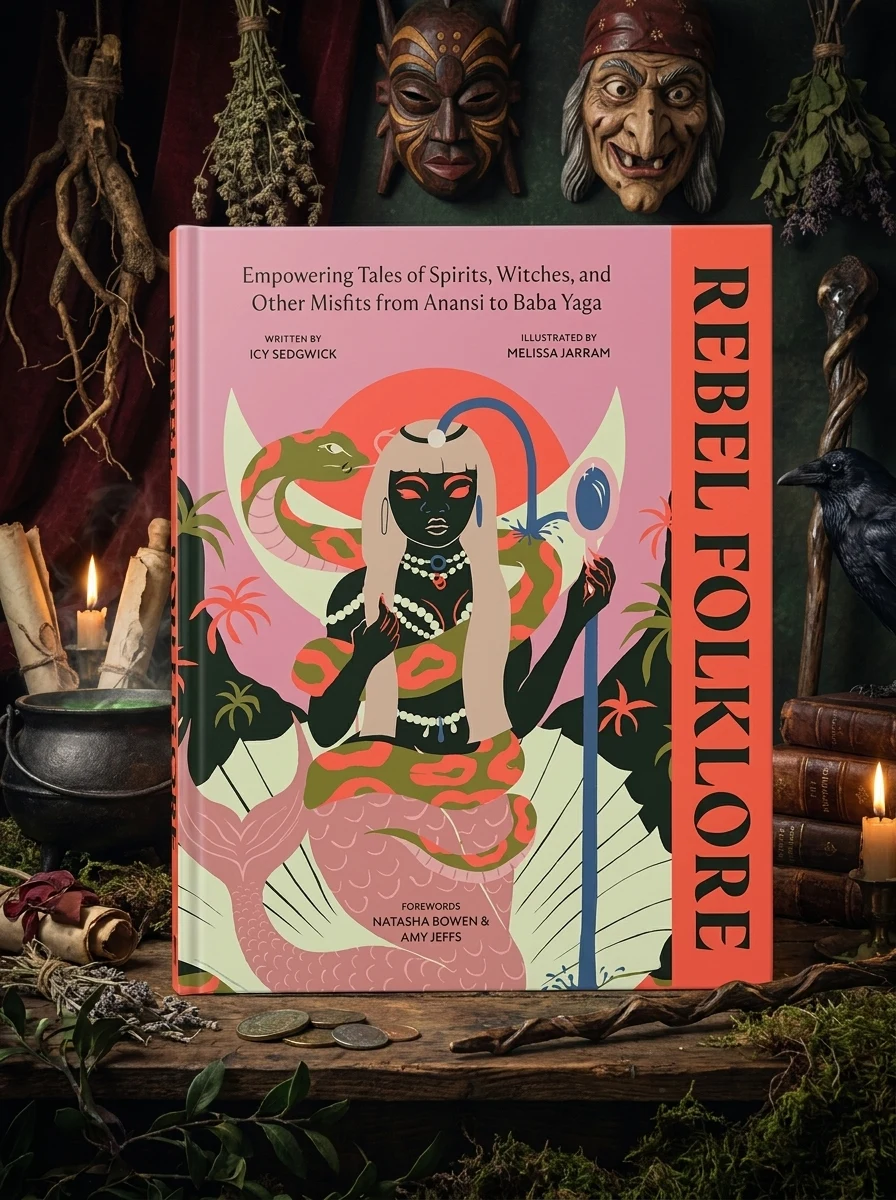
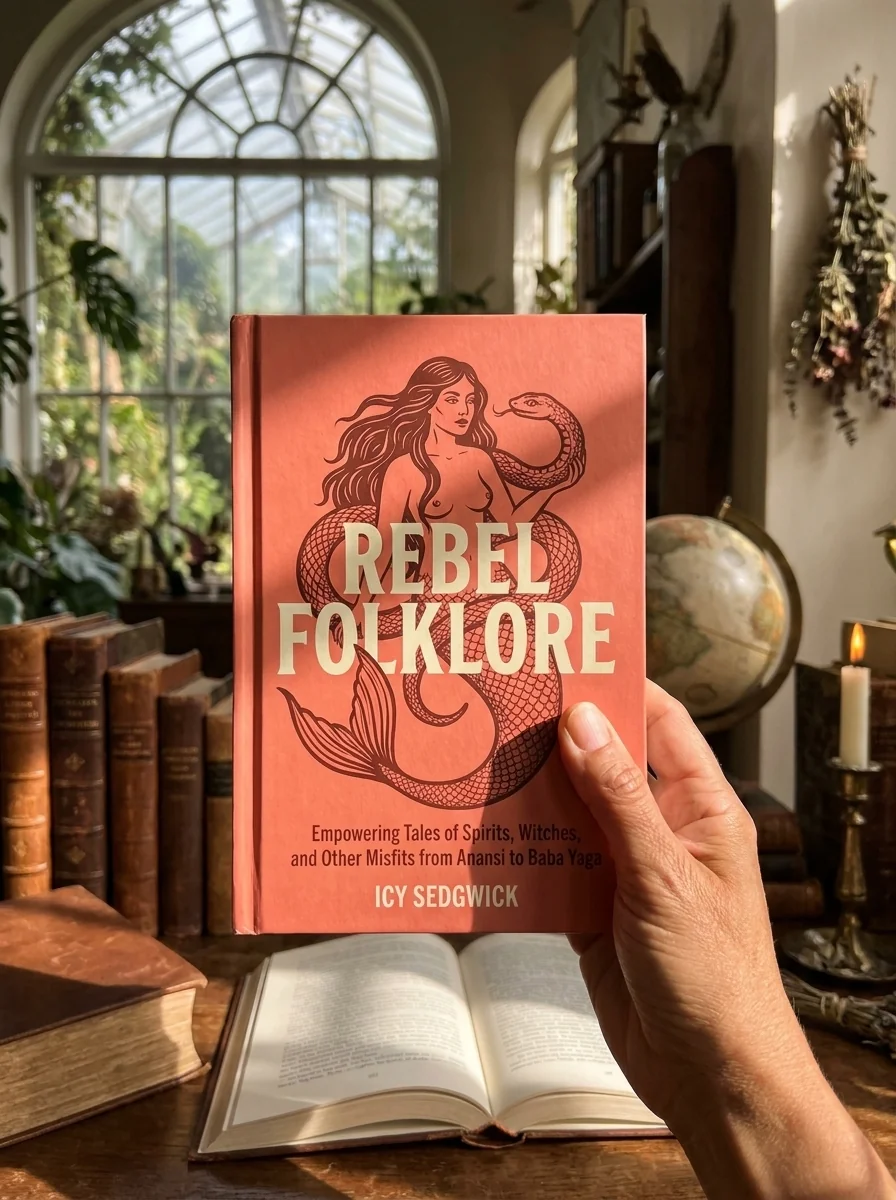
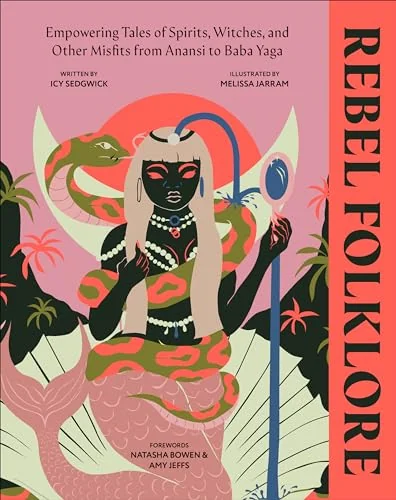
Rebel Folklore: Empowering Tales of Spirits, Witches, and Other Misfits from Anansi to Baba Yaga
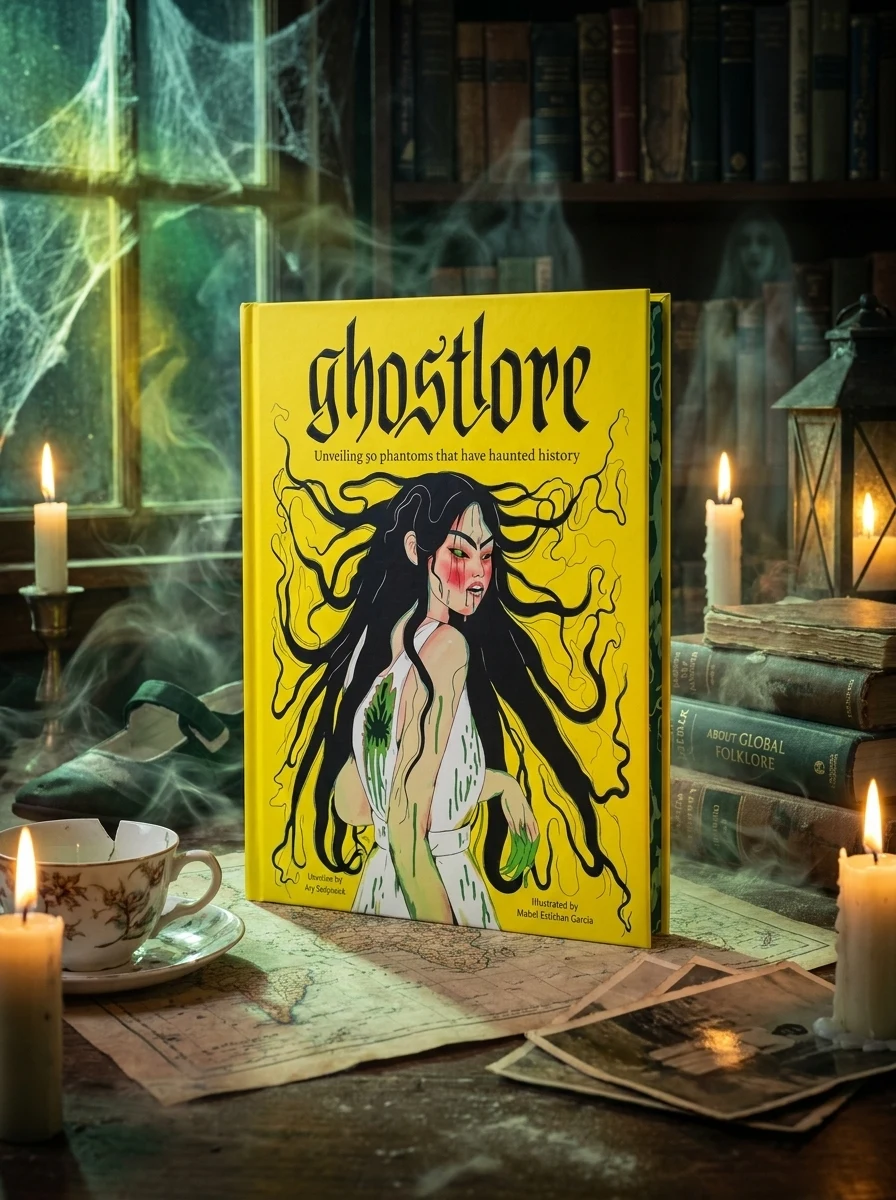
✍️ Sedgwick, IcyIcy Sedgwick's *Rebel Folklore* invites readers on a global journey through the compelling narratives of fifty often-maligned or complex mythological characters. Far from simple villains, these figures—from trickster deities to formidable witches—are reframed as vital mirrors to humanity's deepest fears and aspirations. The book champions these ancient rebels, revealing how their stories, passed down through generations by society's fringes, offer profound lessons on self-acceptance, speaking truth to power, and embracing one's authentic, unconventional self in a conformist world. It's an empowering exploration of the shadows and strengths within timeless tales.


📝 Description: Rebel Folklore: Empowering Tales of Spirits, Witches, and Other Misfits from Anansi to Baba Yaga
💎 Expert review
📖 Why choose it
Why this book is worth reading
Readers seeking a transformative connection with their own inner strength will find profound resonance in these tales. This book is ideal for those who feel like outsiders or misfits, offering validation through the stories of defiant spirits and witches. It appeals to individuals interested in self-acceptance and the courage to challenge conformist societal norms. By exploring the shadows and strengths of misunderstood figures, readers gain wisdom on speaking truth to power. It serves as an empowering mirror for anyone navigating a world that demands conformity, providing ancient lessons on embracing one's authentic, unconventional self without fear.
⭐ Reader reviews
Reader rating
Icy Sedgwick offers a vibrant, accessible reimagining of global folklore, celebrating the misunderstood over the traditional hero. While the visual presentation and warm tone make it an engaging entry point for new readers, those seeking rigorous academic analysis or dense historical textual criticism may find the content overly simplified. It is not suited for purists who prefer folklore in its raw, unedited cultural context without modern ideological framing. However, for readers open to a progressive interpretation of myth as a tool for personal liberation and social commentary, this collection provides a delightful and thought-provoking experience that bridges ancient wisdom with contemporary values.
❓ Frequently asked questions
📖 Who should read this
If you're drawn to mythology with a subversive edge, seeking empowerment from unconventional sources, or simply love stories that challenge black-and-white morality, this book is for you. It's a call to embrace the wilder, more complex aspects of ancient wisdom.
🎯 Key themes and symbolism
Empowerment Through Misfits
This book brilliantly recontextualizes characters typically labeled as 'monsters' or 'villains.' It argues that figures like Baba Yaga or the Churel, often depicted as frightening, embody powerful lessons in resilience, self-preservation, and challenging societal norms, encouraging readers to find strength in their own perceived flaws and unique identities.
Folklore as Resistance
Delving into the origins of these tales, the work highlights that folklore was often the domain of marginalized voices—women, peasants, and outcasts. It explores how these narratives served as a subtle form of resistance, allowing the powerless to express defiance, critique authority, and preserve their own distinct moral frameworks outside mainstream societal conventions.
Modern Lessons from Ancients
Beyond historical analysis, the book draws clear connections between these ancient, complicated figures and contemporary challenges. It demonstrates how the struggles and triumphs of characters like Muma Padurii or Robin Hood offer timeless guidance on environmental advocacy, social justice, and the courage required to live authentically in a world that often demands conformity.
📜 Historical context
📚 Glossary
- Folklore
- Misfit
- Anansi
📔 Questions to reflect on
- Identify a 'misfit' character from folklore or history that resonates with you. What qualities do you admire in them, and how do they challenge societal norms?
- Reflect on a personal trait or experience that you once considered a 'flaw.' How might reinterpreting it through the lens of a 'rebel' folkloric figure transform it into a source of strength or unique identity?
- Consider a modern-day issue. Which 'rebel' folkloric figure (e.g., environmental protector, social justice warrior, trickster) could best embody or comment on this issue, and what might their message be?