US shipping Secure card payment Occult and esoteric books

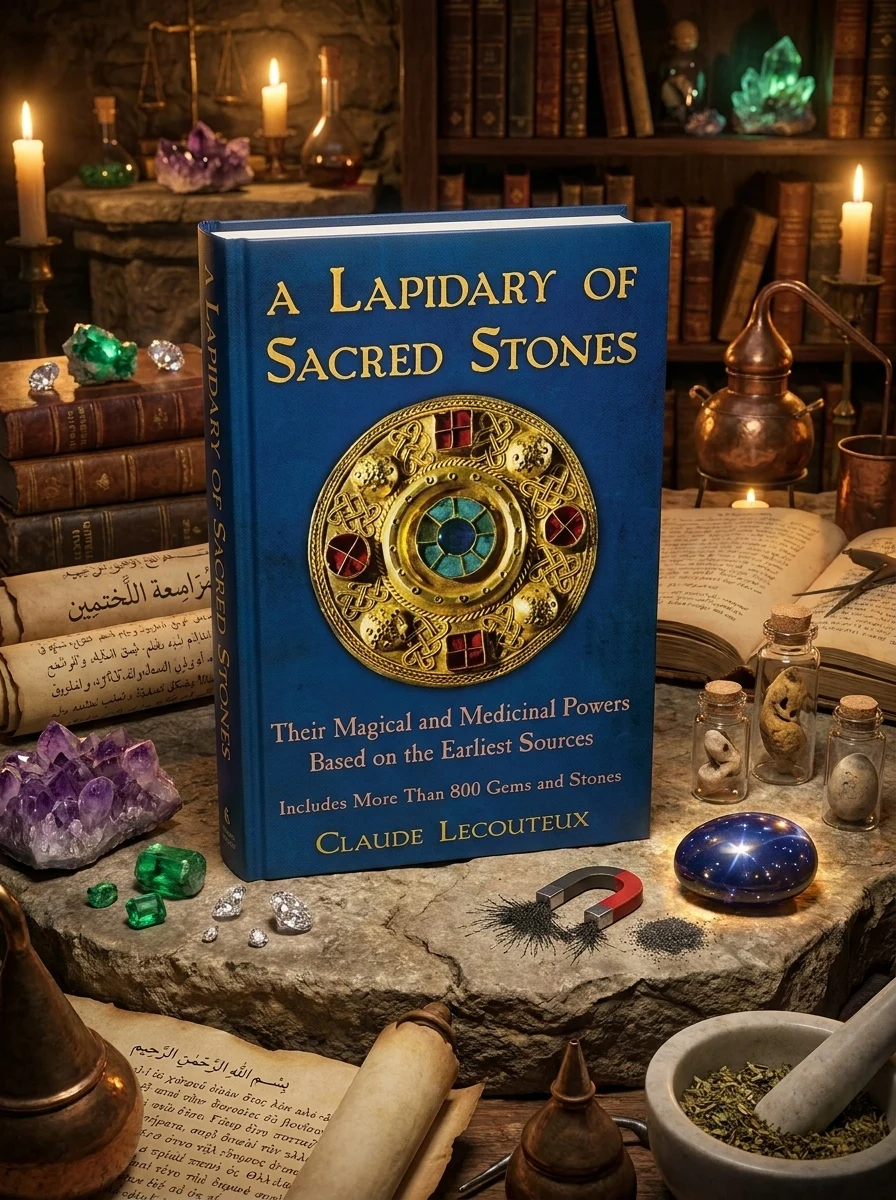
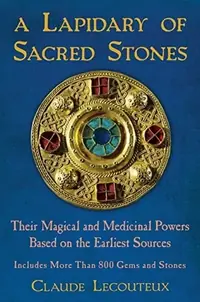
A Lapidary of Sacred Stones: Their Magical and Medicinal Powers Based on the Earliest Sources

Lecouteux, Claude
Reader rating
4.5
(8 reviews) 151 sold
Availability to be confirmed

This edition can be ordered. No arrival date is confirmed.

📚 ABOUT THE BOOK

Ancient magicians wielded stones as keys to the divine; this tome unlocks their forgotten, potent secrets.

Lecouteux curates a dense, scholarly compendium of petromancy, tracing gem lore from Pliny to the rare Picatrix. He catalogs the mystical and medicinal virtues of both common gems like amethyst and obscure entities such as bezoars. The text explores how these minerals were believed to house spiritual beings capable of granting invisibility, healing, and protection. Readers will find detailed instructions on佩戴, ingestion, and ritual use, offering a rigorous academic yet esoteric look at how antiquity viewed the earth’s treasures as active agents of magical change.

Key themes
Petromancy Medieval Herbalism Lithic Spirituality
Historical context

This work anchors itself firmly in the Western esoteric tradition of petromancy, bridging classical antiquity's natural philosophy with medieval magical practices found in texts like the Picatrix. It serves as a scholarly bridge between ancient medicinal lore and occult gemology.


Difficulty
●●● Demanding
Fans will love it
Pliny the Elder · The Picatrix · Paracelsus
🌿 Folk Magic
🏛 Inner Traditions International 📖 376 pages 📔 Hardcover 📐 Hardcover ISBN: 9781594774638
Fun fact
Lecouteux excels at synthesizing fragmented ancient sources into a coherent, albeit dense, reference. It is a triumph for historians of magic and serious occultists. However, those seeking accessible, modern crystal healing guides will find it dry and overly academic. It sits firmly as a scholarly archive of lost traditions, indispensable for research but demanding patience from the casual reader.

📝 Description: A Lapidary of Sacred Stones: Their Magical and Medicinal Powers Based on the Earliest Sources

A comprehensive dictionary of sacred and magical gem lore that draws on the rarest source texts of Antiquity and the Middle Ages - Reveals the healing and magical virtues of familiar gemstones, such as amethyst, emerald, and diamond, as well as the lore surrounding exotic stones such as astrios, a stone celebrated by ancient magicians - Examines bezoars (stones formed in animals' bodies) and "magnets" that attract materials other than metal - Based on ancient Arabic, Greek, Jewish, and European sources, ranging from the observations of Pliny the Elder to extremely rare texts such as the Picatrix and Damigeron's Virtue of Stones Our ancestors believed stones were home to sacred beings of power, entities that if properly understood and cultivated could provide people protection from ill fortune, envy, and witchcraft; grant invisibility and other magical powers; improve memory; and heal the sick from a wide variety of diseases. These benefits could be obtained by wearing the stone on a ring, bracelet, or pendant; through massage treatments with the stone; or by reducing the gem into a powder and drinking it mixed with water or wine. Drawing from a wealth of ancient Arabic, Greek, Jewish, and European sources--from the observations of Pliny the Elder to extremely rare texts such as the Picatrix and Damigeron's Virtue of Stones--Claude Lecouteux provides a synthesis of all known lore for more than 800 stones. He includes such common examples as the emerald, which when engraved with the figure of a harpy holding a lamprey in its claws will banish panic and nightmares, and beryl, which when appropriately carved can summon water spirits or win its owner high renown, as well as more exotic stones such as astrios, a stone celebrated by ancient magicians and whose center glows like a star. Lecouteux also examines bezoars--stones formed in animals' bodies--as well as "magnets" that attract materials other than iron, such as gold, flesh, cotton, or scorpions. This comprehensive dictionary of sacred and magical gem lore, drawn from the rarest sources of Antiquity and the Middle Ages, represents a one-of-a-kind resource for gem enthusiasts and magical practitioners alike.

💎 Expert review

💎
Esoterica Books editorial team
Occult literature desk
While Lecouteux provides a dense, scholarly compendium that rigorously traces petromancy from classical sources to medieval texts, this is not a casual guide for beginners. The text demands patience and an interest in academic density rather than immediate practical application. Readers seeking simple, modernized rituals or light folklore will likely find the rigorous analysis of obscure entities like bezoars and the detailed cataloging of medicinal virtues too heavy. It suits those willing to wade through scholarly depth to understand the philosophical underpinnings of ancient magical change.
✓ EDITOR'S REVIEW

📖 Why choose it

📖

Why this book is worth reading

Scholars of ancient natural history and practitioners of traditional magic will find this volume an indispensable resource. Lecouteux meticulously reconstructs the worldview where minerals were not inert matter but active spiritual agents. By tracing the lineage from Pliny to the Picatrix, he reveals how stones like amethyst and bezoars were engineered for invisibility, healing, and divine communion. This book is essential for those seeking rigorous academic grounding in the practical applications of gem lore, offering a rare glimpse into how antiquity viewed the earth’s treasures as potent keys to unlocking hidden powers and spiritual beings.

⭐ Reader reviews

The starting rating comes from the team Esoterica Books —
⭐ Esoterica editorial review Editorial rating 4.4/5
★★★★
If you study historical magic, collect antique mineral lore, or seek to understand the metaphysical foundations of gemstone healing, this rigorous reference is essential. It is not for casual readers seeking simple crystal guides.

Reader rating

4.5
Based on 8 reviews
5
4
4
4
3
0
2
0
1
0
W
Willow H. ✓ Verified purchase
July 3, 2026
Good addition to the shelf

This edition finally does the material justice. It's become a regular reference in my practice. Good, with the caveats above.

S
Sarah T. ✓ Verified purchase
February 5, 2026
Almost perfect

Finally got around to ordering this. The material is presented clearly and the structure makes it easy to revisit key passages. Not a light read, but far more accessible than I feared. The font runs small in the appendices. Still worth having on the shelf.

E
Eleanor J. ✓ Verified purchase
August 24, 2025
Essential reading

Took a chance on this and glad I did. The print is clean and easy on the eyes for long sessions.

I
Ivy B. ✓ Verified purchase
January 20, 2025
Exceeded expectations

I keep coming back to this one. Some sections stopped me cold in the best way.

D
Diana K. ✓ Verified purchase
January 12, 2025

As someone who reads a lot in this field, I can be picky. Some sections stopped me cold in the best way. I appreciated how the argument builds steadily from first principles. I'd have loved an index, but that's on the original text.

I
Iris V. ✓ Verified purchase
December 21, 2024
A serious text

This has been on my wishlist for months. The language takes some getting used to, but it becomes part of the charm. The historical context alone makes it worth the price. Already eyeing my next order.

V
Violet V. ✓ Verified purchase
September 26, 2024
Excellent find

Grabbed this during a weekend order. I found myself reading passages aloud just to sit with them. Well worth it.

E
Esoterica Books editorial team

While Lecouteux provides a dense, scholarly compendium that rigorously traces petromancy from classical sources to medieval texts, this is not a casual guide for beginners. The text demands patience and an interest in academic density rather than immediate practical application. Readers seeking simple, modernized rituals or light folklore will likely find the rigorous analysis of obscure entities like bezoars and the detailed cataloging of medicinal virtues too heavy. It suits those willing to wade through scholarly depth to understand the philosophical underpinnings of ancient magical change.

❓ Frequently asked questions

No. It focuses entirely on historical, magical, and medicinal beliefs rather than modern geological science or medical efficacy.
It describes historical methods of application, such as wearing, massaging, or ingesting gems, but does not provide modern ritual instructions.

📖 Who should read this

If you study historical magic, collect antique mineral lore, or seek to understand the metaphysical foundations of gemstone healing, this rigorous reference is essential. It is not for casual readers seeking simple crystal guides.

🎯 Key themes and symbolism

Petromancy

Medieval Herbalism

Lithic Spirituality

💬 Quotes from the book

“Our ancestors believed stones were home to sacred beings of power, entities that if properly understood and cultivated could provide people protection from ill fortune.”

“These benefits could be obtained by wearing the stone... or by reducing the gem into a powder and drinking it mixed with water or wine.”

📜 Historical context

This work bridges the gap between classical natural history and medieval grimoires. It contextualizes the belief that stones were not inert but inhabited by spirits, a view prevalent in Arabic, Greek, and Jewish traditions. By synthesizing texts like Damigeron’s Virtue of Stones, it preserves a lineage of thought where geology and theurgy were indistinguishable disciplines.

📚 Glossary

Bezoar
Picatrix
Petromancy

📔 Questions to reflect on

  1. Which gemstone do you feel most drawn to, and what historical virtues does it carry?
  2. How might the ancient belief in stone spirits change your perception of your own jewelry box?
  3. What modern 'stone' or object do you use for protection, and how does its lore compare to these ancient texts?

✍️ More books by this author Lecouteux, Claude

All books by this author →
🏛 Books from this publisher Inner Traditions International

All books from this publisher →
You might also like

See more →