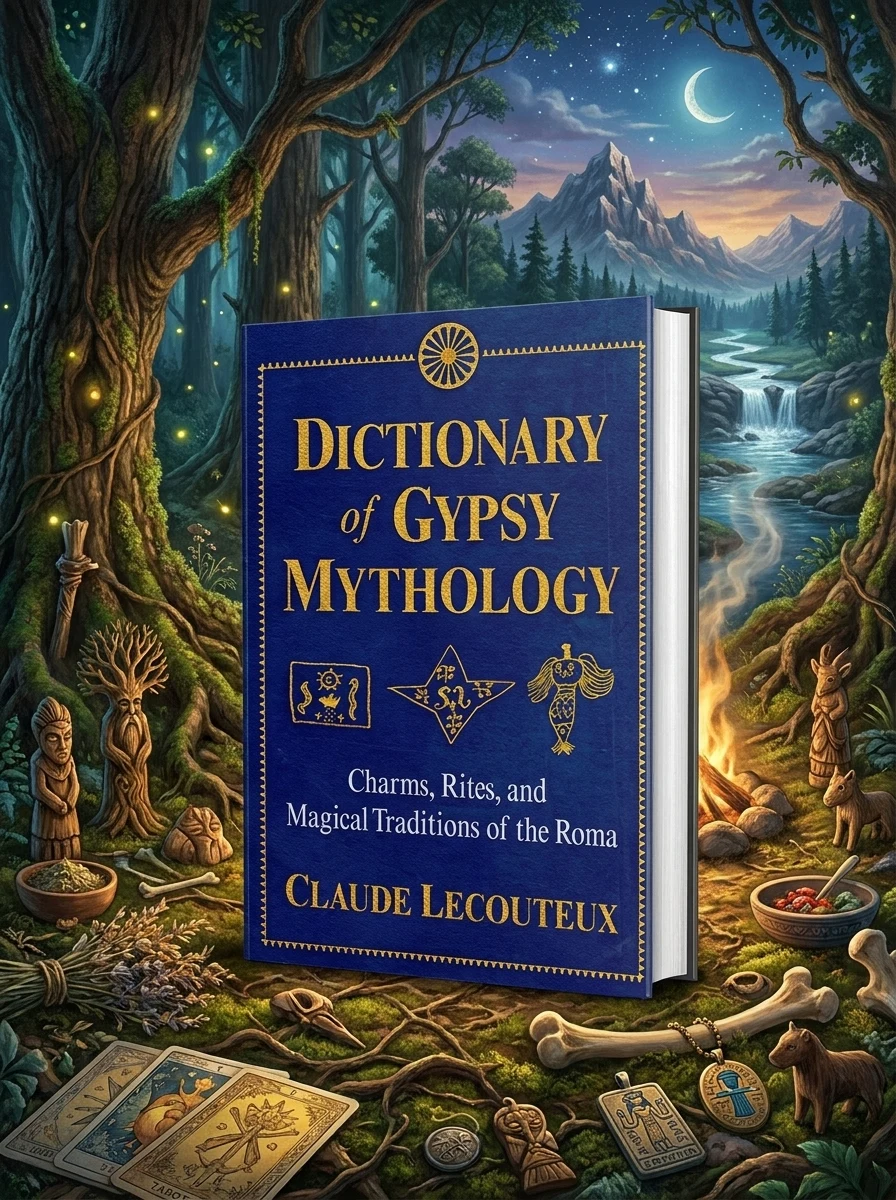
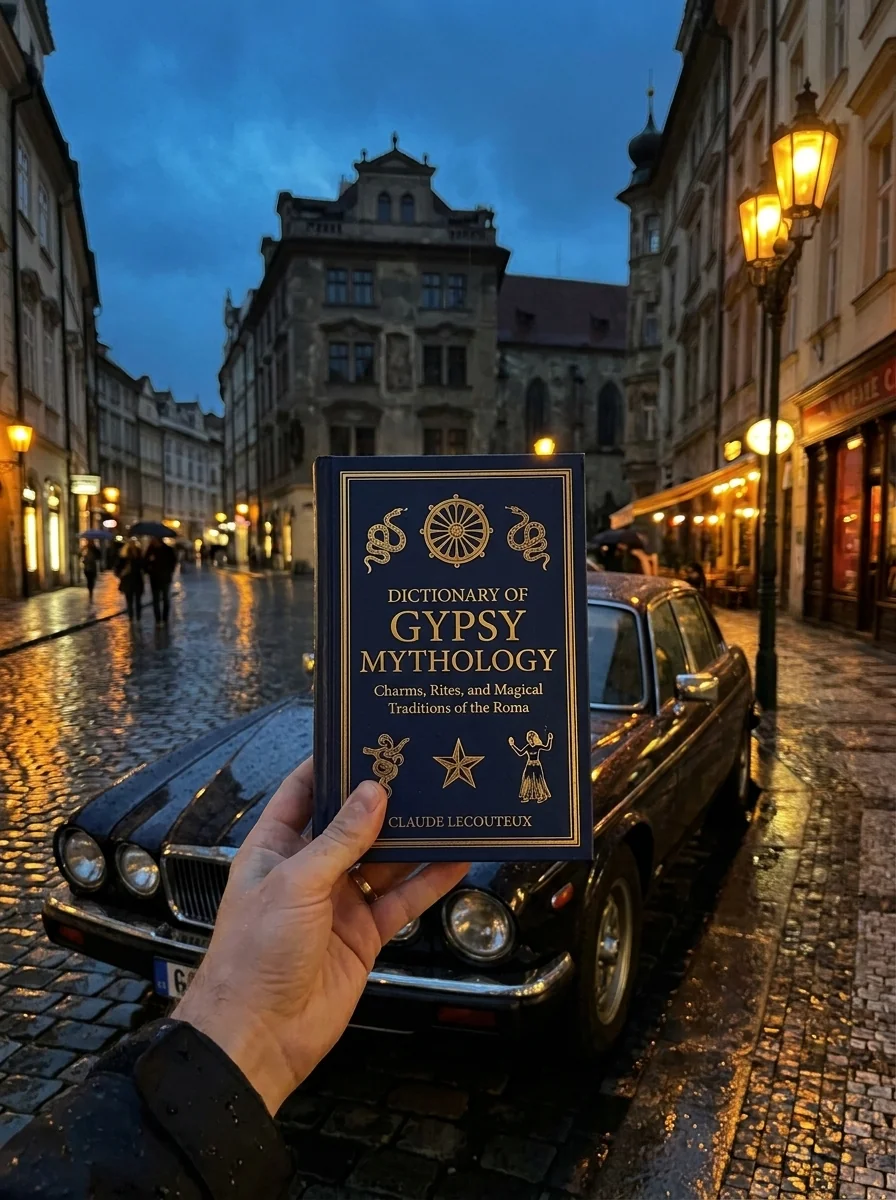
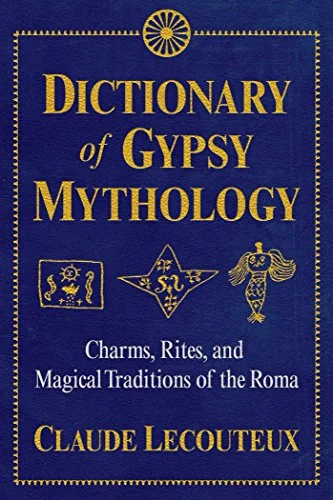
Dictionary of Gypsy Mythology: Charms, Rites, and Magical Traditions of the Roma
✍️ Lecouteux, ClaudeDelve into the previously inaccessible oral traditions of the Romani people with this comprehensive A-to-Z compendium. Drawing from rare Eastern European sources, it meticulously reconstructs their rich mythological landscape. Explore their fascinating origin stories, connections to animal and tree spirits, and the spiritual significance of natural settings like forests, waters, and mountains, which they believe teem with unseen entities. This essential volume illuminates the profound syncretism blending ancient pagan beliefs with Christian influences, offering a unique window into the Romani worldview.


Praise for this book
“With the Dictionary of Gypsy Mythology, Claude Lecouteux has filled a void long overdue in its need for address. He approaches a mysterious and all too oft misunderstood culture with respect, compassion, and genuine interest. The resulting text is compelling, informative, educational, and practical, as the alphabetical layout lends itself to research as well as reading for pleasure.”
📝 Description: Dictionary of Gypsy Mythology: Charms, Rites, and Magical Traditions of the Roma
📑 What's inside
- INTRODUCTION The People of Oral Tradition
- Dictionary of Gypsy Mythology
- Texts
- I. The Great Flood
- II. The White Hind
- III. The Mountain of Cats
- IV. The Bride of the Phuvus
- APPENDIX
- Index of Motifs Bibliography
💎 Expert review
📖 Why choose it
Why this book is worth reading
This volume serves as an essential gateway for those eager to understand the previously inaccessible oral traditions of the Romani people. It is ideal for scholars and enthusiasts seeking a comprehensive A-to-Z compendium that meticulously details their magical practices, origin stories, and connections to nature spirits. Readers interested in the spiritual significance of forests, waters, and mountains will find unique insights into the unseen entities believed to inhabit these spaces. By illuminating the blend of pagan and Christian elements, it offers a respectful and detailed window into the Romani worldview, satisfying deep curiosity about their secret magical traditions.
⭐ Reader reviews
Reader rating
Lecouteux provides a meticulously reconstructed mythological landscape based on rare sources, making this a valuable reference for serious students of esoteric history. However, readers seeking practical spellbooks or immediate ritual instructions will likely be disappointed by its academic, descriptive approach. The text focuses on understanding the worldview and syncretic beliefs rather than offering hands-on magical application. It is best suited for those interested in cultural anthropology and comparative mythology. Those expecting a guide to contemporary Gypsy fortune-telling may find the focus on ancient pagan-Christian blends too theoretical or detached from modern practice.
❓ Frequently asked questions
📖 Who should read this
If you are fascinated by hidden histories, comparative mythology, or the intricate tapestry of folk magic, this dictionary is an indispensable guide. It offers an unparalleled opportunity to understand the rich spiritual heritage of the Romani people, beyond common stereotypes.
🎯 Key themes and symbolism
Romani Origins & Identity
Explores the Romani people's self-perception, including their legendary ties to Egypt, contrasting it with their actual Indian origins. It delves into their unique cultural identity shaped by centuries of nomadic life and interaction with diverse traditions, highlighting how these narratives define their heritage.
Nature's Spirit World
Uncovers the profound spiritual connection the Romani hold with their environment. The book examines how natural elements—forests, waters, and mountains—are not just landscapes but vibrant realms inhabited by various spirits, central to their magical and mythological understanding and daily life.
Syncretic Belief Systems
Details how Romani spiritual practices represent a compelling blend of ancient pagan customs and Christian doctrines. It illustrates how these seemingly disparate traditions merged to form a distinctive religious framework, reflecting their adaptive and resilient cultural heritage over centuries of migration.
📜 Historical context
📚 Glossary
- Romani
- Syncretism
- Oral Tradition
📔 Questions to reflect on
- What aspects of Romani cultural resilience, as hinted at in their mythology and traditions, resonate most with your own understanding of identity or adaptation?
- How do the Romani concepts of nature spirits and sacred landscapes compare or contrast with animistic beliefs you might be familiar with from other cultures or spiritual paths?
- Reflect on the role of syncretism in cultural survival. Where else in history or contemporary society do you observe similar blending of traditions, and what are its implications?