US shipping Secure card payment Occult and esoteric books

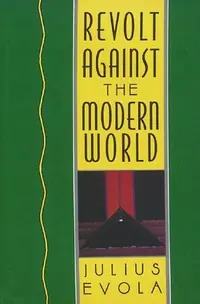
Revolt Against the Modern World: Politics, Religion, and Social Order in the Kali Yuga

Evola, Julius
Reader rating
4.6
(1 reviews) 69 sold
In stock

Stock reported in the catalog; fulfillment is confirmed with your request.

📚 ABOUT THE BOOK

Dare to confront the modern world's spiritual decline with an uncompromising vision.

Julius Evola's seminal work offers a profound challenge to contemporary society, dissecting the forces he believes have led to its degradation. He meticulously unveils a critique not limited to consumerism or individualism, but extending to the very metaphysical underpinnings of our era. This book argues that humanity has strayed from a primordial, transcendent order, a "World of Tradition," and traces this spiritual erosion through history. Evola's analysis calls for a radical internal reorientation, advocating a path of spiritual revolt against the prevailing tides of modernity.

Key themes
Critique of Modernity The World of Tradition Metaphysics of History
Historical context

Julius Evola’s work stands as a seminal text within the esoteric and traditionalist tradition, offering a rigorous metaphysical critique of modernity. It positions itself against the prevailing tides of contemporary spiritual decline by invoking the concept of the Kali Yuga and the lost 'World of Tradition.'


Difficulty
●●● Demanding
Fans will love it
Mircea Eliade · Alain de Benoist · Guénon · Traditionalist School
🕯️ Occult Philosophy
🏛 Inner Traditions International 📅 1995 📖 412 pages 📔 Hardcover 📐 Hardcover ISBN: 9780892815067
Fun fact
Evola's "Revolt Against the Modern World" stands as a foundational text for anyone exploring Traditionalist thought and radical anti-modernism. It offers an unparalleled, deep-seated critique of our age, forcing readers to re-evaluate accepted notions of progress. While its uncompromising stance and dense philosophical arguments may disappoint those seeking easy solutions or conventional political analysis, it excels at providing a profound, albeit controversial, metaphysical framework for understanding civilizational decline. This book is not merely a historical curiosity but a challenging, persistent voice in esoteric literature.

📝 Description: Revolt Against the Modern World: Politics, Religion, and Social Order in the Kali Yuga

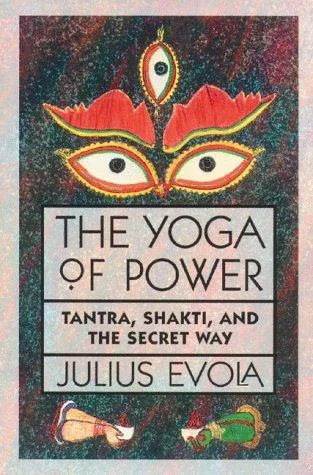
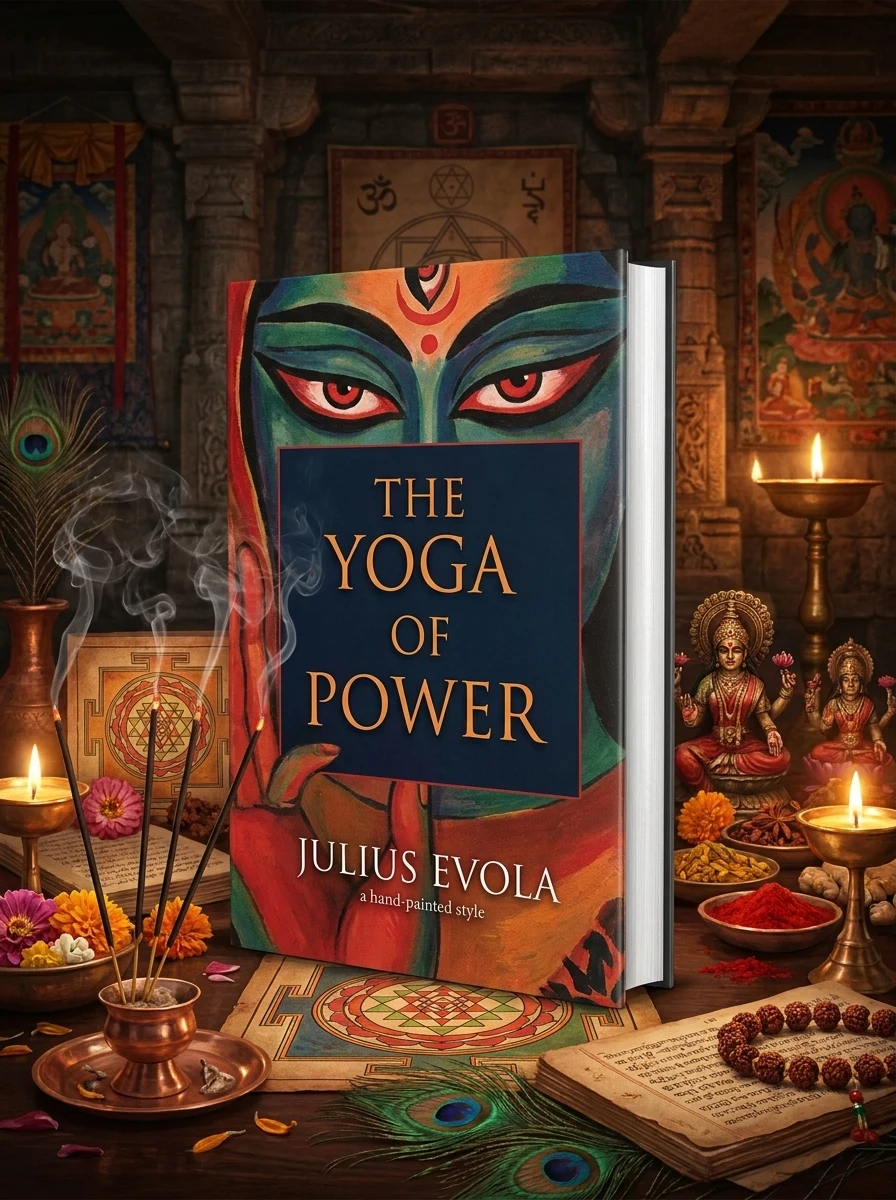
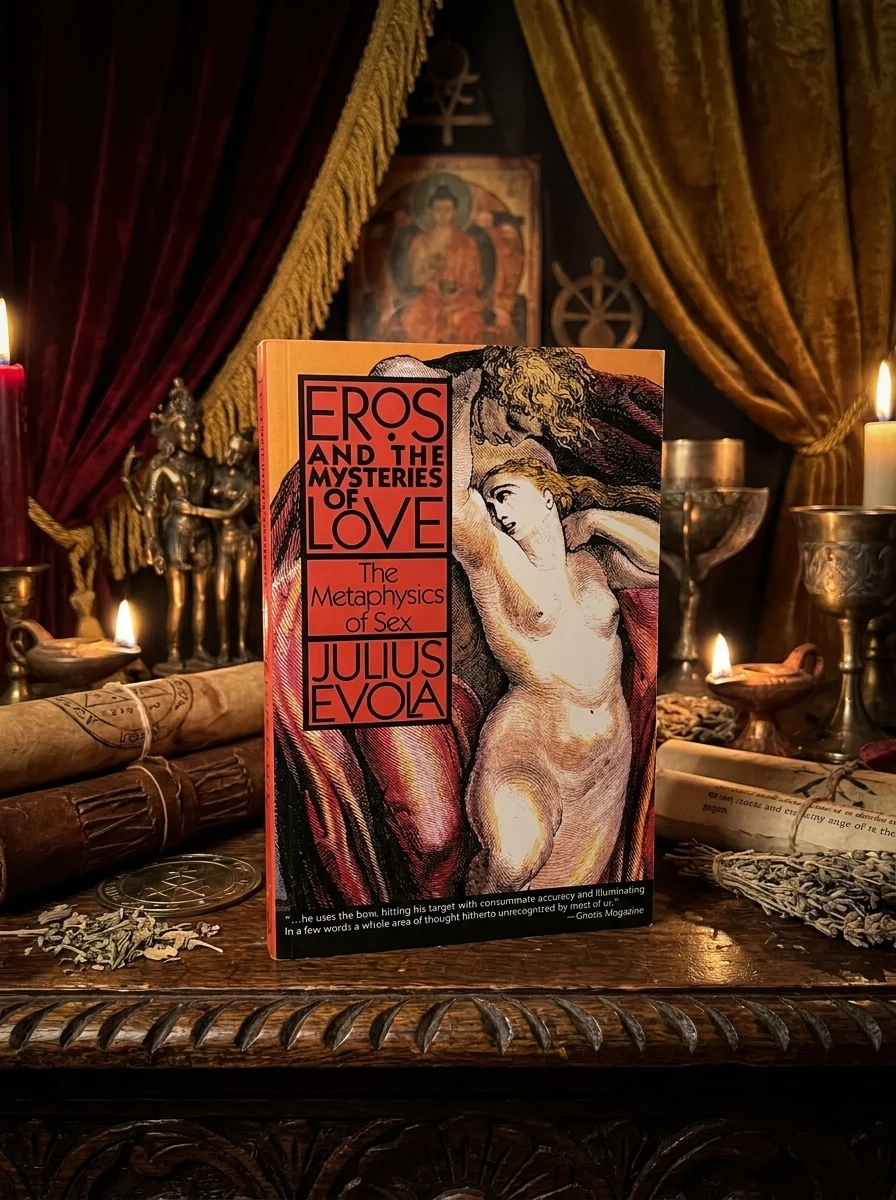
With unflinching gaze and uncompromising intensity Julius Evola analyzes the spiritual and cultural malaise at the heart of Western civilization and all that passes for progress in the modern world. As a gadfly, Evola spares no one and nothing in his survey of what we have lost and where we are headed. At turns prophetic and provocative, Revolt against the Modern World outlines a profound metaphysics of history and demonstrates how and why we have lost contact with the transcendent dimension of being. The revolt advocated by Evola does not resemble the familiar protests of either liberals or conservatives. His criticisms are not limited to exposing the mindless nature of consumerism, the march of progress, the rise of technocracy, or the dominance of unalloyed individualism, although these and other subjects come under his scrutiny. Rather, he attempts to trace in space and time the remote causes and processes that have exercised corrosive influence on what he considers to be the higher values, ideals, beliefs, and codes of conduct--the world of Tradition--that are at the foundation of Western civilization and described in the myths and sacred literature of the Indo-Europeans. Agreeing with the Hindu philosophers that history is the movement of huge cycles and that we are now in the Kali Yuga, the age of dissolution and decadence, Evola finds revolt to be the only logical response for those who oppose the materialism and ritualized meaninglessness of life in the twentieth century. Through a sweeping study of the structures, myths, beliefs, and spiritual traditions of the major Western civilizations, the author compares the characteristics of the modern world with those of traditional societies. The domains explored include politics, law, the rise and fall of empires, the history of the Church, the doctrine of the two natures, life and death, social institutions and the caste system, the limits of racial theories, capitalism and communism, relations between the sexes, and the meaning of warriorhood. At every turn Evola challenges the reader's most cherished assumptions about fundamental aspects of modern life. A controversial scholar, philosopher, and social thinker, JULIUS EVOLA (1898-1974) has only recently become known to more than a handful of English-speaking readers. An authority on the world's esoteric traditions, Evola wrote extensively on ancient civilizations and the world of Tradition in both East and West. Other books by Evola published by Inner Traditions include Eros and the Mysteries of Love, The Yoga of Power, The Hermetic Tradition, and The Doctrine of Awakening.

💎 Expert review

💎
Esoterica Books editorial team
Occult literature desk
Evola delivers a formidable intellectual assault on modernity, dissecting its metaphysical foundations with precision. While the analysis is undeniably rigorous and intellectually stimulating for those aligned with traditionalist thought, it demands much from the reader. This book does NOT suit those seeking comfort, validation of current social norms, or easy answers. It is not a guide for casual readers or those invested in progressive ideals. The uncompromising nature of its critique may alienate anyone unwilling to confront the harsh realities of spiritual erosion head-on. It remains a significant, albeit difficult, contribution to esoteric philosophy.
✓ EDITOR'S REVIEW

📖 Why choose it

📖

Why this book is worth reading

This volume is essential for those seeking an uncompromising vision of spiritual revolt against the spiritual decline of the modern world. Readers who crave a profound challenge to contemporary society will find value in Evola’s meticulous dissection of its degradation. It appeals to souls weary of consumerism and individualism, offering instead a path of radical internal reorientation. By tracing spiritual erosion through history, it provides a framework for understanding humanity’s straying from transcendent order. Those interested in the metaphysical underpinnings of our era will gain a stark, clear-eyed view of the forces at play, urging a return to a primordial social order.

⭐ Reader reviews

The starting rating comes from the team Esoterica Books —
⭐ Esoterica editorial review Editorial rating 4.6/5
★★★★
If you question the prevailing narratives of progress and seek a rigorous, if challenging, critique of contemporary civilization, this book is for you. Readers interested in esoteric philosophy, traditionalism, and a profound re-evaluation of historical trajectories will find its insights…

Reader rating

4.6
Based on 1 reviews
5
0
4
1
3
0
2
0
1
0
E
Esoterica Books editorial team

Evola delivers a formidable intellectual assault on modernity, dissecting its metaphysical foundations with precision. While the analysis is undeniably rigorous and intellectually stimulating for those aligned with traditionalist thought, it demands much from the reader. This book does NOT suit those seeking comfort, validation of current social norms, or easy answers. It is not a guide for casual readers or those invested in progressive ideals. The uncompromising nature of its critique may alienate anyone unwilling to confront the harsh realities of spiritual erosion head-on. It remains a significant, albeit difficult, contribution to esoteric philosophy.

❓ Frequently asked questions

While it critiques social and political structures, Evola's "revolt" is primarily an internal, spiritual rebellion against the values of the modern world, rather than a call for conventional political activism or reform.
The Kali Yuga, a concept from Hindu cosmology, denotes the darkest and most degenerate age in a cosmic cycle. Evola uses it metaphorically to describe the current historical epoch, which he perceives as being in a state of profound spiritual decline and loss of traditional values.

📖 Who should read this

If you question the prevailing narratives of progress and seek a rigorous, if challenging, critique of contemporary civilization, this book is for you. Readers interested in esoteric philosophy, traditionalism, and a profound re-evaluation of historical trajectories will find its insights compelling.

🎯 Key themes and symbolism

Critique of Modernity

Evola meticulously dissects the perceived failures of contemporary civilization, moving beyond superficial critiques of consumerism or technology. He argues that the modern world, in its pursuit of material progress and individual autonomy, has fundamentally severed ties with higher spiritual principles, leading to an inherent hollowness and lack of genuine meaning.

The World of Tradition

This theme explores Evola's concept of a pristine, pre-modern epoch characterized by sacred values, hierarchical order, and a direct connection to the transcendent. Drawing from Indo-European myths and ancient wisdom, he illustrates a lost golden age where life was imbued with spiritual significance, contrasting it sharply with the present state of decline.

Metaphysics of History

Evola presents history not as linear progress, but as a cyclical descent from a golden age, identifying the "Kali Yuga" as the current dark age. He unveils the hidden spiritual and philosophical shifts that have eroded higher values over millennia, demonstrating how these processes have gradually estranged humanity from its true transcendent nature.

💬 Quotes from the book

“unflinching gaze and uncompromising intensity”

“At turns prophetic and provocative”

📜 Historical context

Emerging from the intellectual ferment of early 20th-century Europe, Evola's work stands as a cornerstone of the Traditionalist school of thought, alongside figures like René Guénon. It draws heavily on ancient Indo-European lore, Eastern metaphysics, and esoteric doctrines to formulate a stark anti-modernist philosophy, positioning itself against the Enlightenment's secularizing influence and the rise of materialist ideologies.

📚 Glossary

Tradition
Kali Yuga
Metaphysics of History

📔 Questions to reflect on

  1. Consider Evola's concept of the "World of Tradition." What aspects of modern life do you feel are most divorced from such a spiritual foundation?
  2. How might a "revolt against the modern world," as Evola conceives it, manifest in one's personal life without engaging in overt political action?
  3. Evola suggests history is a descent. What evidence do you see for this perspective, and what alternative interpretations of historical progression might exist?

✍️ More books by this author Evola, Julius

All books by this author →
🏛 Books from this publisher Inner Traditions International

All books from this publisher →
You might also like

See more →