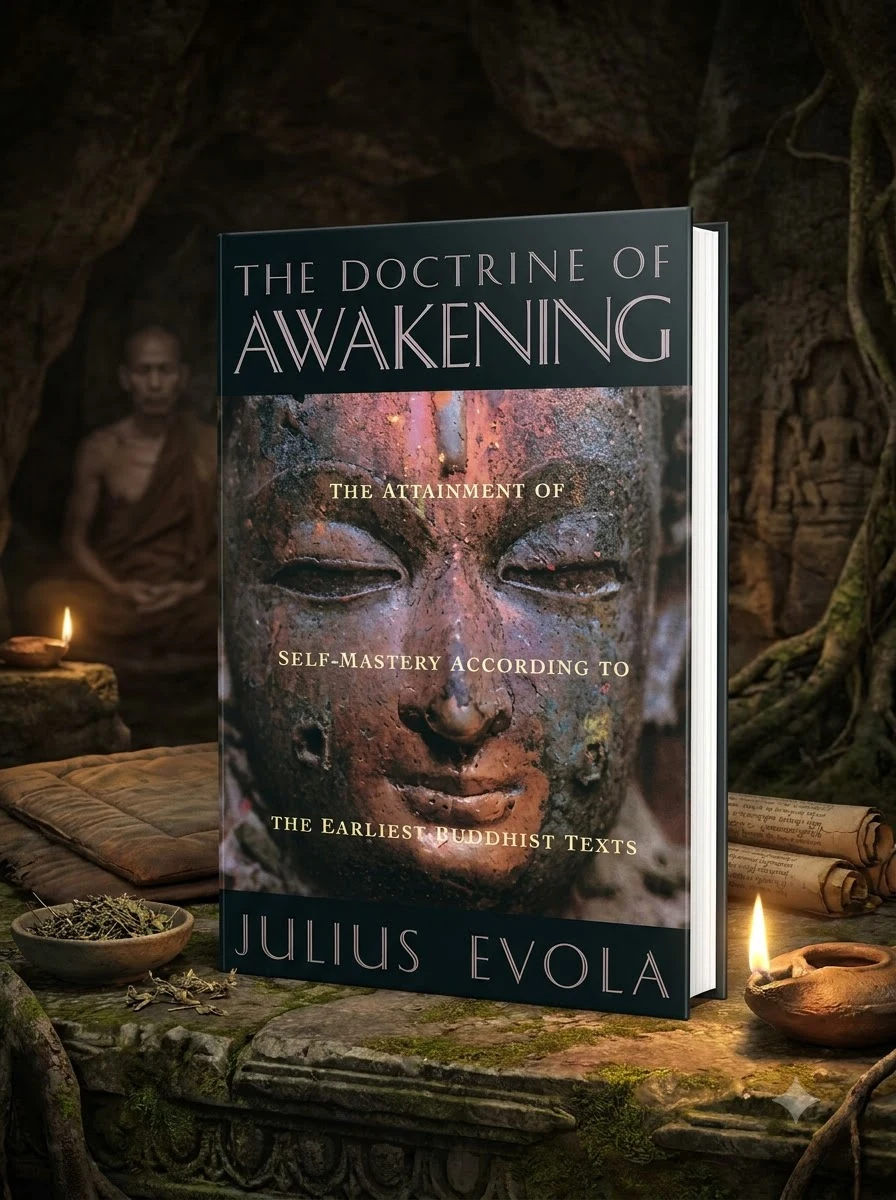
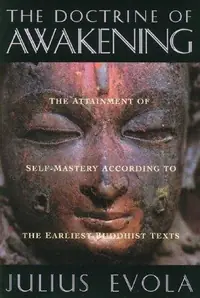
The Doctrine of Awakening: The Attainment of Self-Mastery According to the Earliest Buddhist Texts (Original)
Evola, Julius

Stock reported in the catalog; fulfillment is confirmed with your request.
Uncover ancient Buddhism's path to self-mastery and liberation, stripped of later accretions.
Julius Evola meticulously delves into the foundational Buddhist scriptures, revealing a potent, active path to liberation distinct from later, more passive spiritual forms. This incisive work, originally published in 1943, systematically disentangles the authentic core of Buddhist asceticism, illuminating the Eightfold Path and dispelling doctrinal elaborations. Evola guides readers toward techniques for conscious freedom from illusion and achieving transcendence beyond duality, even provocatively suggesting that reincarnation was not an original tenet. He integrates practical concentration methods within the broader metaphysical framework of the Buddhist cosmos and mind.
This text emerges from the mid-twentieth century esoteric tradition, specifically within Julius Evola’s interpretation of Indo-Aryan spiritualism. It positions itself as a corrective to modern Buddhist interpretations, aligning with the Hermetic and initiatic currents that prioritize active self-mastery over passive devotion.


📝 Description: The Doctrine of Awakening: The Attainment of Self-Mastery According to the Earliest Buddhist Texts (Original)
💎 Expert review
📖 Why choose it
Why this book is worth reading
Readers seeking a rigorous, unadorned approach to spiritual liberation will find profound value in this work. It appeals to those disillusioned with contemporary, diluted spiritualities who desire a potent, active path rooted in early texts. By stripping away later accretions, Evola offers a direct route to self-mastery and transcendence beyond duality. Those interested in the metaphysical framework of the Buddhist cosmos and practical concentration methods will appreciate its systematic disentanglement of authentic asceticism. It is ideal for individuals eager to confront consciousness and illusion through incisive, non-passive techniques, offering a unique perspective on freedom from cyclic existence.
⭐ Reader reviews
Reader rating
Evola’s analysis is intellectually potent but philosophically provocative, particularly regarding his claim that reincarnation was not an original tenet. This work demands a reader comfortable with controversial reinterpretations of foundational doctrines. It does NOT suit those seeking traditional Theravada or Mahayana commentary, nor readers preferring gentle, devotional practices over active self-mastery. The text’s dense metaphysical framework and rejection of common Buddhist narratives may alienate general spiritual seekers. However, for students of esoteric history and radical anti-modernism, it remains an essential, albeit difficult, examination of early Buddhist asceticism stripped of subsequent doctrinal elaborations.
❓ Frequently asked questions
📖 Who should read this
If you seek a rigorous, active spiritual path beyond conventional understanding, and desire to delve into the unadulterated essence of early Buddhist teachings, this book is for you. It offers a profound intellectual and practical challenge to achieve genuine self-mastery.
🎯 Key themes and symbolism
Reclaiming Ancient Buddhist Truths
Evola meticulously unearths the original, active spiritual principles embedded in the earliest Buddhist texts. He contrasts this dynamic path to self-mastery and liberation with what he perceives as the more passive, theistic religious forms that developed later, arguing for a return to the foundational, unadulterated teachings.
Path to Conscious Liberation
The book explores the techniques for achieving conscious liberation from the illusory world (maya) and transcending dualistic thought. Evola details practical methods of concentration and visualization, presenting them as tools for the individual to attain a state of profound self-mastery and spiritual freedom, beyond conventional understanding.
Challenging Buddhist Orthodoxy
Evola rigorously dissects traditional Buddhist doctrine, aiming to clear away later accretions and reveal the pristine core. Most controversially, he argues that the widespread belief in reincarnation, often considered fundamental, was not an original tenet of early Buddhism, thereby inviting a fresh, critical perspective on its evolution.
💬 Quotes from the book
“The authentic path of awakening demands a conscious, active struggle against the illusion of the mundane, not a passive resignation to its transient forms.”
“To mistake the concept of rebirth for an original Buddhist tenet is to miss the profound, immediate call for liberation from phenomenal existence itself.”
📜 Historical context
📚 Glossary
- Maya
- Asceticism
- Transcendence
📔 Questions to reflect on
- How does the concept of an 'active spirituality' resonate with your personal understanding of growth or self-mastery, and what might it entail in practice?
- Consider Evola's claim about reincarnation not being an original Buddhist tenet. How does this reframe your perception of Buddhist philosophy or its historical evolution?
- If the world around us is 'maya' or illusion, what practical steps could one take to consciously detach from its perceived reality and seek transcendence?
✍️ More books by this author Evola, Julius
All books by this author →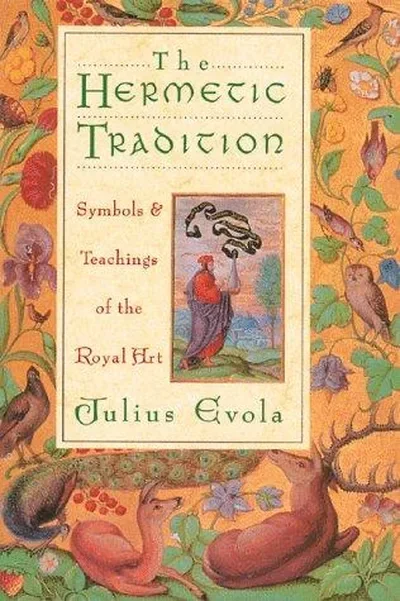
🏛 Books from this publisher Inner Traditions International
All books from this publisher →



You might also like
See more →