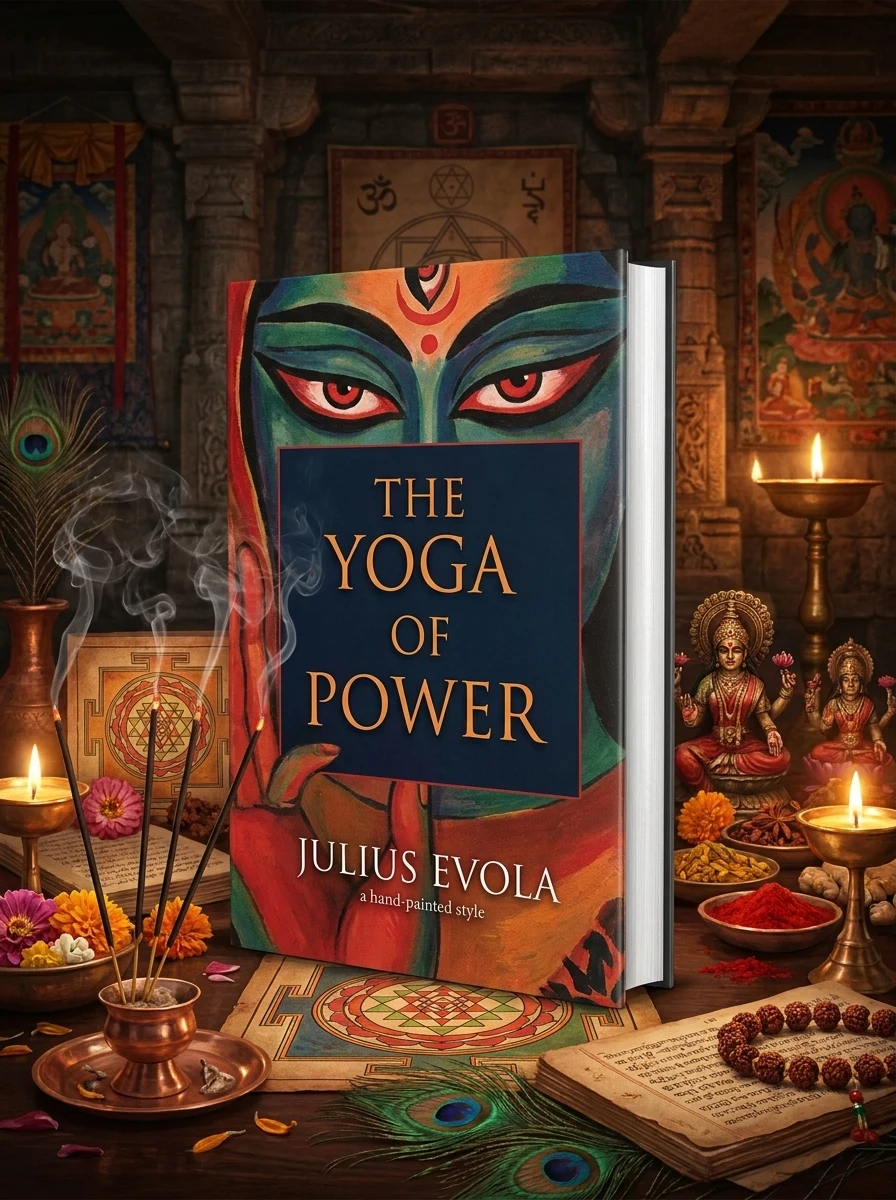
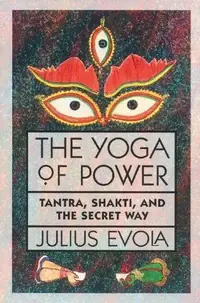
The Yoga of Power: Tantra, Shakti, and the Secret Way
Evola, Julius

Stock reported in the catalog; fulfillment is confirmed with your request.
Unleash dormant inner power through ancient Tantric and Shaktic paths to self-mastery.
Julius Evola’s *The Yoga of Power* delves into the profound traditions of Tantra and Shaktism, exploring their esoteric techniques for attaining supreme self-mastery. Drawing directly from foundational Hindu scriptures, this work illuminates a potent path of spiritual action, revealing how to awaken and command the subtle energetic forces residing within the human form. Evola presents these ancient disciplines not merely as mystical philosophies, but as practical systems designed to transform the practitioner into a master of their own being, unlocking latent capabilities for transcendental realization and power.
This work bridges the esoteric traditions of Hindu Tantra and Shaktism with Julius Evola’s distinct interpretation of traditionalist philosophy, offering a unique perspective on spiritual power within Western occult discourse.


📝 Description: The Yoga of Power: Tantra, Shakti, and the Secret Way
💎 Expert review
📖 Why choose it
Why this book is worth reading
Readers deeply interested in the mechanics of spiritual authority and the integration of action with transcendence will find this text invaluable. It appeals to those seeking practical esoteric systems rather than passive contemplation, offering a rigorous framework for self-mastery through the awakening of Shakti. If you are drawn to the intersection of ancient Vedic wisdom and disciplined inner alchemy, this book provides a clear path to unlocking latent human capabilities. It is particularly suited for practitioners who view spirituality as an active force for transformation, desire to understand the subtle energetic architectures of the body, and wish to explore how traditional Tantric methods can be adapted for contemporary spiritual sovereignty and personal empowerment.
⭐ Reader reviews
Reader rating
Evola presents a formidable synthesis of Tantra and Shaktism, prioritizing the acquisition of power and self-sovereignty over devotional surrender. This approach may alienate readers seeking gentle mysticism or purely philosophical theology, as the text demands rigorous engagement with potent esoteric techniques. It is not for those averse to intense spiritual discipline or those who prefer soft, metaphorical spirituality. However, for serious occultists and traditionalists, it offers a rare, uncompromising look at the transformative potential of ancient Indian disciplines. The strength lies in its practical orientation, though its dense theoretical underpinnings require patience and a willingness to confront the raw mechanics of spiritual energy without romanticization.
❓ Frequently asked questions
📖 Who should read this
If you seek a rigorous, intellectually demanding exploration of ancient Hindu paths to spiritual power and self-overcoming, this work is for you. Readers keen on understanding Tantra and Shaktism beyond superficial interpretations will find Evola’s insights challenging and profoundly illuminating.
🎯 Key themes and symbolism
Tantra: Path of Action
Evola explores Tantra as a dynamic spiritual discipline, distinct from passive meditation, focusing on direct engagement with reality to achieve liberation. It emphasizes ritual, energetic work, and the integration of the material and spiritual, providing a blueprint for active transformation rather than mere contemplation.
Shakti: Cosmic Power
This theme examines the concept of Shakti as the primordial cosmic energy and the divine feminine principle. The book teaches how to recognize, invoke, and channel this powerful force, both externally in the universe and internally within the individual, for profound spiritual awakening and personal transformation.
Attaining Inner Mastery
Central to Evola's thesis, this theme outlines the rigorous methods for gaining complete control over one’s internal energies, thoughts, and desires. It’s about transcending ordinary human limitations to achieve a higher state of consciousness and exert conscious dominion over one's own destiny and spiritual evolution.
💬 Quotes from the book
“True spiritual power is not found in ascetic renunciation, but in the willful command over the very forces that bind the uninitiated.”
“The awakening of Shakti within is not a gentle unfolding, but a potent, transformative eruption demanding an unyielding will and an unshakeable inner resolve.”
📜 Historical context
📚 Glossary
- Tantra
- Shakti
- Self-Mastery
📔 Questions to reflect on
- How do you currently perceive the concept of 'power' in your spiritual or personal life, and how might Evola's ideas challenge that perception?
- Consider the idea of 'energies latent within the body.' What personal experiences or observations resonate with this concept, and how might one begin to explore them?
- Evola emphasizes a 'path of action' in spirituality. In what areas of your life could a more active, willful approach lead to greater self-mastery or transformation?
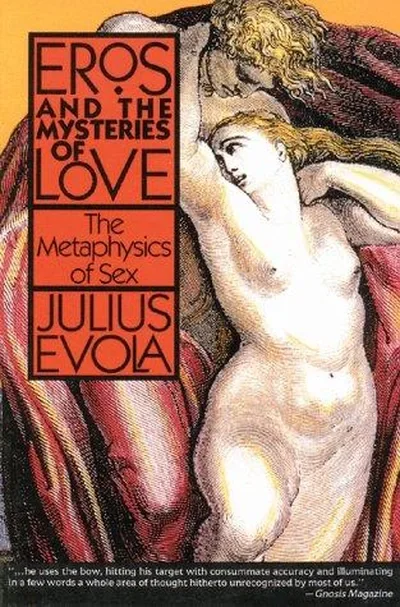
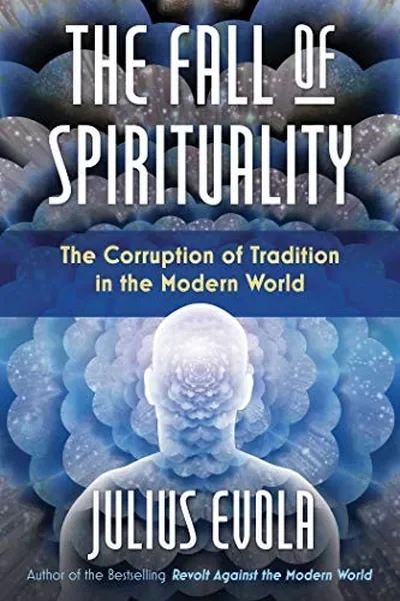
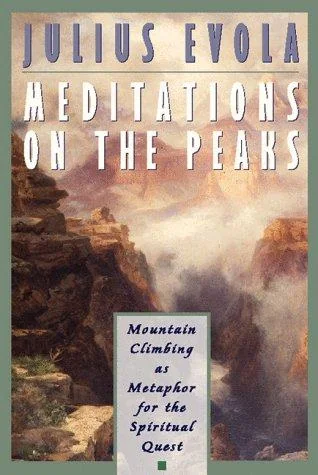
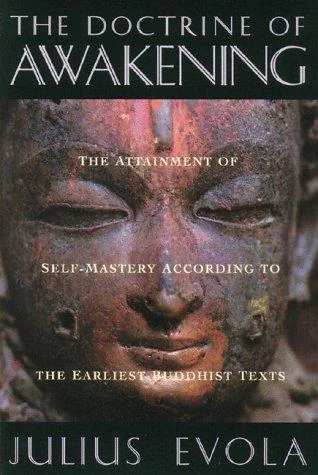
✍️ More books by this author Evola, Julius
All books by this author →

🏛 Books from this publisher Inner Traditions International
All books from this publisher →



You might also like
See more →