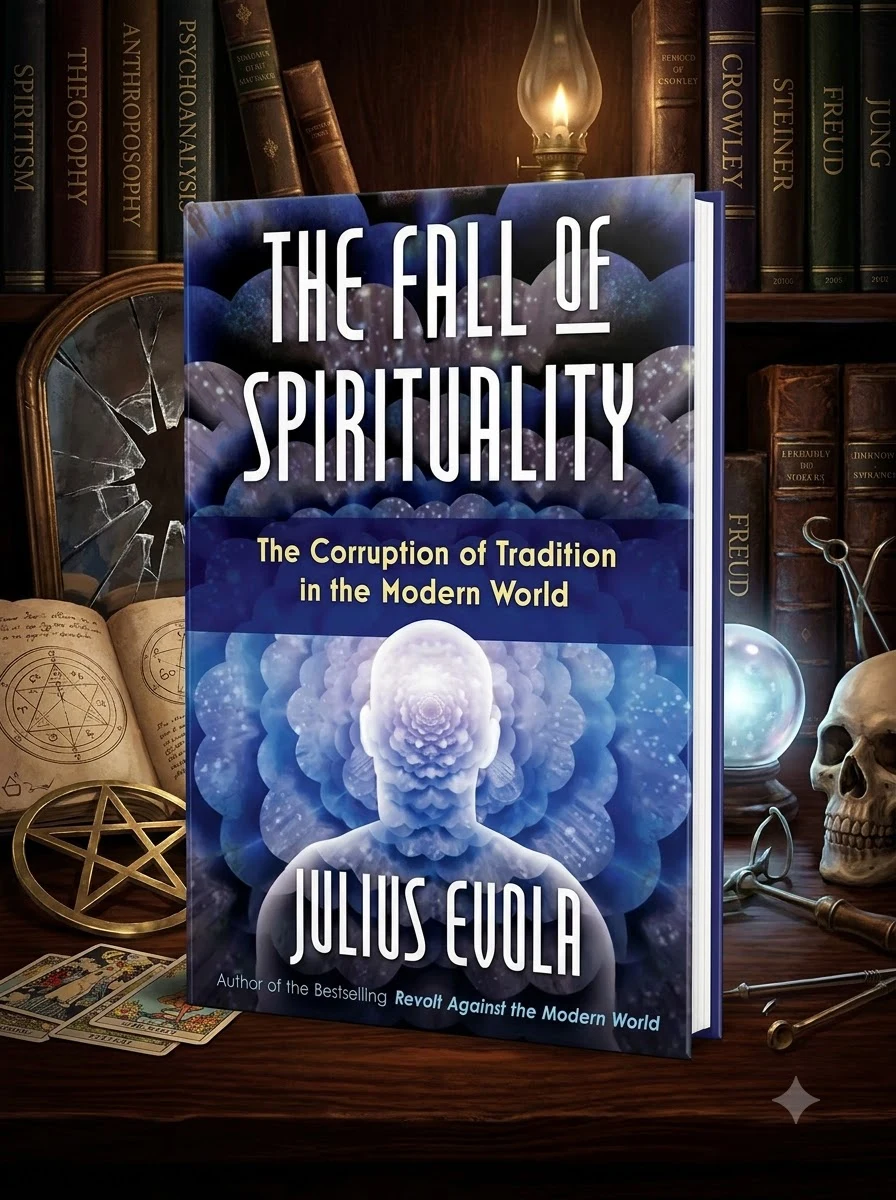
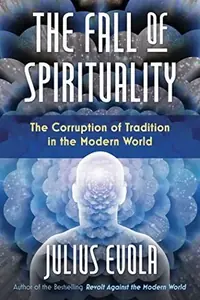
The Fall of Spirituality: The Corruption of Tradition in the Modern World
Evola, Julius

This edition can be ordered. No arrival date is confirmed.
Evola strips away the varnish of modern mysticism to reveal its hollow, dangerous core.
Julius Evola delivers a scathing dissection of twentieth-century spiritual deviations, contrasting them with the rigorous, hierarchical paths of ancient tradition. He analyzes the rise of Theosophy, Spiritism, and Anthroposophy, arguing they represent a decay of authentic metaphysical knowledge into subjective emotionalism. By examining figures from Crowley to Jung, Evola warns that these modern 'systems' offer not enlightenment, but a dangerous dilution of the sacred, leading practitioners away from the immutable truths of the initiatic tradition toward psychological confusion and occult peril.
This work sits firmly within the Traditionalist School of esoteric thought, offering a rigorous critique of contemporary spiritual movements from the perspective of ancient hierarchical traditions.


📝 Description: The Fall of Spirituality: The Corruption of Tradition in the Modern World
💎 Expert review
📖 Why choose it
Why this book is worth reading
Readers who value intellectual rigor and historical continuity in spiritual practice will find this text indispensable. Evola provides a necessary corrective to those seeking authentic metaphysical depth rather than emotional satisfaction. It is ideal for practitioners weary of dilute modern mysticism who wish to understand the structural decay of contemporary occultism. By exposing the dangers of subjective interpretation, it serves as a vital warning and a guide for those committed to preserving the integrity of initiatic knowledge against the encroachment of psychological confusion.
⭐ Reader reviews
Reader rating
Arrived faster than expected and well packaged. I appreciated how the argument builds steadily from first principles. The material is presented clearly and the structure makes it easy to revisit key passages. Definitely recommend.
Grabbed this during a weekend order. It rewards patience more than any book I've bought this year. I found myself reading passages aloud just to sit with them. Delivery took a bit longer than quoted. Happy enough with the purchase.
My third book from this store and this one might be the best. The language takes some getting used to, but it becomes part of the charm. If you're drawn to this subject, don't hesitate.
Evola’s text is uncompromising and intellectually demanding, making it unsuitable for casual seekers or those preferring gentle, affirming spiritual guidance. It does not suit readers interested in therapeutic mysticism or eclectic New Age practices, as it explicitly condemns these paths as dangerous corruptions. This book is strictly for those prepared to confront harsh critiques of popular esoteric trends. While its tone is severe, its analysis offers profound clarity for traditionalists. Avoid if you seek comfort; embrace it if you demand precision in understanding the decline of sacred knowledge in the modern era.
❓ Frequently asked questions
📖 Who should read this
Readers deeply interested in traditionalist philosophy, the history of esotericism, and critical analyses of modern spiritual movements. Ideal for those seeking rigorous metaphysical frameworks rather than self-help mysticism.
🎯 Key themes and symbolism
Decay of Authentic Tradition
Evola argues that modern spiritual movements have abandoned the strict, arduous discipline required for genuine transcendence. Instead of the objective, hierarchical paths of the ancients, contemporary seekers embrace subjective experience, which he views as a degradation of the sacred into mere personal feeling.
Occult Dangers of Subjectivism
The text warns that prioritizing individual psychic phenomena over traditional dogma invites spiritual chaos. Evola contends that bypassing rigorous initiation to chase visions or psychological insights opens the practitioner to manipulation and spiritual disorientation, severing the link to higher, immutable realities.
Critique of Modern Mystics
Through detailed analysis of figures like Steiner, Crowley, and Freud, Evola exposes how their teachings distort ancient wisdom. He demonstrates how these influential thinkers repurposed esoteric knowledge to serve psychological or political agendas, thereby corrupting the original intent of the mystical traditions they claimed to follow.
💬 Quotes from the book
“The modern spiritualist is like a man who has lost his way and is trying to find his home by wandering aimlessly.”
“To substitute feeling for knowledge is to substitute the mask for the face.”
📜 Historical context
📚 Glossary
- Traditionalist School
- Anthroposophy
- Parapsychic Research
📔 Questions to reflect on
- In what ways does your current spiritual practice rely on subjective feeling versus objective discipline?
- How might the democratization of spiritual knowledge have altered the integrity of traditional initiatic paths?
- Which modern spiritual figure do you find most compelling, and how does Evola's critique challenge your view of them?
✍️ More books by this author Evola, Julius
All books by this author →

🏛 Books from this publisher Inner Traditions International
All books from this publisher →



You might also like
See more →